Source Small Dental Retainer Storage Container for Clinics, Labs, and Schools
Explore 30 listings for Small Dental Retainer Storage Container options from verified Chinese suppliers. Compare prices, certifications like CE and ISO, and customization features for oral rehabilitation and dental departments.
Key considerations
Products List


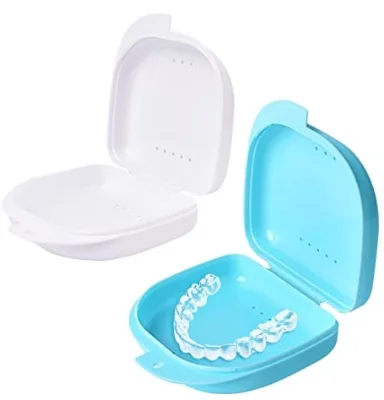


High Quality White Dental Box Cleaning Storage Dental Retainer for Travel
$1.19 - $1.49
MOQ: 500 Pieces


Comprehensive Sourcing Guide
Strategic Sourcing Guide for Small Dental Retainer Storage Containers
The procurement of small dental retainer storage containers requires a nuanced understanding of the intersection between medical device regulations, material science, and logistical efficiency. In the global B2B market, these items are often categorized under dental health materials, oral therapy equipment, and specialized instrument accessories. Buyers must navigate a complex landscape where product attributes vary significantly between manufacturers, ranging from non-disposable specialized instruments to disposable shared equipment. This guide provides a structured approach to sourcing these critical storage solutions, focusing on verified technical specifications, compliance frameworks, and cost drivers derived from current market observations.
Technical Specifications and Material Composition
The physical characteristics of a dental retainer storage container are paramount, as they directly influence the device's utility in clinical and laboratory settings. Based on observed market data, the material composition for these containers is predominantly Polyvinyl Chloride (PVC). This material choice offers a balance of durability, flexibility, and cost-effectiveness, making it suitable for repeated use in dental environments. However, buyers must verify that the specific PVC formulation meets the intended usage requirements, particularly regarding chemical resistance to common dental cleaning agents.
Dimensions and sizing are critical variables in this category. The market presents a wide spectrum of specifications, from standardized units to custom dimensions. Observed data indicates specific size configurations such as 80x85x45mm, 8.8x7.8x8cm, and 80x78x43mm. Furthermore, some suppliers offer "Multiple Sizes Supplying" or "Multiple sizes available," suggesting a need for buyers to explicitly define their dimensional requirements before placing orders. The weight of these units also varies, with specific observations noting a weight of 71 grams for certain models, which impacts shipping costs and handling logistics.
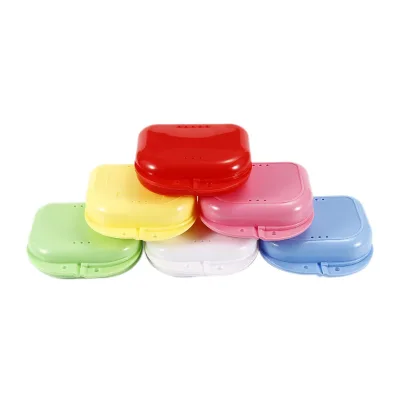
Color coding is another significant specification, often used for departmental organization or patient identification. The observed color palette includes Pink, Blue, White, Yellow, Green, Grey, Brown, Purple, and Colorful options. This variety allows dental practices to implement color-coding systems for different departments, such as the Oral Rehabilitation Department or the Dental Department. When sourcing, buyers should ensure that the color options align with their internal inventory management protocols. Additionally, the nature of the equipment is described as either "Specialized Instrument Equipment" or "Shared Instrument Equipment," which dictates whether the container is designed for individual patient use or multi-patient clinical workflows.
Compliance and Certification Verification
Navigating the regulatory landscape is essential for any procurement involving dental health materials. The primary certifications observed in the market include CE and ISO. These marks indicate that the product meets specific European and international standards for safety and quality. Some suppliers also list FDA certification, which is crucial for products intended for the North American market. Buyers must treat these certifications as observations that require validation for each specific supplier and product batch, rather than assuming universal compliance across all listed items.
The classification of the instrument is another critical compliance factor. Data indicates that these items may fall under "Class I" instrument classification. This classification generally implies a lower risk category, but it still mandates adherence to strict manufacturing and labeling standards. The shelf life of the products is another compliance-related attribute, with observed data specifying a shelf life of 1 year. This duration must be clearly communicated to end-users to ensure the integrity of the storage environment for dental retainers.
Furthermore, the "prod_standard" field in supplier listings often contains dimensional data (e.g., 20x13x4cm) or references to OEM standards. Buyers should verify that the product standard cited by the supplier matches the regulatory requirements of their target market. For instance, if a supplier lists "OEM" as a standard, it implies the product is manufactured to a client's specific design rather than a generic industry standard, requiring additional due diligence on the design specifications.
Cost Drivers and Pricing Dynamics
The pricing structure for small dental retainer storage containers is influenced by several factors, including material costs, customization levels, and order volume. The observed price range in the market spans from $0.10 to $3.32 USD. This wide variance suggests that price is not solely determined by the base unit cost but is heavily influenced by the level of customization and the complexity of the packaging.
Order Volume is a primary driver of cost efficiency. The Minimum Order Quantity (MOQ) ranges from as low as 1 unit to as high as 50,000 units. Buyers with smaller budgets or those testing new product lines can access samples or small batches, while large-scale distributors benefit from economies of scale by ordering in the higher MOQ tiers. The "Customization: Available" attribute indicates that bespoke designs, such as specific branding or unique color schemes, will likely incur higher unit costs and potentially higher MOQs.
Packaging also plays a significant role in the final cost. Standard packaging options include "Carton Case," "Cartons," and "Carton Box," with specific packing densities noted, such as 180 pieces per carton. Custom packaging options are available, which can increase the unit price but may reduce damage rates during transit or improve retail presentation. Buyers should calculate the total landed cost, including shipping and customs duties, rather than focusing solely on the unit price, as the "prod_packing" method directly affects freight efficiency.
Typical Applications and Departmental Fit
The versatility of these storage containers allows them to serve multiple functions within a dental practice. The "Applicable Departments" field highlights their use in the Oral Rehabilitation Department and the general Dental Department. This suggests that the containers are suitable for a wide range of procedures, from orthodontic treatments to general preventive health care.
The specific usage scenarios are diverse, encompassing denture processing, dental preventive health care materials, orthodontic materials, and polishing materials. This indicates that the containers are not limited to storing retainers alone but can be utilized for various small dental instruments and materials. The distinction between "Non-Disposable" and "Disposable" usage times is particularly important. Non-disposable units are designed for long-term use, offering a sustainable option for clinics that wish to reduce waste. Conversely, disposable units are ideal for single-patient use, ensuring hygiene and eliminating the need for sterilization processes.
The "Nature" of the equipment further clarifies its application. "Specialized Instrument Equipment" implies a high degree of precision and durability, suitable for complex laboratory tasks. "Shared Instrument Equipment" suggests a design optimized for high-traffic areas where multiple staff members may access the storage unit. Buyers must align the product nature with their specific workflow requirements to ensure optimal utility.
Supplier Evaluation and Sourcing Strategy
Evaluating suppliers requires a careful review of their capabilities regarding customization, after-sales support, and origin. The "OEM: Acceptable" attribute indicates that many suppliers are willing to manufacture products under the buyer's brand, which is a significant advantage for companies looking to build a private label. However, buyers should verify the supplier's capacity to meet specific design requirements and quality standards before committing to an OEM arrangement.
Geographic origin is another critical factor. The data indicates that products originate from China, with specific mentions of Jiangsu as a production hub. While this provides access to a robust manufacturing base, buyers must consider the implications of international shipping, including lead times and potential supply chain disruptions. The "After-sale Service: Online technical support" attribute suggests that suppliers are equipped to handle technical inquiries, but buyers should establish clear communication channels and response time expectations prior to purchase.
The availability of samples is a key indicator of supplier confidence and flexibility. The "Sample: Freely Samples Offered" attribute is a positive signal, allowing buyers to physically inspect the product quality, material feel, and dimensional accuracy before placing a large order. This step is crucial for mitigating the risk of receiving substandard goods.
Quality Control and Long-Term Procurement
Ensuring consistent quality is the responsibility of the buyer, supported by the supplier's adherence to standards. The "Instrument classification: Class I" and "Certification: CE, ISO, FDA" provide a baseline for quality, but ongoing quality control measures are necessary. Buyers should implement a rigorous inspection process upon receipt of goods, checking for defects in the PVC material, color consistency, and dimensional accuracy against the specified standards (e.g., 80x85x45mm).
Long-term procurement considerations involve the stability of the supply chain and the scalability of the partnership. The wide range of MOQs (1-50,000) offers flexibility, but buyers should plan for volume increases as their business grows. The "Shelf Life: 1 years" attribute necessitates a just-in-time inventory strategy to prevent stock expiration, particularly for disposable items. Additionally, the "Customized Packing" and "Custom Packaging" options allow for branding consistency, which is vital for long-term brand recognition.
Buyers should also monitor the "prod_model" variations, such as UL-AR415, VV-114, JLY-DEN-06, and others. Each model may have unique features or specifications that suit different applications. Maintaining a clear record of the specific models used in successful orders will facilitate reordering and ensure continuity in the supply chain.
Comparative Analysis of Product Attributes
To assist in decision-making, the following table summarizes key attributes observed in the market for small dental retainer storage containers. This comparison highlights the diversity of options available and the specific factors buyers must evaluate.
| Attribute Category | Observed Options | Key Considerations for Buyers |
|---|---|---|
| Material | PVC | Verify chemical resistance and durability for intended use. |
| Certification | CE, ISO, FDA | Confirm validity for target market; treat as batch-specific. |
| Usage Type | Non-Disposable, Disposable | Align with hygiene protocols and waste management goals. |
| Color Options | Pink, Blue, White, Yellow, Green, Grey, Brown, Purple, Colorful | Ensure color coding matches internal departmental systems. |
| Dimensions | 80x85x45mm, 8.8x7.8x8cm, 80x78x43mm, Multiple Sizes | Verify exact fit for specific retainer types and storage needs. |
| MOQ Range | 1 to 50,000 | Balance inventory costs with order volume requirements. |
| Origin | China (Jiangsu) | Factor in lead times and logistics for international shipping. |
| Packing | Carton Case, Cartons, Custom Packaging | Optimize for shipping efficiency and retail presentation. |
| Shelf Life | 1 Year | Implement inventory rotation to prevent expiration. |
| Classification | Class I Instrument | Ensure compliance with local medical device regulations. |
In conclusion, sourcing small dental retainer storage containers requires a methodical approach that balances technical specifications, regulatory compliance, and cost efficiency. By leveraging the observed data and adhering to strict quality control measures, buyers can secure a reliable supply of high-quality storage solutions that meet the diverse needs of the dental industry. The flexibility in customization, packaging, and order volume provided by the market allows for tailored procurement strategies that align with specific business objectives.
FAQs
What materials are used for small dental retainer storage containers?
The primary material used is Polyvinyl Chloride (PVC), which offers durability and flexibility. Buyers should verify that the specific PVC formulation meets chemical resistance requirements for dental cleaning agents before placing orders.
Which certifications are commonly observed for these dental products?
Common certifications include CE, ISO, and FDA marks indicating safety and quality compliance. Buyers must validate these certifications for each specific supplier and product batch rather than assuming universal compliance across all listed items.
How do pricing and minimum order quantities vary in this market?
Prices range from 0.10 to 3.32 USD with minimum order quantities spanning from 1 to 50,000 units. Higher customization levels and specific packaging requirements often influence the final unit cost and required order volume significantly.
Can these containers be customized for specific departmental needs?
Customization is available for branding, color schemes, and unique dimensions to suit departmental protocols. Buyers should explicitly define their dimensional and color requirements, such as Pink, Blue, or White, to align with internal inventory management systems.
What are the typical dimensions and weight specifications for these units?
Observed dimensions include sizes like 80x85x45mm and 8.8x7.8x8cm, with some units weighing approximately 71 grams. Buyers must verify specific size configurations as suppliers may offer multiple sizes or custom dimensions to fit different storage needs.
Are these storage containers designed for single or multiple uses?
Products are available as either non-disposable specialized instruments or disposable shared equipment. The choice depends on whether the clinic requires long-term reuse for sustainability or single-patient hygiene to eliminate sterilization processes.
Where are these dental storage containers typically manufactured?
Products originate primarily from China, with specific production hubs noted in Jiangsu. Buyers should consider international shipping implications, including lead times and potential supply chain disruptions when sourcing from these geographic locations.