Source Commercial Gym Reverse Hyper Machine for Home Gym, Commercial Use, and Community Centers
Find and compare 30 commercial gym reverse hyper machines from verified suppliers in China. Buyers can evaluate adjustable models with steel construction, CE and ISO certifications, and customizable options for home gyms, commercial facilities, and community centers.
Key considerations
Products List

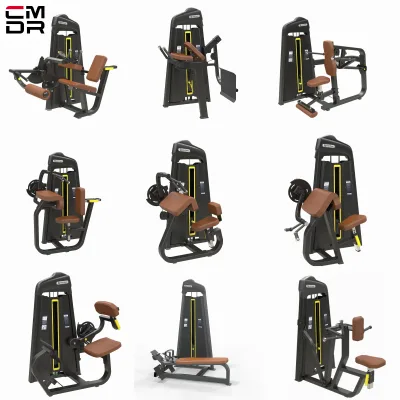

2025 Best Commercial Gym Equipment for GHD Hyper Extension Reverse Hyper Combo
$595.00 - $665.00
MOQ: 1 Pieces

Super Quality Precor Commercial Fitness Machine with Competitive Price
$500.00 - $650.00
MOQ: 1 Pieces


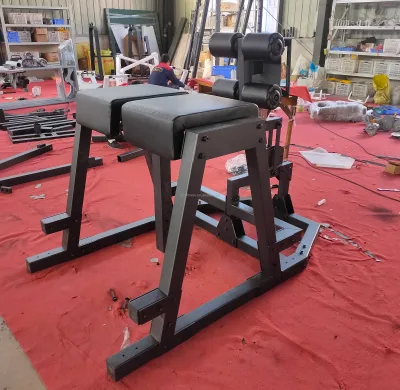
Gc-5062 Commercial Plate Loaded Reverse Hyper Extension Machine Gym Bench
$348.00 - $425.00
MOQ: 1 Pieces


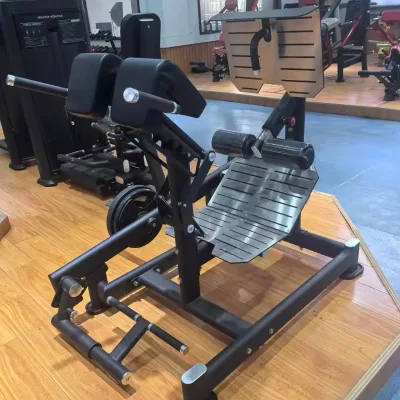
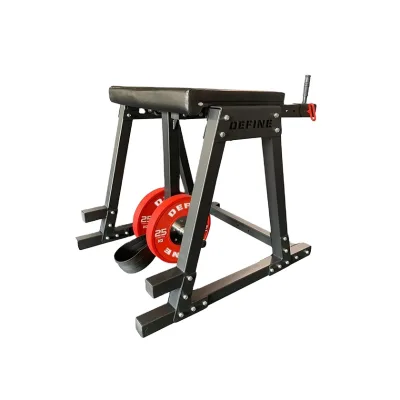
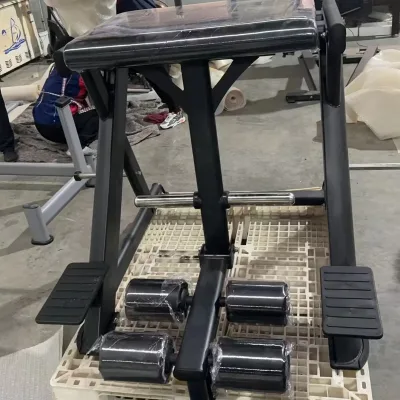


High Quality Professional Gym Bodybuilding Equipment Reverse Hyper Machine
$680.00 - $720.00
MOQ: 1 Pieces

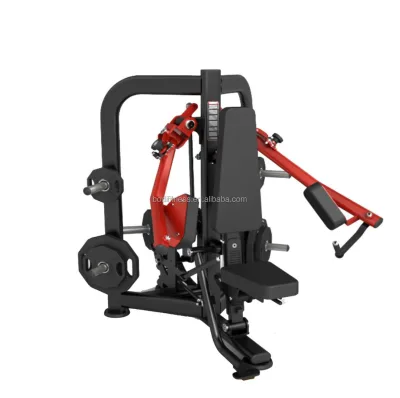
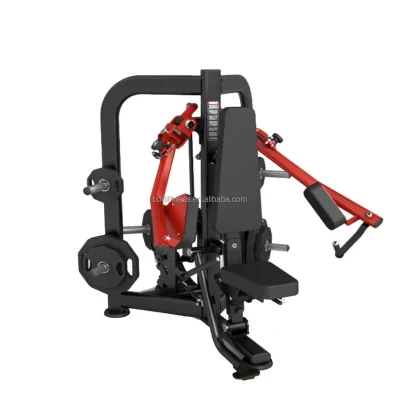
Commercial Use Gym Exercise Machine Strength Fitness Equipment Lateral Raise Weighted
$1360.00 - $1380.00
MOQ: 1 Pieces

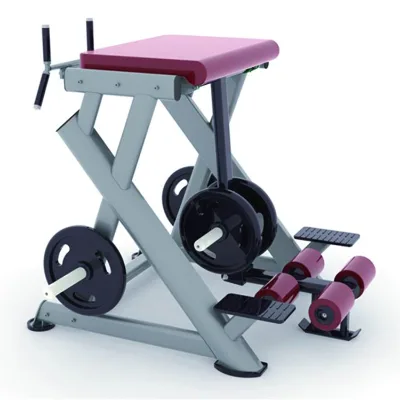
Commercial Gym Equipment Fitness Equipment Reverse Hyper Extension Machine
$100.00 - $398.00
MOQ: 1 Pieces


Comprehensive Sourcing Guide
Strategic Sourcing Guide for Commercial Gym Reverse Hyper Machines
The global demand for specialized back and core conditioning equipment has driven significant interest in the Commercial Gym Reverse Hyper Machine. For procurement professionals, navigating the supply chain for this specific apparatus requires a disciplined approach that prioritizes technical alignment, regulatory compliance, and supplier reliability. The following guide synthesizes observed market data and verified product attributes to provide a structured framework for sourcing decisions. Buyers must distinguish between general fitness equipment and specialized commercial-grade machinery designed for high-volume usage in professional environments.
Technical Specifications and Structural Integrity
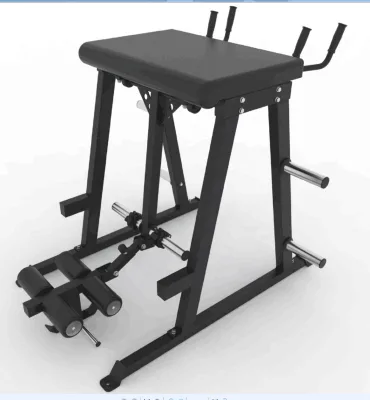
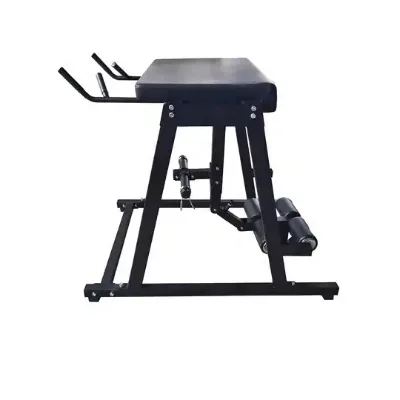
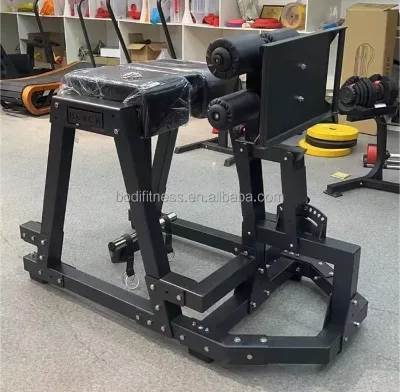
When evaluating a commercial reverse hyper machine, the primary focus must be on the structural components that ensure safety under heavy loads. The observed market data indicates that high-quality units typically utilize steel tubing with specific dimensional tolerances. For instance, verified specifications highlight steel tube dimensions such as 50x100x3mm and 50x80x3mm. These measurements are critical indicators of the machine's ability to withstand the dynamic forces generated during reverse hyperextensions. The wall thickness of 3mm suggests a robust frame designed to prevent flexing or deformation during intense training sessions.
The maximum load capacity is another pivotal specification. Market observations confirm that reliable commercial units often support a maximum load of 200kg. This figure serves as a baseline for safety; any equipment claiming a lower capacity may not be suitable for commercial settings where users vary widely in body mass and strength. Furthermore, the overall dimensions of the machine are essential for facility planning. Standardized product standards in the sector often cite dimensions around 1200x940x1650mm, while packaging dimensions may reach 1600x1100x600mm. Procurement teams must verify that the footprint of the unit fits within the allocated gym space, accounting for both the operational area and the shipping crate size.
The finish of the equipment also plays a role in longevity and aesthetics. Electrostatic power coating is a frequently observed attribute in commercial-grade machines. This manufacturing process ensures a durable, scratch-resistant surface that can withstand the humidity and frequent cleaning required in gym environments. The color options often include standard black, though customization is frequently available to match specific branding requirements. Buyers should confirm that the coating process is applied uniformly to all steel components to prevent rust and corrosion over time.
Compliance and Certification Verification
In the commercial fitness sector, regulatory compliance is not merely a formality but a prerequisite for liability protection and market access. The supply chain for reverse hyper machines often involves products originating from major manufacturing hubs, such as Shandong, China. For these products to be exported to international markets, they must adhere to specific certification standards. Verified product attributes consistently list CE certification, which indicates conformity with health, safety, and environmental protection standards for products sold within the European Economic Area.
Beyond CE, the presence of RoHS (Restriction of Hazardous Substances) and ISO certifications is a strong indicator of a supplier's commitment to quality management and environmental responsibility. Some listings also reference specific standards such as "Precor Commercial Fitness Machine" or "Commercial Gym Equipment" standards. While these references may indicate the level of quality expected, buyers must verify that the specific unit they are purchasing meets the exact standard cited. The combination of CE, RoHS, and ISO certifications suggests a rigorous quality control process at the manufacturing stage.
It is crucial for buyers to request valid certification documents directly from the supplier before finalizing an order. The absence of these certifications in the product documentation should be treated as a red flag, potentially indicating non-compliance with international safety regulations. Additionally, the "Commercial Use" application attribute confirms that the equipment is designed for high-frequency usage, distinguishing it from home-gym alternatives that may lack the necessary durability and safety certifications for public facilities.
Cost Drivers and Pricing Dynamics
Understanding the cost structure of commercial reverse hyper machines is essential for budgeting and negotiation. The observed price range in the market spans from 100 to 1380 USD. This wide variance often reflects differences in material quality, brand positioning, and the level of customization included in the unit. Lower-priced items in this range may correspond to basic models or smaller order quantities, while higher-priced units likely incorporate advanced engineering, premium finishes, or complex customization features.
The Minimum Order Quantity (MOQ) is another significant factor influencing the total cost of procurement. Market data shows an MOQ range of 1 to 50 units, with a specific observed value of 2 units for certain configurations. For a single gym facility, an MOQ of 2 may be manageable, but for large chains or equipment distributors, negotiating a lower MOQ or a tiered pricing structure is advisable. The selling unit is typically listed as a single item, which simplifies the ordering process but requires careful aggregation of costs for larger projects.
Customization is a major cost driver. Attributes such as "Customized" and "Customization: Available" indicate that buyers can request specific colors, branding, or dimensional adjustments. While this adds value, it often increases the unit price and may extend the lead time. The packaging method, whether a standard wooden box or a plywood box as per customer request, also impacts shipping costs. Buyers should factor in the weight of the product, with observed net weights reaching 180kg, as this will significantly affect freight charges.
Typical Applications and Functional Versatility
Commercial reverse hyper machines are designed for specific physiological targets, primarily focusing on the lower back, core muscles, and posterior chain. The observed attributes list "Waist," "Back," and "Core Muscle" as the primary exercise parts. This makes the equipment ideal for rehabilitation centers, athletic training facilities, and commercial gyms that cater to strength athletes. The machine's ability to support "Comprehensive Fitness Exercise" allows it to serve a diverse clientele, from general fitness enthusiasts to professional athletes.
The target demographic for these machines is broad, with attributes indicating suitability for "Adult," "Female," and "Universal" users. The "Unisex" gender classification confirms that the design accommodates all users regardless of gender. The "Medium Loader" type classification suggests a balance between stability and adjustability, making it suitable for various body types. The "Adjustable" feature is particularly important, as it allows users to modify the machine to their specific height and limb length, ensuring proper form and reducing the risk of injury.
In terms of placement, these machines are designed for "Home," "Gymnasium," and "Community" applications. However, the "Commercial Use" attribute strongly suggests that the primary market is professional gyms and training centers. The "New" condition of the products ensures that buyers receive equipment with no prior wear, which is critical for maintaining a professional image. The "Folded: Unfolded" attribute indicates that while the machine may have a fixed structure, it is designed for easy setup and potential reconfiguration within the facility.
Supplier Evaluation and Origin Analysis
Selecting the right supplier is as critical as selecting the right product. The supply chain for these machines is heavily concentrated in specific regions, with "Shandong, China" and "Tianjin" appearing as key locations for production and logistics. The "Place of Origin" and "Product Origin" fields consistently point to Shandong, a region known for its manufacturing capabilities in fitness equipment. The "Port of Loading" being Tianjin is a standard logistical detail that buyers should note for freight planning.
When evaluating suppliers, buyers should look for evidence of a robust export history. The "Export Market: Global" attribute suggests that the suppliers are experienced in handling international orders. The "Machine Brand" and "Brand Name" fields, such as "Commander" or "Tianzhan," provide insight into the manufacturer's identity. However, buyers should exercise caution and verify that the brand name on the product matches the supplier's credentials. The "Model Number" (e.g., B1031, SF1-9923, SD5021, SF1-9426) serves as a unique identifier for each product configuration, allowing for precise tracking and comparison.
Suppliers should also demonstrate a commitment to quality through their packaging and delivery processes. The "prod_packing" attribute, which includes "Wooden" and "Plywood Box" options, indicates a focus on protecting the equipment during transit. The "Delivery Time" of "Within 25 Days After Receiving Deposite" provides a clear timeline for procurement planning. Buyers should verify this lead time against their project schedule and ensure that the deposit terms are reasonable and secure.
Quality Control and Long-Term Procurement Considerations
Ensuring the long-term viability of the equipment requires a proactive approach to quality control. The "Condition: New" and "Feature: Durable" attributes highlight the importance of receiving pristine, high-quality units. Buyers should implement a rigorous inspection protocol upon delivery, checking for any damage to the electrostatic coating, the integrity of the steel tubes, and the functionality of the adjustable components. The "N/W: 180kg" weight specification serves as a benchmark for verifying that the correct amount of material was used in the construction.
For long-term procurement, the availability of spare parts and the durability of the machine are paramount. The "Steel Tube" specifications and the "Max Load" of 200kg suggest that the equipment is built to last, but regular maintenance is still necessary. Buyers should inquire about the supplier's warranty policy and their ability to provide replacement parts. The "Customization: Available" attribute also implies that the supplier should be capable of supporting future modifications or expansions of the equipment line.
Finally, the "Packaging: 30" attribute suggests that the supplier may offer bulk packaging options, which can be beneficial for large orders. However, buyers must ensure that the packaging is sufficient to protect the individual units during shipping. The "Selling Units: Single item" format allows for flexibility in ordering, but for large-scale deployments, negotiating a consolidated shipment can reduce logistics costs. By focusing on these quality control and long-term considerations, buyers can secure a reliable supply of commercial reverse hyper machines that meet their operational needs and safety standards.
FAQs
What certifications do commercial gym reverse hyper machines have?
These machines typically hold CE, RoHS, and ISO certifications to ensure safety and compliance. Verified listings confirm CE certification is standard, while some units also include RoHS and ISO marks. Buyers should request valid documents directly from the supplier before ordering.
How much weight can a commercial reverse hyper machine support?
A reliable commercial unit often supports a maximum load of 200kg. This capacity ensures safety for diverse users in high-volume settings. The structural integrity relies on steel tubes with specific wall thicknesses to prevent deformation during intense training sessions.
Which steel tube dimensions are used in these machines?
High-quality units utilize steel tubing with dimensions such as 50x100x3mm or 50x80x3mm. These measurements indicate a robust frame designed to withstand dynamic forces. The 3mm wall thickness helps prevent flexing during heavy usage in commercial gyms.
Can buyers customize the color and finish of the equipment?
Yes, customization is available for color and finish to match specific branding requirements. Standard options often include black with electrostatic power coating for durability. Buyers can request plywood boxes or wooden crates for packaging as per their specific needs.
What is the typical delivery time for these machines?
The standard delivery time is within 25 days after receiving the deposit. This timeline applies to orders originating from Shandong, China, with loading at Tianjin port. Buyers should verify this lead time against their project schedule before finalizing the order.
What is the minimum order quantity for purchasing this equipment?
The minimum order quantity ranges from 1 to 50 units, with specific configurations requiring a minimum of 2 units. This flexibility allows single gyms or large chains to order according to their needs. The selling unit is typically listed as a single item.
Where are these commercial gym machines manufactured?
These machines are manufactured in Shandong, China, with Tianjin serving as the primary port of loading. The region is known for its manufacturing capabilities in fitness equipment. Buyers should verify the product origin to ensure it matches the supplier's credentials.