Source Smart Bluetooth BMS with Temp Sensor for E-Bikes
Compare 18 Smart Bluetooth BMS with Temp Sensor options for electric bikes, outdoor equipment, and motor systems. These units support active or passive balancing, offer customizable voltage and current ratings, and feature low sleep mode consumption for reliable energy management.
Key considerations
Products List




Comprehensive Sourcing Guide
Smart Bluetooth BMS with Temp Sensor Sourcing Guide
Procuring a smart Bluetooth Battery Management System with a temperature sensor requires careful evaluation of the specific cell chemistry and series configuration. The observed market data indicates support for lithium chemistries including LFP, NCM, and LTO, with cell series ranging from 8 to 16s in some models and up to 35s in others. Buyers must verify that the selected unit matches their specific battery pack architecture, as operating voltages vary significantly between 24V and 96V options.
The integration of Bluetooth connectivity allows for real-time monitoring of voltage, current, and temperature data directly to mobile devices. This feature is critical for applications such as electric bikes and outdoor energy storage where remote diagnostics are necessary. However, the balancing method, whether active or passive, and the specific sleep mode current consumption of 50-100uA must align with the system's power efficiency requirements to ensure optimal battery longevity.
Product Scope and Observed Listing Signals
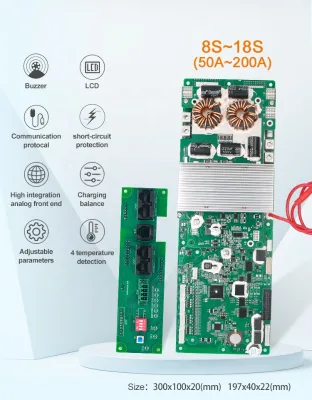
The product listings reveal a diverse range of models, from specific identifiers like BMS2F02L to broader categories such as smart monitoring systems for hybrid applications. Discharge currents observed in the market span from 50A to 300A, with some units supporting up to 3000A for short bursts. This variance necessitates a clear definition of the peak load requirements before selecting a supplier, as the continuous rate and peak capacity directly impact the thermal management and safety of the battery pack.
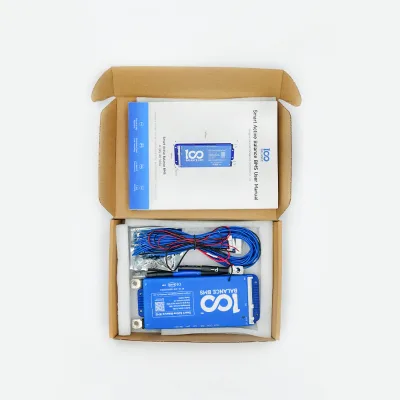
Packaging details vary from standard cartons to specialized export-grade corrugated boxes with high-hardness sponge reinforcement. These packaging standards are essential for protecting sensitive electronics during international shipping, particularly given the origin locations in Shenzhen and other parts of China. Buyers should confirm that the packaging includes vacuum sealing or plastic bag protection to prevent moisture damage, which is a common risk for electronic components during transit.
Technical Specifications to Verify
Verification of the temperature protection threshold is a primary technical requirement, with observed values indicating a protection point around 6 degrees Celsius or higher depending on the specific model configuration. The operating temperature range for the board itself is typically cited between 40 and 80 degrees Celsius, but this must be cross-referenced with the sensor's accuracy and response time. Ensuring the sensor can accurately detect thermal runaway conditions is vital for preventing catastrophic failure in high-voltage applications.
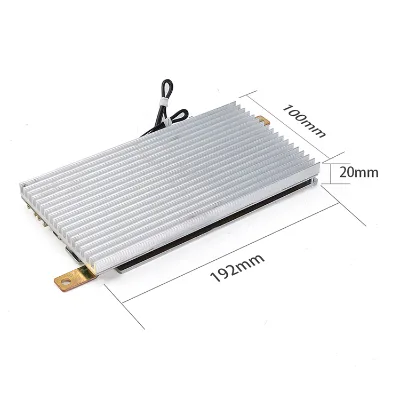
The balancing current capability, observed between 50mA and 100mA, plays a crucial role in maintaining cell voltage consistency over the life of the battery. Buyers must also check the voltage difference thresholds that trigger balancing, which can range from 300mV to 1V, and confirm if the system supports dynamic energy transfer for more efficient balancing. Additionally, the board thickness of 2.0mm and the physical dimensions of 100x300mm must fit within the mechanical constraints of the intended battery enclosure.
Compliance and Safety Documentation
While specific certification statuses like ISO9001:2015 are mentioned in background data, buyers must request explicit proof of compliance for the specific batch being purchased. Safety documentation should include detailed test reports for overcharge, over-discharge, short circuit, and temperature protection functions. It is essential to verify that the BMS has undergone rigorous testing to ensure it meets the safety standards required for the target market, such as UL or CE certifications, rather than relying on general supplier claims.
The packaging details often include references to dangerous goods export regulations, indicating that the supplier is aware of shipping requirements for lithium batteries. Buyers should ensure that the supplier provides a Material Safety Data Sheet (MSDS) and a UN38.3 test report for the battery cells and the BMS unit. These documents are mandatory for customs clearance and confirm that the product has been tested for transport safety under various conditions, including vibration, shock, and temperature extremes.
Cost Drivers and Commercial Terms
The observed price range of 15.17 to 200 USD reflects significant variations in features, current ratings, and customization levels. Higher costs are typically associated with active balancing, higher continuous current ratings, and advanced Bluetooth connectivity with data logging capabilities. Buyers should analyze the total cost of ownership, considering that a lower-priced unit with passive balancing may incur higher long-term maintenance costs due to reduced cell life and efficiency.
Minimum Order Quantities (MOQ) in the market are observed to be low, ranging from 1 to 2 units, which facilitates sampling and small-batch testing. However, customization of parameters such as operating voltage, current, and cell configuration often requires higher volume commitments to be economically viable. Suppliers may offer flexible terms for standard models but could impose stricter MOQs for custom PCB designs or specific branding requirements, so these commercial terms must be clarified before finalizing the order.
Supplier Qualification and Quality Control
Supplier qualification should focus on their manufacturing location and their ability to provide consistent quality control for electronic components. The observed origin locations in China, specifically Shenzhen, suggest a mature supply chain, but buyers must verify the supplier's production capacity and quality assurance processes. Requesting a factory audit or a detailed quality control plan is essential to ensure that the BMS units are assembled with precision and that the soldering and component placement meet industry standards.
Quality control checks should include a review of the balancing method implementation and the accuracy of the temperature sensor readings. Buyers should request sample units for independent testing to verify the claimed discharge current and voltage difference thresholds. It is also important to assess the supplier's response to defects and their warranty policies, as the reliability of the BMS is critical for the safety and performance of the entire battery system.
Long-Term Procurement Checks
Establishing a long-term procurement strategy requires regular performance monitoring of the BMS units in the field. Buyers should track the frequency of balancing events and the consistency of temperature readings to identify any potential degradation in the sensor or control logic. Maintaining a log of field performance data helps in making informed decisions about future upgrades or replacements, ensuring that the battery system continues to operate safely and efficiently over its intended lifespan.
Supply chain resilience is another critical factor for long-term success, as the availability of specific models like the JBD or DALY series may fluctuate. Buyers should secure agreements with suppliers that guarantee consistent supply of critical components and offer support for firmware updates or technical troubleshooting. Building a strong relationship with the supplier ensures that any changes in technology or regulations can be addressed promptly, minimizing the risk of obsolescence or supply disruptions.
FAQs
What operating voltages are supported for Smart Bluetooth BMS with Temp Sensor?
The system supports 24V, 48V, 72V, and 96V operating voltages as optional configurations. These options allow flexible integration into various electric bike and outdoor equipment applications. Users can select the specific voltage level that matches their battery pack requirements for optimal performance and safety.
Can the Smart Bluetooth BMS with Temp Sensor handle high discharge currents?
Yes, the device supports discharge currents ranging from 50A to 300A, with customizable options available. This high current capacity ensures reliable power delivery for demanding applications like electric motors. The customizable nature allows buyers to specify exact current limits based on their specific battery cell configurations and usage scenarios.
Which balancing methods are available for Smart Bluetooth BMS with Temp Sensor?
The product offers both active and passive balancing methods to maintain cell consistency. Active balancing utilizes dynamic energy transfer for higher efficiency, while passive balancing provides a standard approach. These methods help extend battery life by ensuring uniform charge distribution across all cells in the series configuration.
How is the Smart Bluetooth BMS with Temp Sensor packaged for shipping?
Packaging includes vacuum packing, plastic bags, and standard cartons for individual units. For bulk shipments, five-layer dangerous goods export corrugated cartons with high-hardness custom sponge are used. This robust packaging ensures safe transportation and protects the sensitive electronic components from damage during international logistics and handling processes.
What battery types are compatible with Smart Bluetooth BMS with Temp Sensor?
The BMS is compatible with Lithium, LiFePO4, Ternary, LTO, NCM, NCA, and Lead-Acid batteries. This wide compatibility allows versatile application across different energy storage systems. Buyers can select the appropriate configuration based on their specific battery chemistry needs, ensuring safe and efficient management regardless of the cell type used.
What is the sleep mode current consumption for Smart Bluetooth BMS with Temp Sensor?
The sleep mode current consumption is between 50-100uA, ensuring minimal power drain when idle. This low power usage helps preserve battery charge during storage or inactive periods. The efficient sleep mode design contributes to overall system longevity and reliability, making it suitable for applications requiring long-term standby capabilities.