Source Smart Bluetooth LED Bulb for Home, Office, and Landscape
Find and compare 30 Smart Bluetooth LED Bulb options for residential, office, and landscape accent lighting. Evaluate features like color temperature, wattage, and IP ratings to select the right solution for your project needs.
Key considerations
Products List


Color Changing Bluetooth Light Bulb 10W RGB Multicolor E27 LED Smart Bulb
$1.58 - $1.67
MOQ: 10 Pieces


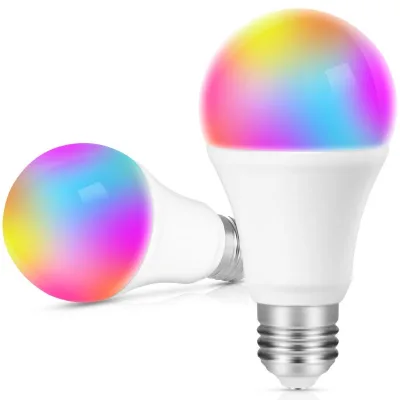


Wireless WiFi Smart Lighting Bulbs Remote APP Controll Emergency LED Light Bulb
$3.59 - $3.80
MOQ: 500 Pieces


Comprehensive Sourcing Guide
Smart Bluetooth LED Bulb Sourcing Guide
Sourcing smart Bluetooth LED bulbs requires a careful balance between connectivity features, optical performance, and commercial viability. These devices represent a convergence of traditional lighting hardware and modern IoT capabilities, allowing users to control illumination via smartphone applications without the need for a separate Wi-Fi hub. The market offers a diverse range of options, from basic dimming functions to advanced color scanning and music-syncing features. Buyers must navigate this variety by focusing on verified technical specifications and reliable supplier credentials rather than marketing claims alone.
The procurement process for these components involves understanding the specific electrical and physical constraints of the target market. Observed listing signals indicate a wide price range, typically between $0.15 and $14.20 USD, reflecting differences in LED power, material quality, and feature sets. Minimum order quantities (MOQs) vary significantly, ranging from single units for sampling to 5,000 pieces for bulk production. This variability demands a structured approach to supplier evaluation, ensuring that the selected partner can meet volume requirements while maintaining consistent quality and compliance with international safety standards.
Product Scope and Observed Listing Signals
The current market landscape for smart Bluetooth LED bulbs includes models designed for both residential and landscape accent applications. Listings frequently highlight features such as color scanning, gradual changing light effects, and wireless music synchronization. These functionalities cater to consumers seeking ambient lighting solutions that can adapt to different moods and activities. The observed product models, such as MR16/JCDR-SBL and TY66044, suggest a mix of form factors, including spot lighting configurations and standard bulb shapes. Buyers should verify the specific lamp holder base, as options like E27 and MR16 serve distinct installation requirements.
Power consumption and voltage compatibility are critical signals when evaluating product listings. Observed wattages range from 3W to 18W, with specific models offering 9W or 10W outputs. Input voltage specifications vary, with some bulbs supporting a wide range of 85-265V, while others are designed for specific 24V or 100-240V systems. This diversity requires buyers to align product selection with the electrical infrastructure of the end-user market. Additionally, color temperature ranges are often specified, with some products offering warm white options and others providing a broad spectrum from 2700K to 7000K, allowing for versatile lighting design.
Technical Specifications to Verify
Verifying the LED type and power supply architecture is essential for ensuring long-term performance. High-power LEDs are often associated with brighter output and better heat dissipation, while low-power variants may be suitable for subtle accent lighting. The lamp body material also plays a crucial role in thermal management and durability; observed materials include plastic and aluminum, with aluminum offering superior heat conduction for high-wattage applications. Buyers should confirm the specific LED configuration and ensure that the power supply, whether labeled as PC or another type, is compatible with the bulb’s electrical demands.
Connectivity and control features must be rigorously tested to match the promised user experience. Smart bulbs often advertise Bluetooth connectivity, WiFi integration, or specialized features like music synchronization. It is vital to verify that the firmware supports the intended control protocols and that the app interface is stable and user-friendly. Additionally, the IP rating should be confirmed, especially for bulbs intended for outdoor or landscape use. While some listings mention IP40, others may require higher ratings for moisture resistance. Buyers should request detailed technical datasheets that outline the exact communication range, latency, and compatibility with existing smart home ecosystems.
Compliance and Safety Documentation
Compliance with international safety and environmental standards is non-negotiable for global procurement. Observed standards include CE, ROHS, KUCAS, and SASO, indicating that suppliers may cater to markets in Europe, the Middle East, and other regions with strict regulatory requirements. Buyers must verify that the supplier can provide valid certificates for each target market, as these documents are often required for customs clearance and retail distribution. The absence of proper certification can lead to shipment delays, fines, or product recalls, making documentation verification a critical step in the sourcing process.
Electrical safety and performance testing are also key components of compliance. Buyers should ensure that the bulbs meet relevant IEC or UL standards for electromagnetic compatibility (EMC) and electrical safety. This includes verifying that the input voltage range is accurately stated and that the product has undergone appropriate surge protection and insulation testing. For products claiming specific features like color scanning or music sync, buyers should request test reports that validate these functions under normal operating conditions. Ensuring that the supplier adheres to these standards protects the buyer from liability and enhances the product’s market acceptance.
Cost Drivers and Commercial Terms
Several factors influence the final cost of smart Bluetooth LED bulbs, including LED quality, housing material, and feature complexity. High-power LEDs and aluminum housings typically command higher prices due to their superior performance and durability. Conversely, plastic housings and lower wattage options may offer cost savings for budget-conscious projects. The observed price range of $0.15 to $14.20 USD reflects these variations, with premium models featuring advanced connectivity and higher lumen outputs at the upper end of the spectrum. Buyers should analyze the cost per lumen and feature set to determine the true value of each product option.
Commercial terms such as MOQ, lead time, and payment conditions significantly impact procurement planning. Observed MOQs range from 1 to 5,000 pieces, allowing for flexibility in order sizing. Lead times can extend up to 30 days after receiving a deposit, which requires careful inventory management to avoid stockouts. Buyers should negotiate clear terms regarding shipping methods, packaging options, and warranty periods. Observed warranties range from 2 to 3 years, providing a baseline for after-sales support. Understanding these commercial dynamics helps buyers optimize their supply chain and manage cash flow effectively.
Supplier Qualification and Quality Control
Evaluating supplier qualifications is crucial for ensuring a reliable partnership. Buyers should verify the supplier’s manufacturing capabilities, including their production capacity, quality control processes, and R&D resources. Suppliers offering OEM/ODM services may provide greater flexibility for custom branding and feature integration. It is also important to assess the supplier’s experience in the smart lighting sector, as this indicates their ability to handle complex firmware and connectivity challenges. Requesting references or case studies from previous clients can provide additional insights into the supplier’s reliability and performance.
Quality control measures should be implemented throughout the production process to maintain product consistency. Buyers should establish clear quality standards and conduct regular inspections, including pre-production, during-production, and pre-shipment checks. These inspections should cover visual defects, electrical performance, and connectivity functionality. Implementing a robust quality control plan helps identify and rectify issues early, reducing the risk of defective products reaching the end user. Additionally, buyers should require suppliers to provide batch testing reports and maintain traceability for all components used in production.
Long-Term Procurement Checks
Long-term success in sourcing smart Bluetooth LED bulbs depends on continuous monitoring of product performance and supplier reliability. Buyers should track key performance indicators such as defect rates, warranty claims, and customer feedback to assess product quality over time. Regular audits of the supplier’s quality management system can help identify areas for improvement and ensure ongoing compliance with standards. Building a strong relationship with the supplier through open communication and collaborative problem-solving can lead to better pricing, priority production, and access to new technologies.
Staying informed about market trends and technological advancements is essential for maintaining a competitive edge. The smart lighting sector is rapidly evolving, with new connectivity protocols and energy-efficient features emerging regularly. Buyers should engage with suppliers to stay updated on product roadmaps and innovation opportunities. Additionally, monitoring regulatory changes in target markets ensures that products remain compliant and marketable. By adopting a proactive approach to procurement, buyers can mitigate risks, optimize costs, and deliver high-quality smart lighting solutions to their customers.
FAQs
What input voltage ranges are supported by smart bluetooth led bulbs?
Smart bluetooth led bulbs typically support wide input voltage ranges to ensure compatibility with various electrical systems. Common specifications include 100-240V for general use and 85-265V for broader international standards. Some models may also operate on 24V DC inputs. These ranges allow the bulbs to function reliably in different regional power grids without requiring additional transformers or adapters for standard AC applications.
Can smart bluetooth led bulbs be customized for specific branding needs?
Yes, customization is available for smart bluetooth led bulbs to meet specific branding requirements. Manufacturers often accept OEM and ODM requests, allowing buyers to tailor product features and packaging. Options include customized packing such as export color boxes or blister packs. This flexibility ensures that the final product aligns with the buyer's market identity and distribution requirements while maintaining core functional specifications.
Which certifications are commonly associated with smart bluetooth led bulbs?
Smart bluetooth led bulbs often carry standard safety and environmental certifications to ensure market compliance. Common certifications include CE, ROHS, KUCAS, and SASO. These standards verify that the products meet specific regulatory requirements for electrical safety and environmental impact. Buyers should verify that the specific model they select holds the necessary certifications for their target market to ensure smooth importation and sales.
What is the typical warranty period for smart bluetooth led bulbs?
The warranty period for smart bluetooth led bulbs generally ranges from 2 to 3 years. Some models offer a 2-year warranty, while others provide a 3-year warranty depending on the manufacturer and product line. This coverage typically protects against manufacturing defects and ensures product reliability. Buyers should confirm the specific warranty terms with the supplier before placing orders to understand the support and replacement policies available.
How does the color temperature range affect Smart Bluetooth LED Bulb usage?
Smart bluetooth led bulbs often feature adjustable color temperatures to suit different lighting preferences. Ranges typically span from 2700K to 6400K or even up to 7000K. This allows users to switch between warm white for cozy environments and cool white for focused tasks. The ability to adjust color temperature enhances the versatility of the bulbs for residential and landscape accent lighting applications.
What materials are used in the construction of smart bluetooth led bulbs?
Smart bluetooth led bulbs are constructed using various materials to balance durability and cost. Common lamp body materials include plastic and aluminum. Plastic bodies are often used for cost-effective models, while aluminum bodies provide better heat dissipation for high-power LEDs. The choice of material can influence the bulb's thermal performance and longevity, making it an important consideration for specific lighting applications.