Source Smart Thermostat Cake Display Fridge for Bakeries
Source the Smart Thermostat Cake Display Fridge for bakeries, cafes, and retail shops. Compare 30 models with features like auto defrost, stainless steel construction, and dual-temperature options to find the right unit for your business needs; compare the available evidence and request quotations based on your requirements.
Key considerations
Products List

Air Cooling Digital Temperature Control Energy Mobile Custom Cake Display Fridge
$480.00 - $650.00
MOQ: 10 Pieces

Bakery Showcase Cake Display Fridge for Pastry LED Counter Top Display Fridge
$480.00 - $650.00
MOQ: 10 Pieces


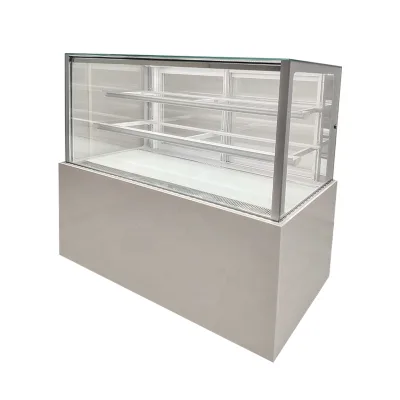


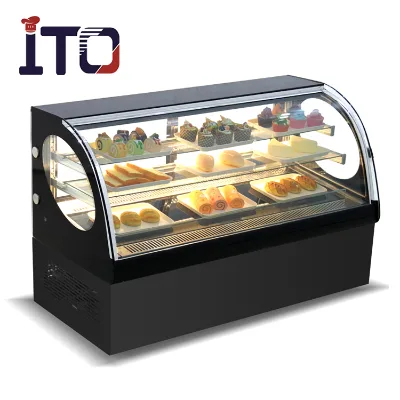


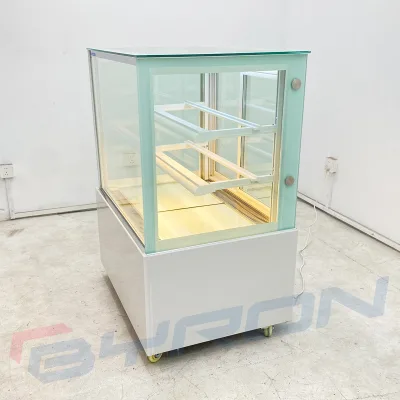
Comprehensive Sourcing Guide
Smart Thermostat Cake Display Fridge Sourcing Guide
Procuring a Smart Thermostat Cake Display Fridge requires distinguishing between mechanical and digital control systems, as the latter offers precise temperature management essential for delicate bakery products. The observed market data indicates that while many units rely on mechanical thermostats, specific models like the CL-12 feature computer thermostats for enhanced stability. Buyers must verify that the selected unit explicitly supports smart or computerized control to ensure consistent cooling for items stored within the 2 to 8 degrees Celsius range.
When evaluating listings, it is critical to confirm that the "smart" designation aligns with the actual hardware specifications rather than marketing terminology. Some products in the catalog are labeled as display coolers with mechanical controls, whereas others are explicitly defined as having computer thermostats. This distinction directly impacts the ability to maintain the strict temperature ranges required for gelato or fresh cakes, making a thorough review of the product attribute list a mandatory step before finalizing any purchase order.
Product Scope and Observed Listing Signals
The available product scope reveals a diverse range of configurations, including single-temperature and double-temperature units designed for specific bakery applications. Listings show variations in door types, such as sliding doors and double doors, alongside capacity ranges spanning from 301 to 400 liters up to units exceeding 501 liters. Buyers should carefully match the physical dimensions and door configuration to their retail floor plan, noting that standard specifications often list dimensions like 1500 by 600 by 1200 millimeters.
Observation of listing signals also highlights differences in cooling methods, with options including ventilated, static, and air cooling systems. The presence of auto defrost or frost-free features is a key differentiator that affects maintenance frequency and energy efficiency. Procurement teams must verify if the unit is intended for cake display or gelato storage, as the latter requires a temperature range of -18 to -22 degrees Celsius, which is distinct from the standard cake display requirements.
Technical Specifications to Verify
Technical verification must begin with the power source and voltage compatibility, as the observed data lists both 220/110V and 220V 50Hz options. Ensuring the unit matches the local electrical infrastructure is vital to prevent operational failure or the need for expensive transformers. Additionally, the compressor type should be confirmed, with some listings noting brand compressors designed for low noise and stable operation, which is a significant factor for customer-facing retail environments.
Buyers must also scrutinize the defrost type and temperature control mechanism to ensure they align with operational needs. While some models feature auto defrost, others may require manual intervention, impacting labor costs and product safety. The temperature range is another critical specification; units designed for cake display typically operate between 2 and 8 degrees Celsius, whereas gelato cases require sub-zero temperatures. Confirming these exact ranges prevents the purchase of a unit that cannot maintain the necessary conditions for the intended product.
Compliance and Safety Documentation
Compliance verification is essential when sourcing from international markets, particularly given the diverse certification landscape observed in the product data. Listings indicate that many units carry CE, RoHS, ISO, CCC, CB, SASO, EMC, GS, and ETL certifications, but the specific combination varies by model. Procurement teams must request the exact certification documents for the specific model number to ensure they meet the regulatory requirements of the destination country, as a lack of proper documentation can lead to customs delays or legal penalties.
Safety documentation should also include proof of electrical safety and material compliance, especially since the units are constructed from stainless steel. The presence of certifications like ETL and GS suggests adherence to rigorous safety standards, but these must be validated against the specific batch being purchased. Buyers should ensure that the supplier provides a certificate of conformity that explicitly lists the model number and the specific standards met, rather than relying on general claims that may not apply to the exact configuration ordered.
Cost Drivers and Commercial Terms
Cost drivers for these units are heavily influenced by the complexity of the temperature control system and the capacity of the unit. Models featuring computer thermostats and larger capacities, such as those exceeding 501 liters, typically command higher prices than basic mechanical units. The observed price range of 6 to 6899 USD reflects this disparity, with advanced features like smart thermostats and specialized cooling methods adding significant value to the final cost.
Commercial terms regarding packaging and shipping also play a crucial role in the total landed cost. The data shows options ranging from plywood boxes to seaworthy packing and plywood cases, which affect freight charges and protection during transit. Buyers should clarify the Incoterms and verify if the packaging meets the specific requirements for their logistics chain. Additionally, the minimum order quantity (MOQ) varies from 1 to 100 units, influencing the unit price and the feasibility of small-scale procurement for individual retailers.
Supplier Qualification and Quality Control
Supplier qualification should focus on the origin and manufacturing capabilities, with the majority of observed products originating from Shandong, China. Buyers must verify the supplier's ability to provide OEM customization, as many listings indicate that customization is available for dimensions, branding, and internal configurations. This flexibility is often a key requirement for retailers seeking to align the display fridge with their specific brand identity and store layout.
Quality control protocols must be established to ensure that the stainless steel construction and compressor performance meet expectations. The observed noise levels and stability claims should be backed by test reports or third-party verification before mass ordering. It is advisable to request a pre-shipment inspection report that specifically checks the temperature control accuracy and the integrity of the door seals. This proactive approach helps mitigate the risk of receiving units that do not perform as advertised upon arrival.
Long-Term Procurement Checks
Long-term procurement success depends on establishing a clear maintenance and support framework for the smart thermostat units. Buyers should verify the availability of spare parts, particularly for the compressor and control board, to minimize downtime during the product's lifecycle. The presence of a brand compressor suggests a potential for easier replacement, but specific part numbers and lead times must be confirmed with the supplier to ensure operational continuity.
Finally, buyers must plan for the lifecycle of the product by monitoring the warranty terms and the supplier's responsiveness to technical issues. The observed data includes various certifications and standards, but these do not replace the need for a robust after-sales service agreement. Establishing a clear communication channel for troubleshooting and technical support is essential, especially for units with complex computer thermostats that may require specialized knowledge for repairs or calibration.
FAQs
What temperature range does the Smart Thermostat Cake Display Fridge maintain?
The unit maintains a precise temperature range of 2 to 8 degrees Celsius. This specific range is ideal for preserving the freshness and texture of bakery items. The smart thermostat ensures consistent cooling, preventing temperature fluctuations that could compromise product quality during display hours.
Can the Smart Thermostat Cake Display Fridge be customized for specific needs?
Yes, customization is available for this equipment. Buyers can request OEM custom designs to match their brand identity. The manufacturer supports customized packaging and standard specifications or tailored solutions. This flexibility allows businesses to integrate the display unit seamlessly into their existing bakery or retail environment.
Which certifications apply to the Smart Thermostat Cake Display Fridge models?
The models hold multiple international certifications including CE, RoHS, ISO, CCC, CB, SASO, EMC, GS, and ETL. These credentials verify compliance with safety and environmental standards. Buyers can select specific models based on required certification lists, ensuring the equipment meets regulatory requirements in their target export markets.
How is the Smart Thermostat Cake Display Fridge powered and controlled?
The unit operates on electricity with a voltage of 220/110V. It features a smart thermostat for precise temperature management. Some models also offer mechanical or computer thermostats. The power source ensures reliable operation, while the control system allows users to monitor and adjust settings efficiently for optimal cake preservation.
What is the capacity of the Smart Thermostat Cake Display Fridge?
The capacity ranges from 301 to 400 liters for specific models. Other variants offer capacities exceeding 501 liters. This volume accommodates substantial bakery inventory. The spacious interior design supports efficient display and storage, making it suitable for high-volume commercial bakeries or large retail environments requiring significant cold storage space.
What material is used to construct the Smart Thermostat Cake Display Fridge?
The unit is constructed from durable stainless steel. This material ensures longevity and resistance to corrosion. The robust build quality supports heavy daily use in commercial settings. Stainless steel also facilitates easy cleaning and maintenance, helping businesses uphold hygiene standards while maintaining the aesthetic appeal of their display area.