Source Snack Forks for Hotels, Picnics, and Restaurants
Compare 30 snack fork listings from verified suppliers offering stainless steel, bamboo, and plastic options. Buyers can evaluate customization, certifications like FDA and LFGB, and pricing for hotel, restaurant, and home use applications; compare the available evidence and request quotations based on your requirements.
Key considerations
Products List










Comprehensive Sourcing Guide
Snack Fork Sourcing Guide
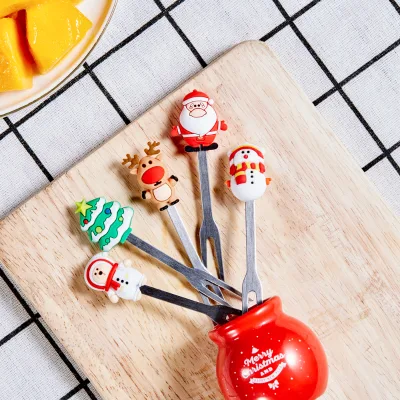
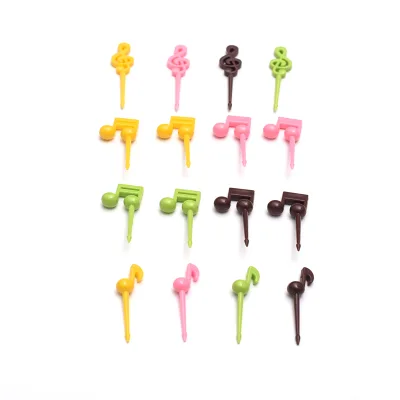
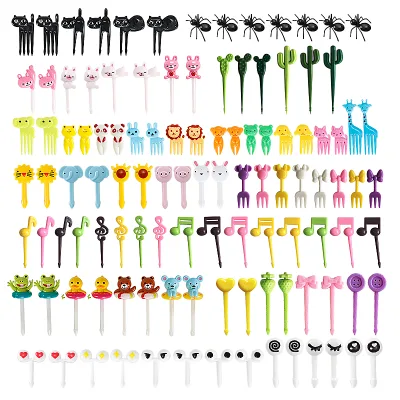
Procuring snack forks requires distinguishing between reusable metal options and disposable alternatives, as the market offers distinct product categories with different operational implications. Buyers must first analyze whether their specific use case demands the durability of 304 stainless steel or the convenience of natural bamboo and plastic variants. The observed listings reveal a wide spectrum of customization, ranging from simple handle designs to cartoon and anime styles, which directly impacts the target demographic and branding strategy.
The commercial landscape for these items shows significant variation in minimum order quantities and delivery timelines, necessitating careful alignment with inventory planning. While some suppliers offer low entry points for sampling, bulk orders often involve lead times of 30 to 45 days after deposit receipt. Understanding these logistical constraints is essential for maintaining supply chain continuity, especially when sourcing from regions like Guangdong, China, where production capacity is high but coordination is critical.
Product Scope and Observed Listing Signals
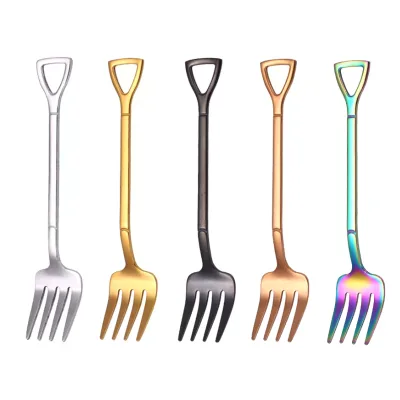
The product scope for snack forks encompasses a diverse array of materials, including 304 stainless steel, 100% natural bamboo, and various plastics, each serving different functional needs. Stainless steel options are frequently marketed for their durability and high mirror polish, making them suitable for hotel, restaurant, and home environments where repeated washing is expected. In contrast, bamboo and plastic variants are often highlighted for their eco-friendly attributes and suitability for outdoor picnics or single-use scenarios, though buyers must verify the specific material claims against their sustainability goals.
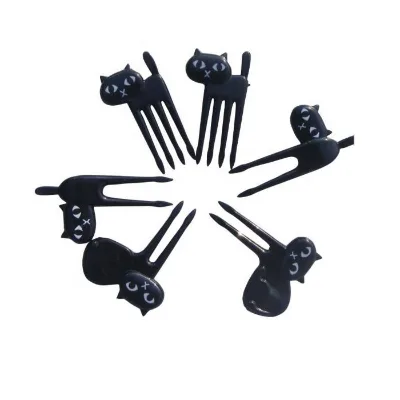
Listing signals indicate a strong emphasis on customization, with many suppliers offering OEM and ODM services to accommodate unique branding requirements. Attributes such as "Cute anime style," "Western," and "Japanese" styles suggest that visual design is a primary differentiator in this category, particularly for products targeting children, babies, and families. Buyers should scrutinize the "Single package size" and "Single gross weight" data to ensure that the chosen design fits within their packaging logistics and shipping cost structures without compromising the product's perceived value.
Technical Specifications to Verify
Technical verification begins with confirming the material composition, as listings explicitly mention 304 stainless steel and 100% natural bamboo as primary options. Buyers must ensure that the specified steel grade meets food-grade standards and that the bamboo is treated without harmful chemical coatings, as some listings note a "Not Coated" status while others imply different treatments. The "High Mirror Polish" finish on metal forks is a key quality indicator that affects both aesthetics and hygiene, requiring inspection to ensure no burrs or rough edges remain that could compromise user safety.
Dimensional and structural specifications are equally critical, with observed data pointing to specific model numbers like LNL030 and 0650 that define the physical characteristics of the cutlery. The "Simple Handle" and "Type: Knife and Fork" classifications indicate functional variations that must match the intended application, whether for eating delicious food in a formal setting or for casual outdoor use. Verifying the "Single package size" of 9x6x6 cm and the gross weight of 0.096 KG helps in calculating shipping efficiency and ensuring the product arrives in the condition intended by the manufacturer.
Compliance and Safety Documentation
Compliance documentation is a non-negotiable aspect of sourcing snack forks, with FDA and LFGB certifications appearing frequently in the product attributes. These certifications are essential for verifying that the materials used, whether metal or plant-based, are safe for direct food contact and do not leach harmful substances into the food supply. Buyers should request current test reports to confirm that the specific batch of forks meets these rigorous safety standards, particularly when the product is intended for sensitive groups like babies and children.
Beyond material safety, the production standards and origin location play a vital role in establishing trust and regulatory compliance. Listings indicate a place of origin in Guangdong, China, which is a major manufacturing hub, but buyers must verify that the specific factory adheres to the stated standards rather than relying on general regional reputations. The "100% Healthy" advantage claim requires substantiation through third-party testing, ensuring that the product truly meets the health and safety expectations of the end consumer without relying on unverified marketing assertions.
Cost Drivers and Commercial Terms
Cost drivers in the snack fork market are heavily influenced by material selection, customization complexity, and order volume. Stainless steel forks generally command a higher price point due to the raw material costs and the labor-intensive polishing processes required to achieve a high mirror finish. Conversely, bamboo and plastic options may offer lower unit costs but can be affected by fluctuations in raw material availability and the complexity of molding or shaping processes, especially when incorporating unique styles like cartoon or anime designs.
Commercial terms such as payment methods and lead times significantly impact the total cost of ownership and cash flow management. The observed payment terms of T/T and the requirement for a deposit before production begin highlight the need for financial planning and risk assessment. With delivery times ranging from 30 to 45 days after deposit, buyers must factor in these lead times when planning inventory replenishment to avoid stockouts, while also considering the potential for freight collect costs on samples and bulk shipments.
Supplier Qualification and Quality Control
Supplier qualification should focus on verifying the ability to deliver consistent quality across large order volumes, given the observed MOQs ranging from 1 to 50,000 pieces. Buyers must assess the supplier's capacity to handle customization requests, such as logo printing and specific style modifications, without compromising the structural integrity of the product. The "OEM & ODM: Highly Welcomed Customized" attribute suggests flexibility, but it is crucial to validate the supplier's track record in managing complex design changes and maintaining quality control during the production process.
Quality control protocols must be established to ensure that the final product matches the agreed-upon specifications and standards. This includes verifying the "High Mirror Polish" finish on metal forks and ensuring that bamboo products are free from splinters or defects. Buyers should implement a rigorous inspection process that covers material verification, dimensional accuracy, and packaging integrity, as the "Carton" and "Opp Packaging" options can vary in their ability to protect the product during transit.
Long-Term Procurement Checks
Long-term procurement success depends on establishing a reliable supply chain that can adapt to changing market demands and regulatory requirements. Buyers should regularly review the supplier's certification status and production capabilities to ensure they remain compliant with evolving food safety standards and environmental regulations. The "Eco-Friendly" feature of certain products requires ongoing verification to ensure that the materials and manufacturing processes continue to meet sustainability goals over time.
Building a strategic partnership with suppliers involves maintaining open communication regarding production schedules, quality issues, and potential improvements. The ability to source free samples with freight collect allows for continuous testing and validation of new designs or materials. By monitoring the "Delivery Time" and "MOQ" trends, buyers can optimize their ordering strategies to balance cost efficiency with inventory flexibility, ensuring a steady supply of high-quality snack forks for their specific market needs.
FAQs
What materials are used for snack forks?
Snack forks are crafted from 304 stainless steel or 100% natural bamboo. Stainless steel options offer high mirror polish and durability for repeated use. Bamboo variants provide an eco-friendly alternative. Both materials ensure the utensils are safe for eating delicious food in various settings.
Can I customize the logo on snack forks?
Yes, customized logos are available for snack forks. OEM and ODM services are highly welcomed to meet specific branding needs. Buyers can request unique designs or text to be applied to the handles. This customization supports brand identity for hotels, restaurants, or personal use.
What certifications do these snack forks have?
These snack forks hold FDA and LFGB certifications. These standards ensure the materials are safe for food contact. The certifications verify that the products meet strict health and safety requirements. This makes them suitable for baby eating, children, kids, and adults in household or commercial environments.
What is the typical delivery time for orders?
The delivery time is 30-45 days after receiving the deposit. This timeline applies to standard production runs for snack forks. Buyers should plan their inventory accordingly to avoid delays. The lead time ensures quality control and proper manufacturing processes are completed before shipment.
What is the minimum order quantity for snack forks?
The minimum order quantity is 1000 PCS for standard orders. However, some listings show an MOQ range of 1-50000 depending on the supplier. Customized items may have specific MOQ requirements. Buyers should confirm the exact MOQ with the manufacturer before placing an order.
Are snack forks disposable or reusable?
Snack forks can be either non-disposable or disposable. Stainless steel versions are durable and non-disposable, ideal for repeated use. Plastic or bamboo variants may be disposable for single-use scenarios. The feature depends on the specific material and style selected by the buyer.
How are snack forks packaged for shipping?
Snack forks are packaged in cartons or OPP packaging. The single package size is approximately 9x6x6 cm. The single gross weight is 0.096 KG. This packaging protects the utensils during transit and ensures they arrive in good condition for resale or direct use.