Source Snow Ready Trenching Tractor for Agriculture, Construction, and Landscaping
Find and compare 30 Snow Ready Trenching Tractor options for agriculture, construction, and landscaping. Evaluate specifications like trenching depth, speed, and power source to select the right machinery for your operational needs.
Key considerations
Products List


Tractor Mounted Trencher for Farm Land Ditching and Irrigation Systems
$660.00 - $1200.00
MOQ: 1 Pieces

Chain Trencher Tractor Ditching and Trenching Machine Driven by Tractor
$1850.00 - $2850.00
MOQ: 1 Pieces




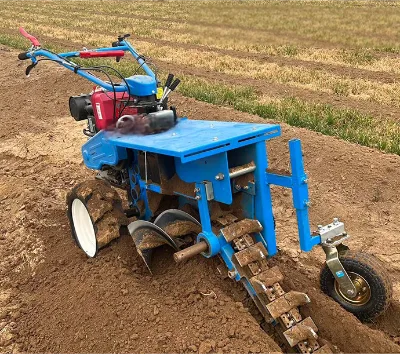
Multifunctional Orchard Ditching, Fertilization and Soil Covering Machine
$2000.00 - $2100.00
MOQ: 1 Pieces

Small Farm Trencher Orchard Ditcher 40 Cm Depth 40-70 Cm Width Trencher
$450.00 - $500.00
MOQ: 1 Pieces


New Design Mini Skid Steer and Farm Tractor Usage Attachment Digging Trenchers
$2399.00 - $2699.00
MOQ: 1 Pieces


Comprehensive Sourcing Guide
Snow Ready Trenching Tractor Sourcing Guide
Procuring a trenching attachment for a tractor requires careful alignment between the machine’s operational mechanics and the specific environmental conditions of the job site. While the core keyword suggests a focus on snow-ready trenching, the available market data indicates a broader category of agricultural and construction trenchers designed for soil excavation, ditching, and utility installation. Buyers must distinguish between wheel-type trenchers, which offer high-speed repeated digging, and chain trenchers, which provide continuous low-speed operation. Understanding these mechanical differences is critical for determining whether a unit is suitable for the hard, frozen ground often associated with winter trenching or if it is better suited for standard agricultural soil preparation.
The decision to source a tractor-mounted trencher involves evaluating the power transfer capabilities of the host vehicle and the structural integrity of the attachment itself. Most observed units rely on a tractor’s power take-off (PTO) or hydraulic systems, requiring a matching horsepower range to operate effectively. For instance, some models support tractors between 30-100 HP, while others require 60-150 HP. This variance dictates the size and type of tractor that must be acquired or utilized alongside the trencher. Buyers should verify that their existing fleet or planned purchases can deliver the necessary torque and hydraulic flow to drive the gear or chain mechanisms without overloading the tractor’s systems.
Product Scope and Observed Listing Signals
The current market for tractor-mounted trenchers presents a diverse range of configurations, primarily categorized by their digging mechanism and structural design. Wheel-type trenchers are characterized by a double-disc structure and a spiral blade arrangement, designed for high-speed, repeated insertion into the ground. These units typically achieve digging speeds between 150-600 meters per hour and are often used in agricultural settings for rapid ditch creation. In contrast, chain trenchers utilize a single-disc structure with a vertical shaft arbor configuration, offering a continuous running operation that is ideal for precise, linear trenching in construction applications. These chain-driven models generally operate at lower speeds, ranging from 80-500 meters per hour, allowing for greater control over trench depth and width.
Observed listing signals reveal significant variation in physical specifications and operational parameters across different suppliers. The number of blades or spiral elements can vary, with some units featuring 30 pieces of cutting hardware, while others rely on a continuous chain system. Trenching depths also differ substantially, with some models capable of reaching up to 2000mm (200cm), while others are limited to 1200mm. The working width of the trench bottom is another critical variable, with some units offering a fixed width of 25cm, while others provide adjustable widths ranging from 10-70cm. Buyers must carefully match these specifications to their project requirements, ensuring that the trench dimensions align with the intended utility or drainage needs.
Technical Specifications to Verify
When evaluating technical specifications, the drive type and traction mechanism are paramount for ensuring reliable performance in challenging terrain. Most observed trenchers utilize a gear drive system, which provides robust power transmission from the tractor to the digging mechanism. The traction type is typically listed as "traction," meaning the unit relies on the tractor’s pull or its own wheel-based movement to advance through the soil. For wheel-type trenchers, the moving way is explicitly wheel-based, whereas chain trenchers may also feature wheel mobility for repositioning. Buyers should verify that the drive system is compatible with their tractor’s PTO speed and that the traction mechanism can handle the resistance of the soil type, whether it is soft agricultural loam or compacted construction earth.
Depth and width capabilities must be cross-referenced with the physical dimensions of the trencher to ensure it fits within the operational constraints of the job site. The maximum trenching depth is a critical specification, with some models reaching 2000mm, which is essential for deep utility installations or frost-line trenching in colder climates. The working depth is often adjustable, allowing operators to fine-tune the excavation level. Additionally, the standard dimensions of the machine, such as 14509001200 mm or 150.00cm * 110.00cm * 90.00cm, determine the storage and transport requirements. Buyers should confirm that the trencher’s weight, which can be around 320 Kg, is within the lifting capacity of their handling equipment and that the unit’s footprint does not obstruct other site operations.
Compliance and Safety Documentation
Certification is a key indicator of compliance with regional safety and manufacturing standards, particularly for equipment imported from China. Many observed trenchers carry CE certification, which signifies conformity with health, safety, and environmental protection standards for products sold within the European Economic Area. Some listings also mention ECE certification, which relates to vehicle equipment regulations. Buyers must verify that the specific model they intend to purchase holds the necessary certifications for their target market, as non-compliant equipment may face import restrictions or fail to meet local safety inspections. It is advisable to request copies of the certification documents to ensure they are valid and applicable to the specific serial number or batch of the equipment.
Safety documentation should also include detailed operational manuals that outline the proper use of the trencher’s features, such as the adjustable working time and the high-speed or low-speed operation modes. The "high-speed repeatedly into a ditch" operation of wheel-type trenchers requires strict adherence to safety protocols to prevent blade entanglement or material ejection. Similarly, the "continuous running operation" of chain trenchers necessitates regular inspection of the chain tension and disc alignment. Buyers should ensure that the supplier provides comprehensive manuals in English, covering maintenance schedules, lubrication points, and emergency shutdown procedures. This documentation is essential for training operators and maintaining a safe working environment, especially when dealing with heavy machinery in confined or hazardous sites.
Cost Drivers and Commercial Terms
The price range for tractor-mounted trenchers is broad, reflecting the diversity in specifications, materials, and manufacturing complexity. Observed prices range from approximately $400 to $36,500 USD, with the lower end typically representing simpler, smaller-scale units or basic attachments, and the higher end corresponding to heavy-duty, deep-trenching models with advanced features. The cost is influenced by factors such as the material composition, with steel being a common material for durability, and the complexity of the drive system. Buyers should be aware that "affordable" pricing does not necessarily equate to lower quality, but it may indicate simpler construction or fewer customization options. It is crucial to compare the total cost of ownership, including shipping and potential import duties, rather than focusing solely on the unit price.
Minimum Order Quantity (MOQ) and shipping terms are significant commercial considerations that affect procurement strategy. The observed MOQ range is 1-20 pieces, with many suppliers offering an MOQ of just 1 PC, which is beneficial for small-scale buyers or those testing the market. Shipping methods vary, with sea freight being a common option for international orders, which can impact lead times and overall costs. Buyers should negotiate clear terms regarding packaging, as units may be shipped in iron boxes or wooden cases, depending on the model and supplier. Understanding these commercial terms helps in budgeting accurately and planning the logistics of receiving and installing the trencher at the job site.
Supplier Qualification and Quality Control
Supplier qualification is essential for ensuring the reliability and longevity of the trenching equipment. Many suppliers identify themselves as manufacturers, which can offer advantages in terms of customization and direct support. Customization is available for many models, allowing buyers to specify colors, dimensions, or specific operational parameters to suit their needs. However, buyers should verify the supplier’s production capabilities and quality control processes to ensure that the customized units meet the stated specifications. It is advisable to request product samples or conduct factory audits if the order volume justifies it, to assess the build quality of the steel components, the precision of the gear drives, and the overall assembly standards.
Quality control should also extend to the post-sale support and warranty terms provided by the supplier. Buyers should inquire about the availability of spare parts, such as replacement blades, chains, and gears, to minimize downtime in case of wear or damage. The "easy to operate" and "high efficiency" advantages claimed by suppliers should be validated through user reviews or case studies, if available. Additionally, buyers should confirm the supplier’s responsiveness to technical queries and their ability to provide troubleshooting assistance. Establishing a clear communication channel with the supplier ensures that any issues arising during the initial use of the trencher can be addressed promptly, protecting the buyer’s investment and operational continuity.
Long-Term Procurement Checks
Long-term procurement success depends on the ability to maintain and upgrade the trenching equipment over its lifecycle. Buyers should establish a routine maintenance schedule that includes regular inspection of the spiral blades or chain, lubrication of the gear drive, and checking the structural integrity of the double-disc or single-disc assemblies. The "adjustable working time" feature allows for optimized operation, but it requires periodic calibration to ensure accuracy. By adhering to a strict maintenance regimen, buyers can extend the lifespan of the trencher and maintain its performance efficiency, reducing the need for frequent replacements.
Furthermore, buyers should stay informed about advancements in trenching technology and changes in regulatory standards. As the market evolves, new models may offer improved efficiency, deeper trenching capabilities, or enhanced safety features. Regularly reviewing the supplier’s product catalog and engaging with industry networks can help buyers identify opportunities for upgrading their fleet. Additionally, monitoring the total cost of ownership, including energy consumption and maintenance expenses, allows for data-driven decisions regarding future procurement. By maintaining a proactive approach to equipment management and supplier relationships, buyers can ensure that their trenching operations remain efficient, compliant, and cost-effective in the long run.
FAQs
What is the maximum trenching depth for the chain trencher model?
The maximum trenching depth for the chain trencher model is 2000mm. This specification allows for deep excavation tasks in construction applications. Buyers should verify that their tractor's horsepower matches the machine's requirements to ensure optimal performance during deep digging operations.
Which tractor horsepower range is required for the wheel-type trencher?
The wheel-type trencher requires a tractor with 60 to 150 HP. This power range ensures the machine can operate effectively at speeds between 150 and 600 meters per hour. Matching the tractor's power output to the trencher's specifications is critical for maintaining consistent trenching depth and speed.
What is the working width range for the chain trencher?
The working width for the chain trencher is adjustable between 10 and 70 cm. This flexibility allows operators to customize the trench size for different utility installation needs. The adjustable width feature supports various project requirements without needing multiple machine configurations.
Can the trencher be customized for specific project requirements?
Yes, customization is available for these trenching machines. Buyers can request specific modifications to suit their operational needs. Customization options may include color adjustments or specific component configurations, ensuring the equipment aligns with the buyer's workflow and site conditions.
What is the standard packaging for the wheel-type trencher?
The wheel-type trencher is packed in an iron box. This packaging method provides robust protection during shipping and handling. The iron box ensures the machine arrives in good condition, minimizing the risk of damage to sensitive components like the gear drive and blades.
What is the minimum order quantity for the chain trencher?
The minimum order quantity for the chain trencher is 1 PC. This low MOQ allows buyers to test the equipment or fulfill small-scale project needs without committing to large inventory. It provides flexibility for both individual operators and small construction firms.
What is the operating speed range for the wheel-type trencher?
The wheel-type trencher operates at a speed range of 150 to 600 meters per hour. This high-speed capability is suitable for repeated ditching operations in agricultural fields. The speed range allows for efficient trenching over large areas, reducing overall project completion time.