Source Soap Mixing Machine for Pharmaceutical Food Chemical
Find 30 verified Soap Mixing Machine options for viscous fluids, powders, and liquids. Compare models with water cooling, stainless steel construction, and customizable capacities ranging from 8L to 500L from Chinese manufacturers.
Key considerations
Products List






Comprehensive Sourcing Guide
Strategic Sourcing Guide for Soap Mixing Machines
Procuring industrial mixing equipment for soap and detergent production requires a rigorous approach to technical verification and supplier validation. The market for soap mixing machines is characterized by a wide variance in capacity, material composition, and operational capabilities. Buyers must navigate a landscape where specific attributes like the mixing drum shape, cooling method, and homogenizer material directly impact the final product quality and production efficiency. This guide synthesizes observed market data and technical specifications to provide a structured framework for evaluating potential suppliers and selecting the right machinery for viscous fluid, powder, and liquid applications.
Technical Specifications and Operational Capabilities
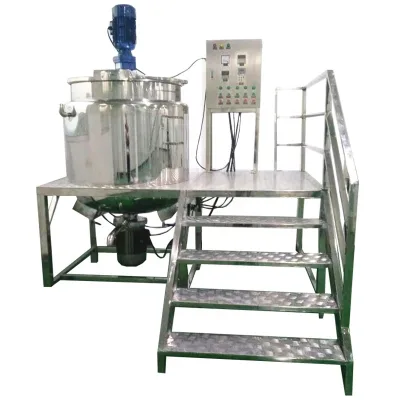
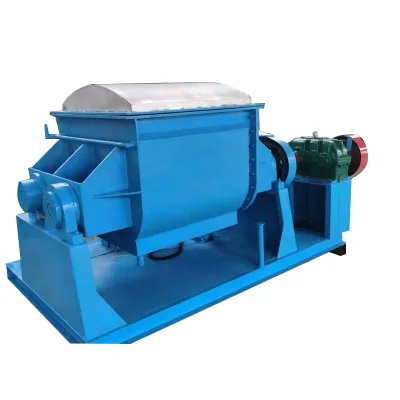
The core functionality of a Soap Mixing Machine is defined by its mechanical design and operational parameters. Based on current market observations, the primary mixing mechanism often utilizes a shear mixer or agitator type, designed to handle the high viscosity typical of soap bases. A critical observation in the current product landscape is the prevalence of the "Circular Groove" mixing drum shape. This geometry is specifically engineered to facilitate the movement of thick materials, ensuring that no dead zones exist where product could settle or degrade.
Power requirements are a significant factor in operational planning. Data indicates that units in this category often operate with a power rating of 2.2 kW, though larger industrial models may require higher inputs. The mixing speed is equally critical; observed ranges span from 1 to 1500 r.p.m., with specific models citing a mixing speed of 1400 rpm. This variable speed capability allows operators to adjust the shear force applied to the mixture, which is essential for achieving the desired consistency in liquid soap or detergent formulations.
The physical dimensions and capacity of the machine vary significantly depending on the production scale. While some compact units are designed for small-scale operations with a barrel volume of 100 liters, larger industrial systems are available with capacities ranging from 50 to 5000 liters. Specific model numbers observed in the market include the CYJX-8L and the SRJBJ series (SRJBJ-100, SRJBJ-300, SRJBJ-500). Buyers must verify the exact dimensions, as some listings provide standard measurements such as 22909602160mm for larger units, while others require direct consultation for custom dimensions. The weight of these machines also varies, with some compact units weighing around 100 kg and larger industrial configurations reaching weights of 951 kg or more.
Material Composition and Hygiene Standards
The material of construction is paramount in the soap and detergent industry, where product purity and resistance to corrosion are non-negotiable. The observed market data highlights a strong preference for stainless steel, specifically grades SUS304 and SUS316. The use of Food Grade Stainless Steel 316 for the homogenizer is a notable feature in high-end models, offering superior resistance to chemical attack and ensuring compliance with strict hygiene standards for food and pharmaceutical applications.
In addition to the main vessel, the mixing scraper is a critical component. Observations indicate the use of Polytetrafluoroethylene (PTFE) for mixing scrapers. This material choice is strategic; PTFE provides excellent non-stick properties, which is essential when processing viscous fluids that tend to adhere to metal surfaces. The main material composition often includes a combination of Stainless Steel, Cast Iron, Carbon Steel, Aluminum, and Alloy Steel, depending on the specific structural needs of the machine. Buyers should verify that all product-contact surfaces are made of the specified stainless steel grades to prevent contamination and ensure long-term durability.
Compliance, Certification, and Regulatory Adherence
Navigating the regulatory landscape is a vital step in the procurement process. The observed product listings frequently cite certifications such as ISO, CE, RoHS, and CCC. The presence of these certifications suggests that the machinery meets specific international standards for safety, quality management, and environmental compliance. However, buyers must treat these as observations rather than universal guarantees. It is imperative to request valid certification documents directly from the supplier to confirm that the specific unit being purchased holds the stated credentials.
The standard operating environment for these machines often aligns with ISO9001 quality management principles, though this should be verified against the specific factory's current status. For applications in the pharmaceutical, food, and daily chemical sectors, the machine must not only meet general safety standards but also adhere to industry-specific hygiene protocols. The inclusion of a machinery test report is a positive indicator of quality control, suggesting that the supplier conducts rigorous performance testing before shipment. Buyers should ensure that the test report covers the specific model and capacity they intend to purchase.
Cost Drivers and Pricing Structures
The pricing for soap mixing machines is highly variable, reflecting the diversity in capacity, material quality, and customization options. The observed price range in the market spans from 1 USD to 45,000 USD. This vast disparity is driven by several factors. First, the capacity of the machine is a primary cost driver; a 100-liter unit will naturally be priced lower than a 5000-liter industrial system. Second, the material grade significantly impacts cost; machines constructed entirely with SUS316 stainless steel will command a premium over those using SUS304 or mixed materials.
Customization is another major factor influencing the final price. The market data confirms that customization is available, allowing buyers to tailor the machine to specific production lines. This could include modifications to the control system, such as upgrading from a basic button control to a more advanced interface, or integrating additional capabilities like heating elements. The packaging method also plays a role in logistics costs; most units are shipped in export wooden cases or wooden boxes to protect the machinery during transit. Buyers should factor in these packaging requirements when calculating the total landed cost.
Typical Applications and Industry Versatility
Soap mixing machines are designed for a broad spectrum of applications, making them versatile assets for various manufacturing sectors. The primary application areas identified include the pharmaceutical, food, daily chemical, and general chemical industries. The machines are specifically engineered to handle viscous fluids, powders, and liquids, which covers the full range of soap production processes from raw material blending to final product homogenization.
The versatility of these machines is further enhanced by their ability to process different types of materials. Whether the application involves liquid detergent, liquid soap, or other chemical mixtures, the shear mixer and agitator mechanisms provide the necessary force to achieve a uniform blend. The inclusion of heating capabilities in some models allows for the processing of materials that require temperature control, such as melting solid soap bases before mixing. This multifunctional capability makes these machines suitable for small-scale craft soap production as well as large-scale industrial manufacturing.
Supplier Evaluation and Quality Assurance
Evaluating a supplier for soap mixing machinery requires a focus on after-sales support and technical expertise. The observed market data indicates that suppliers typically offer online support and video technical support as standard services. For more comprehensive assistance, some suppliers provide field installation, commissioning, and training services. These services are crucial for ensuring that the machine is installed correctly and that the operator is fully trained on its operation and maintenance.
Quality assurance should be a central part of the supplier selection process. Buyers should verify the supplier's ability to provide a machinery test report and confirm the warranty terms. A standard warranty period of 1 year is observed in the market, but buyers should negotiate terms that align with their risk tolerance. The condition of the machine is listed as "New," but buyers must ensure that the machine is manufactured to the latest standards and that all components are free from defects. The brand name "SHARE" appears in the market data, but buyers should not rely on brand recognition alone; instead, they should conduct due diligence on the specific manufacturing facility and its track record.
Long-Term Procurement and Maintenance Considerations
Long-term procurement success depends on understanding the maintenance requirements and the availability of spare parts. The core components of these machines, while listed generally as "Other," often include high-wear items like the mixing scraper and the homogenizer. Buyers should ensure that the supplier has a reliable supply chain for replacement parts, particularly for the PTFE scrapers and stainless steel components.
The control system is another area requiring long-term consideration. While many units feature a button control system, the potential for upgrading to more automated systems should be evaluated based on future production needs. The voltage requirements, observed as 220V/380V, must be compatible with the buyer's local power infrastructure. Finally, the origin of the machinery, often listed as China with specific origins in Henan, should be considered in the context of logistics and supply chain resilience. Buyers should establish clear communication channels with the supplier to ensure timely support and maintenance throughout the lifecycle of the equipment.
Conclusion
Sourcing a Soap Mixing Machine is a complex process that demands a thorough understanding of technical specifications, material standards, and supplier capabilities. By focusing on the observed data regarding mixing drum shapes, material grades, and certification standards, buyers can make informed decisions that align with their production goals. The wide range of capacities and customization options available in the market provides flexibility for businesses of all sizes. However, the key to success lies in rigorous verification of all claims, from certification documents to test reports, and in establishing a strong partnership with a supplier who offers robust after-sales support. Through careful evaluation and strategic planning, buyers can secure machinery that ensures high-quality output and operational efficiency in the competitive soap and detergent industry.
FAQs
What certifications do soap mixing machines typically hold?
Soap mixing machines typically hold ISO and CE certifications. Some listings also include RoHS, CCC, and ISO9001 standards. Buyers should request valid certification documents directly from the supplier to confirm that the specific unit being purchased holds these credentials.
Which materials are used for the mixing drum and homogenizer?
The mixing drum and homogenizer are commonly made from Food Grade Stainless Steel 316 or SUS304. The mixing scraper often uses Polytetrafluoroethylene to prevent sticking. Buyers must verify that all product-contact surfaces match these specified grades to ensure hygiene and durability.
Can the machine handle viscous fluids and powders?
Yes, the machine is designed to handle viscous fluids, powders, and liquids. It utilizes a shear mixer or agitator mechanism with a circular groove drum shape. This design ensures effective mixing without dead zones for applications in the pharmaceutical, food, and chemical industries.
What is the available capacity range for these machines?
Available capacities range from 50 to 5000 liters depending on the model. Specific models include the CYJX-8L and SRJBJ series with volumes like 100, 300, and 500 liters. Buyers should verify exact dimensions and weight as some units require direct consultation for custom sizing.
How is the machine packaged for export?
The machine is typically packed in export wooden cases or wooden boxes. This packaging method protects the machinery during transit and is standard for units originating from China. Buyers should factor in these packaging requirements when calculating the total landed cost for their procurement.
What after-sales services are provided by suppliers?
Suppliers typically provide online support and video technical support as standard services. Some vendors also offer field installation, commissioning, and training services. A standard warranty period of 1 year is observed, but buyers should negotiate terms that align with their specific risk tolerance.
What is the power consumption and speed range?
Units often operate with a power rating of 2.2 kW. The spindle speed ranges from 1 to 1500 r.p.m., with specific models citing 1400 rpm. This variable speed capability allows operators to adjust shear force for achieving the desired consistency in liquid soap or detergent formulations.