Source Sofa Cover Fabric for Upholstery, Furniture, and Decor
Compare 30 verified Sofa Cover Fabric options from Chinese manufacturers. Buyers can evaluate materials like polyester and nylon, check abrasion resistance, and review customization availability for upholstery and furniture applications; compare the available evidence and request quotations based on your requirements.
Key considerations
Products List


$1.50 - $2.00
MOQ: 5000 Meters


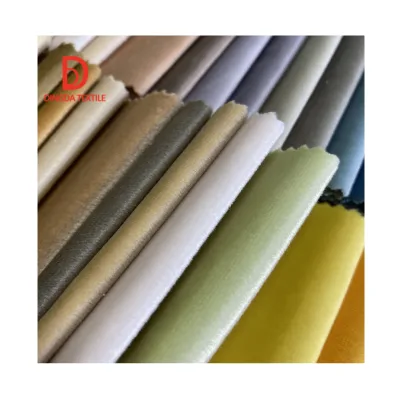


Super Soft Velvet Sofa Cover Polyester Fabric for Home Textile Furniture -Velvet
$1.76 - $1.84
MOQ: 1000 Meters


Comprehensive Sourcing Guide
Sofa Cover Fabric Sourcing Guide
Sourcing high-quality Sofa Cover Fabric requires a strategic balance between aesthetic durability and functional performance. Buyers must navigate a diverse market where materials range from standard polyester blends to specialized synthetic fibers designed for heavy-use environments. The primary objective is to identify suppliers who can consistently deliver textiles that withstand mechanical stress while maintaining colorfastness and structural integrity over time. This guide outlines the critical verification steps necessary to mitigate risk and ensure that selected fabrics meet both commercial and residential standards.
Procurement teams should prioritize suppliers who offer transparent technical data sheets and clear customization options. The market includes various fabric types, from plain dyed weaves to complex jacquard patterns, each serving different design and utility needs. Understanding the specific requirements of the end product, such as upholstery versus decorative covers, is essential for selecting the right material composition. This approach ensures that the final product aligns with brand expectations and customer demands for longevity and visual appeal.
Product Scope and Observed Listing Signals
The current market landscape for sofa cover fabrics exhibits a wide variance in product specifications and commercial terms. Observed listings indicate a price range from $0.28 to $2,600, reflecting differences in material quality, production complexity, and order volume. Minimum order quantities (MOQs) typically span from 1 to 5,000 units, allowing flexibility for both small-scale prototyping and large-volume manufacturing. Buyers should carefully evaluate these signals to determine which suppliers align with their production capacity and budget constraints.
Product attributes vary significantly across suppliers, with common materials including 100% polyester and polyamide fibers. Some listings highlight specific features such as anti-slip, wrinkle-resistant, and high-strength properties, which are crucial for upholstery applications. Models like XY963 and ATA-H0205 demonstrate the diversity in available options, with widths ranging from 145cm to 57/58 inches. Understanding these variations helps buyers narrow down their search to fabrics that meet specific dimensional and functional requirements for their sofa designs.
Technical Specifications to Verify
Verifying technical specifications is paramount to ensuring the fabric meets performance expectations. Key attributes to confirm include fiber type, weave structure, and width dimensions. For instance, some fabrics are specified as 75D/148f polyester with a width of 145cm, while others may be 57/58 inches wide. Buyers must ensure that the selected fabric’s width accommodates their pattern layout and minimizes waste. Additionally, confirming the fabric’s weight and density is essential for predicting drape and durability in finished upholstery products.
Abrasion resistance and colorfastness are critical performance indicators for sofa covers. Listings may cite Martindale test results, with some fabrics enduring over 20,000 or even 100,000 double rubs. Buyers should request test reports to validate these claims, as higher abrasion resistance correlates with longer product life. Furthermore, verifying light fastness ratings, such as 1,000-hour exposure, ensures that the fabric will not fade prematurely when exposed to sunlight. These technical validations provide confidence in the fabric’s suitability for high-traffic environments.
Compliance and Safety Documentation
Compliance with safety and environmental standards is increasingly important in the textile industry. Buyers should inquire about certifications such as OEKO-TEX, which ensures the fabric is free from harmful substances. While specific certification status may vary by supplier, requesting documentation is a standard due diligence step. This verification helps mitigate legal risks and aligns with consumer expectations for safe, non-toxic home furnishings.
Fire, water, and stain resistance treatments are also key compliance areas for upholstery fabrics. Some suppliers offer treatments that enhance the fabric’s durability against common household hazards. Buyers should verify the effectiveness and longevity of these treatments through independent testing or supplier guarantees. Ensuring that the fabric meets relevant fire safety regulations is crucial, particularly for commercial furniture applications. This proactive approach to compliance protects both the brand and the end-user.
Cost Drivers and Commercial Terms
Several factors influence the cost of sofa cover fabrics, including material composition, production complexity, and order volume. Customization options, such as specific colors or patterns, can increase costs due to setup fees and lower economies of scale. Buyers should negotiate clear pricing structures that account for these variables. Understanding the cost drivers helps in budgeting accurately and avoiding unexpected expenses during the procurement process.
Commercial terms, including lead times and payment conditions, also impact the overall cost of procurement. Typical lead times may range from 25 to 30 days, depending on the supplier’s capacity and order size. Buyers should establish clear delivery schedules and penalty clauses for delays to maintain supply chain stability. Additionally, exploring flexible payment terms can improve cash flow management. These commercial negotiations are essential for building a sustainable and efficient sourcing strategy.
Supplier Qualification and Quality Control
Qualifying suppliers involves assessing their production capabilities, quality control processes, and track record. Buyers should request samples to evaluate fabric quality firsthand, checking for consistency in color, texture, and strength. Visiting manufacturing facilities or conducting third-party audits can provide deeper insights into the supplier’s operational standards. This due diligence helps identify partners who can consistently meet quality expectations and deliver on time.
Implementing robust quality control measures is crucial for maintaining product integrity. Buyers should define clear acceptance criteria for fabric defects, such as weaving errors or color inconsistencies. Regular inspections during production and before shipment can catch issues early, reducing the risk of costly returns or rework. Establishing a feedback loop with suppliers ensures continuous improvement and addresses any recurring quality concerns. This proactive quality management strengthens the buyer-supplier relationship and enhances product reliability.
Long-Term Procurement Checks
Long-term procurement success depends on continuous monitoring and relationship management. Buyers should regularly review supplier performance metrics, including on-time delivery rates, defect rates, and responsiveness to issues. Periodic audits and performance reviews help identify areas for improvement and ensure that suppliers remain aligned with evolving business needs. This ongoing evaluation fosters a collaborative environment focused on mutual growth and quality enhancement.
Adapting to market changes and technological advancements is also vital for long-term competitiveness. Buyers should stay informed about new fabric innovations, such as sustainable materials or enhanced performance treatments. Engaging with suppliers on future product development can lead to exclusive offerings and competitive advantages. By maintaining a flexible and forward-thinking procurement strategy, buyers can ensure their sofa cover fabrics remain relevant and high-quality in a dynamic market.
FAQs
What materials are used for Sofa Cover Fabric?
Sofa cover fabrics are primarily made from 100% polyester or polyamide fiber (nylon). These synthetic materials offer high strength and durability for upholstery. Some options include plain dyed polyester or yarn-dyed jacquard styles. The choice depends on desired texture, abrasion resistance, and specific application requirements for home furniture.
How wide is the standard Sofa Cover Fabric roll?
Standard widths for Sofa Cover Fabric typically range from 145cm to 57/58 inches. Specific models may offer 145cm width for broader coverage, while others provide 57/58 inches for versatile cutting. Buyers should verify the exact width for their project to ensure efficient material usage and proper fit for different sofa dimensions.
Can Sofa Cover Fabric be customized for specific needs?
Yes, customization is available for many sofa cover fabrics. Buyers can request specific colors, patterns, or technical treatments like fire, water, or oil resistance. Custom packaging and standard specifications can also be adjusted. This flexibility allows for tailored solutions that meet unique design aesthetics and functional performance requirements for upholstery projects.
What is the minimum order quantity for Sofa Cover Fabric?
Minimum order quantities vary by supplier and product model. Some suppliers require 5,000 meters, while others accept orders as low as 50 or 100 meters. Buyers should check specific product listings for exact MOQs. Make-to-order supply types are common, allowing for flexible procurement based on project scale and inventory needs.
How durable is the upholstery fabric for sofas?
Upholstery fabrics are tested for abrasion resistance using the Martindale method. High-quality options withstand over 20,000 double rubs, with some premium fabrics exceeding 100,000 double rubs. Features like anti-pilling and wrinkle resistance enhance longevity. These metrics ensure the fabric maintains its appearance and structural integrity under regular household use and friction.
Where is Sofa Cover Fabric typically manufactured?
Sofa cover fabrics are commonly manufactured in China, particularly in regions like Zhejiang, Haining, Jiaxing, and Hangzhou. These areas are known for textile production capabilities. Buyers sourcing from these locations can access a wide variety of polyester and nylon fabrics with established supply chains and competitive pricing for global distribution.