Source Soft Close Anti-Rust Furniture Hinges for Kitchen, Bathroom, and Office
Find 30 listings for soft close anti-rust furniture hinges suitable for kitchen, bathroom, and office applications. Buyers can compare specifications like material, finish, and durability tests from suppliers in Guangdong, China.
Key considerations
Products List


Furniture Hardware Concealed Soft Close Cabinet Door Stainless Steel Hinges
$0.01 - $0.70
MOQ: 5000 Pieces

Soft Closing Hydraulic Cabinet Concealed Door Hinge Furniture Hardware Hinges
$0.01 - $0.70
MOQ: 5000 Pieces

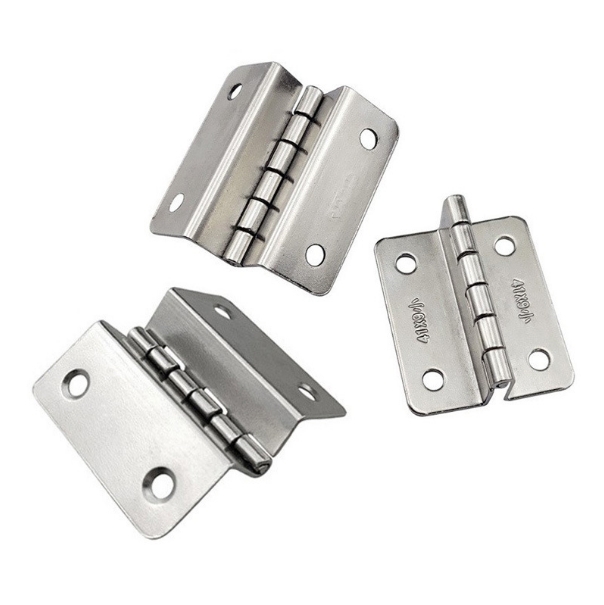


Wholesale Wood Furniture Door Metal Concealed Hydraulic Soft Close Hinge
$0.43 - $0.44
MOQ: 10000 Pieces

Manufacturer Furniture Hinge Hydraulic Soft Closing Hinge for Furniture
$0.46 - $0.48
MOQ: 10000 Pieces


Furniture Hardware Fitting 45 Degree Soft Close Hinge for Door/Cabinet
$0.22 - $0.24
MOQ: 20000 Pieces
Comprehensive Sourcing Guide
Strategic Sourcing Guide for Soft Close Anti-Rust Furniture Hinges
Understanding Core Technical Specifications and Material Integrity
When sourcing soft close anti-rust furniture hinges, the primary objective is to identify components that balance mechanical durability with corrosion resistance. The market offers a diverse array of specifications, and buyers must navigate these variations carefully to ensure the selected hardware meets the specific demands of their furniture designs. A critical observation in the current supply landscape is the prevalence of iron as a base material for many hinge models. While iron provides the necessary structural strength for heavy-duty applications, it is inherently susceptible to rust without adequate surface treatment. Consequently, the "anti-rust" claim in product descriptions must be substantiated by the specific finishing processes applied to the metal substrate.
The finishing process is a decisive factor in the longevity of the hinge. In the observed product data, nickel plating is a documented finish type. Nickel serves as a robust barrier against oxidation, effectively enhancing the anti-rust properties of the iron base. However, buyers should not assume that all listed products utilize this specific finish. Some listings indicate a silver color, which may result from different plating or coating methods, while others may rely on zinc alloy or stainless steel compositions. The material composition varies significantly across suppliers, with some products explicitly listing stainless steel, zinc alloy, or aluminum alloy alongside iron. For applications in high-moisture environments such as bathrooms or outdoor settings, the material choice becomes paramount. A hinge made of iron with a nickel finish may suffice for interior cabinetry, but an outdoor application might necessitate a stainless steel or aluminum alloy construction to withstand environmental exposure without degradation.
Another critical technical specification is the hinge cup depth and the overlay type. The data indicates a hinge cup depth ranging from 11.3mm to 11.5mm, with a standard cup diameter of 35mm. These dimensions are essential for compatibility with cabinet doors and frames. The overlay type, which determines how the door sits relative to the cabinet frame, is also a key variable. Listings show options for full overlay, half overlay, and insert configurations. Selecting the wrong overlay type can lead to improper door alignment or functional interference. Furthermore, the angle of the hinge is a specific mechanical attribute that must be matched to the furniture design. While some models are designed for a 135° opening angle, others may offer a 180° opening capability. Buyers must verify the specific angle requirement for their project, as a 135° hinge will not allow a door to open fully flat against a wall, which might be necessary for certain kitchen or office layouts.
Compliance Verification and Certification Standards
In the B2B procurement of hardware components, compliance and certification serve as the primary indicators of supplier reliability and product quality. The "soft close anti-rust" attribute is often a marketing claim that requires verification through independent testing and adherence to recognized standards. The provided product data highlights specific certifications, including SGS testing and ISO 9001 compliance. These are high-confidence indicators that a supplier has undergone third-party quality audits and that their products have passed specific performance tests. SGS certification, in particular, suggests that the product has been evaluated for material composition, finish durability, and mechanical function.
However, buyers must exercise caution when interpreting certification claims. Not every product listing includes these specific certifications, and the presence of a certification on one model does not guarantee that all models from the same supplier meet the same standards. The data also references a product standard described as "all," which is ambiguous and requires clarification. Buyers should request specific documentation for the model they intend to purchase, rather than relying on general statements. Additionally, while the data mentions a standard related to hole dimensions (486mm; 459.5mm), this refers to the drilling pattern rather than a performance standard. It is crucial to distinguish between dimensional standards and performance standards.
For soft close mechanisms, the durability of the damping system is a critical compliance factor. The observed data includes a "Cycling Test" and "Open-Close Durability Test" result of 50,000 times. This figure represents the number of open-and-close cycles the hinge is designed to withstand before failure. While 50,000 cycles is a strong benchmark for residential furniture, buyers should verify if this test was conducted under specific load conditions or if it represents an ideal laboratory result. The absence of a specific standard number like EN 15570 in the high-confidence facts suggests that buyers should not assume this European standard applies to all products unless explicitly confirmed by the supplier. Instead, the focus should be on the actual test data provided, such as the 50,000-cycle rating, and ensuring that the supplier can provide a test report that validates this claim for the specific batch being ordered.
Cost Drivers and Pricing Structure Analysis
The pricing of soft close anti-rust furniture hinges is influenced by a complex interplay of material costs, manufacturing complexity, and order volume. The observed price range in the market spans from $0.01 to $14 per unit, a wide disparity that reflects the diversity of product quality and specifications. The lower end of this spectrum typically corresponds to basic iron hinges with standard finishes and minimal packaging, while the higher end likely includes premium materials like stainless steel, advanced soft-close mechanisms, and specialized packaging.
One of the most significant cost drivers is the material composition. Hinges made from stainless steel or aluminum alloy generally command a higher price than those made from iron due to the raw material costs and the additional processing required to ensure corrosion resistance. The finishing process also impacts cost; nickel plating is more expensive than basic painting or electroplating. Furthermore, the complexity of the soft-close mechanism itself adds to the manufacturing cost. A hinge with a high-quality hydraulic damper that ensures smooth, silent closing is more expensive to produce than a basic mechanical hinge.
Order volume plays a critical role in the final unit price. The observed Minimum Order Quantity (MOQ) ranges from 1 to 20,000 units. Suppliers often offer tiered pricing structures where the unit cost decreases significantly as the order volume increases. For buyers with small order requirements, the unit price may be at the higher end of the observed range, but the flexibility of accepting small orders is a valuable service. Conversely, large-volume buyers can leverage their purchasing power to negotiate prices closer to the lower end of the spectrum. However, buyers must be wary of extremely low prices, as they may indicate compromised quality, such as inferior materials or a lack of proper anti-rust treatment.
Packaging and logistics also contribute to the overall cost. The data shows various packaging options, including plastic bags, blister packs, and carton boxes. Some listings specify a quantity of 200 pieces per carton, while others mention 200 pieces per plastic bag. The choice of packaging affects the shipping weight and volume, which in turn influences freight costs. Additionally, the condition of the product, whether new or used, can impact pricing. While most B2B transactions involve new products, the presence of "used" items in the data suggests a secondary market that buyers should generally avoid for critical furniture applications due to the uncertainty of remaining lifespan and potential wear.
Typical Applications and Usage Scenarios
The versatility of soft close anti-rust furniture hinges allows them to be deployed across a wide range of applications, from residential kitchens to commercial office spaces. The observed product data lists diverse application areas, including kitchens, bathrooms, home offices, living rooms, courtyards, and even outdoor settings. This broad applicability underscores the importance of matching the hinge specifications to the specific environmental conditions of the intended use.
In residential settings, such as kitchens and bathrooms, moisture resistance is a primary concern. Hinges used in these areas must be capable of withstanding high humidity and frequent exposure to water. The anti-rust properties, achieved through nickel plating or the use of stainless steel, are essential to prevent corrosion that could lead to hinge failure and door misalignment. The 50,000-cycle durability test is particularly relevant here, as kitchen cabinets and bathroom vanities are subjected to frequent opening and closing throughout the day.
Commercial and institutional environments, including offices, hospitals, hotels, and schools, present different challenges. These settings often require hinges that can withstand heavy usage and potential abuse. The "Full Overlay" and "Half Overlay" options are common in these applications, allowing for seamless integration with various cabinet designs. The durability of the soft-close mechanism is crucial in these environments to prevent slamming, which can damage the furniture and create noise disruptions. The data indicates that these hinges are suitable for use in apartments, villas, warehouses, and workshops, highlighting their adaptability to different structural requirements.
Outdoor applications, such as courtyards and exterior doors, demand the highest level of corrosion resistance. Hinges used in these settings must be able to withstand rain, wind, and temperature fluctuations. While the data mentions outdoor usage, buyers should be particularly diligent in verifying the material composition and finish quality for these applications. A standard iron hinge with a basic finish may not be sufficient for long-term outdoor use, and a stainless steel or aluminum alloy construction would be preferable. The "180° Hinge" type mentioned in the data is particularly useful for applications requiring full door opening, such as exterior access doors or large storage units.
Supplier Evaluation and Quality Control Protocols
Evaluating suppliers for soft close anti-rust furniture hinges requires a systematic approach that goes beyond simply comparing prices. Buyers should prioritize suppliers who provide transparent information about their manufacturing processes, material sourcing, and quality control measures. The presence of certifications like SGS and ISO 9001 is a positive indicator, but buyers should verify the validity of these certifications and ensure they apply to the specific products being ordered.
One key aspect of supplier evaluation is the ability to provide detailed product specifications. The data shows a variety of model numbers, such as Dy90h-1215, DY90H-0713, and BS003-S. Buyers should request technical datasheets for these specific models to confirm dimensions, material composition, and performance ratings. The "More details: please contact us" note in the data suggests that some suppliers may require direct communication to provide comprehensive information. This interaction is an opportunity for buyers to assess the supplier's responsiveness and technical expertise.
Quality control protocols are another critical factor. Buyers should inquire about the supplier's internal testing procedures, particularly regarding the soft-close mechanism and anti-rust properties. The observed 50,000-cycle test result is a good benchmark, but buyers should ask for the specific test conditions and whether the results are representative of the production batch. Additionally, the supplier's ability to handle customizations, such as specific hole sizes or finishes, is important for projects with unique requirements. The data indicates that customization is available, but buyers should confirm the lead times and any additional costs associated with custom orders.
The location of the supplier, primarily Guangdong, China, is a relevant factor for logistics and supply chain management. Buyers should consider the lead times and shipping costs associated with sourcing from this region. The data mentions a lead time of "please contact us" for some items, indicating that lead times may vary based on order volume and customization. Buyers should establish clear communication regarding delivery schedules to avoid delays in their production or installation timelines.
Long-Term Procurement Considerations and Sustainability
Sourcing soft close anti-rust furniture hinges is not just a one-time transaction but part of a long-term procurement strategy. Buyers should consider the total cost of ownership, which includes not only the initial purchase price but also the maintenance, replacement, and potential downtime costs associated with hinge failure. High-quality hinges with robust anti-rust properties and durable soft-close mechanisms can significantly reduce long-term maintenance costs by extending the lifespan of the furniture.
Sustainability is also becoming an increasingly important consideration in B2B procurement. Buyers should evaluate the environmental impact of the materials used in the hinges. For example, stainless steel and aluminum alloy are recyclable materials, and their use can contribute to a more sustainable product lifecycle. Additionally, the packaging materials should be considered; options like carton boxes and plastic bags vary in their environmental footprint. Buyers should inquire about the supplier's packaging practices and whether they offer eco-friendly alternatives.
The flexibility of the supplier to accommodate changing market demands is another long-term consideration. The data shows that suppliers accept small orders, which can be beneficial for buyers who need to test new designs or respond to fluctuating demand. However, for large-scale projects, buyers should ensure that the supplier has the capacity to scale production without compromising quality. The ability to provide consistent quality over time is essential for maintaining the reputation of the furniture manufacturer or retailer.
Finally, buyers should establish a strong relationship with their supplier to facilitate ongoing collaboration and innovation. Regular communication can help identify new product developments, such as improved soft-close mechanisms or more advanced anti-rust treatments. By staying informed about industry trends and technological advancements, buyers can ensure that their procurement strategy remains competitive and aligned with market expectations. The "Customized" attribute observed in the data suggests that suppliers are willing to work with buyers to develop tailored solutions, which can be a valuable asset for projects with unique requirements.
FAQs
What certifications do soft close anti-rust furniture hinges have?
High-confidence facts indicate SGS testing and ISO 9001 compliance are available for these hinges. Buyers should verify specific documentation for the intended model rather than assuming all listings meet these standards.
Which materials are used for soft close anti-rust furniture hinges?
Common materials include iron, stainless steel, zinc alloy, and aluminum alloy. Iron requires nickel plating for rust resistance, while stainless steel offers superior durability for outdoor or high-moisture environments.
How durable are soft close anti-rust furniture hinges?
Test results show an open-close durability of 50,000 cycles for specific models. This benchmark indicates suitability for residential use, though buyers should confirm load conditions for heavy commercial applications.
Can I find customized soft close anti-rust furniture hinges?
Customization is available for these hinges, allowing for tailored specifications. Buyers should contact suppliers directly for details on custom dimensions, finishes, or packaging requirements to ensure compatibility.
What is the typical MOQ for soft close anti-rust furniture hinges?
The observed minimum order quantity ranges from 1 to 20,000 units depending on the supplier. Small orders are accepted, but larger volumes often secure better pricing tiers.
Where are soft close anti-rust furniture hinges manufactured?
Products originate from Guangdong, China, with some listings specifying the broader China region. Buyers should verify the specific place of origin to ensure compliance with regional shipping or trade requirements.