Source Soft Custom Plush Rabbit Toy for Gifts, Promotions, and Decor
Find 30 listings for the Soft Custom Plush Rabbit Toy, comparing features like eco-friendly materials, sewing processes, and customizable options. Buyers can review specifications including size, filling, and certifications to select suitable items for gifts, promotions, and decorative purposes.
Key considerations
Products List


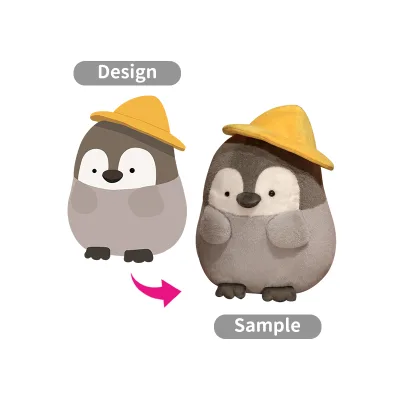


Super Soft Creative Mini Plush Rabbit Toy High Quality Custom Plush Keychain
$1.99 - $4.99
MOQ: 20 pieces


Super Soft Comfortable Cute New Stuffed Plush Holiday Gift Stuffed Rabbit Toy
$2.30 - $2.60
MOQ: 1000 Pieces
Comprehensive Sourcing Guide
Strategic Sourcing Guide for Soft Custom Plush Rabbit Toys
The global market for soft custom plush rabbit toys represents a significant opportunity for B2B buyers seeking versatile promotional items, gift products, and retail inventory. These items are characterized by their high degree of customization, ranging from specific animal types to unique color palettes and functional attributes. For procurement professionals, navigating this category requires a disciplined approach to verifying technical specifications, understanding compliance landscapes, and evaluating supplier capabilities without relying on unverified marketing claims. The following guide outlines the critical factors for sourcing these products effectively, grounded in observed market data and standard industry practices.
Technical Specifications and Product Attributes
Understanding the precise technical attributes of a plush rabbit toy is the first step in defining a successful procurement strategy. The core product is identified as a stuffed rabbit plush toy, typically falling under the "Animals" shape category with a "Cute" or "Soft toy" style. The physical dimensions are a critical variable; observed data indicates height ranges between 31cm and 50cm, allowing buyers to select sizes appropriate for different use cases, from small keychain accessories to larger decorative ornaments.
The construction of these toys relies heavily on specific material combinations. The primary outer material is consistently described as plush, soft plush, or plush fabric, often supplemented by cotton or long plush textures. The internal filling is a crucial determinant of the toy's feel and durability, with common options including PP cotton, foam particles, and synthetic fibers. The lining material is frequently polyester, which provides structural integrity. The manufacturing process involves a combination of sewing and machine production, with specific techniques such as embroidery used for facial features.
Buyers must also account for the variety of poses and functional designs available. While the standard pose is often "Sitting," "Standing" configurations are also prevalent. Functional attributes extend beyond simple decoration; these toys are marketed for stress relief, as comforters, and as decorative ornaments. Some models feature moving ears or are designed as anime accessories. The color spectrum is extensive, encompassing standard shades like pink, black, gray, white, red, and blue, as well as specialized options like gold, silver, and transparent finishes. This diversity supports the "Universal" suitability of the product for various demographics, including boys, girls, and unisex markets.
Compliance, Certification, and Safety Standards
In the B2B sector, compliance is not merely a formality but a prerequisite for market access, particularly in regions with strict consumer protection laws. When sourcing soft custom plush rabbit toys, buyers must verify that suppliers possess valid documentation for product and management certifications. Observed data highlights specific certifications that are often associated with this product category, including CE, ROHS, and CPC for the products themselves. For management systems, BSCI, ISO, and SEDEX are frequently cited indicators of ethical and operational standards.
However, buyers should exercise caution regarding safety standards. While some market listings may reference standards such as EN71, ASTM F963, or OEKO-TEX, these are not universally guaranteed for every listed product in the absence of specific test reports. The age group for these toys is generally listed as 0+, which implies a high bar for safety regarding small parts, flammability, and chemical content. Consequently, procurement teams must request current third-party test reports to verify compliance with the specific regulations of the target import market, rather than relying solely on the supplier's general certification claims.
Verification of the "Eco-Friendly" feature, often listed as a product attribute, should also be approached with due diligence. While the product is described as eco-friendly, buyers should inquire about the specific materials or processes that contribute to this claim, such as the use of recycled fibers or non-toxic dyes, to ensure the claim aligns with the buyer's corporate sustainability goals.
Cost Drivers and Pricing Dynamics
The pricing structure for soft custom plush rabbit toys is influenced by several interconnected variables. The observed price range in the market spans from 0.5 to 9 USD, a wide spectrum that reflects differences in size, material quality, customization complexity, and order volume. The primary cost driver is the customization level. Standard, off-the-shelf models in common colors like pink or white will typically fall at the lower end of the price spectrum. Conversely, custom designs involving unique molds, specific embroidery patterns, or specialized filling materials will command higher prices.
Order volume is another significant factor. The Minimum Order Quantity (MOQ) varies, with observed ranges from 1 to 1000 units, though a specific high-confidence data point indicates an MOQ of 500 pieces per style for certain configurations. This suggests that while small orders may be accepted, the most competitive unit pricing is usually reserved for orders meeting or exceeding the 500-piece threshold. Buyers should also consider the impact of packaging requirements. Options range from simple polybags to branded boxes, with packaging costs varying based on the complexity of the design and the quantity of cartons required.
Lead times also indirectly affect cost. The standard delivery time is observed between 25 and 35 working days, with sample times ranging from 5 to 7 working days. Expedited shipping or rush production requests often incur premium charges. Furthermore, the loading port, typically Shenzhen or Guangzhou, influences logistics costs. Buyers should factor in freight charges and potential tariffs when calculating the total landed cost, as these can significantly impact the final price per unit.
Typical Applications and Market Segmentation
Soft custom plush rabbit toys serve a diverse array of applications, making them a versatile choice for various B2B sectors. The primary use cases include toys, gifts, and promotional items. In the promotional sector, these toys are frequently utilized as holiday gifts, party favors, or corporate giveaways. The "Universal" suitability allows them to be marketed for occasions ranging from casual daily use to formal events, weddings, and travel.
The product's function as a stress relief tool and comforter opens up opportunities in the healthcare and wellness sectors, where such items are used for therapeutic purposes. Additionally, the "Collects toy" attribute suggests a potential market among collectors and enthusiasts, particularly for models with unique designs or limited edition colors. The "Anime accessories" classification indicates a niche market for fans of specific media franchises, where custom plush toys serve as merchandise.
The target audience is broad, covering all age groups from 0+ upwards. The gender specification includes girls, boys, and unisex categories, ensuring a wide market reach. This versatility makes the product suitable for retailers, event planners, and corporate buyers looking for high-value, low-risk promotional items. The "General Union" brand name observed in some listings suggests that generic branding is common, allowing buyers to easily apply their own logos or branding to the product.
Supplier Evaluation and Operational Capabilities
Selecting the right supplier requires a thorough evaluation of their operational capabilities and reliability. Key indicators of a capable supplier include their processing methods, which should align with the buyer's quality expectations. The combination of hand-made and machine production suggests a balance between craftsmanship and efficiency. Buyers should verify the supplier's capacity to handle the required volume, especially given the 500-piece MOQ for specific styles.
The origin of the product is a critical factor, with Guangdong, China, identified as a primary production hub. This region is known for its extensive textile and toy manufacturing infrastructure. Buyers should confirm the specific location within this region to assess logistics efficiency. The loading ports of Shenzhen or Guangzhou are standard, facilitating export to global markets.
When evaluating suppliers, buyers must look for evidence of the claimed management certifications, such as BSCI and SEDEX, which indicate adherence to labor and ethical standards. The ability to provide samples within the 5-7 working day window is a strong indicator of operational efficiency. Furthermore, the supplier's willingness to accept small orders, as noted in the data, can be a significant advantage for buyers testing the market before committing to large volumes.
Quality Control and Long-Term Procurement
Implementing a robust quality control (QC) protocol is essential for maintaining product integrity. Given the "Eco-Friendly" and "Soft" attributes, buyers should establish clear acceptance criteria for material softness, stitching quality, and filling distribution. The use of PP cotton and synthetic fibers requires checks to ensure the filling is evenly distributed and does not clump, which can affect the toy's appearance and feel.
For long-term procurement, building a sustainable relationship with the supplier is key. This involves consistent communication regarding design changes, material sourcing, and production schedules. Buyers should maintain a clear record of the product specifications, including model numbers like M101033, MU100001, and MU10117, to ensure consistency across orders. The ability to customize the product, such as changing colors or adding specific features like moving ears, should be formalized in the contract to prevent misunderstandings.
Finally, buyers should plan for the entire product lifecycle, from initial sampling to final delivery. The 25-35 working day delivery time should be factored into inventory planning to avoid stockouts. By adhering to these structured sourcing principles, buyers can effectively navigate the market for soft custom plush rabbit toys, ensuring they receive high-quality products that meet their specific business needs while maintaining compliance and cost efficiency.
Comparative Analysis of Product Variants
To assist in decision-making, the following table summarizes key attributes of the observed product variants. This comparison highlights the diversity in specifications that buyers may encounter.
| Attribute | Variant A (Pink Rabbit) | Variant B (Plush Mascot) | Variant C (Unicorn) |
|---|---|---|---|
| Model Number | M101033 | MU100001 | MU10117 |
| Primary Color | Pink | Black, Gray, White, etc. | Multi-color |
| Pose | Sitting | Standing | Standing |
| Filling | PP Cotton | Foam, PP Cotton, Synthetic | PP Cotton |
| Certifications | CE, ROHS, CPC | CE, ROHS, CPC | CE, ROHS, CPC |
| Height | 31cm-50cm | 31cm-50cm | 31cm-50cm |
| Customization | Available | Available | Available |
This table illustrates that while the core attributes remain consistent, specific model numbers and design details vary. Buyers should use these identifiers to ensure they are ordering the exact specifications required for their specific market segment.
FAQs
What are the typical dimensions for soft custom plush rabbit toys?
The height typically ranges between 31cm and 50cm, allowing selection for various uses. This size variation supports applications from small keychain accessories to larger decorative ornaments suitable for different age groups.
Can buyers customize the color and style of these plush toys?
Customization is available with a wide color spectrum including pink, black, gray, and transparent options. Buyers can select from styles like sitting or standing poses to match specific promotional or gift requirements.
What certifications are commonly associated with these soft plush rabbit toys?
Product certifications often include CE, ROHS, and CPC, while management systems may feature BSCI, ISO, and SEDEX. Buyers should verify these documents to ensure compliance with safety regulations for the 0+ age group.
How long does it take to receive samples and the final order?
Sample production usually requires 5 to 7 working days for delivery. The full order delivery time is typically 25 to 35 working days, depending on the order volume and shipping logistics from the loading port.
What is the minimum order quantity for purchasing these toys?
The standard minimum order quantity is 500 pieces per style for most configurations. However, some suppliers may accept small orders, though competitive unit pricing is generally reserved for orders meeting the 500-piece threshold.
Which materials are used to construct the soft plush rabbit toys?
The outer material consists of plush, soft plush, or cotton fabric with a polyester lining. The internal filling typically uses PP cotton, foam particles, or synthetic fiber to ensure a soft and durable feel.
Where are these soft custom plush rabbit toys manufactured and shipped from?
The products originate from Guangdong, China, with loading ports in Shenzhen or Guangzhou. This location provides access to extensive textile infrastructure and facilitates export to the global market for various international buyers.