Source Soft Cotton Woolen Pants for Babies and Boys for daily wear, sports, and sleep
Find 30 listings for Soft Cotton Woolen Pants for Babies and Boys suitable for infants and toddlers. Compare options featuring cotton material, various sizes, and customization services from suppliers in China.
Key considerations
Products List


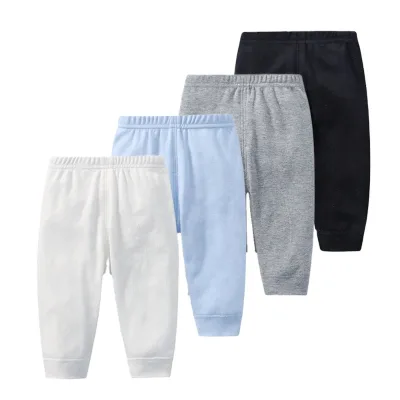


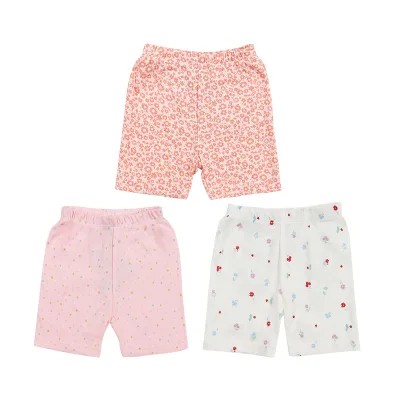
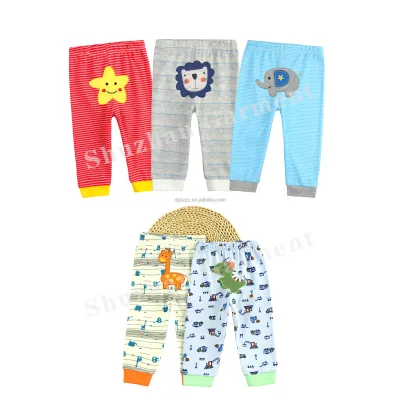


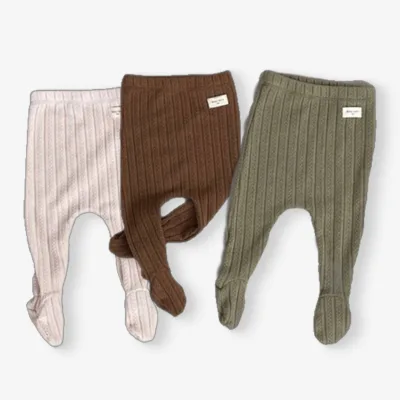
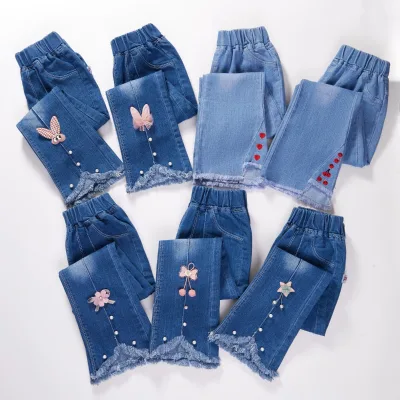
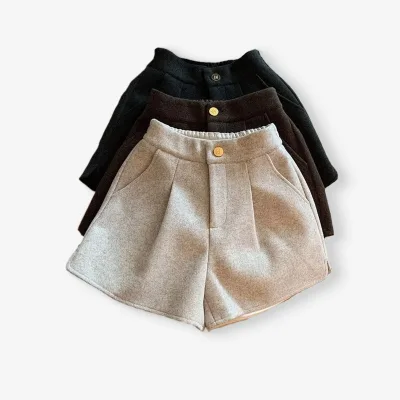
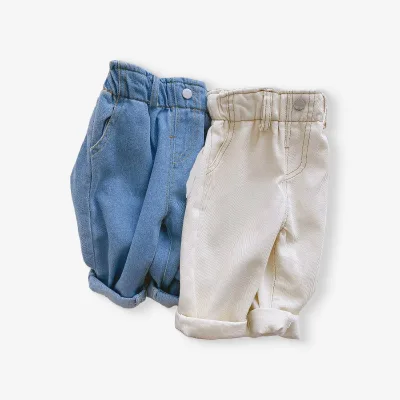


Comprehensive Sourcing Guide
Strategic Sourcing Guide for Soft Cotton Woolen Pants for Babies and Boys
The global demand for infant and toddler apparel has intensified, driven by a growing emphasis on skin-safe materials and functional design. For procurement professionals seeking "Soft Cotton Woolen Pants for Babies and Boys," the market presents a complex landscape where terminology often varies between marketing descriptions and technical specifications. While the core keyword suggests a blend of cotton and wool, the actual product data available in the current supply chain reveals a dominant focus on 100% cotton interlock and knitted fabrics. This guide provides a disciplined approach to sourcing these items, focusing on verifying material integrity, understanding technical specifications, and evaluating supplier capabilities without relying on unverified claims.
Understanding Material Composition and Fabric Technology
The primary challenge in sourcing "cotton woolen" pants lies in reconciling the keyword with the actual supply data. The observed product listings frequently specify "100% Cotton" or "100% Cotton interlock" as the material composition. In the context of baby apparel, "woolen" in a keyword search often refers to the tactile softness and warmth associated with wool, rather than the inclusion of actual wool fibers, which can be allergenic for infants. The supplied facts confirm that the prevailing fabric type is "Knitted," specifically utilizing "100% Cotton interlock." This fabric structure is critical because interlock knitting creates a double-knit fabric that is thicker, more stable, and softer than single jersey, mimicking the warmth of wool without the itchiness.
Buyers must verify the specific fiber content through mill certificates rather than relying solely on product titles. The data indicates a clear preference for natural fibers that allow for direct skin contact, with attributes explicitly stating the product "Can It Be Directly Contacted with Skin: Yes." When evaluating potential suppliers, procurement teams should request fabric swatches to test for pilling, shrinkage, and breathability. The "Absorption" attribute listed as "Soft Breathable" is a key performance indicator for baby wear, ensuring that the pants manage moisture effectively. It is essential to distinguish between "Non-Woven" materials, which appear in the data under different product categories like disposable diapers, and the woven or knitted textiles required for reusable pants. Confusing these categories can lead to significant procurement errors.
Technical Specifications and Design Parameters
Technical specifications for baby pants extend beyond simple measurements to include fit, closure mechanisms, and sizing standards. The observed data highlights a "Model" specification of "Loose," which is crucial for infant comfort and ease of movement. A loose fit prevents restriction around the waist and legs, accommodating the rapid growth of babies aged 0-3 months up to 18-24 months. The "Trouser Leg" is consistently described as "Straight," a design choice that simplifies manufacturing and ensures a uniform look across different sizes.
Closure types are another critical technical parameter. The data points to "Button" closures as a standard feature. For babies, buttons are often preferred over zippers or snaps for ease of diaper changes, though the durability of the button attachment must be verified. The "Sleeve Length" specification of "Full" suggests that some listings may actually refer to two-piece sets or rompers rather than standalone pants, requiring buyers to carefully parse the "Product Type" field, which includes "Rompers" and "Baby blank pants."
Sizing presents a unique challenge in this category. The data shows a wide range of size specifications, from "Xl, 4 XL, 3 XL, 2 XL" to "S, M, L," and specific age ranges like "0-3 months, 9-12 Months, 6-9 Months." This inconsistency indicates that different suppliers may use different sizing conventions. Buyers must establish a clear size chart based on the target market's standards rather than generic labels. The "Standard" attribute listed as "2XS-6XL" appears to be a generic size range that may not align with infant-specific sizing, necessitating a direct request for a detailed size chart from the supplier.
Compliance, Certification, and Safety Verification
Safety is the paramount concern when sourcing apparel for infants. The supplied facts mention "Eco-friendly Washable Breathable" as a feature, but these are marketing attributes that require independent verification. While the data lists "GOTS" and "Oeko-Tex" under low-confidence background sections, these should not be assumed as present without documentation. Procurement teams must treat these certifications as requirements to be verified, not as inherent product traits.
The "Standard" attribute "2XS-6XL" is a size range, not a safety standard. Buyers should specifically inquire about compliance with international safety standards such as CPSIA (Consumer Product Safety Improvement Act) in the US or EN 14682 in Europe, which governs flammability, chemical restrictions, and small parts safety. The "Feature" attribute "Eco-friendly" implies a reduced chemical footprint, but this must be substantiated by test reports. The "Product Keywords" include "Baby blank pants," which often implies a base product for customization. In such cases, the dyeing and printing processes used for customization must also meet safety standards for direct skin contact.
Cost Drivers and Pricing Dynamics
The pricing for soft cotton baby pants is influenced by several factors, including material quality, customization complexity, and order volume. The observed price range in the market spans from $0.03 to $25 USD. This vast disparity suggests that the lower end of the spectrum likely represents bulk basic items or non-branded goods, while the higher end may include premium materials, complex designs, or smaller batch sizes. The "MOQ" (Minimum Order Quantity) range of 6 to 360,000 units further illustrates the variability in supplier models.
For buyers seeking high-quality, soft cotton pants, the cost driver is often the "100% Cotton interlock" fabric and the "Customize Design" capabilities. Suppliers offering "OEM/ODM" services, "Label," and "Logo" customization will typically charge a premium over standard stock items. The "Single gross weight" of 0.100 kg and "Single package size" of 25x18x1 cm are useful for calculating logistics costs, which can significantly impact the landed cost of goods. Buyers should be aware that "Carton" packing is a standard option, but "Opp Bag" is also listed, and the choice of packaging can affect both protection and sustainability goals.
Supplier Evaluation and Production Capabilities
Evaluating suppliers requires a deep dive into their production capabilities and supply chain transparency. The data indicates that the "Place of Origin" is primarily "Henan, China," and the "Supply Type" is "ODM." This suggests a mature manufacturing hub with the capacity for design and production. However, the "Brand Name" "KDFN" appears in the data, indicating that some suppliers may operate under specific brand identities or private label arrangements.
Buyers should verify the "Lead Time" for both samples and bulk orders. The data supports a "7 days sample order lead time" and a general "Delivery time" of "3-7 days" for certain items, though these figures may vary based on order complexity. The "Set Combination" of "Top + Shorts Two-Piece Set" indicates that some suppliers specialize in coordinated outfits rather than standalone pants. When evaluating a supplier, procurement teams should assess their ability to handle "Customize Design" requests, including the capacity for "Printing" and "Embroidered" features. The "Feature" list also includes "Printed, Embroidered," suggesting a range of decorative options that can impact production time and cost.
Quality Control and Inspection Protocols
Implementing a robust quality control (QC) protocol is essential to ensure that the final product meets safety and performance expectations. Given the "Soft Breathable" and "Absorption" attributes, QC should focus on fabric integrity and comfort. Inspectors should check for loose threads, especially around button closures, which are critical for preventing choking hazards. The "Anti-Leak" feature mentioned in the data is associated with disposable diapers, so buyers must ensure that the pants they are sourcing do not inadvertently include non-compliant materials or features intended for different product categories.
Inspection criteria should include a check for colorfastness, particularly for the "Yellow, Pink, White, Green" and "Sky Blue, Gray, Black" color options listed. Since the product is for babies, the risk of dye transfer is a significant concern. The "Eco-friendly Washable" claim should be tested to ensure the fabric retains its properties after multiple wash cycles. Additionally, the "Thickness" is listed as "Normal," which should be verified to ensure it provides adequate warmth without causing overheating. The "Season" attributes of "Winter" and "Autumn" suggest that the product is designed for cooler weather, and the fabric weight should be appropriate for these conditions.
Long-Term Procurement and Market Adaptation
Long-term procurement strategies for baby apparel must account for seasonal shifts and changing consumer preferences. The data shows a mix of "Winter" and "Autumn" attributes, indicating that these pants are likely part of a seasonal collection. Buyers should plan their orders to align with these seasons, ensuring inventory is available before the peak demand periods. The "Customization" availability allows for flexibility in responding to market trends, such as the demand for specific colors or patterns.
Sustainability is becoming a critical factor in long-term procurement. The "Eco-friendly" feature suggests a market trend toward environmentally responsible products. Buyers should explore suppliers who can provide evidence of sustainable sourcing practices, even if specific certifications like GOTS are not immediately available. The ability to offer "OEM/ODM" services allows brands to differentiate themselves through unique designs and packaging, such as the "Customize Design" option. As the market evolves, maintaining a relationship with suppliers who can adapt to new materials and standards will be crucial for sustained success.
Summary of Key Sourcing Considerations
| Category | Key Observation | Verification Requirement |
|---|---|---|
| Material | 100% Cotton Interlock, Knitted | Request mill certificates for fiber content |
| Safety | Direct skin contact claimed | Verify CPSIA/EN standards and chemical test reports |
| Sizing | Wide range (0-3mo to 6XL) | Demand specific size charts for target demographics |
| Customization | OEM/ODM, Logo, Printing | Confirm capacity for design changes and lead times |
| Packaging | Carton, Opp Bag | Specify packaging requirements to prevent damage |
| Origin | Henan, China | Verify factory audits and supply chain transparency |
By adhering to these evidence-based guidelines, procurement professionals can navigate the complexities of sourcing soft cotton pants for babies and boys. The focus must remain on verifying technical specifications, ensuring safety compliance, and selecting suppliers with the capacity for high-quality customization. This disciplined approach minimizes risk and ensures that the final products meet the high standards expected by parents and caregivers.
FAQs
What material is used for these baby pants?
The pants are made from 100% Cotton interlock fabric. This knitted material ensures softness and allows for direct skin contact suitable for infants aged 0 to 24 months.
Can these pants be customized with a logo?
Yes, customization is available for OEM and ODM orders. Suppliers support custom labels, logos, and printing designs to meet specific brand requirements for these cotton pants.
What is the typical lead time for sample orders?
Sample orders typically require a 7-day lead time for production. Bulk delivery times can range from 3 to 7 days depending on the specific order volume and customization needs.
Which sizes are available for newborn babies?
Sizes range from 0-3 months up to 18-24 months. The product line includes options for various age groups including 3-6 months, 6-9 months, and 9-12 months.
Where are these cotton pants manufactured?
The products originate from Henan, China. This region serves as the primary place of origin for the knitted cotton interlock pants supplied by the listed vendors.
What is the minimum order quantity for these pants?
The minimum order quantity ranges from 6 units to 360,000 units. This wide range accommodates both small trial orders and large bulk procurement needs for retailers.