Source Solar Module IV Tester for Quality, Lab, and Production
Find 30 solar module IV testers from verified suppliers offering customization and advanced software. Compare models with varying cell counts, accuracy, and automation levels to suit industrial or laboratory needs.
Key considerations
Products List


Pulse Xenon Lamp Sun Simulator AAA Class IV Solar Panel Module Tester
$12000.00 - $15000.00
MOQ: 1 Pieces
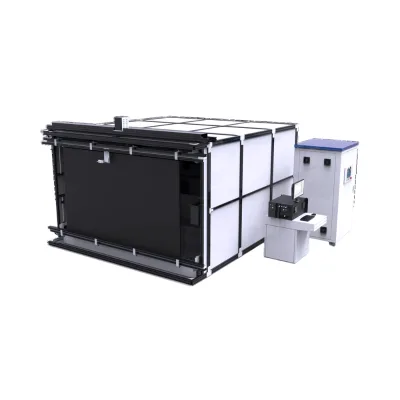
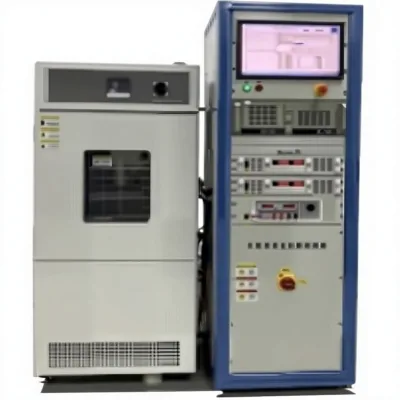
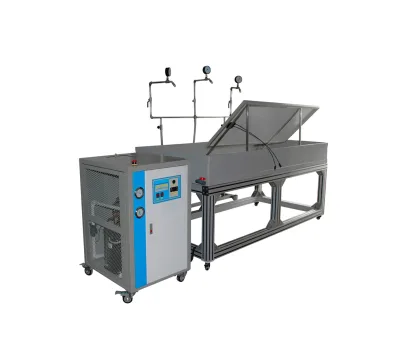
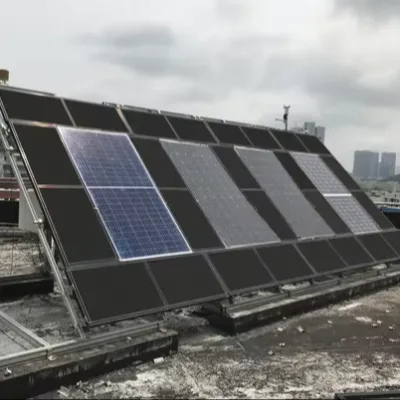
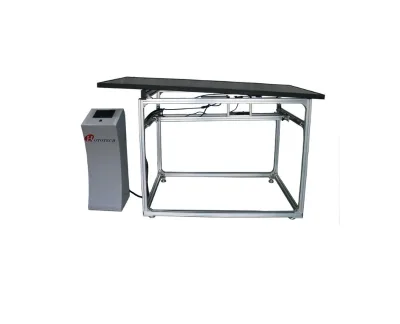
Robustness of Terminations Tester /testing Machine/testing Apparatus for Solar Panels
$611.11 - $814.81
MOQ: 1 Minimum


Automatic Online Solar Module IV Tester Solar Panel Production Line 100% Inspection
$6000.00 - $32000.00
MOQ: 1 Pieces

PV Module Production & Quality Inspection Upper Lighting Solar Panel IV Tester
$6000.00 - $32000.00
MOQ: 1 Pieces

Adjustable Long Pulse Solar Module Tester Sun Simulator Accurate Performance
$6000.00 - $32000.00
MOQ: 1 Pieces


Solar Cell IV Curve Tester Lab PV Cell Analyzer with Sun Simulator
$20000.00 - $30000.00
MOQ: 1 Pieces

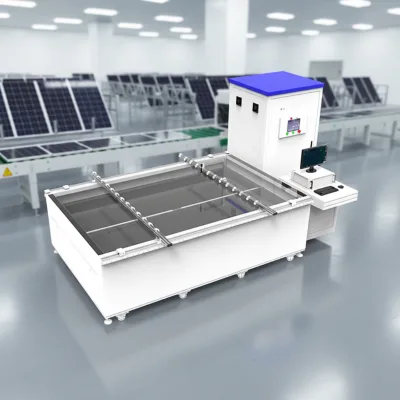
Comprehensive Sourcing Guide
Strategic Sourcing Guide for Solar Module IV Testers
Understanding the Technical Landscape of IV Testing Equipment
When sourcing a Solar Module IV Tester, buyers must first distinguish between the specific capabilities required for their operational environment. The market offers a diverse range of equipment, from compact, integrated units designed for small-scale laboratory analysis to large, automated systems intended for high-volume industrial production lines. A critical observation in the current supply landscape is the variation in physical dimensions and integration levels. Some manufacturers offer an integrated design where all components are housed within a small size, facilitating easier deployment in space-constrained facilities. In contrast, other solutions may require a larger footprint, with testing areas specified in ranges such as 20001000mm, 22001100mm, or 2400*1400mm, depending on the size of the modules being evaluated.
The core functionality of these devices often revolves around the precision of the light source used to simulate solar irradiance. High-performance units frequently utilize Xeon lamps, with specific supply chains noting German-origin components for their reliability and longevity. The operational life of these lamps is a significant factor in total cost of ownership, as frequent replacements can disrupt production schedules. Furthermore, the electrical characteristics of the tester must align with the solar cells being tested. The number of cells in the module under test dictates the voltage and current requirements of the equipment. Common configurations observed in the market include systems capable of handling 60 or 72 cells, which corresponds to standard commercial module sizes. Buyers should verify that the specific model they are considering supports the cell count and type, whether Monocrystalline Silicon or Polycrystalline, as the testing parameters for these materials can differ.
Automation levels also vary significantly across available products. While some systems operate as semi-automatic units requiring manual intervention for loading and unloading, others feature full computer control to streamline the testing process. The choice between these levels depends on the desired throughput and the available labor resources. Additionally, the power requirements for these machines are not uniform; some units operate on 200W or 1000W power inputs, while others may require higher voltage inputs such as 220V or 380V electrical equipment standards. Understanding these technical specifications is the first step in narrowing down the supplier pool to those who can meet the specific physical and electrical constraints of the buyer's facility.
Compliance, Certification, and Safety Standards
In the realm of industrial testing equipment, compliance with international safety and quality standards is non-negotiable. Buyers must rigorously verify that any prospective Solar Module IV Tester carries recognized certifications. The most common certifications observed in the market include CE and ISO, which indicate adherence to specific European and international safety and management protocols. These certifications are not merely administrative hurdles; they serve as a proxy for the manufacturer's commitment to quality control and product safety.
Beyond general certifications, the protection class of the equipment is a critical safety metric, particularly for units intended for use in industrial environments where dust or moisture might be present. The market data indicates a range of protection classes, with some units rated at IP55, others at IP65, and some reaching IP56. The IP rating system defines the degree of protection provided by the enclosure against the intrusion of solid objects and liquids. An IP55 rating offers protection against dust and low-pressure water jets, while IP65 and IP65 ratings offer higher levels of dust tightness and water resistance. Buyers must match the protection class to the specific environmental conditions of their testing area to ensure the longevity of the equipment and the safety of the operators.
Furthermore, the accuracy of the testing results is paramount for the validity of the data produced. The industry often categorizes accuracy classes, with high-accuracy units offering precision levels such as ±0.1% to ±0.5% of the full scale (FS). Some specific models may boast an accuracy of 0.1%, which is essential for R&D applications or high-end quality assurance processes. When evaluating suppliers, buyers should request documentation that explicitly states the accuracy class and the conditions under which this accuracy is maintained. It is also important to verify the software capabilities, as modern testers rely heavily on data processing. Some manufacturers offer independent property rights software, ensuring that the data management and analysis tools are proprietary and secure, rather than relying on third-party solutions that might introduce compatibility or security risks.
Cost Drivers and Pricing Structures
The pricing of solar module IV testers is influenced by a complex matrix of factors, including the level of automation, the quality of the light source, the accuracy of the measurement system, and the extent of customization. The observed market price range is vast, spanning from $1 to $100,000 USD, reflecting the diversity of products from basic manual units to fully automated, high-precision industrial systems. This wide range necessitates a clear definition of requirements before engaging with suppliers to avoid budget overruns or purchasing under-specification equipment.
One of the primary cost drivers is the customization level. Many suppliers offer OEM (Original Equipment Manufacturer), ODM (Original Design Manufacturer), and even OBM (Original Brand Manufacturer) support, allowing buyers to tailor the equipment to their specific branding and functional needs. The extent of this customization, including software reengineering and specific hardware modifications, will directly impact the final price. Additionally, the origin of key components plays a role in cost; for instance, units utilizing German Xeon lamps may command a premium due to the perceived higher quality and longer life of these components compared to generic alternatives.
The minimum order quantity (MOQ) is another critical financial consideration. In the current market, MOQs are generally flexible, with observed ranges starting as low as 1 unit. This flexibility is beneficial for buyers who are testing the market or have smaller production needs, as it reduces the initial capital outlay. However, buyers should be aware that while the MOQ may be low, the unit price for single-item purchases might be higher than for bulk orders. The warranty period is also a significant factor in the total cost of ownership. While some suppliers offer warranties of less than 5 years, others may provide a standard 1-year warranty. A longer warranty period can reduce the financial risk associated with equipment failure, effectively lowering the long-term cost of the asset.
Typical Applications and Operational Scenarios
Solar module IV testers are versatile tools deployed across various stages of the solar industry value chain. The primary application is industrial testing, where these machines are used to verify the performance of solar panels before they are shipped to customers. In this context, the equipment must be robust, capable of handling high volumes, and integrated into the production line. The testing area dimensions, such as 2000*1000mm or larger, are designed to accommodate full-sized modules, ensuring that the entire surface area is tested under uniform illumination.
Beyond industrial production, these testers are essential in laboratory and universal testing environments. Research and development teams rely on high-accuracy units to characterize new cell technologies and validate the performance of prototype modules. In these settings, the precision of the equipment, often rated at ±0.1% accuracy, is more critical than the speed of testing. The ability to perform universal testing allows labs to evaluate a wide range of products, from small cells to large arrays, using the same platform. The software capabilities, particularly independent property rights software, are vital in these scenarios for managing complex datasets and generating detailed reports.
The loading method of the tester also dictates its suitability for different applications. Some units utilize a dynamic load method, which is ideal for simulating real-world operating conditions where the electrical load on the solar panel changes. This feature is particularly useful for testing the stability and response of the module under varying conditions. In contrast, static load testers might be sufficient for simple quality checks. Buyers should assess their specific operational needs to determine whether a dynamic or static loading system is required. Additionally, the condition of the equipment, whether new or refurbished, can influence its application. New units are typically preferred for critical production lines to ensure reliability, while refurbished units might be suitable for secondary testing or training purposes.
Supplier Evaluation and Quality Assurance
Selecting the right supplier for a Solar Module IV Tester requires a thorough evaluation of their capabilities, track record, and support infrastructure. One of the most critical aspects of supplier evaluation is the availability of after-sales service. Buyers should prioritize suppliers who offer engineers available to service machinery overseas, as this ensures that technical support is accessible regardless of the buyer's location. This global support network is essential for minimizing downtime and maintaining operational efficiency.
The manufacturing origin of the equipment is another key factor. The market shows a concentration of suppliers from China, with specific regions like Hubei, Guangdong, and Taiwan emerging as production hubs. While the origin does not inherently dictate quality, it can provide insights into the supply chain logistics and the manufacturing ecosystem. Buyers should verify the place of origin to understand the potential lead times and shipping costs associated with the equipment. Additionally, the production capacity of the supplier, which can range up to 1000 units, indicates their ability to meet demand and scale operations if necessary.
Quality control during the manufacturing process is paramount. Buyers should inquire about the standards applied to the production of the IV testers. The market includes products adhering to standards such as A+A+A+ or AAA, AAB, ABB, which reflect different levels of quality grading. While these standards are not universally defined, they suggest a tiered approach to quality assurance. Buyers should request detailed quality control reports and inspection certificates to validate the claims made by the supplier. Furthermore, the packaging method, whether sea-worthy packing or normal container packing, is crucial for ensuring the equipment arrives in pristine condition. Sea-worthy packing is generally recommended for international shipments to protect against the rigors of transit.
Long-Term Procurement and Maintenance Considerations
Procuring a Solar Module IV Tester is not a one-time transaction but the beginning of a long-term relationship with the supplier. Buyers must consider the long-term maintenance requirements and the availability of spare parts. The life of critical components, such as the Xeon lamps, is a major factor in this regard. Units with German Xeon lamps are noted for their long life time working, which reduces the frequency of replacements and associated maintenance costs. However, buyers should still verify the expected lifespan and the cost of replacement parts to accurately forecast the total cost of ownership.
The warranty terms are a critical component of long-term procurement. While some suppliers offer warranties of less than 5 years, others may provide a standard 1-year warranty. Buyers should carefully review the warranty terms to understand what is covered, including labor, parts, and software updates. A comprehensive warranty can provide peace of mind and protect against unexpected repair costs. Additionally, the availability of software updates and support for the independent property rights software is essential for maintaining the relevance and functionality of the equipment over time.
Finally, buyers should consider the scalability of the equipment. As the solar industry evolves, the requirements for testing may change. A flexible system that supports OEM, ODM, and OBM customization can adapt to new testing protocols or module designs without requiring a complete replacement. The ability to reengineer software and customize hardware ensures that the investment remains viable as the buyer's needs grow. By focusing on these long-term considerations, buyers can make informed decisions that align with their strategic goals and ensure the continued success of their solar module testing operations.
FAQs
What certification does the Solar Module IV Tester have?
The equipment holds CE and ISO certifications for safety and quality. These standards ensure the machine meets international protocols for industrial testing environments and protects operators from electrical hazards.
Can the Solar Module IV Tester handle 60 or 72 cells?
Yes, the system supports modules with 60 or 72 cells. This flexibility allows the tester to evaluate standard commercial monocrystalline and polycrystalline silicon panels used in various industrial applications.
Which customization options are available for the Solar Module IV Tester?
Buyers can request OEM, ODM, and OBM support along with software reengineering. These options allow manufacturers to tailor the machine's branding, hardware, and proprietary software to specific operational needs.
How accurate is the Solar Module IV Tester measurement system?
The device offers high accuracy ranging from 0.1% to 0.5% of full scale. This precision is suitable for both universal testing in laboratories and strict quality assurance in industrial production lines.
What is the warranty period for the Solar Module IV Tester?
Warranty terms vary between 1 year and less than 5 years depending on the specific model. Buyers should verify the exact duration with the supplier to ensure adequate coverage for their investment.
Can the Solar Module IV Tester be sourced from Germany?
While the machine originates from China, it utilizes German Xeon lamps for long life. The core unit is manufactured in regions like Hubei or Guangdong, not in Germany itself.
What is the minimum order quantity for the Solar Module IV Tester?
The minimum order quantity can be as low as 1 unit for single item purchases. This low MOQ allows buyers to test the market or equip small facilities without bulk commitments.