Source Solar Power Outdoor Bus Shelter for Parks, Transit, and Streets
Compare 30 Solar Power Outdoor Bus Shelter options featuring galvanized or stainless steel structures, LED lighting, and customizable designs. Buyers can evaluate specifications like size, material, and assembly requirements for public transit applications.
Key considerations
Products List


Outdoor Flexible Solar Power Panel for Bus Shelter Heated Bus Stop Shelter
$4000.00 - $6000.00
MOQ: 10 Pieces


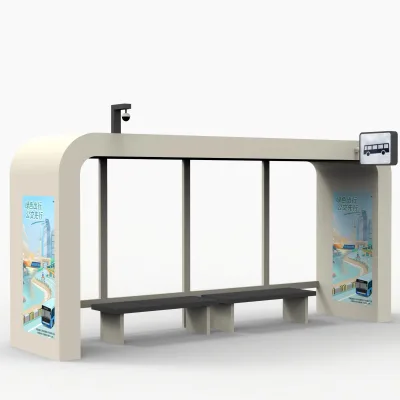
Waterproof Bus Shelters Solar Powered air Condition Bus Shelters Outdoor Digital Signage Bus Shelter
$2500.00 - $5200.00
MOQ: 2 Minimum

Waterproof Solar Bus Shelter Metal Shelter Bus Stop Shelter
$3000.00 - $3500.00
MOQ: 1 Sets
CHONGQING WALKSON MACHINERY EQUIPMENT MANUFACTURING CO.,LTD.


Galvanized Steel Solar Power Bus Stop Shelters with Mobile Charging Port
$1000.00 - $9500.00
MOQ: 5 Pieces

Comprehensive Sourcing Guide
Strategic Sourcing Guide for Solar Power Outdoor Bus Shelters
Understanding Technical Specifications and Structural Integrity
When evaluating solar power outdoor bus shelters, the primary focus must be on the structural materials and the specific design configurations that ensure durability in harsh environments. The market offers a variety of configurations, ranging from rectangular to square footprints, with the rectangular shape being a prevalent design choice for maximizing coverage and aesthetic integration into urban landscapes. The core structural integrity often relies on high-grade materials such as stainless steel or galvanized sheet metal. Stainless steel structures provide superior corrosion resistance, which is critical for outdoor installations exposed to rain, humidity, and salt spray, while galvanized sheet options offer a cost-effective alternative with robust protection against rust.
The roof assembly is another critical technical component, frequently constructed from polycarbonate (PC) or metal plates. These materials are selected for their ability to withstand impact and provide necessary shelter while supporting the integrated solar array. The solar power system itself typically utilizes LED strips or T8 tubes for illumination, ensuring energy efficiency and long operational hours. In some configurations, the shelter includes light box panels made of tempered glass, which serve as the housing for advertising displays. These displays can be powered by light boxes, LCD screens, or LED modules, depending on the specific client requirements and whether the system is fully solar-powered or requires a hybrid approach.
Size specifications vary significantly based on the intended application. While some models are standardized with dimensions around 3500mm, others offer fully customized overall sizes to fit specific bus stop locations. The customization capability extends to the design and surface finishing processes. Buyers should verify whether the supplier offers powder coating or hot-dip galvanization as the final surface treatment, as these processes directly influence the lifespan of the unit, which is often cited as exceeding ten years. The installation process is generally designed to be straightforward, with units shipped in dismantled carton packages to facilitate transport and on-site assembly.
Compliance, Certification, and Regulatory Standards
Navigating the regulatory landscape for outdoor street furniture requires a rigorous verification of compliance standards. While certain market observations indicate the presence of CE certification, buyers must treat this as a variable attribute rather than a universal guarantee. The procurement process should explicitly demand proof of certification for the specific batch or model being purchased, as standards can vary by region and manufacturer. The "prod_standard" attribute often appears as either a specific dimension reference or a statement of "Customized," which necessitates a clear definition of the applicable safety and electrical standards in the buyer's jurisdiction.
In addition to general product certifications, the electrical components, particularly the solar panels and LED lighting systems, must adhere to local safety regulations regarding voltage, current, and fire resistance. The "Location" attribute often points to origins such as China, specifically regions like Guangzhou, Shandong, or Guangdong. While these regions are known for manufacturing capabilities, the origin does not inherently dictate compliance. Buyers must verify that the supplier can provide documentation confirming that the electrical systems meet the safety standards of the destination country. This includes checking for proper grounding, weatherproofing ratings for outdoor electrical components, and the durability of the solar charging systems against environmental stressors.
The table below outlines key compliance areas that require verification during the sourcing process:
| Compliance Area | Verification Requirement | Potential Risk if Unverified |
|---|---|---|
| Electrical Safety | Proof of CE or local equivalent certification for solar and LED systems | Fire hazard, equipment failure, legal liability |
| Structural Integrity | Material grade certificates for stainless steel or galvanized sheets | Premature corrosion, structural collapse |
| Environmental Resistance | IP rating documentation for outdoor electrical components | Water ingress, short circuits, reduced lifespan |
| Advertising Standards | Compliance with local signage and light emission regulations | Fines, removal of advertising panels |
Cost Drivers and Pricing Dynamics
The pricing for solar power outdoor bus shelters is influenced by a complex interplay of material costs, customization levels, and logistical factors. The observed price range in the market spans from approximately 200 to 9,500 USD, a wide variance that reflects the difference between basic models and highly customized, premium units. Several key drivers contribute to this spread. The choice of structural material is a primary factor; stainless steel units typically command a higher price point than those made from galvanized sheet metal due to the raw material cost and the additional processing required for corrosion resistance.
Customization is another significant cost driver. Products listed with "Customized" design and size attributes will inherently cost more than standard models. The inclusion of advanced features such as light boxes with LCD or LED displays, tempered glass panels, and sophisticated solar charging systems adds to the overall unit cost. Furthermore, the surface finishing process plays a role; units with powder coating or hot-dip galvanization may be priced higher than those with standard sprayed painting, reflecting the added labor and material costs associated with these protective measures.
Logistics and packaging also impact the final cost. The "prod_packing" attribute often indicates that units are shipped in dismantled carton packages or export cartons to optimize container space. However, the volume of goods per container, such as the noted capacity of 20 pieces per 40 HQ container, affects the per-unit shipping cost. Buyers should also consider the "Shipment" method, which is typically by sea, and how this affects the total landed cost, including insurance and freight charges. The minimum order quantity (MOQ) ranges from 1 to 10 units, allowing for flexibility in procurement but potentially influencing the unit price for smaller orders due to fixed setup and logistics costs.
Typical Applications and Functional Requirements
Solar power outdoor bus shelters are primarily designed for public transportation infrastructure, serving as essential amenities for commuters in urban and suburban environments. The "Function" attribute is consistently listed as "Outdoor," indicating their suitability for exposure to all weather conditions. These units are frequently deployed at bus stops, transit stations, and other high-traffic pedestrian areas where reliable lighting and shelter are required. The "Type" attribute often categorizes these units as "Outdoor Advertising" solutions, highlighting their dual function as both a shelter and a medium for commercial or public service announcements.
The functional requirements extend beyond simple shelter. The integration of solar power allows for off-grid operation, making these units ideal for locations where electrical infrastructure is limited or where energy independence is a priority. The "Light Adjustment" feature ensures that the illumination can be modulated based on ambient light levels or time of day, optimizing energy consumption. The "Maintenance" attribute often claims "No Need," suggesting a design philosophy focused on durability and low upkeep, though this should be verified against the specific maintenance schedule provided by the supplier.
These shelters are also adaptable to various urban design contexts. The "Shape" options, including rectangular and square configurations, allow them to fit into different spatial constraints. The "Installation" process is described as "Easy," implying a modular design that facilitates rapid deployment. This is particularly beneficial for municipal projects that require the quick installation of multiple units across a city. The "Lifespan" of over 10 years makes them a long-term investment for public infrastructure, reducing the need for frequent replacement and minimizing long-term capital expenditure.
Supplier Evaluation and Origin Verification
Selecting the right supplier is critical for ensuring product quality and reliability. The "prod_origin" attribute reveals that many manufacturers are based in China, with specific mentions of Guangzhou, Shandong, and Guangdong. While these regions have established manufacturing ecosystems, buyers must conduct thorough due diligence to verify the supplier's capabilities. The "brand name" attribute, such as "lh," indicates that some suppliers operate under specific brand identities, but buyers should not rely solely on brand recognition without verifying the underlying manufacturing quality.
Evaluation criteria should include the supplier's experience with similar projects, their ability to provide detailed technical documentation, and their track record for on-time delivery. The "process" attribute, which includes "Assembly" and "Surface Finished" steps, suggests that the supplier controls the manufacturing process. Buyers should request evidence of these processes, such as photos of the assembly line or certificates for the surface finishing treatments. The "prod_model" numbers, such as YR-BS, YR-B, and YR-BS-4058, serve as identifiers for specific product lines, and buyers should ensure that the model selected matches their specific technical requirements.
It is also important to verify the supplier's capacity for customization. The "Design" and "Standard" attributes often indicate that customization is available, but the extent of this customization must be clearly defined in the contract. Buyers should ask for samples or case studies of previous customized projects to assess the supplier's flexibility and quality control standards. Additionally, the "Shipment" method, typically by sea, requires the supplier to have reliable logistics partners to ensure the safe delivery of the dismantled units.
Quality Control and Long-Term Procurement Considerations
Implementing a robust quality control (QC) strategy is essential for mitigating risks associated with the procurement of solar bus shelters. Given the "Lifespan" expectation of over 10 years, the initial quality of materials and assembly is paramount. Buyers should insist on pre-shipment inspections that verify the structural integrity of the stainless steel or galvanized sheet components, the quality of the surface finishing, and the functionality of the solar and LED systems. The "prod_packing" attribute, which includes "Dismantled and Carton Package" and "Standard Packing," highlights the need for careful handling during transit to prevent damage to the components.
Long-term procurement considerations involve planning for the entire lifecycle of the product. This includes evaluating the availability of spare parts, such as replacement LED strips, solar panels, or control units. The "Maintenance" claim of "No Need" should be scrutinized; while the design may be low-maintenance, some level of periodic inspection and cleaning is inevitable. Buyers should negotiate service level agreements (SLAs) with the supplier that cover warranty periods, response times for repairs, and the supply of replacement parts.
The "Material" attributes, such as "Stainless Steel Sheet" and "Galvanized Sheet," also influence long-term costs. Buyers should consider the total cost of ownership, which includes not only the initial purchase price but also the costs associated with maintenance, repairs, and eventual replacement. The "Surface Finished" options, including "Powder Coated" and "Sprayed Painting or Hot DIP Galvanized," offer different levels of protection against the elements, and the choice should be based on the specific environmental conditions of the installation site.
In conclusion, sourcing solar power outdoor bus shelters requires a balanced approach that considers technical specifications, compliance, cost, and long-term value. By carefully evaluating the supplier's capabilities, verifying certifications, and planning for the entire lifecycle of the product, buyers can ensure the successful deployment of durable and efficient public infrastructure. The wide range of options available, from standard models to fully customized solutions, allows for tailored procurement strategies that meet the specific needs of diverse urban environments.
FAQs
What materials are used for the structure?
The structure is typically made from galvanized sheet or stainless steel. Stainless steel offers superior corrosion resistance, while galvanized sheet provides a cost-effective alternative with robust rust protection for outdoor environments.
How long is the expected lifespan of the unit?
The product has a lifespan of over 10 years. This durability is achieved through powder coating or hot-dip galvanization surface finishes that protect the metal against harsh weather conditions and environmental stressors.
Can the design and size be customized?
Yes, the design and size are fully customizable to fit specific bus stop locations. Buyers can request variations in shape, such as rectangular or square, and specific dimensions like 3500mm or other tailored requirements.
What is the installation process like?
Installation is designed to be easy with a straightforward assembly process. Units are shipped in dismantled carton packages or export cartons to facilitate transport and allow for rapid on-site assembly by the buyer.
Which lighting options are available for the shelter?
The shelter uses LED strips or T8 tubes as the light source. These energy-efficient options can be integrated with light boxes, LCD screens, or LED modules depending on whether the system is solar-powered or hybrid.
What is the minimum order quantity for purchase?
The minimum order quantity ranges from 1 to 10 units. This flexible MOQ allows buyers to procure single units or small batches, though larger orders may benefit from optimized container shipping rates.