Find Solar Power Outdoor Bus Shelter with LCD Display for transit stops, parks, and stations
Source 30 Solar Power Outdoor Bus Shelter with LCD Display units featuring LED lighting, galvanized steel frames, and CE RoHS certifications. Buyers can compare customized sizes, power supply options, and outdoor durability specifications from verified Chinese manufacturers.
Key considerations
Products List


Smart Bus Shelter for Tourist Areas with Multi-Language Display Option
$5800.00 - $6000.00
MOQ: 1 Pieces
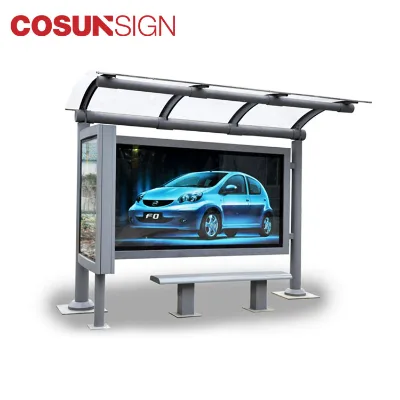


Solar Bus Outdoor Shelter Passenger Waiting Bus Stop Shelter
$4500.00 - $5000.00
MOQ: 1 Sets
CHONGQING WALKSON MACHINERY EQUIPMENT MANUFACTURING CO.,LTD.

Waterproof Solar Bus Shelter Metal Shelter Bus Stop Shelter
$3000.00 - $3500.00
MOQ: 1 Sets
CHONGQING WALKSON MACHINERY EQUIPMENT MANUFACTURING CO.,LTD.


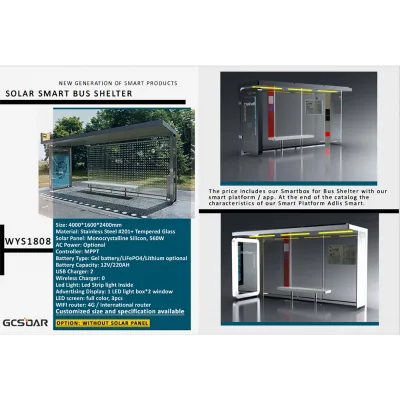

55inch Solar Powered Outdoor Bus Shelter Modern Cantilever Design with Advertising Display
$1799.00 - $2999.00
MOQ: 1 Pieces

Comprehensive Sourcing Guide
Strategic Sourcing Guide for Solar-Powered Outdoor Bus Shelters with LCD Displays
Technical Architecture and Display Integration
When evaluating solar-powered outdoor bus shelters equipped with LCD displays, buyers must first understand the convergence of renewable energy systems, structural integrity, and digital signage capabilities. The core product functions as a dual-purpose asset: providing weather protection for transit passengers while serving as a dynamic information and advertising medium. The technical architecture relies on a robust power management system that integrates solar panels, battery storage, and an inverter to sustain the LCD panels and lighting systems independently of the municipal grid.
The display component is typically housed within a protective frame designed to withstand outdoor environmental stressors. Based on observed market specifications, the frame material is predominantly constructed from galvanized steel or stainless steel, ensuring resistance to corrosion in varying weather conditions. The structural integrity is further reinforced by the use of galvanized sheet metal for the main body and PC (polycarbonate) or metal plates for the roof, which provides essential protection against rain and UV radiation. The LCD panels themselves are often protected by tempered glass, a critical specification for preventing breakage from vandalism or accidental impact.
Power supply requirements vary significantly across different models. Some units operate on a wide AC input range of 110V to 240V, while others utilize DC systems at 12V or 24V with a frequency of 50-60Hz. This variability necessitates a thorough review of the local power infrastructure or the specific solar battery capacity of the unit. The lighting system within the shelter often complements the display, utilizing LED strips or T8 fluorescent tubes to ensure visibility during low-light conditions. The light adjustment feature is a common specification, allowing operators to modulate brightness based on ambient light levels to conserve energy.
Structural Specifications and Customization Options
The physical dimensions and customization capabilities of these shelters are paramount for successful deployment in urban environments. Standardized dimensions are often cited, such as a footprint of approximately 1.2 meters in width and 2.25 meters in height, though the length can vary, with some models specified at 5 meters. However, the market also offers highly customized sizing options to fit specific bus stop layouts or architectural requirements. Buyers should verify the exact "prod_standard" or dimensions against their site plans, as the "Size" attribute is frequently listed as "Customized" in product catalogs.
Shape variations are another critical consideration. While the majority of units are rectangular to maximize interior space and display area, square configurations are also available in the market. The surface finish is typically achieved through painting processes, which not only enhance aesthetics but also provide an additional layer of corrosion protection. The surface treatment process is a key quality indicator, as it determines the longevity of the steel frame in humid or coastal environments.
Packing and logistics are influenced by the assembly nature of these units. Some models are shipped as pre-assembled units in wooden boxes, while others are packed in cardboard or shipped as components requiring on-site assembly. The "Assembly" process is often highlighted as a feature, suggesting that the design facilitates easier installation. However, buyers must confirm whether the "Easy" installation claim applies to the specific model, as complex solar and electrical integration can sometimes require specialized technicians. The origin of these units is predominantly from manufacturing hubs in China, specifically regions like Guangdong and Jiangsu, which influences shipping logistics and lead times.
Compliance, Certification, and Safety Standards
Navigating the regulatory landscape is essential for B2B procurement of public infrastructure. The products in this category are subject to rigorous safety and environmental standards. High-confidence data indicates that reputable suppliers provide certifications such as CE, RoHS, SGS, and ISO. The CE mark confirms conformity with health, safety, and environmental protection standards for products sold within the European Economic Area. RoHS compliance ensures that the electronic components, including the LCD displays and LED lighting, are free from specific hazardous materials.
The ISO certification, often referenced alongside SGS, suggests that the manufacturing process adheres to international quality management standards. Buyers should verify the specific ISO standard number (e.g., ISO 9001) to ensure the supplier maintains a certified quality management system. Additionally, the "Certificate" attribute often lists multiple bodies, indicating a comprehensive approach to compliance. However, buyers must treat these certifications as observations of the supplier's capabilities rather than automatic guarantees for every unit in a batch. It is prudent to request current, valid certificates for the specific model being purchased.
Safety standards for the electrical system are equally critical. The power supply units must meet local electrical codes, and the solar integration must comply with grid interconnection or off-grid safety regulations. The use of tempered glass for the display panels is a safety feature that minimizes the risk of injury from broken glass. The "Condition" of the product is typically listed as "New," but buyers should ensure that the "One Year" guarantee covers the electrical components and the solar battery system, as these are the most likely points of failure.
Cost Drivers and Procurement Economics
The pricing structure for solar-powered bus shelters with LCD displays is influenced by a complex array of factors. The observed price range in the market is extensive, spanning from approximately $102 to nearly $22,000. This wide disparity reflects differences in scale, material quality, solar capacity, and display technology. Lower-cost units may be smaller, feature basic static displays, or utilize less robust materials. Conversely, higher-priced models likely include larger LCD screens, advanced solar tracking systems, high-capacity battery banks, and premium finishes like stainless steel.
Material costs are a primary driver of the final price. The choice between galvanized steel and stainless steel significantly impacts the cost, with stainless steel offering superior corrosion resistance at a higher price point. The type of roof material, whether PC or metal plate, also contributes to the overall cost. Furthermore, the complexity of the solar and electrical system, including the efficiency of the solar panels and the capacity of the battery storage, adds to the expense.
The Minimum Order Quantity (MOQ) is another economic factor to consider. The observed MOQ range is between 1 and 10 units. This flexibility allows municipalities or private operators to procure single units for pilot projects or larger batches for city-wide deployments. However, buyers should be aware that unit prices often decrease as the order volume increases. The "prod_packing" method, whether carton, wooden, or custom, also affects shipping costs, which can be a significant portion of the total landed cost for international buyers.
Supplier Evaluation and Quality Assurance
Selecting the right supplier requires a meticulous evaluation process that goes beyond the initial product listing. Buyers should prioritize suppliers who demonstrate transparency in their manufacturing processes and provide clear documentation of their quality control measures. The "Process" attribute, which includes surface treatment, machining, and assembly, offers insights into the supplier's capabilities. A supplier that explicitly details their surface treatment and painting processes is likely to produce more durable units.
Quality assurance should be a central part of the procurement strategy. Buyers must verify that the "Guarantee" period, typically one year, is clearly defined in the contract and covers specific components like the solar panels, batteries, and LCD screens. The "Maintenance" attribute often claims "No Need," but this should be interpreted as "low maintenance" rather than zero maintenance. Solar panels require periodic cleaning, and batteries have a finite lifespan that will eventually require replacement.
Supplier location is a practical consideration for logistics and communication. With origins primarily in Guangdong and Jiangsu, China, buyers should account for the time zone difference and the potential for shipping delays. The "Place of Origin" should be verified against the supplier's business license to ensure authenticity. Additionally, buyers should request references or case studies of previous installations to validate the supplier's ability to deliver on time and meet quality expectations.
Long-Term Procurement and Operational Considerations
Long-term success with solar-powered bus shelters depends on the durability of the system and the availability of support. The "Outdoor Use" attribute confirms the product's suitability for external environments, but buyers must consider the specific climate of the deployment location. Units with "Galvanized Sheet" or "Stainless Steel" frames are better suited for harsh environments, while those with standard painted steel may require more frequent maintenance in coastal or industrial areas.
The "Light Adjustment" feature is a valuable operational tool that can extend the life of the battery system by reducing energy consumption during daylight hours. Buyers should ensure that the control system for this feature is user-friendly and reliable. The "System" type, whether scrolling or static, dictates the content management strategy. Scrolling systems offer dynamic advertising opportunities but may require more complex software integration and higher power consumption.
Maintenance planning is crucial for minimizing downtime. While the "Installation" is often described as "Easy," the long-term maintenance of the solar and electrical components requires a skilled workforce or a service contract with the supplier. Buyers should inquire about the availability of spare parts, particularly for the LCD panels and solar controllers. The "One Year" guarantee provides a safety net for initial defects, but a robust long-term service agreement is essential for the lifespan of the infrastructure.
Comparative Analysis of Key Product Attributes
To facilitate decision-making, the following table summarizes the key attributes observed in the market for solar-powered outdoor bus shelters with LCD displays. This comparison highlights the variability in specifications that buyers must navigate.
| Attribute Category | Common Observation | Variability / Customization | Critical Verification Point |
|---|---|---|---|
| Frame Material | Galvanized Steel | Stainless Steel Option | Corrosion resistance rating for local climate |
| Roof Material | PC or Metal Plate | Customizable | UV resistance and load-bearing capacity |
| Display Protection | Tempered Glass | Standard Thickness | Impact resistance and safety standards |
| Power Supply | AC 110V-240V or DC 12V/24V | Wide Range Options | Compatibility with local grid or solar system |
| Lighting | LED or Fluorescent | LED Strip / T8 Tubes | Energy efficiency and light adjustment capability |
| Certifications | CE, RoHS, SGS, ISO | Varies by Supplier | Validity of certificates for specific models |
| Guarantee | One Year | Duration may vary | Coverage scope for electrical vs. structural parts |
| Origin | China (Guangdong/Jiangsu) | Specific City/Province | Logistics lead time and shipping costs |
| MOQ | 1 - 10 Units | Flexible | Unit price tiering based on volume |
This structured approach ensures that buyers can systematically evaluate potential suppliers and products, focusing on the technical and operational requirements that will ensure the long-term success of their solar-powered bus shelter projects. By adhering to these guidelines, procurement teams can mitigate risks and secure high-quality infrastructure that meets the needs of modern public transit systems.
FAQs
What certifications do solar bus shelters typically have?
High-confidence facts indicate these units often carry CE, RoHS, SGS, and ISO certifications. Buyers should verify specific certificate validity for the model, as these confirm compliance with safety and environmental standards for electronic components and structural materials.
Which frame materials are used for outdoor durability?
Common observations show frames are made from galvanized steel or stainless steel to resist corrosion. Some models also utilize galvanized sheet metal for the main body, ensuring structural integrity against rain and UV radiation in varying weather conditions.
How is the display panel protected from damage?
The LCD panels are typically housed behind tempered glass to prevent breakage from vandalism or impact. This protective layer is a critical specification for outdoor units, ensuring safety and longevity of the digital signage component during daily transit operations.
Can the lighting brightness be adjusted for energy saving?
Yes, many models include a light adjustment feature to modulate brightness based on ambient light levels. This capability helps conserve energy by reducing power consumption during daylight hours while maintaining visibility for passengers during low-light conditions.
What is the standard power supply range for these units?
Observed specifications list power supplies ranging from AC 110V to 240V or DC 12V and 24V at 50-60Hz. Buyers must verify the specific input requirements against local infrastructure or the unit's solar battery capacity to ensure proper operation.
Are custom sizes available for specific bus stop layouts?
Yes, the product size is frequently listed as customized to fit specific architectural requirements. While some standard dimensions exist, buyers should verify exact measurements against site plans since the market offers highly flexible sizing options for deployment.
What is the typical minimum order quantity for procurement?
The observed MOQ range spans from 1 to 10 units, allowing for single pilot projects or larger batches. This flexibility supports various procurement strategies, though unit prices often decrease as the order volume increases beyond the minimum threshold.