Source Solid Conductor Ethernet Cable for LAN, Data, and Submarine Use
Find 30 Solid Conductor Ethernet Cable options with bare copper or CCS conductors, PVC insulation, and CAT6 specifications. Compare transfer rates, shielding types, and certifications like RoHS and CE for local communication, long-distance symmetric, and LAN applications.
Key considerations
Products List


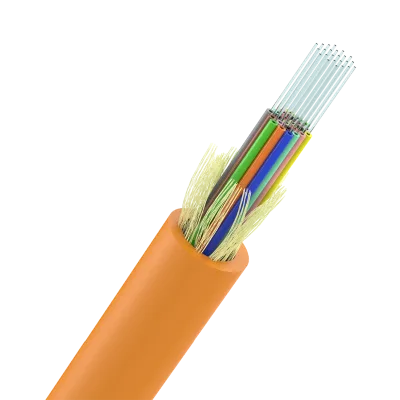

Harness Cable for Telecom Networking Servers and High Speed Data Centers
$0.60 - $1.10
MOQ: 100 Pieces


Comprehensive Sourcing Guide
Solid Conductor Ethernet Cable Sourcing Guide
Sourcing solid conductor Ethernet cables requires a precise understanding of their specific deployment advantages, particularly for permanent link installations where flexibility is secondary to structural integrity. Unlike stranded variants designed for patch cords, solid conductors offer superior electrical performance over longer distances within structured cabling systems, making them the standard choice for horizontal runs between wall outlets and distribution frames. Buyers must recognize that the rigid nature of solid copper wire necessitates careful handling during installation to avoid micro-fractures that could degrade signal integrity, a factor that directly influences the selection of termination hardware and the skill level of the installation crew.
The market landscape for these cables presents a wide spectrum of options, ranging from basic local communication links to specialized submarine and long-distance symmetric applications. While many listings highlight standard LAN connectivity, the observed product data indicates capabilities extending to RF, coaxial, and fiber optic integration, suggesting that suppliers often bundle diverse cable types under a single sourcing request. Procurement teams should therefore scrutinize the specific application claims against their actual infrastructure needs, ensuring that the selected cable's conductor material and insulation properties align with the environmental conditions of the intended installation site, whether it be a standard office environment or a harsh industrial setting.
Product Scope and Observed Listing Signals
When evaluating product listings, buyers will encounter a diverse array of conductor materials, including bare copper, copper-clad steel, and copper-clad aluminum, each offering distinct trade-offs between conductivity, weight, and cost. The observed data confirms that solid conductor options are frequently paired with PVC insulation, though some specialized variants utilize HDPE for enhanced environmental resistance. It is critical to verify the specific conductor composition for each order, as the choice between pure copper and alloyed alternatives will significantly impact the cable's attenuation characteristics and its ability to meet performance standards over the required transmission distance.
Listing signals also reveal significant variability in packaging and physical dimensions, with common configurations including 305-meter pull boxes and custom carton arrangements. The observed product models range from standard CAT6 specifications to customized frequency bandwidths reaching up to 2000MHz, indicating that suppliers cater to both general networking needs and high-performance data center requirements. Buyers must carefully cross-reference the listed model numbers and standard specifications, such as 23AWG or 24AWG, with their project design documents to ensure the physical cable matches the required bandwidth and transmission rate capabilities, which can vary from 1 to 40 Gbps depending on the specific construction.
Technical Specifications to Verify
The most critical technical parameter to verify is the conductor type, as the distinction between solid and stranded construction dictates the cable's suitability for different parts of the network. For solid conductor Ethernet cables, the core must be a single, continuous strand of metal, typically copper, which provides lower resistance and better performance for permanent links. Procurement teams should explicitly confirm that the product description specifies "Solid" conductor type and check the number of cores, which is standardly eight for Ethernet applications, to ensure compatibility with T568B wiring standards and to prevent mismatches that could lead to installation failures.
Insulation and shielding properties are equally vital for maintaining signal integrity in electrically noisy environments. The observed listings indicate that while many cables use PVC for general protection, some high-performance variants feature HDPE insulation and are designed to be shielded twisted pair (STP) to mitigate electromagnetic interference. Buyers must verify the protective performance claims, such as resistance to high temperatures, water, dust, and chemical corrosion, especially for installations in industrial zones or outdoor conduits. Additionally, the transmission distance capabilities, often cited between 30 to 100 meters, should be validated against the actual run lengths in the facility to ensure the cable can support the required data rates without excessive signal loss.
Compliance and Safety Documentation
Navigating the compliance landscape for Ethernet cables requires a thorough review of the certification portfolio provided by the supplier, as the market data shows a mix of international and regional standards. Common certifications observed include RoHS, ISO, CE, and CCC, with some suppliers also listing VDE and SGS approvals. Buyers should not assume that a single listing satisfies all regulatory requirements for their target market; instead, they must request specific certification documents for the exact batch of solid conductor cables being purchased to ensure they meet the legal and safety mandates of the destination country.
Safety documentation must also address the material composition and fire resistance properties of the cable jacket and insulation. While the observed data mentions PVC and HDPE materials, it does not explicitly detail fire ratings such as LSZH (Low Smoke Zero Halogen) or CMR (Riser) classifications. Procurement teams should explicitly ask for fire safety test reports and material safety data sheets (MSDS) to verify that the cable meets local building codes, particularly for installations within plenums or risers where smoke and toxic gas emissions are a primary concern. Relying solely on general certification labels without verifying the specific test results for the product model can lead to non-compliance issues during facility inspections.
Cost Drivers and Commercial Terms
The pricing structure for solid conductor Ethernet cables is heavily influenced by the raw material costs of copper and the complexity of the manufacturing process, leading to a wide observed price range from $0.05 to over $400 per unit depending on length and specification. Buyers should anticipate that higher transfer rates, such as those supporting 40 Gbps, and specialized shielding or insulation materials will command a premium over standard 1-4 Gbps LAN cables. It is essential to request detailed quotes that break down costs by conductor material and length, as the difference between bare copper and copper-clad alternatives can significantly impact the total project budget.
Commercial terms regarding minimum order quantities (MOQ) and lead times vary widely, with observed MOQs ranging from a single unit to 30,000 units and delivery times spanning from one week for stock items to 30 days for normal orders. Suppliers often offer customization options for length, color, and packaging, which can affect both the unit price and the production lead time. Buyers must clarify the freight terms for samples, as the observed data indicates that while samples may be available, the freight is typically paid by the customer. Establishing clear agreements on payment terms, shipping methods (such as by sea), and the handling of customized orders is crucial to avoid unexpected delays or cost overruns.
Supplier Qualification and Quality Control
Evaluating supplier qualification involves verifying their manufacturing location and production capacity, with observed origins including Zhejiang, Hangzhou, and Guangdong in China. These regions are known for their concentration of cable manufacturing, but buyers should still conduct due diligence to ensure the supplier has the specific equipment and expertise to produce solid conductor cables with consistent quality. Requesting a facility audit or a video tour can help confirm that the supplier's production lines are capable of maintaining the tight tolerances required for high-performance Ethernet cables, particularly regarding the concentricity of the conductor and the uniformity of the insulation.
Quality control processes must be rigorously defined to ensure that the delivered cables meet the specified technical standards. Buyers should require a Certificate of Analysis (CoA) for each batch, detailing test results for conductor resistance, insulation resistance, and capacitance. The observed data mentions various standards like CE, SGS, and RoHS, but these are general certifications; specific batch testing is necessary to verify that the solid conductor cables actually perform within the claimed frequency bandwidth and transmission distance parameters. Implementing a pre-shipment inspection protocol, potentially involving third-party testing agencies, is a prudent step to mitigate the risk of receiving substandard products that could compromise the entire network infrastructure.
Long-Term Procurement Checks
Establishing a long-term procurement strategy for solid conductor Ethernet cables requires a focus on supply chain stability and the ability to scale orders as network needs evolve. Given the observed lead times of up to 30 days for normal orders, buyers should maintain a safety stock of critical cable types to prevent project delays caused by supply disruptions. It is also advisable to negotiate framework agreements with suppliers that lock in pricing and delivery schedules for future orders, ensuring that the supply of solid conductor cables remains consistent as the organization expands its network footprint.
Continuous performance monitoring is essential to validate that the cables continue to meet the required specifications over time. Buyers should implement a system for tracking field performance, noting any instances of signal degradation or physical damage that might indicate a quality issue with the solid conductor construction. Regularly reviewing supplier performance against the agreed-upon standards, such as the T568B wiring standard and the specified frequency bandwidth, will help identify any deviations early. By maintaining open communication channels with suppliers and conducting periodic quality audits, organizations can ensure that their long-term infrastructure investments remain reliable and compliant with evolving industry standards.
FAQs
What conductor materials are available for solid ethernet cables?
Solid conductor ethernet cables are available with bare copper, copper-clad steel, copper-clad aluminum, or tinned copper options. These materials support various applications including LAN and local communication. The choice depends on cost and performance needs, with bare copper offering the best conductivity for high-speed data transmission in structured cabling systems.
Can I customize the color and packaging of solid ethernet cables?
Yes, customization is available for both color and packaging. Buyers can request specific colors to match their infrastructure standards. Packaging options include 305-meter pull boxes or carton boxes, with the flexibility to customize further. This ensures the cables fit seamlessly into existing network deployments and storage requirements.
What certifications do solid conductor ethernet cables typically hold?
Solid conductor ethernet cables typically hold RoHS, ISO, CE, CCC, and VDE certifications. These ensure compliance with international safety and environmental standards. The products also meet specific wiring standards like T568B. Buyers should verify the exact certification list for their target market to ensure regulatory compliance for installation.
What is the typical lead time for solid ethernet cable orders?
Lead times vary based on order type. Stock items can be shipped within one week, while normal orders typically take 30 days. The date of shipment is generally within 30 days for standard production runs. Buyers should confirm specific delivery schedules with suppliers to align with their project timelines and installation schedules.
Which specifications define the performance of solid ethernet cables?
Performance is defined by specifications such as 23AWG or 24AWG conductor sizes and CAT6 models. The cables support transfer rates of 1-40Gbps over distances of 30-100 meters. They feature eight cores in a solid configuration, ensuring stable data transmission for local communication and long-distance symmetric cable applications in network infrastructure.
What is the minimum order quantity for solid ethernet cables?
The minimum order quantity ranges from 1 to 30,000 pieces depending on the supplier and product type. Some suppliers set a specific MOQ of 1,000 pieces for standard orders. Buyers should check individual supplier listings for exact MOQ requirements, as bulk purchases often yield better pricing and availability for large-scale network projects.