Source Laparoscopic Surgical Artery Forceps and Scissors Set for General Surgery, Laparoscopy, and Training
Explore 30 listings for the Laparoscopic Surgical Artery Forceps and Scissors Set, comparing models from manufacturers in China. Buyers can evaluate options ranging from disposable plastic tools to reusable stainless steel instrument sets with varying certifications and shelf lives.
Key considerations
Products List


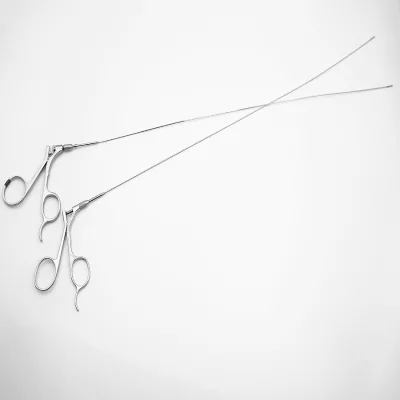
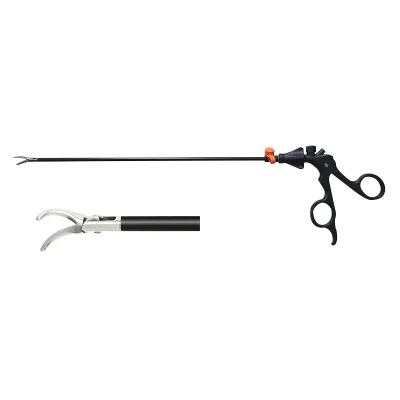
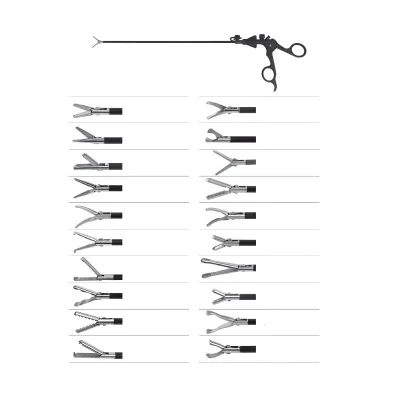
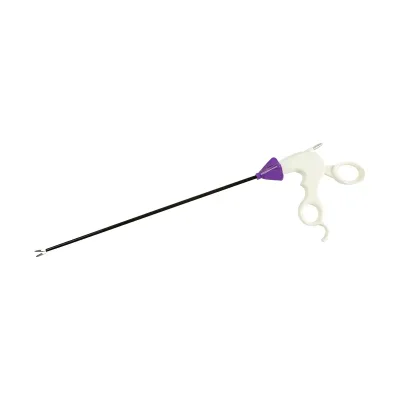
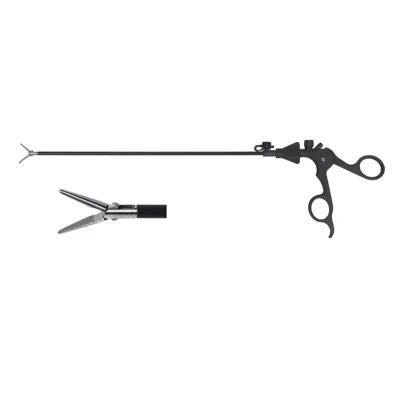
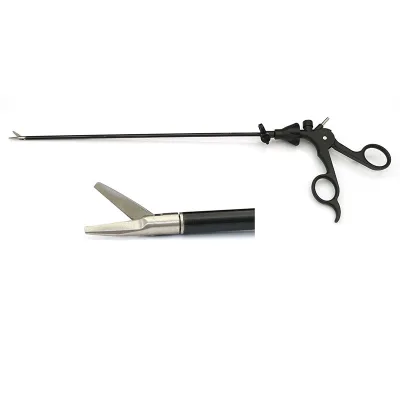


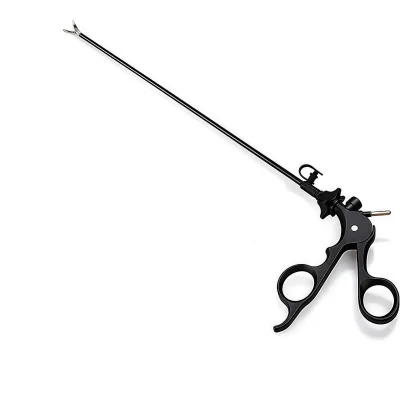
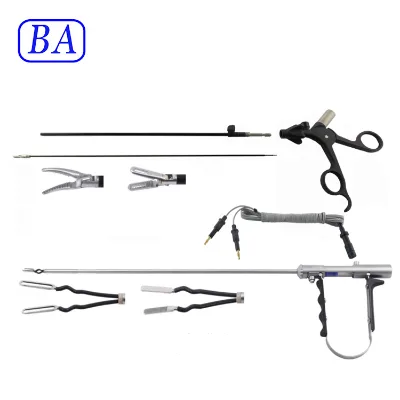
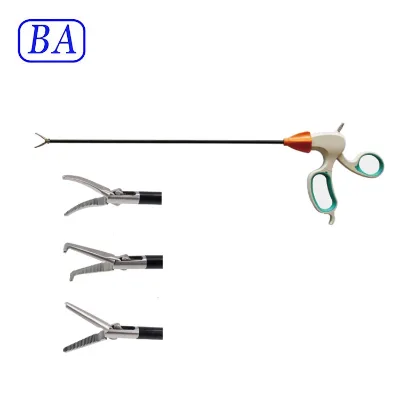
Reusable Laparoscopic Abdominal Surgery Artery Mosquito Forceps Surgical Instrument
$85.00 - $110.00
MOQ: 1 Minimum


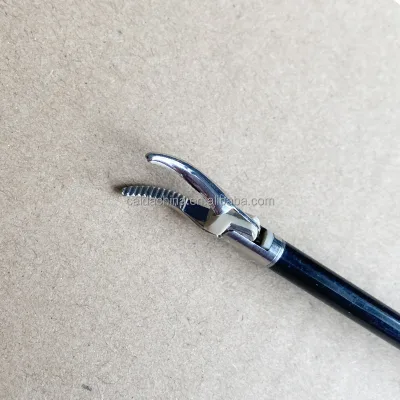
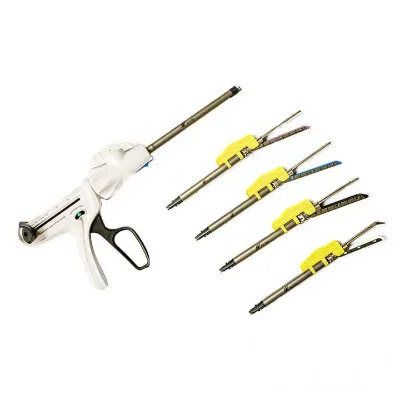

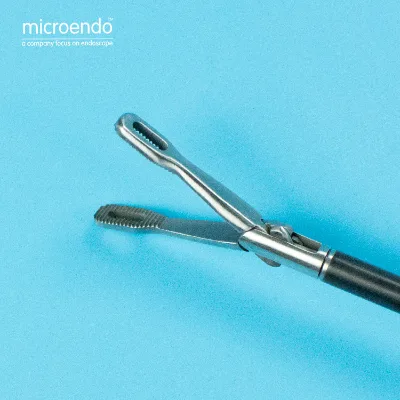
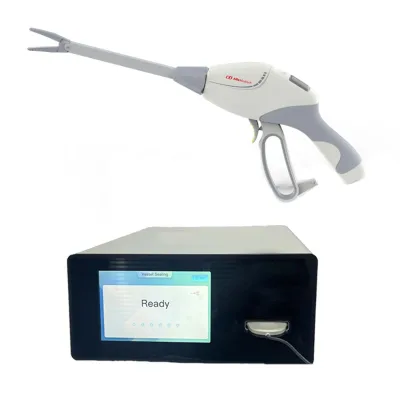

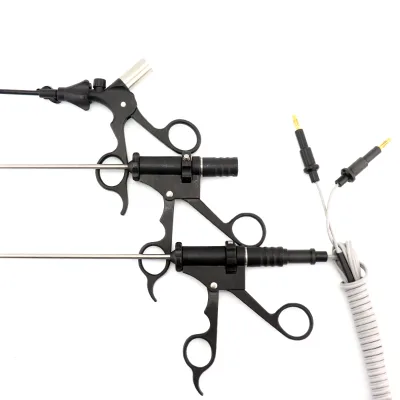
Surgical Laparoscopic Instruments Bipolar Resectoscope Working Element Resectoscope Set
$500.00 - $2000.00
MOQ: 1 Pieces


Comprehensive Sourcing Guide
Strategic Sourcing Guide for Laparoscopic Surgical Artery Forceps and Scissors Sets
Procuring specialized medical instruments such as laparoscopic surgical artery forceps and scissors sets requires a rigorous approach that balances technical precision with regulatory compliance. These instruments are critical for minimally invasive procedures, where the margin for error is minimal and the demand for reliability is absolute. Buyers must navigate a complex landscape of material science, manufacturing standards, and supply chain logistics to ensure the acquisition of high-quality surgical tools. This guide outlines the essential factors for sourcing these devices, drawing on observed market data and industry standards to provide a framework for informed decision-making.
Technical Specifications and Material Composition
The foundation of any reliable surgical instrument lies in its physical specifications and material integrity. For laparoscopic forceps and scissors, the dimensions and structural properties directly influence surgical efficacy. Market observations indicate that these instruments often come in specific model configurations, such as the TQ10, TQ10-J, and TQ5 series, or generic model numbers like DQ and QT-1447. Length is a critical parameter; observed specifications include lengths of 330mm, with specific variations like 5mm and 10mm shaft diameters, which are standard for various laparoscopic ports.
Material selection is paramount for durability and biocompatibility. The supply chain data reveals a divergence in material composition depending on the intended use. Some products are constructed from high-grade Stainless Steel or Steel, ensuring the necessary rigidity and corrosion resistance required for repeated sterilization cycles. Conversely, other listings indicate the use of Plastic materials, which may be designated for disposable applications or specific single-use scenarios. The distinction between reusable and disposable variants is crucial; while some sets are marketed as re-usable for general surgery and training, others are explicitly labeled as disposable to mitigate cross-contamination risks.
The finish and surface treatment of these instruments also play a vital role. A processing time of 7-15 days is observed for the finishing stages, which likely encompasses polishing, sharpening, and surface treatments to ensure smooth operation within the laparoscopic environment. The single package sizes vary significantly, ranging from compact 21x11x10 cm boxes to larger 60x9x15 cm packages, reflecting the complexity of the set contents. Buyers must verify that the model number corresponds to the required shaft length and jaw configuration, as the standard sizes observed include 3/5/10/12mm variations, ensuring compatibility with different surgical ports and instruments.
Regulatory Compliance and Certification Verification
In the medical device sector, regulatory compliance is not merely a formality but a prerequisite for market entry and clinical safety. When sourcing laparoscopic sets, buyers must rigorously verify the certification status of the manufacturer and the specific product line. The observed data highlights several key certifications that serve as indicators of quality management systems. ISO9001:2015 is frequently cited as a quality certification, indicating that the supplier adheres to international standards for quality management. Furthermore, ISO13485 is noted as a specific safety standard for medical devices, which is essential for manufacturers producing surgical instruments.
Classifications of the instruments also dictate the regulatory pathway. The market data shows a split between Class I and Class II instrument classifications. Class I instruments generally pose a lower risk and may have streamlined regulatory requirements, whereas Class II devices, such as certain imaging diagnostic equipment or more complex surgical tools, require stricter oversight. The presence of CE certification is another critical marker, particularly for products intended for the European market. Additionally, the "ISOCE" certification mentioned in the data suggests a combination of standards, though buyers should verify the specific scope of this certification to ensure it covers the intended surgical application.
It is imperative to confirm that the "Safety standard" and "Quality Certification" listed on product documentation match the regulatory requirements of the destination country. While some listings mention "customer demand" as a standard, this is a red flag for standardization; buyers should insist on adherence to established international norms rather than ad-hoc specifications. The distinction between "Instrument classification" and "Product classification" must also be clear, as the latter might refer to broader categories like "surgical kit" or "imaging diagnostic equipment," which have different regulatory implications than the individual instruments within the set.
Cost Drivers and Pricing Dynamics
Understanding the cost structure of laparoscopic surgical sets is essential for budgeting and negotiation. The observed price range in the market is exceptionally broad, spanning from $0.12 to $10,000 USD. This vast disparity is not indicative of a single product type but rather reflects the diversity of the market, ranging from single disposable items to comprehensive surgical kits or high-end reusable systems. The lower end of the spectrum likely corresponds to single disposable units or basic components, while the upper end may represent complete instrument sets, specialized training models, or systems with advanced features.
Several factors drive these costs. The material composition is a primary driver; stainless steel and high-grade steel instruments command higher prices due to material costs and the labor-intensive finishing processes required. The "re-usable" designation often correlates with higher initial costs but offers long-term value through sterilization and repeated use, whereas "disposable" items have a lower unit cost but require continuous repurchasing. The complexity of the set, indicated by the "surgical kit" or "instrument set" classification, also influences pricing. A set containing multiple forceps and scissors, along with packaging and accessories, will naturally cost more than a single item.
Minimum Order Quantity (MOQ) is another significant cost driver. The observed MOQ ranges from 1 piece to 2,000 units. For small hospitals or clinics, an MOQ of 1 piece allows for trial purchases, but the unit price may be higher. Conversely, bulk purchasing with an MOQ of 2,000 units typically results in a lower per-unit cost but requires significant capital outlay and storage capacity. Buyers must balance the trade-off between inventory holding costs and unit price savings. Additionally, the "Single selling units" and "Selling Units" data suggest that some suppliers offer flexible packaging, which can impact the total cost of ownership depending on the procurement volume.
Typical Applications and Clinical Utility
Laparoscopic surgical artery forceps and scissors sets are designed for a wide array of medical applications, primarily within the realm of minimally invasive surgery. The observed applications include general surgery, laparoscopic surgery training, liposuction surgery, and specific procedures in anorectal and urology departments. The versatility of these instruments allows them to be used in abdominal procedures as well, highlighting their importance in modern surgical practices. The "Power Source" is consistently listed as "Manual," indicating that these are hand-operated instruments that rely on the surgeon's dexterity rather than electronic or pneumatic power, which is typical for standard forceps and scissors.
The clinical utility of these sets extends beyond the operating room to include educational settings. The mention of "laparoscopic surgery training" suggests that these instruments are suitable for simulation and skill development, where durability and realistic feedback are essential. For training purposes, the distinction between reusable and disposable sets becomes even more critical; reusable sets offer a cost-effective solution for repeated use in simulation labs, while disposable sets may be preferred for infection control in high-volume training environments.
Furthermore, the specific application in "anorectal" and "urology" contexts implies that the instrument design must accommodate the unique anatomical challenges of these areas. The "Classification" as "Imaging Diagnostic Equipment" in some listings might refer to the integration of these tools with imaging systems, although this is less common for standard forceps and scissors. Buyers should ensure that the specific model, such as the 5330 or 10330mm variants, is optimized for the intended anatomical site. The "Color" of the instruments, observed as Black or White, may also have functional implications, such as contrast against tissue or visibility under specific lighting conditions, though this is often a secondary aesthetic consideration.
Supplier Evaluation and Geographic Origins
Evaluating suppliers requires a keen eye on their geographic origins and operational capabilities. The data indicates that products originate from various regions in China, including Qingdao, Jiangsu, Zhejiang, and Chongqing. Each of these locations may have different industrial specializations and supply chain efficiencies. For instance, Qingdao and Jiangsu are known for their robust manufacturing bases, while Zhejiang and Chongqing may offer competitive pricing or specialized production lines. The "Place of Origin" is a critical piece of information for logistics planning and understanding the potential lead times associated with shipping from these regions.
Supplier reliability is further assessed through their after-sales support and warranty offerings. The observed data mentions "Online Technical Support" and a "Warranty" period of 1 year, which are positive indicators of supplier confidence in their products. However, the "Shelf Life" varies, with some products listed as having a 1-year shelf life and others up to 2 years. This discrepancy highlights the need for buyers to verify the expiration dates and storage conditions for the specific products they intend to purchase. The "Brand Name" is another factor; while some listings show specific brands like "FY" or "Lanze," others may be generic. Buyers should prioritize suppliers with established brand reputations and transparent quality control processes.
The "Single gross weight" and "Single package size" are also relevant for logistics. A gross weight of 1.000 kg or 0.5kg per unit, combined with package dimensions, affects shipping costs and storage requirements. Suppliers offering "Box" packaging are generally preferred for protecting delicate instruments during transit. Buyers should also consider the "Delivery Time," which is observed as 7-15 days, and ensure that this aligns with their procurement timelines. The availability of shipping options like DHL, UPS, FedEx, EMS, and TNT Air Cargo provides flexibility, but buyers must evaluate the cost and speed of these services relative to their needs.
Quality Control and Long-Term Procurement Strategy
Implementing a robust quality control (QC) strategy is essential for maintaining the integrity of surgical instruments. The "Finish" process, with a lead time of 7-15 days, suggests that significant time is dedicated to ensuring the instruments meet precise specifications. Buyers should request detailed QC reports that cover material testing, dimensional accuracy, and functional performance. The "Customization" availability noted in the data indicates that suppliers can tailor products to specific needs, but this requires clear communication of requirements and rigorous verification of the customized output.
Long-term procurement considerations involve building a sustainable relationship with suppliers. The "After-sale Service" of "Online Technical Support" is a valuable asset for troubleshooting and maintenance. Buyers should establish clear protocols for handling defects, returns, and warranty claims. The "Warranty" of 1 year provides a baseline for product reliability, but buyers should also consider the total cost of ownership, including sterilization costs for reusable sets or replacement costs for disposable ones. The "Classification" of the product as a "surgical kit" or "instrument set" suggests that these are complex purchases that may require ongoing support and inventory management.
Finally, buyers must remain vigilant about the "Standard" and "Specification" consistency. While some products adhere to standard sizes like 330mm*5mm, others may be customized to "customer demand." This flexibility is beneficial but requires strict adherence to quality standards to prevent variability in performance. By focusing on suppliers with proven track records, clear certifications, and transparent quality control processes, buyers can ensure the acquisition of high-quality laparoscopic surgical artery forceps and scissors sets that meet the demanding requirements of modern medical practice.
FAQs
What certifications do laparoscopic surgical artery forceps and scissors sets have?
These sets typically hold ISO9001:2015 and ISO13485 safety certifications. Some listings also reference CE or ISOCE marks, ensuring compliance with international quality management and medical device safety standards for surgical instruments.
Which materials are used for these surgical forceps and scissors?
Products are constructed from stainless steel or steel for reusable durability. Some variants are made of plastic, designed specifically for disposable applications to prevent cross-contamination during single-use procedures.
Can I find these instruments with a 7-15 day delivery time?
Yes, the standard delivery time for these sets is observed as 7-15 days. This lead time covers the finishing process and shipping arrangements via carriers like DHL, UPS, or FedEx from origins in China.
What is the minimum order quantity for these surgical kits?
The minimum order quantity ranges from 1 piece to 2,000 units depending on the supplier. This flexibility allows buyers to purchase single items for testing or place bulk orders for hospital inventory needs.
Which specifications are available for the shaft length and diameter?
Common specifications include a 330mm length with 5mm or 10mm diameters. Models such as TQ10, DQ, and QT-1447 are available, with standard sizes often listed as 3/5/10/12mm to fit various surgical ports.
Where are these surgical instruments manufactured?
Products originate from several Chinese regions including Qingdao, Jiangsu, Zhejiang, and Chongqing. These locations serve as the primary production hubs for both reusable and disposable laparoscopic surgical instrument sets.
What is the shelf life of these disposable or reusable sets?
The shelf life varies between 1 year and 2 years depending on the specific product model. Buyers should verify the expiration date on the packaging, which is typically stored in a box format.