Source Car Tractor Crankshaft for cars, trucks, and tractors
Explore 30 listings for Car Tractor Crankshaft components suitable for cars, trucks, and tractors. Buyers can compare specifications, certifications, and pricing from verified Chinese manufacturers offering customizable options and standard packaging.
Key considerations
Products List


Automobile Parts Engine Spare Parts Car Accessories Motorcycle Crankshaft
$80.00 - $150.00
MOQ: 10 Pieces

Car Accessories Loader Engine Spare Excavator Parts Crankshaft for Tractor
$80.00 - $150.00
MOQ: 10 Pieces


Excavator Parts Crankshaft ISO 9001 Certificates Car Parts Motorcycle Crankshaft
$80.00 - $150.00
MOQ: 10 Pieces


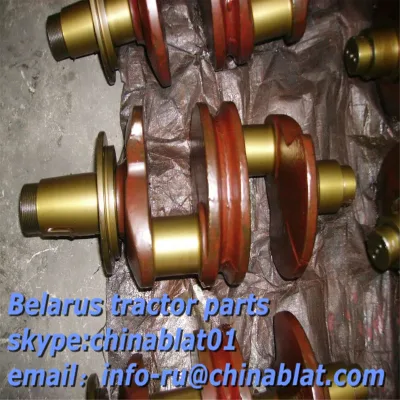

OEM Engine Spare Part CNC Machining Crankshaft for Car/Auto/Truck/Tractor
$1.20 - $5.00
MOQ: 200 Pieces


Forged Steel Crankshaft for Truck Excavator Loader Bulldozer Tractor Auto Car
$9.00 - $999.00
MOQ: 1 Pieces


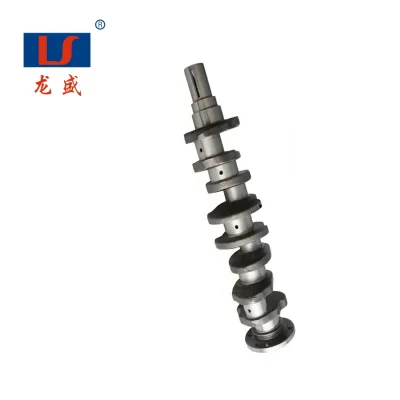


Comprehensive Sourcing Guide
Strategic Sourcing Guide for Car, Tractor, and Excavator Crankshafts
Understanding the Core Product and Technical Specifications
The crankshaft is a fundamental mechanical component responsible for converting the reciprocating motion of pistons into rotational motion within an engine. For buyers targeting the specific niche of car, tractor, and excavator applications, the technical requirements vary significantly based on the machinery's operational load and duty cycle. The supplied product data indicates that the primary material composition for these components is typically cast iron or steel, with specific listings noting "Cast Iron" and "Iron" as standard materials. The weight of these units can vary, with observed specifications ranging from approximately 1 kg to 4.5 lbs, suggesting a wide spectrum of sizes from smaller engine applications to heavier industrial units.
Engine compatibility is a critical technical parameter. The data confirms that the target engine type for these crankshafts is predominantly diesel, which aligns with the high-torque requirements of tractors, excavators, and heavy-duty trucks. However, the application scope is broader, extending to cars, motorbikes, boats, and lawn mowers. When sourcing, buyers must verify the specific model number against their engine requirements. The observed product models include specific identifiers such as "SA-JT562," "Dt75," and "T-25," alongside generic "Optional" model designations. This variability underscores the necessity of precise cross-referencing between the OEM part number and the supplier's catalog to ensure mechanical fitment.
Furthermore, the physical dimensions and standardization of the crankshaft are vital. Some listings reference specific standard dimensions like "12mm or 14mm" or a packaging standard of "202020," which likely refers to packaging dimensions rather than the part itself. The "Deck" attribute is noted as "Double" in certain contexts, which may relate to the structural design of the crankshaft or the associated engine block interface. Buyers should treat these numerical values as observations of specific listings rather than universal standards for all crankshafts in this category. The "Muffler Type" being listed as "Rear Muffler" in some data points suggests that some product listings may bundle related exhaust components or that the crankshaft is part of a larger assembly kit, requiring careful verification of what is included in the "Single item" selling unit.
Compliance, Certification, and Quality Standards
In the B2B procurement of automotive and agricultural engine parts, compliance with international standards is non-negotiable. The supplied facts highlight a robust array of certifications and standards that suppliers may claim to meet. These include ISO certifications, specifically ISO9001:2008, which is a global benchmark for quality management systems. Additionally, the data references CE marking, indicating conformity with health, safety, and environmental protection standards for products sold within the European Economic Area. Other standards mentioned include SGS, ASTM, GB (Guobiao), DIN, and EN124, covering material testing, dimensional tolerances, and manufacturing processes.
Buyers must exercise caution when interpreting these certifications. The presence of a certification in a product listing does not automatically guarantee that every unit of that model meets the standard; rather, it indicates the supplier's claimed adherence. The data also notes "RoHS" compliance, which restricts the use of specific hazardous materials in electrical and electronic equipment, though its relevance to a mechanical crankshaft depends on the presence of any electronic sensors or coatings. A critical observation is the variation in warranty periods listed, ranging from 6 months to 12 months. This discrepancy suggests that warranty terms are not standardized across the market and must be negotiated or verified on a per-supplier basis.
Quality assurance is further supported by the availability of machinery test reports. The data explicitly states that these reports are "Provided," which is a significant advantage for buyers needing to validate performance before mass deployment. The "OEM Standard" attribute is marked as "Yes" in several entries, implying that the parts are manufactured to original equipment manufacturer specifications, ensuring interchangeability with existing engine assemblies. However, buyers should verify if the "Standard Package" or "STD/OEM/ODM" designation implies custom manufacturing capabilities or if it refers to standard off-the-shelf inventory. The "Quality" attribute is generally listed as "Standard," which is a baseline expectation; for high-performance applications, buyers should request specific material test certificates or hardness reports beyond the general "Standard" claim.
Cost Drivers and Pricing Dynamics
The pricing landscape for crankshafts in this category is highly variable, with observed listed prices ranging from 1 to 2000 USD. This wide range reflects differences in material costs, manufacturing complexity, engine size, and the specific application (e.g., a small lawn mower crankshaft versus a heavy excavator component). The "Selling Point" of "Attractive Price" is frequently cited, suggesting that cost competitiveness is a primary driver for many suppliers in this sector. However, buyers should be wary of prices at the extreme low end of the spectrum, as they may correlate with lower material grades or reduced quality control measures.
Material composition is a primary cost driver. Listings specify "Cast Iron" and "Steel" as the main materials. Cast iron is generally more cost-effective and suitable for high-compression diesel engines, while steel may be used for high-stress applications requiring greater tensile strength. The weight of the component, ranging from 1 kg to 4.5 lbs, also influences the price, as heavier parts require more raw material and energy to manufacture. Additionally, the "Customization" attribute is listed as "Available," which introduces a variable cost factor. Custom machining, specific model adaptations, or unique packaging requirements (such as "Plywood Box" or "Wooden & Pallet" versus "Carton") will increase the unit price compared to standard off-the-shelf items.
Minimum Order Quantity (MOQ) is another critical financial consideration. The observed MOQ range is 1 to 200 units. This flexibility allows buyers to test the market with small orders (MOQ of 1) or secure bulk pricing for larger fleets (MOQ up to 200). The "Selling Units" are defined as "Single item," which facilitates small-scale procurement but may not be optimal for large-scale industrial projects where bulk discounts are expected. Buyers should calculate the total cost of ownership, including shipping and potential customs duties, as the "Port of dispatch" is listed as "Tianjin" and the "Place of origin" includes locations like "Hebei," "Shijiazhuang," and "Weifang, Shangdong." These logistical factors can significantly impact the final landed cost, especially for international buyers.
Typical Applications and Operational Context
The versatility of the crankshaft is evident in the diverse applications listed. The core keyword "Car Tractor Crankshaft" is supported by data showing usage in cars, trucks, tractors, excavators, motorbikes, boats, and lawn mowers. For agricultural machinery, the specific usage includes tillage, planting, fertilization, harvesting, agricultural products processing, farmland infrastructure, grain threshing, and cleaning and drying. This broad application spectrum requires buyers to match the crankshaft's durability and design to the specific operational stresses of the machinery.
Tractors and excavators, in particular, operate under high-load and continuous duty conditions. The "Diesel" engine type is standard for these applications, necessitating crankshafts with high fatigue resistance. The "Application" field also lists "Ke Tan," which may refer to a specific regional or industrial context, and "Lawnmower," indicating that the same supply chain serves both heavy industrial and light consumer markets. The "Usage" attribute further details the agricultural context, emphasizing the need for reliability in critical farming operations. For car and truck applications, the focus shifts slightly towards efficiency and noise reduction, although the fundamental mechanical requirements remain similar.
The "Service" attribute of "One-Stop Service" suggests that suppliers may offer comprehensive support, including sourcing, logistics, and after-sales assistance. This is particularly valuable for buyers managing complex fleets with mixed applications. The "Delivery Time" of 7 to 60 days indicates a variable lead time, likely dependent on the order size, customization requirements, and production schedule. Buyers planning for fleet maintenance or new equipment deployment must account for this range to avoid operational downtime. The "Warranty" periods of 6 to 12 months provide a safety net for early failures, but the specific terms should be clarified before purchase, as they may vary by supplier and product model.
Supplier Evaluation and Geographic Considerations
When evaluating suppliers for crankshafts, the geographic origin of the product is a key factor. The data consistently points to China as the place of origin, with specific regions including Hebei, Shijiazhuang, and Weifang, Shangdong. These regions are known for their manufacturing clusters, particularly in the automotive and agricultural machinery sectors. The "Port of dispatch" being Tianjin is a major logistical hub, facilitating efficient export to global markets. Buyers should verify the specific factory location to assess the supplier's proximity to raw material sources and their logistical capabilities.
Supplier reliability can be gauged through the "Service" and "Quality" attributes. The "One-Stop Service" claim implies a commitment to customer satisfaction, while the "Quality" being listed as "Standard" requires further validation through sample testing or third-party inspections. The availability of "Machinery Test Reports" is a strong indicator of a supplier's transparency and confidence in their product. Buyers should request these reports to verify that the crankshaft meets the required performance standards for their specific application. Additionally, the "Customization" availability suggests that suppliers are willing to adapt their products to meet unique buyer requirements, which is a positive sign of flexibility and capability.
The "Standard" attribute, listing "STD/OEM/ODM," indicates that suppliers can produce parts to standard specifications, original equipment manufacturer (OEM) requirements, or original design manufacturer (ODM) custom designs. This flexibility is crucial for buyers who need parts that are not readily available in the market or who require proprietary specifications. However, buyers must ensure that the supplier has the necessary technical expertise and quality control processes to deliver on these customizations. The "Packaging Details," ranging from "Carton" and "Polyethylene bag" to "Plywood Box" and "Wooden & Pallet," also reflect the supplier's attention to detail in protecting the product during transit, which is essential for maintaining the integrity of precision-engineered components like crankshafts.
Long-Term Procurement and Quality Assurance Strategies
Sourcing crankshafts is not merely a transactional activity but a strategic partnership that impacts long-term operational efficiency. The "Warranty" periods of 6 to 12 months provide a baseline for product reliability, but buyers should aim for suppliers who offer extended warranties or robust after-sales support. The "Delivery Time" of 7 to 60 days highlights the importance of supply chain resilience. Buyers should develop contingency plans for potential delays, especially when dealing with large orders or customized parts. Establishing a relationship with a supplier who can consistently meet the "7-60 days" window is crucial for maintaining inventory levels and minimizing downtime.
Quality control should be a continuous process, not a one-time check. The availability of "Machinery Test Reports" is a valuable tool for initial validation, but buyers should consider implementing ongoing quality audits. The "Standard" and "OEM Standard" attributes suggest that the parts are manufactured to recognized specifications, but buyers should verify these claims through independent testing, especially for critical applications like excavators and tractors where failure can lead to significant safety risks. The "Material" specifications of "Cast Iron" and "Steel" should be confirmed through material analysis to ensure they meet the required hardness and tensile strength for the intended application.
Finally, the "Attractive Price" selling point should be balanced against the total cost of ownership. While low initial costs are appealing, the long-term value of a crankshaft lies in its durability and performance. Buyers should prioritize suppliers who demonstrate a commitment to quality through certifications like ISO9001:2008 and CE, and who provide comprehensive documentation such as test reports and warranty terms. By focusing on these factors, buyers can build a resilient supply chain that supports the reliable operation of their car, tractor, and excavator fleets over the long term. The "One-Stop Service" and "Customization" capabilities of suppliers further enhance the value proposition, offering a comprehensive solution that addresses both immediate procurement needs and future operational challenges.
FAQs
What certifications do Car Tractor Crankshaft suppliers typically provide?
Suppliers typically provide ISO, CE, and RoHS certifications for these components. Some listings also include SGS, ASTM, GB, DIN, and EN124 standards. Buyers should verify specific certification documents like machinery test reports before purchasing.
How long is the delivery time for Car Tractor Crankshaft orders?
The delivery time ranges from 7 to 60 days depending on order specifics. This lead time varies based on customization needs and production schedules. Buyers should confirm exact dates with the supplier to avoid operational downtime.
Which materials are used to manufacture car tractor crankshafts?
These crankshafts are primarily manufactured using cast iron or steel materials. The specific material choice depends on the engine type and application requirements. Buyers should check the material specification to ensure compatibility with their machinery.
Can buyers customize the model number for car tractor crankshafts?
Yes, customization is available for model numbers and specific product requirements. Suppliers offer OEM and ODM options to meet unique specifications. Buyers must provide detailed requirements to ensure the customized part fits their engine assembly.
What is the warranty period for Car Tractor Crankshaft products?
Warranty periods typically range from 6 months to 12 months. The specific duration depends on the supplier and the product model purchased. Buyers should clarify warranty terms in the contract to ensure adequate protection against early failures.
Where are Car Tractor Crankshaft products manufactured and shipped from?
Products originate from regions in China such as Hebei, Shijiazhuang, and Weifang. Shipments are dispatched from the port of Tianjin. Buyers should account for these locations when calculating logistics costs and delivery timelines.