Source Solid Waste Plastic Shredder Machine for PET, PP, and HDPE
Find and compare 30 Solid Waste Plastic Shredder Machine options for recycling PET bottles, PP woven bags, and HDPE films. Evaluate capacities from 300 to 4000 kg/h, motor powers, and blade materials like SKD-11 to select the right industrial solution.
Key considerations
Products List


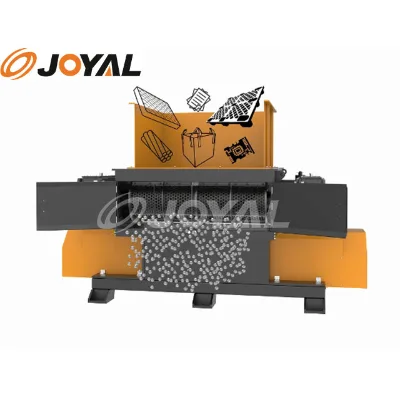


Plastic Recycling Double Shaft Shredding Machine Plastic Shredder Machine
$8000.00 - $200000.00
MOQ: 1 Sets

Plastic Recycling Machine Plastic Crusher Double Shaft Plastic Shredder
$8000.00 - $200000.00
MOQ: 1 Sets


Plastic Crusher Shredder Machine and Crushing Shredder for Waste Recycling
$15000.00 - $300000.00
MOQ: 1 Pieces

Industrial Plastic Shredder Machine for Plastic Waste Recycling System
$15000.00 - $300000.00
MOQ: 1 Pieces

Plastic Waste Material Crushers and Shredders for Recycling System
$15000.00 - $300000.00
MOQ: 1 Pieces

Plastic Garbage Recycling Crusher Machine with Shredding Machine for Plastic Waste Solutions
$15000.00 - $300000.00
MOQ: 1 Pieces

Best Plastic and Foam Shredder and Crushing Machine for Waste Recycling
$15000.00 - $300000.00
MOQ: 1 Pieces

Plastic Crusher Machine for Waste Plastic Recycling and Management
$15000.00 - $300000.00
MOQ: 1 Pieces

Plastic Shredder/Plastic Recycling Machine/ Plastic Shredder Machine
$35000.00 - $100000.00
MOQ: 1 Pieces


Single Shaft Shredder /Granulator/Plastic Machine/Plastic Recycling Machinery
$10000.00 - $40000.00
MOQ: 1 Sets


Comprehensive Sourcing Guide
Solid Waste Plastic Shredder Machine Sourcing Guide
Sourcing a Solid Waste Plastic Shredder Machine requires a disciplined approach to aligning mechanical specifications with your specific recycling throughput goals. The market offers a diverse range of equipment, from single-shaft units to complex double-shaft systems, each designed for different material densities and volume requirements. Buyers must navigate a landscape where terminology often overlaps, with terms like "plastic shredder," "hard plastic crusher," and "double shaft shredder" appearing interchangeably in listings. Understanding these distinctions is critical, as the mechanical design directly impacts energy consumption, maintenance frequency, and the quality of the resulting flake. This guide provides a structured framework for evaluating these machines based on observed market data and technical realities, ensuring that procurement decisions are grounded in verifiable facts rather than marketing claims.
The procurement process for industrial shredding equipment is characterized by significant variability in configuration and performance metrics. Observed listings indicate a wide price range, typically spanning from $1,000 to $400,000 USD, reflecting differences in motor power, structural integrity, and component quality. Minimum Order Quantities (MOQ) are frequently listed as one unit, suggesting that most suppliers operate on a made-to-order basis rather than maintaining large inventories of finished goods. This manufacturing model necessitates careful attention to lead times and customization options, as standard models may not fit specific facility layouts or material processing needs. Buyers should approach this procurement with a clear understanding of their operational constraints, including space availability, power infrastructure, and desired output capacity, to effectively filter through the available options.
Product Scope and Observed Listing Signals
The product scope for solid waste plastic shredders encompasses a variety of machine types, primarily categorized by their shaft configuration and feeding mechanism. Observed data highlights two dominant structural types: top-feed machines and single-shaft designs, with some listings explicitly identifying double-shaft configurations. These machines are engineered to process a wide array of plastic materials, including PET bottles, PP woven bags, PE films, HDPE bottles, and LDPE. The versatility of these units allows them to handle both hard plastics and flexible films, making them suitable for comprehensive recycling facilities. However, the specific blade material and knife classification, such as flat knife crushers or solid knife rollers, vary significantly between models, influencing the machine's ability to handle different material densities without jamming or excessive wear.
Listing signals also reveal important details about the auxiliary systems and operational parameters of these machines. Motor power ratings are a key differentiator, with observed ranges spanning from 22kW to 75kW, directly correlating with the machine's crushing capacity, which typically falls between 300kg/H and 400kg/H for smaller units, and up to 3000kg/Hr for larger industrial models. The automation level is another critical signal, with many machines described as automatic or computerized, featuring advanced control systems from brands like Siemens and Schneider. Additionally, the inclusion of specific components such as ABB invertors and famous brand planetary gearboxes indicates a focus on reliability and performance. Buyers should scrutinize these signals to ensure that the machine's capabilities align with their expected throughput and operational complexity.
Technical Specifications to Verify
Verifying the technical specifications of a solid waste plastic shredder is paramount to ensuring long-term operational efficiency. The blade material is a critical factor, with observed listings specifying high-grade steels such as SKD-11, DC53, and SKD11. These materials are chosen for their hardness and wear resistance, which are essential for maintaining sharp cutting edges when processing abrasive plastics. Buyers should request detailed material certificates for the blades and verify the heat treatment processes used, as inferior materials can lead to rapid dulling and increased downtime. Furthermore, the shaft design, whether single or double, must be matched to the specific type of plastic being processed, as different configurations offer varying torque outputs and feeding stability.
The structural integrity and component quality of the machine also require rigorous verification. The main body of the machine is often constructed from stainless steel, with some listings specifying SS304 or SS316 for parts in contact with water, particularly in integrated washing lines. Bearings are another critical component, with SKF bearings frequently cited as a standard for reliability. Buyers should confirm the bearing specifications and ensure that the gearbox is from a reputable manufacturer, as these components are subject to high stress during operation. Additionally, the electrical system, including motors from brands like ABB or Siemens, should be verified for compatibility with the local power grid and control requirements. Understanding these technical details helps buyers avoid costly failures and ensures that the machine can handle the intended workload.
Compliance and Safety Documentation
Compliance and safety documentation are essential components of the procurement process for industrial shredding equipment. Most observed listings indicate that machines are certified to CE and ISO standards, with some specifying ISO9001:QS or ISO9001:GMP certifications. These certifications provide assurance that the manufacturer adheres to recognized quality management systems and safety regulations. However, buyers should verify the validity of these certifications and ensure that they cover the specific model being purchased. The presence of CE marking is particularly important for buyers in regions where such compliance is mandatory for import and operation. Additionally, documentation should include detailed safety manuals, electrical schematics, and maintenance guides to ensure safe operation and proper upkeep.
Safety features and operational protocols must also be thoroughly reviewed. Machines should be equipped with appropriate safety guards, emergency stop buttons, and interlock systems to prevent accidental access to the cutting chamber. Buyers should request information on the machine's noise levels and dust generation, as these factors can impact workplace safety and environmental compliance. Furthermore, the installation process should be clearly defined, with some suppliers offering overseas installation services by engineers. This service can be valuable for ensuring that the machine is set up correctly and that local operators are trained on its safe and efficient use. Buyers should confirm the scope of these services and any associated costs to avoid unexpected expenses during the commissioning phase.
Cost Drivers and Commercial Terms
The cost of a Solid Waste Plastic Shredder Machine is influenced by several key drivers, including motor power, structural complexity, and component quality. Higher motor power ratings, such as those exceeding 50kW, typically command higher prices due to the increased energy consumption and robust construction required. Similarly, machines with double-shaft designs or advanced automation features may be more expensive than basic single-shaft units. Buyers should also consider the cost of ancillary equipment, such as conveyors, washing lines, or drying systems, which may be necessary for a complete recycling solution. The packing method, whether wooden case or film package, can also impact shipping costs and insurance premiums, particularly for international orders.
Commercial terms and payment structures are another critical aspect of the procurement process. Buyers should negotiate clear terms regarding delivery, installation, and after-sales support. Some suppliers offer a guarantee period, typically around 12 months, which provides some protection against early failures. However, buyers should clarify the scope of this warranty and any exclusions that may apply. Training is also an important consideration, with some suppliers providing conclusive training programs for local operators. Buyers should ensure that these training sessions are comprehensive and cover both operational and maintenance procedures. Additionally, the supplier's exporting experience and reputation can influence the reliability of the transaction, so buyers should seek references and verify the supplier's track record in international markets.
Supplier Qualification and Quality Control
Supplier qualification is a vital step in mitigating procurement risks for solid waste plastic shredder machines. Buyers should assess the supplier's manufacturing capabilities, including their production facilities, quality control processes, and engineering expertise. Suppliers with a long working experience, such as those claiming 15+ years in the industry, may offer greater reliability and technical support. However, buyers should verify these claims through site visits or third-party audits if possible. The supplier's ability to provide customization is also important, as many recycling facilities have unique requirements that standard machines may not meet. Buyers should inquire about the supplier's flexibility in modifying machine specifications to suit specific needs.
Quality control measures should be clearly defined and agreed upon before production begins. Buyers should request detailed inspection reports and test results for key components, such as blades, bearings, and motors. The use of high-quality materials, such as SKD-11 blades and SKF bearings, should be verified through material certificates. Additionally, buyers should establish clear acceptance criteria for the finished machine, including performance tests for throughput, energy consumption, and noise levels. The supplier's commitment to quality should be reflected in their willingness to accommodate these inspections and tests. By prioritizing supplier qualification and rigorous quality control, buyers can ensure that they receive a machine that meets their operational requirements and performs reliably over time.
Long-Term Procurement Checks
Long-term procurement checks focus on the sustainability and supportability of the Solid Waste Plastic Shredder Machine. Buyers should consider the availability of spare parts, particularly for high-wear items like blades and bearings. Suppliers that maintain a robust inventory of spare parts or have established supply chains for these components can minimize downtime during maintenance. The machine's design should also facilitate easy access for maintenance and repair, reducing the time and cost associated with upkeep. Buyers should request a comprehensive spare parts list and pricing schedule to plan for future maintenance needs. Additionally, the supplier's ability to provide technical support and troubleshooting assistance is crucial for resolving issues quickly and efficiently.
The machine's adaptability to future changes in material processing or production volume is another important consideration. As recycling technologies evolve, buyers may need to upgrade or modify their equipment to handle new types of plastic waste or increase throughput. Suppliers that offer modular designs or upgrade options can provide greater flexibility and protect the buyer's investment. Furthermore, the supplier's commitment to continuous improvement and innovation should be evaluated, as this can indicate their ability to provide updated models and technologies in the future. By conducting thorough long-term procurement checks, buyers can ensure that their investment in a Solid Waste Plastic Shredder Machine remains viable and competitive over its entire lifecycle.
FAQs
What is the crushing capacity of this machine?
The crushing capacity ranges from 300 to 400 kilograms per hour for standard models. Some configurations can reach up to 3000 kilograms per hour depending on the specific model requested and the material processed.
Which blade materials are used for durability?
Blades are constructed from high-grade SKD-11 or DC53 steel to ensure longevity. These materials are selected specifically for their ability to handle hard plastics like PET, PP, PVC, and HDPE effectively.
Can the machine be customized for specific needs?
Yes, customization is available to meet specific production requirements. Buyers can request specific shaft sizes and configurations, and the machine supports various plastic types including waste bottles and woven bags.
What certifications does the equipment hold?
The equipment holds CE and ISO9001 certifications, with some models also meeting QS and GMP standards. These certifications ensure the machinery complies with international safety and quality management requirements.
How long is the warranty period for the machine?
The standard guarantee period provided is twelve months from the date of purchase. This warranty covers the main components and ensures support for the initial operational phase of the recycling line.
What is the motor power range for this shredder?
Motor power options range from 22 kilowatts to 75 kilowatts depending on the model. Major electrical parts are sourced from reputable brands like Siemens and Schneider to ensure reliable performance.
Where is this plastic recycling machine manufactured?
The machine is manufactured in Zhangjiagang, China, by experienced suppliers with over fifteen years of working experience. Products are exported worldwide and packed in wooden cases or film packaging for safe transport.