Source Solid Wood Cat Tree for Climbing, Resting, and Scratching
Explore 30 listings of Solid Wood Cat Tree options designed for climbing, resting, and scratching. Buyers can compare materials like bamboo and rattan, styles including minimalist modern, and specifications such as single or double posts to find the ideal fit for indoor cats.
Key considerations
Products List


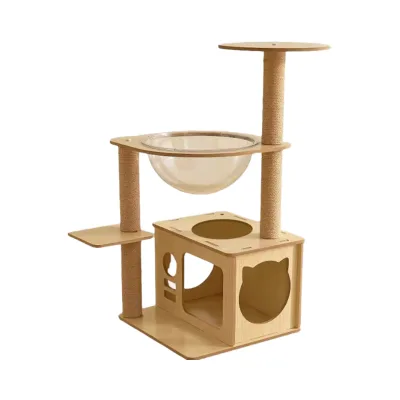
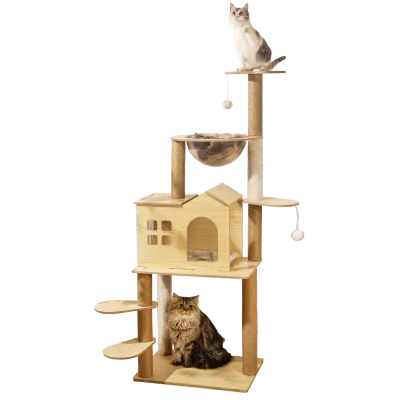
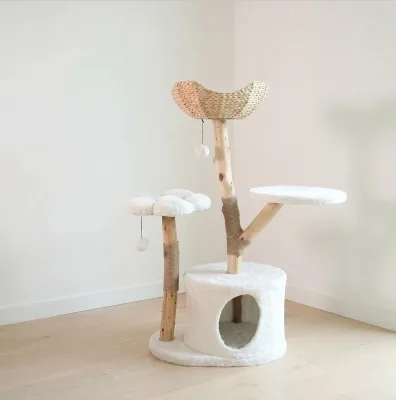
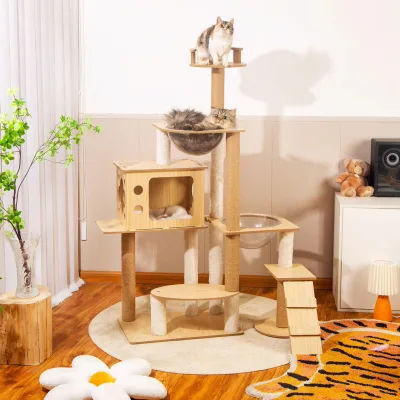

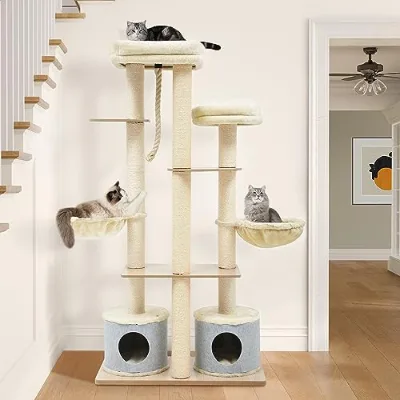
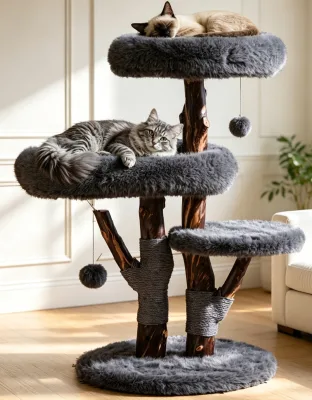
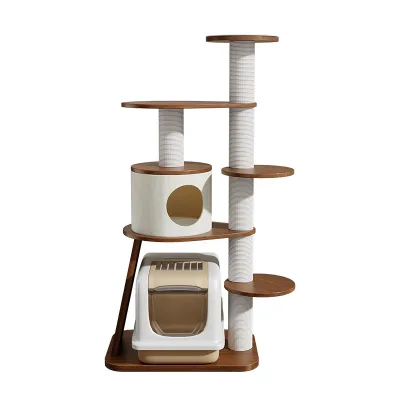
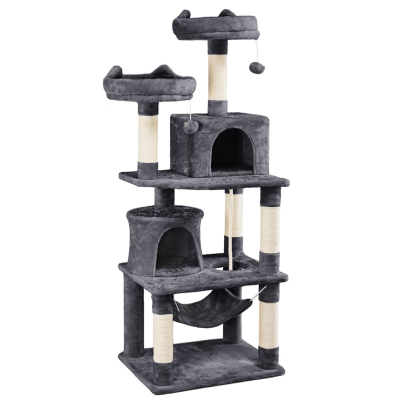


Comprehensive Sourcing Guide
Solid Wood Cat Tree Sourcing Guide
Procuring solid wood cat trees requires a strategic balance between structural integrity, aesthetic alignment, and functional durability. Buyers must recognize that "solid wood" often appears in marketing alongside composite materials like MDF or particle board, necessitating precise verification of the core frame composition. The observed product data indicates a diverse range of materials, including bamboo, rattan, and metal reinforcements, which significantly impact the final weight and stability of the unit. Understanding these material distinctions is critical for ensuring the product meets the specific needs of large breeds or multi-cat households where heavy usage is expected.
The sourcing landscape for these items is characterized by significant variability in customization options and design styles. Listings reveal a strong trend toward minimalist modern and forest-style designs, often featuring beige or natural wood tones that blend seamlessly into contemporary home interiors. Buyers should prioritize suppliers who offer ODM capabilities and laser engraving for logo customization, as this adds value for private label projects. Additionally, the availability of different models, such as the HMS and TK series, suggests a mature supply chain capable of producing varied configurations, from single-post structures to complex multi-level towers with triangular support systems.
Product Scope and Observed Listing Signals
The current market for solid wood cat trees encompasses a wide array of configurations designed to accommodate various cat sizes and behavioral needs. Observed listings highlight core functions such as climbing, scratching, resting, perching, and hiding, indicating that modern designs are engineered for comprehensive feline enrichment. The presence of specific model numbers like HMS-YMW-16600 and TK-CT-032 suggests a standardized production approach, yet the variety in dimensions, such as the 16.99"L X 13.4"W X 35.4"H specification, demonstrates flexibility in scaling products for different living spaces. Buyers should note that suitable cat ages range from kittens to adults, with some models specifically tailored for large cats, requiring robust construction to support higher weights.
Material composition varies significantly across the observed inventory, with solid wood serving as a primary structural element alongside other durable components. While some products emphasize bamboo or rattan for aesthetic appeal, others utilize a combination of solid wood, MDF, and particle board to balance cost and stability. The inclusion of plush and faux fur materials for scratching posts and resting platforms enhances comfort, while sisal rope remains a standard for durable scratching surfaces. This mix of materials allows buyers to select products that align with specific quality tiers, ensuring that the final product offers both visual appeal and long-term functionality for pets.
Technical Specifications to Verify
When evaluating technical specifications, buyers must prioritize the verification of structural stability and material authenticity. The observed data mentions stable structures such as single posts, double posts, and triangular supports, which are critical for preventing tipping during vigorous play. It is essential to confirm whether the "solid wood" claim applies to the entire frame or only specific visible components, as internal structures may use engineered wood products. Additionally, the net weight of units, such as the 13kg specification observed, serves as a proxy for material density and overall sturdiness, providing a tangible metric for comparing the robustness of different supplier offerings.
Dimensional accuracy and packaging efficiency are equally important technical considerations that impact logistics and customer satisfaction. Listings provide specific packing dimensions, such as 535320 cm, and volume metrics like 0.026CBM, which are vital for calculating shipping costs and warehouse storage requirements. Buyers should verify that the product dimensions align with the stated model specifications to avoid discrepancies in the final delivered goods. Furthermore, the condition of the product, typically listed as "new," and the folded state, often "unfolded," indicate that assembly may be required, necessitating clear instructions and quality control checks to ensure all hardware and parts are included and undamaged.
Compliance and Safety Documentation
Safety compliance is paramount when sourcing cat furniture, particularly for products intended for indoor use where pets spend extended periods. Buyers must ensure that all materials, including woods, fabrics, and adhesives, are free from harmful chemicals and toxins that could pose health risks to cats. While specific certification standards are not explicitly detailed in the observed data, it is standard practice to request documentation verifying that the products meet relevant safety regulations for pet accessories. This includes verifying that finishes and paints are non-toxic and that small parts are securely attached to prevent choking hazards, especially for kitten-specific models.
Documentation should also cover the origin and manufacturing standards of the components used in the cat trees. The observed data indicates origins in China, including specific regions like Shandong, which may have established manufacturing ecosystems for pet products. Buyers should request proof of compliance with international standards for wood processing and textile safety, ensuring that the sisal rope and plush materials are sourced responsibly. Additionally, verifying that the production process adheres to environmental regulations can be a valuable differentiator, particularly for buyers targeting eco-conscious markets that prioritize sustainable sourcing and ethical manufacturing practices.
Cost Drivers and Commercial Terms
Several key factors influence the cost structure of solid wood cat trees, with material selection being the primary driver. The use of genuine solid wood versus engineered wood composites like MDF or particle board significantly impacts the unit price, with solid wood options typically commanding a premium due to higher material costs and more labor-intensive processing. The inclusion of additional features, such as multiple levels, triangular supports, or custom designs, also adds to the complexity and cost of production. Buyers should analyze the bill of materials to understand how each component contributes to the final price, allowing for more accurate budgeting and cost negotiation.
Commercial terms, including MOQs and lead times, play a crucial role in the overall procurement strategy. The observed MOQ range of 1-500 units offers flexibility for both small-scale testers and larger bulk buyers, while delivery times spanning 3-60 days reflect the variability in production schedules and customization requirements. Buyers should negotiate clear terms regarding payment schedules, shipping responsibilities, and return policies to mitigate risks associated with international trade. Understanding these commercial dynamics enables buyers to optimize their inventory levels and cash flow, ensuring that they can meet market demand without overcommitting resources to slow-moving stock.
Supplier Qualification and Quality Control
Supplier qualification involves assessing the manufacturer's capability to consistently produce high-quality solid wood cat trees that meet specified standards. Buyers should verify the supplier's production capacity, quality management systems, and experience in exporting pet furniture to ensure reliability and consistency. The observed data highlights customization options, including ODM services and logo engraving, which indicate a supplier's flexibility and commitment to meeting specific buyer requirements. It is essential to conduct thorough due diligence, including factory audits and sample evaluations, to confirm that the supplier can maintain quality standards across large production runs.
Quality control measures must be implemented at various stages of the production process to identify and rectify defects early. Buyers should establish clear acceptance criteria for materials, assembly, and finishing, ensuring that the final products are free from structural weaknesses, rough edges, or material inconsistencies. Regular inspections, including pre-shipment inspections, are recommended to verify that the goods match the approved samples and specifications. By implementing robust quality control protocols, buyers can minimize the risk of receiving defective products, thereby protecting their brand reputation and ensuring customer satisfaction in the end market.
Long-Term Procurement Checks
Long-term procurement success depends on establishing strong, collaborative relationships with suppliers who can adapt to changing market demands and quality expectations. Buyers should regularly review supplier performance metrics, including on-time delivery rates, defect rates, and responsiveness to issues, to identify areas for improvement. Maintaining open communication channels and providing constructive feedback can help suppliers refine their processes and enhance product quality over time. Additionally, exploring opportunities for joint product development can lead to innovative designs that differentiate the buyer's offerings in a competitive market.
Continuous monitoring of market trends and consumer preferences is essential for staying relevant and meeting evolving customer needs. Buyers should stay informed about emerging styles, materials, and functional features in the cat tree market, such as minimalist designs or eco-friendly materials, to anticipate future demand. Regularly updating product specifications and sourcing strategies based on these insights ensures that the buyer remains competitive and responsive to market shifts. By proactively managing supplier relationships and market dynamics, buyers can secure a sustainable supply chain that supports long-term growth and profitability.
FAQs
What materials are used in solid wood cat trees?
Solid wood cat trees typically use wooden frames combined with bamboo, rattan, or metal supports. The scratching surfaces often feature sisal rope, jute, or plush materials. Some models include faux fur for resting areas. These materials ensure durability and provide varied textures for climbing and scratching activities.
Can solid wood cat trees be customized for branding?
Yes, customization is available for solid wood cat trees. Buyers can request logo laser engraving on the wooden surfaces. The products support ODM services to tailor designs to specific brand requirements. This allows businesses to create unique, branded pet furniture that stands out in the market while maintaining structural integrity.
What is the typical lead time for solid wood cat trees?
The delivery time for solid wood cat trees ranges from 3 to 60 days. This variation depends on order volume and specific customization needs. Standard models may ship faster, while custom orders with logo engraving or unique dimensions require additional production time. Buyers should confirm exact timelines with suppliers before placing orders.
Which styles are available for solid wood cat trees?
Solid wood cat trees come in minimalist modern, ins style, forest style, and cartoon designs. The wood style often features solid wood finishes in black, brown, or natural wood colors. These aesthetic options allow buyers to select products that match interior decor trends. The designs cater to both functional needs and visual appeal for indoor spaces.
What are the standard packaging dimensions for solid wood cat trees?
Packaging dimensions vary by model, with some measuring 53 by 53 by 20 centimeters. Other models may have different packing specifications depending on the structure. Products are typically packed in cartons or wrapped in cloth for protection. Buyers should verify specific packing details for each model to ensure efficient shipping and storage logistics.
Are solid wood cat trees suitable for large cats?
Yes, solid wood cat trees are suitable for large cats. Many models are designed with stable structures like single posts, double posts, or triangular supports to handle heavier weights. The platforms and perches are built to accommodate adult cats comfortably. Buyers should check the specific weight capacity and dimensions of each model to ensure suitability.