Source Solid Wood Dining Table for Hotel, Home, and Office
Explore 30 Solid Wood Dining Table options to compare wood species, dimensions, and finishing styles. This guide helps buyers evaluate kiln-dried materials and custom edge models for residential or commercial interior projects; compare the available evidence and request quotations based on your requirements.
Key considerations
Products List


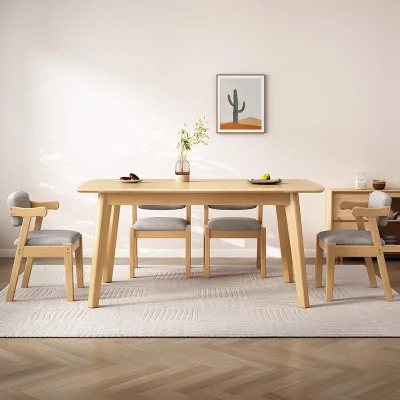

Modern Solid Wood Style Restaurant Hotel Cafe Solid Wood Dining Table and Chairs
$50.00 - $129.00
MOQ: 1 Pieces


Top Furniture Modern Wooden Coffee Restaurant Room Solid Wood Dining Table
$18.00 - $20.00
MOQ: 30 Pieces


Comprehensive Sourcing Guide
Solid Wood Dining Table Sourcing Guide
Procuring solid wood dining tables requires a disciplined approach to verifying material integrity and structural consistency. Buyers must distinguish between genuine solid wood construction and veneered or engineered alternatives that may mimic the aesthetic but lack the durability and repairability of solid timber. The observed listings indicate a wide range of wood species, including Suar, Walnut, Oak, Maple, Zebra, Wenge, and Teak, each offering distinct grain patterns and hardness levels. Understanding these variations is critical for matching the product to specific interior design requirements and functional demands.
The sourcing process should begin with a clear definition of the target application, whether for residential homes or commercial hotel environments. The data suggests that these tables are designed for both settings, implying a need for robust construction that withstands frequent use. Buyers should prioritize suppliers who can provide detailed specifications on wood treatment and finishing methods, as these factors significantly impact the table's longevity and maintenance requirements. Establishing a baseline for acceptable quality metrics early in the negotiation process helps prevent costly disputes and ensures that the final product meets the intended performance standards.
Product Scope and Observed Listing Signals
The observed product scope reveals a diverse array of dining table configurations, ranging from fixed rectangular shapes to folded designs. Listings indicate that tables are available in both antique and modern styles, catering to varied aesthetic preferences. The presence of both unfolded and folded options suggests that space-saving functionality is a key consideration for certain buyers. Additionally, the availability of customization options allows for specific adjustments to dimensions and finishes, enabling buyers to tailor the product to their exact spatial and design constraints.
Key listing signals highlight the importance of verifying the table top model and edge treatment. Many products feature a whole piece without joints, which enhances structural integrity and visual continuity. However, buyers must confirm whether the edge is kept as a live edge or cut to a straight edge, as this choice affects both the aesthetic appeal and the ease of cleaning. The observed price range of $5 to $1288 and MOQ range of 1 to 200 units indicate a broad market segment, from small-scale custom orders to larger bulk purchases. Understanding these commercial parameters helps buyers align their procurement strategy with their budget and inventory needs.
Technical Specifications to Verify
Technical verification must focus on the wood moisture content and treatment processes to ensure dimensional stability. The supplied facts specify that wood is kiln-dried to a moisture content of 8%-12%, a critical range for preventing warping and cracking in varying humidity conditions. Buyers should request documentation confirming that this drying process was applied to the specific batch of wood being purchased. Additionally, the type of surface treatment, such as wax oil, natural oil, UV lacquer, or PU lacquer, should be clearly defined, as each method offers different levels of protection and requires specific maintenance routines.
Structural specifications, including table base materials and assembly methods, require careful scrutiny. The data indicates that table bases are typically made from stainless steel or iron, with powder stoving coating for corrosion resistance. Buyers should verify the thickness and finish quality of these metal components to ensure they can support the weight of the solid wood top. Furthermore, the assembly method, which may involve pre-drilled holes with metal inserts, should be inspected for precision and durability. Ensuring that all mechanical fasteners are high-quality and properly installed is essential for long-term structural integrity.
Compliance and Safety Documentation
While specific certification statuses are not explicitly confirmed in the provided data, buyers should request relevant safety and environmental documentation from suppliers. This includes certificates of origin, material safety data sheets, and any applicable environmental compliance reports. Although FSC certification is mentioned as a low-confidence background fact, it should not be assumed without explicit verification. Buyers must insist on seeing current, valid certificates that prove the wood is sourced legally and sustainably, particularly if they are targeting markets with strict environmental regulations.
Safety standards for furniture, especially those intended for commercial use in hotels, must be rigorously checked. This involves verifying that the table meets local and international safety guidelines regarding stability, edge sharpness, and chemical emissions from finishes. Buyers should request test reports that confirm the absence of harmful substances in the wood and coatings. Additionally, the packaging method, such as wood boxes or carton boxes on pallets, should be assessed for its ability to protect the product during transit, ensuring that the table arrives in its intended condition without damage.
Cost Drivers and Commercial Terms
The cost of solid wood dining tables is influenced by several key factors, including the type of wood species, the complexity of the design, and the level of customization required. Exotic woods like Zebra and Wenge typically command higher prices due to their rarity and aesthetic appeal, while more common species like Oak and Maple may offer better value. Buyers should analyze the price breakdown to understand how much of the cost is attributed to raw materials versus labor and finishing. Negotiating terms based on volume can also impact the final price, with larger orders often receiving better per-unit rates.
Commercial terms, including payment methods, lead times, and shipping arrangements, must be clearly defined in the contract. The observed MOQ range of 1 to 200 units suggests flexibility in order sizes, allowing buyers to start with smaller test batches before committing to larger quantities. Buyers should clarify the Incoterms to understand who bears the risk and cost of shipping. Additionally, the packaging method, such as individual carton boxes or wood pallets, should be agreed upon to ensure that the product is protected during transit. Clear communication on these terms helps prevent misunderstandings and ensures a smooth procurement process.
Supplier Qualification and Quality Control
Qualifying suppliers involves assessing their production capabilities, quality control processes, and track record in the industry. Buyers should request samples of the wood and finished products to evaluate the quality of the materials and craftsmanship. Visiting the supplier's facility, if possible, allows for a direct assessment of their production lines, storage conditions, and quality control measures. Suppliers who can provide detailed production schedules and transparent communication are more likely to deliver on time and meet quality expectations.
Implementing a robust quality control plan is essential for ensuring that the final products meet the specified standards. This includes pre-shipment inspections to check for defects in the wood, such as cracks, knots, or uneven finishes. Buyers should define acceptance criteria for these inspections and agree on a process for handling non-conforming items. Additionally, suppliers should be required to provide a warranty or guarantee for their products, offering recourse in case of defects or damage. Establishing a strong relationship with the supplier based on mutual trust and clear expectations is crucial for long-term success.
Long-Term Procurement Checks
Long-term procurement strategies should focus on building sustainable relationships with suppliers who can consistently deliver high-quality products. Regular performance reviews of the supplier's delivery times, quality metrics, and responsiveness to issues help identify areas for improvement and ensure continued alignment with business goals. Buyers should also monitor market trends and changes in wood availability to anticipate potential supply disruptions and adjust their procurement plans accordingly. Diversifying the supplier base can mitigate risks associated with relying on a single source.
Continuous improvement in product specifications and supplier capabilities is key to maintaining a competitive edge. Buyers should engage in ongoing dialogue with suppliers to explore new wood species, finishing techniques, and design innovations that can enhance the product's value. Feedback from end-users should be incorporated into the procurement process to refine product features and address any recurring issues. By fostering a collaborative partnership with suppliers, buyers can ensure that their Solid Wood Dining Table offerings remain relevant and competitive in the market.
FAQs
Can I customize the dimensions of the Solid Wood Dining Table?
Yes, you can customize the dimensions as the standard range spans from 500 to 6000 millimeters in length and 300 to 1500 millimeters in width. The thickness also varies between 40 and 200 millimeters to suit your specific space requirements.
What wood species are available for the Solid Wood Dining Table?
The tables are crafted from various species including Suar, Walnut, Oak, Maple, Zebra, Wenge, and Teak. You can also choose Ash, Ebony, or other options depending on the specific model and supplier availability for your order.
How is the wood treated before the Solid Wood Dining Table is finished?
The wood undergoes kiln drying to ensure a moisture content between 8% and 12% for stability. This process prevents warping and ensures the table remains durable in various environmental conditions after the final finishing is applied.
Which surface treatments are offered for the Solid Wood Dining Table?
You can select from Wax Oil, Natural Oil, UV Lacquer, or PU Lacquer for the surface finish. These treatments protect the wood while allowing you to maintain a natural look or apply a specific stain color as requested.
Can the Solid Wood Dining Table be delivered with a live edge?
Yes, the edge model can be kept as a live edge or cut to a straight edge based on your preference. This customization allows for unique aesthetic choices while maintaining the structural integrity of the whole piece without joints.
What is the packaging method for the Solid Wood Dining Table?
The product is typically packed in a carton box individually and then placed on a wood pallet for shipping. Some options also include a dedicated wood box package to ensure maximum protection during transit to your location.
Which materials are used for the table base of the Solid Wood Dining Table?
The table base is constructed from Stainless Steel or Iron materials to provide sturdy support. These metal components are further treated with powder stoving coating to prevent rust and ensure a long-lasting, high-quality finish.