Source Spanish Villa UPVC Roofing for Villas, Houses, and Factories
Find 30 suppliers of Spanish Villa UPVC Roofing designed for villas, houses, and factory car parks. Compare specifications including thickness, fire ratings, and customization options to select the best synthetic resin tiles for your construction project.
Key considerations
Products List


Waterproof Synthetic Resin Roof for Residences That Can Replace Spanish Style
$3.00 - $4.70
MOQ: 1000 Square Meters


Villa Weather Resistance PVC Roofing Sheets Plastic PVC Spanish Roofing UPVC Roofing Sheet
$1.97 - $5.81
MOQ: 1000 Square Meters


Spanish PVC Roofing Tiles Corrugated Roof Sheet for House Villa Building Lamina De PVC
$1.97 - $5.81
MOQ: 1000 Square Meters

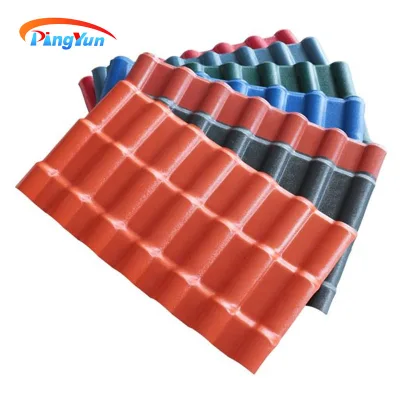
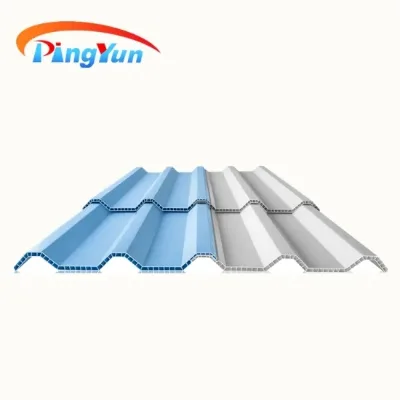
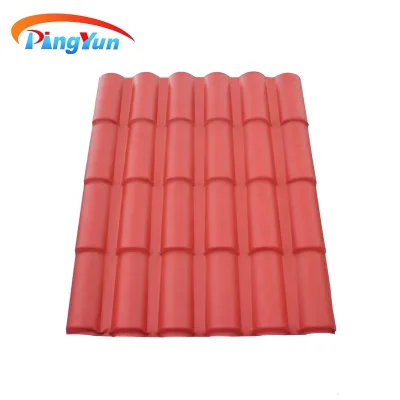
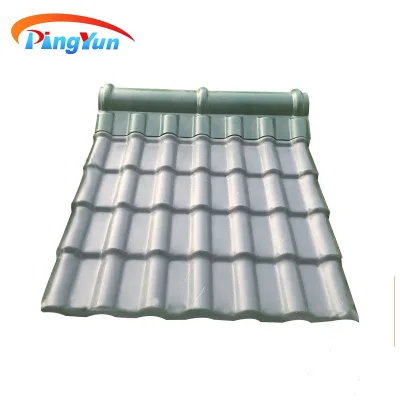
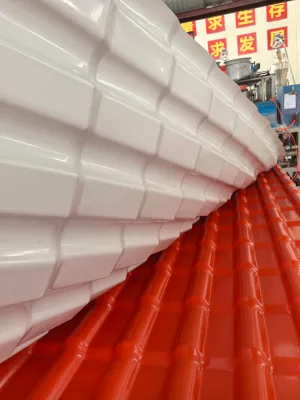
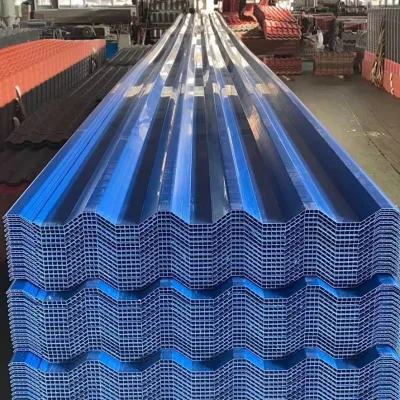
Double Layer Upvc Roofing Tile Panel 10mm Thickness Effective Plastic Pvc Hollow Tile
$2.37 - $5.84
MOQ: 500 square

Classical UPVC Roof Panel UPVC Ceiling for Apartment House Villa
$3.30 - $5.20
MOQ: 1000 Square Meters


Anti Fade PVC ASA Spanish Roof Tile Heat Insulation Villa Roofing
$2.86 - $6.00
MOQ: 100 Square Meters


Reliable PVC ASA Spanish Roof Tile Weather Resistant Building Villa
$2.86 - $6.00
MOQ: 100 Square Meters

Comprehensive Sourcing Guide
Strategic Sourcing Guide for Spanish Villa UPVC Roofing Solutions
Understanding the Product Category and Material Composition
When sourcing roofing materials for Spanish villa projects, the primary focus often shifts toward synthetic resin tiles that mimic traditional aesthetics while offering superior durability. The core product in this category is typically identified as an ASA PVC Synthetic Resin Roof Tile. These materials are engineered to replicate the visual appeal of clay or slate tiles without the structural weight or fragility associated with traditional masonry. The fundamental composition of these tiles often involves a blend of ASA (Acrylonitrile Styrene Acrylate), UPVC (Unplasticized Polyvinyl Chloride), and PVC. This tri-layer or composite material structure is critical for achieving the desired balance of weather resistance, color stability, and mechanical strength.
The market offers variations in material formulation, with some products listing "Synthetic resin" as the primary descriptor, while others specify the exact polymer blend. For a Spanish villa application, the material must withstand intense UV exposure and temperature fluctuations. The observed specifications indicate that these tiles are designed with specific thicknesses ranging from 1.5mm to 4.0mm, with common options including 2.0mm, 2.5mm, and 3.0mm. The thickness directly correlates with the structural integrity and the ability of the tile to resist impact from hail or falling debris, a crucial consideration for residential roofing in diverse climates.
Technical Specifications and Dimensional Variability
Precision in dimensions is paramount when selecting roofing tiles for a Spanish villa, as the aesthetic relies on the uniformity of the roofline and the specific profile of the tiles. The product data reveals distinct model variations, such as the "geeluck880" and "geeluck1050," which denote different working widths. The 880mm width model is a standard option, while the 1050mm variant offers a broader coverage area per tile, potentially reducing the total number of tiles required for a large roof surface.
The length of these tiles is frequently customizable, allowing buyers to match the specific rafter spacing or design requirements of a villa project. However, the width is a fixed attribute in specific models, with the 880mm and 1050mm options being the most prominent. The profile of the tile is another critical technical factor. The "corrugated" standard and specific pitch measurements, such as 219mm or 250mm, define the wave pattern. Some models feature a wave height of 16mm or 57mm, which influences water drainage efficiency and wind uplift resistance.
A comparison of the two primary observed models highlights the dimensional differences that impact installation and material estimation:
| Specification | Model A (880mm Series) | Model B (1050mm Series) |
|---|---|---|
| Working Width | 880mm | 1050mm |
| Thickness Options | 2.0mm, 2.5mm, 3.0mm | 1.5mm, 2.0mm, 2.5mm, 3.0mm, 3.2mm |
| Pitch/Wave Height | 219mm / 250mm | 16mm / 57mm |
| Weight Range | 3.4-5.1 kg/Sqm | 3-6.4 kg/Sqm |
| Standard Profile | Corrugated | 1050*219mm |
| Customization | Length Customized | Length Customized |
Buyers must verify the exact wave height and pitch for their specific architectural design, as these factors determine the overlap requirements and the overall waterproofing integrity of the roof system.
Compliance, Fire Safety, and Performance Standards
Fire safety is a non-negotiable aspect of roofing procurement, particularly for residential structures in regions prone to wildfires or with strict building codes. The product data indicates that fire resistance ratings vary between models. Some listings specify a "B1" fireproof rating, while others indicate a "B2" rating. In the context of international building standards, these classifications refer to the material's reaction to fire. A B1 rating typically denotes a higher level of fire resistance compared to B2. Procurement teams must explicitly verify which rating applies to the specific batch or model being ordered, as this distinction can impact insurance premiums and local code compliance.
Beyond fire ratings, the long-term performance of the roofing material is governed by its resistance to environmental degradation. The observed specifications highlight a "Color Lasting" attribute of 10 years with no color fading, a critical feature for maintaining the aesthetic of a Spanish villa over time. The material is also described as having "Anti-Corrosive" and "Anti-Aging" features, which are essential for resisting the effects of salt spray in coastal areas or chemical pollutants in industrial zones.
While ISO 9001 is a common background reference in the industry, it should not be assumed as a guaranteed certification for every listed product without direct verification from the supplier. Buyers should request specific test reports or certification documents that validate the fire rating and color stability claims. The production process is noted as "MACHINE MADE," which suggests consistency in manufacturing but does not inherently guarantee quality without proper quality control protocols.
Cost Drivers and Procurement Economics
The pricing of UPVC synthetic resin roof tiles is influenced by several variables, including material thickness, customization requirements, and order volume. The observed price range in the market spans from $1.59 to $6.00 per unit, though this figure is highly dependent on the specific model and thickness selected. Thicker tiles, such as those at 3.0mm or 3.2mm, generally command a higher price point due to the increased material usage and enhanced durability.
Minimum Order Quantity (MOQ) is another significant cost driver. The data shows a wide range, from as low as 1 unit to as high as 3000 units, with a specific model listing an MOQ of 1000 square meters. For a typical Spanish villa project, the total square meterage will likely exceed the lower MOQ thresholds, but buyers must calculate the exact area required to ensure they meet the supplier's volume requirements. Exceeding the MOQ can sometimes lead to better unit pricing, but it also increases the initial capital outlay.
Additional cost factors include the surface finish, with options for "Matte" or "Bright" finishes, and the packaging requirements. Some suppliers offer "Nude Packing" or "Pallet" packing according to customer requirements, which can affect shipping costs and the risk of damage during transit. The single gross weight of the product, observed at 3.000 Kg per unit, also influences freight charges, especially for international shipments from origins such as Guangdong, China.
Typical Applications and Design Integration
The primary application for these synthetic resin tiles is roofing, specifically tailored for residential and industrial projects. The "Spanish villa" aesthetic is well-suited to these materials due to their ability to be produced in colors like Brick Red, Dark Grey, Sea Blue, and Grass Green. These color options allow architects and homeowners to achieve the traditional terracotta look without the structural load of clay tiles.
The versatility of the product extends to various building types, including villas, houses, factories, and car parks. The "Design Style" is categorized as "Residential & Industrial," indicating that the tiles can adapt to both private homes and larger commercial structures. For a Spanish villa, the tiles are often used in conjunction with other architectural elements to create a cohesive look. The "Project Solution Capability" of suppliers often includes graphic design services and total solutions for projects, which can assist in visualizing the final roof appearance before installation.
The weight of the tiles, ranging from 3 to 6.4 kg per square meter, is significantly lighter than traditional clay or concrete tiles. This lightweight characteristic makes them ideal for retrofitting existing structures or for new builds where minimizing the dead load on the roof truss is a priority. The "Anti-Corrosive" nature of the material ensures that the roof remains visually appealing and structurally sound in coastal environments, which are common locations for Spanish-style villas.
Supplier Evaluation and Quality Assurance
Evaluating a supplier for UPVC roofing tiles requires a rigorous approach to verifying their capabilities and reliability. The origin of the products is frequently listed as China, with specific mentions of Guangdong as a manufacturing hub. Buyers should confirm the specific factory location and assess the supplier's production capacity, noting that the standard production time is approximately 7 days. This lead time is relatively short, but it is essential to confirm if this applies to standard stock items or customized orders.
Quality assurance should focus on the "After-Sales Service" and warranty provisions. The observed data mentions a 20-year warranty, which is a strong indicator of the manufacturer's confidence in the product's longevity. However, buyers must read the terms of the warranty carefully to understand what is covered, such as color fading, structural integrity, or leak prevention. The "Project Solution Capability" also serves as a proxy for the supplier's technical expertise; a supplier offering graphic design and total project solutions is likely more capable of handling complex roofing layouts.
When evaluating quality, buyers should request samples to verify the physical attributes, such as the surface texture (Matte/Bright), the flexibility of the material, and the accuracy of the dimensions. The "Craft" being "MACHINE MADE" implies a high degree of consistency, but visual inspection of samples is necessary to ensure there are no defects in the molding or coloring.
Long-Term Procurement and Maintenance Considerations
Sourcing roofing materials is a long-term investment that requires consideration of maintenance and lifecycle costs. The "Color Lasting" attribute of 10 years suggests that the tiles will retain their aesthetic appeal for a decade before potential fading becomes noticeable. This is a significant advantage over traditional materials that may require frequent repainting or replacement. The "Heat Insulation" feature also contributes to long-term energy efficiency, potentially reducing cooling costs for the villa.
Buyers should also consider the "Production Time" and lead times in their project scheduling. While the standard time is 7 days, customizations such as specific lengths or colors may extend this period. It is advisable to order with sufficient lead time to accommodate any potential delays. The "MOQ" of 1000 square meters for certain models means that buyers must plan their material orders carefully to avoid excess inventory or shortages.
Finally, the "Warranty" of 20 years provides a safety net for the buyer, but it is crucial to understand the conditions under which this warranty is valid. Regular maintenance, such as cleaning debris and inspecting seals, can help ensure that the roof performs as expected throughout its lifespan. The lightweight nature of the tiles reduces the risk of structural failure over time, but proper installation by certified contractors is essential to maintain the integrity of the roof system. By focusing on these long-term factors, buyers can ensure that their Spanish villa roofing project delivers both aesthetic beauty and functional durability for decades.
FAQs
What materials are used for Spanish Villa UPVC Roofing tiles?
These tiles are made from synthetic resin blends, specifically ASA, UPVC, and PVC. This composition ensures durability and weather resistance suitable for villa projects.
How thick are the available Spanish Villa UPVC Roofing tiles?
Thickness options range from 1.5mm to 4.0mm, with common choices including 2.0mm, 2.5mm, and 3.0mm. Thicker tiles generally offer enhanced structural integrity and impact resistance.
Can I customize the length of Spanish Villa UPVC Roofing tiles?
Yes, the length of these tiles can be customized to match specific rafter spacing or design requirements. This flexibility allows for precise fitting on various villa roof structures.
What is the fireproof rating for Spanish Villa UPVC Roofing tiles?
Fireproof ratings vary between models, with some achieving B1 and others B2 classifications. Buyers must verify the specific rating for the batch to ensure compliance with local building codes.
Which width options are available for Spanish Villa UPVC Roofing tiles?
Standard working widths include 880mm and 1050mm models. The 1050mm variant provides broader coverage per tile, potentially reducing the total number of tiles required for a large roof surface.
How long does the color last on Spanish Villa UPVC Roofing tiles?
The tiles are designed to last 10 years with no color fading. This color stability is critical for maintaining the aesthetic appeal of Spanish villas over time.
What is the minimum order quantity for Spanish Villa UPVC Roofing tiles?
Minimum order quantities vary, with some models requiring 1000 square meters and others as low as 1 unit. Buyers must calculate their total area to meet specific supplier thresholds.
Can I get a warranty for Spanish Villa UPVC Roofing tiles?
A 20-year warranty is often available for these roofing materials. This warranty typically covers color fading and structural integrity, provided specific terms and conditions are met.