Source Space Theme Mini Roller Coaster for Parks, Gardens, and Commercial Sites
Explore 30 available Space Theme Mini Roller Coaster options designed for adventure parks, commercial venues, and public playgrounds. Buyers can compare track lengths, seating capacities, and material specifications to find the right amusement equipment for their projects.
Key considerations
Products List
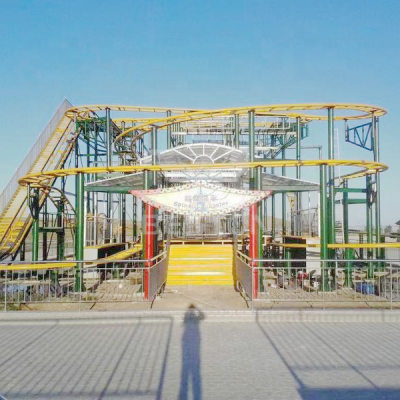
China Amusement Rides Manufacturer Mini Roller Coaster / Mini Roller Coaster
$710000.00 - $730000.00
MOQ: 1
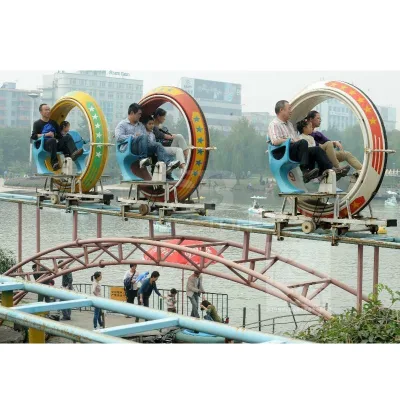
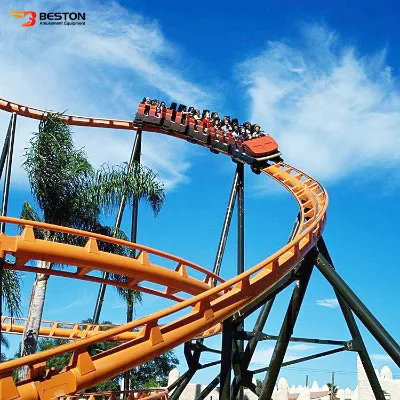
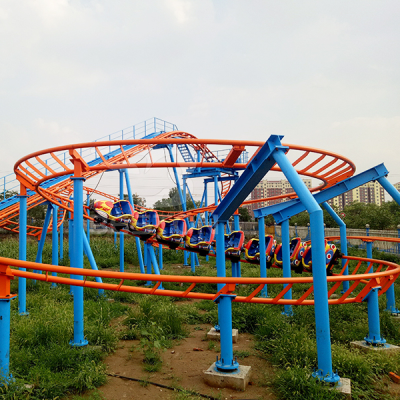
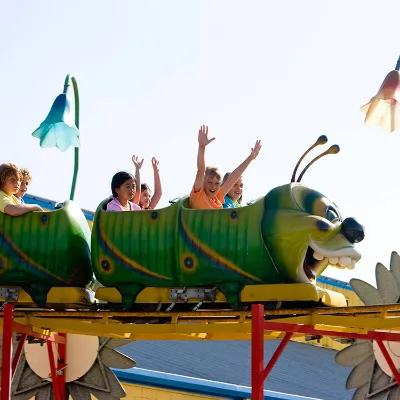
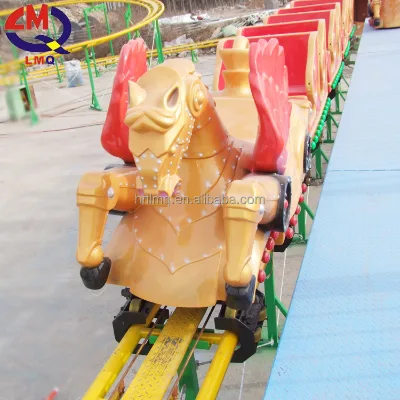
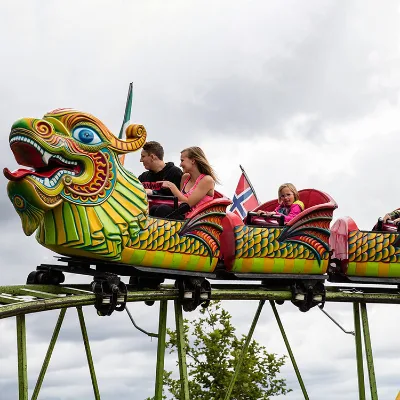
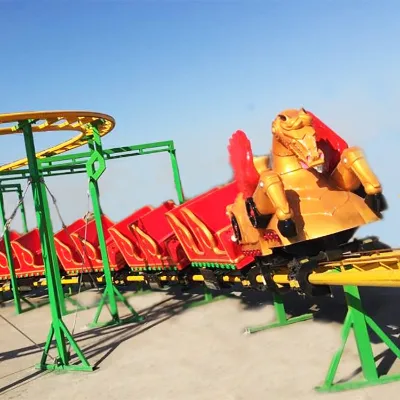


Children Theme Park Changeable Track Space Shuttle Ride Mini Roller Coaster
$9000.00 - $19500.00
MOQ: 1 Sets

Exciting Amusement Equipment Train Dragon Space Shuttl Ride Mini Roller Coaster
$5000.00 - $19500.00
MOQ: 1 Sets


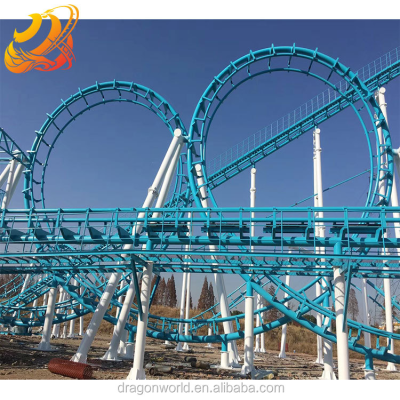
High Amusement Park Equipment Rides Big Folded Roller coaster for Sale
$365000.00 - $375000.00
MOQ: 1 Minimum

Family Outdoor Playground Attraction Rides Mini Space Shuttl Ride Mini Roller Coaster
$23000.00 - $55000.00
MOQ: 1 Pieces


Outdoor Park Mini Roller Coaster Worm Roller Coaster Ride for Kids Adult
$10000.00 - $16000.00
MOQ: 1 Pieces


Comprehensive Sourcing Guide
Strategic Sourcing Guide for Space Theme Mini Roller Coasters
Defining the Product Category and Core Specifications
When sourcing a Space Theme Mini Roller Coaster, buyers must first distinguish between general amusement rides and specialized "mini" configurations designed for specific venue constraints. The product landscape includes various models, such as the "Space spinning scooter" and "Attraction roller coaster," which often share structural similarities but differ in operational parameters. A critical observation in the current market is the variation in track length, which serves as a primary differentiator for capacity and footprint. Available data indicates track lengths ranging from 290 meters to 320 meters for specific commercial models, while other configurations may utilize smaller footprints, such as 14x17 meters or 30x47 meters.
The physical construction of these units typically relies on a composite material strategy, combining Fiber Reinforced Plastic (FRP) with steel. This combination is essential for balancing the aesthetic requirements of a space theme—often requiring smooth, molded surfaces for the track or vehicle shells—with the structural integrity needed for high-speed or high-load operations. The vehicles themselves are designed to accommodate between 4 and 10 seats per unit, with some specific configurations allowing for 2 persons per car. The power requirements for these systems vary significantly based on the model, with observed voltage specifications including 220V and 380V, and power consumption figures such as 5KW for certain units. Understanding these baseline specifications is the first step in aligning a procurement request with the actual capabilities of the equipment.
Technical Architecture and Operational Parameters
The technical architecture of a Space Theme Mini Roller Coaster extends beyond the visible track and vehicles. Buyers must evaluate the supply chain's ability to deliver units that meet specific operational demands, such as the "Single volume" and "Single gross weight" of the packaged items. While some listings indicate a single gross weight of 28,000 kg for larger units, others may present different metrics, necessitating a careful review of the Bill of Materials (BOM) for each specific model number, such as B008-GSD20 or B013-GSD16. The turning radius is another critical technical parameter; for instance, specific models may require a 5-meter turning radius, which directly impacts the layout design of the amusement park or commercial venue.
Furthermore, the electrical and mechanical systems must be compatible with the local infrastructure of the installation site. The voltage requirements, whether 220V or 380V, dictate the necessary electrical upgrades at the venue. The "Allowable Passenger" capacity is another vital metric, with some units designed to handle more than 10 liters of volume in specific contexts, though this likely refers to a specific volumetric constraint rather than passenger count. The "Number of vehicles" is also a key specification, with some configurations operating with a fleet of 5 vehicles to ensure continuous ride cycles. The "Floor area" requirements, ranging from 33m22m to 3047m, must be strictly adhered to during the site planning phase to ensure the ride fits within the allocated space without compromising safety zones.
Compliance, Certification, and Safety Verification
In the realm of commercial amusement rides, compliance is not merely a formality but a fundamental aspect of risk management. While specific certification statuses like CE are often mentioned in the broader market context, buyers must treat these as variables to be verified rather than guaranteed attributes of every listed product. The procurement process should explicitly require documentation proving that the specific model number and batch being purchased have undergone the necessary safety testing and certification processes required by the destination country's regulations.
Buyers should verify that the manufacturer can provide test reports for structural integrity, electrical safety, and emergency braking systems. The "Warranty" period, often cited as 12 months, serves as a baseline for the manufacturer's confidence in their product, but it does not replace the need for third-party safety inspections prior to operation. The "Material" composition, specifically the use of FRP and steel, must be verified against fire safety and environmental standards. Additionally, the "Packaging Details," which often involve wooden cases, should be inspected to ensure they meet international shipping standards to prevent damage during transit. The "Port of dispatch," typically QINGDAO or TIANJIN, indicates the logistical origin, but the final destination's customs and safety regulations must be checked to ensure the imported equipment meets local legal requirements.
Cost Drivers and Financial Considerations
The cost structure of a Space Theme Mini Roller Coaster is influenced by several distinct factors, including the complexity of the design, the length of the track, and the specific materials used. The observed price range in the market spans from 2,000 to 730,000 USD, a wide variance that reflects differences in scale, customization, and included services. The "Single item" selling unit suggests that pricing is often negotiated per set, but the "MOQ" (Minimum Order Quantity) is frequently listed as 1 set, indicating flexibility for smaller operators. However, the "Supply Ability," often capped at 5 sets per month, can impact the overall cost due to production scheduling and potential rush fees.
Other cost drivers include the "Single gross weight" and "Single volume," which directly affect shipping and logistics expenses. The "Packaging Details" involving wooden cases add to the weight and volume, increasing freight costs. Buyers should also consider the "Voltage" and "Power" requirements, as higher power consumption or non-standard voltage needs may require additional electrical infrastructure investments at the venue. The "Floor area" requirements also influence site preparation costs, as larger footprints may require more extensive civil works. It is crucial to request a detailed breakdown of costs that separates the equipment price from shipping, installation, and commissioning fees to avoid hidden expenses.
Supplier Evaluation and Supply Chain Reliability
Evaluating suppliers for space theme mini roller coasters requires a deep dive into their production capabilities and track record. The "Brand Name" and "Model Number" are essential identifiers, but the "Place of Origin," specifically Henan, China, provides context for the manufacturing ecosystem. Buyers should verify the supplier's "Supply Ability," ensuring they can meet the project timeline without compromising quality. The "Number of vehicles" and "Seats" per unit are indicators of the supplier's design philosophy and production capacity.
The "Advantage" of the product, such as being "Waterproof," is a specific feature that should be validated through technical data sheets rather than marketing claims. The "Feature" of being "Competitive" is a subjective term that requires objective comparison against other models. Buyers should request references from previous projects where the specific model was installed, particularly in similar environments like "sports parks," "adventure parks," or "commercial" venues. The "Type" of the ride, classified as "Outdoor," necessitates a supplier with experience in weather-resistant designs and long-term durability testing. The "Selling Units" being "Single item" suggests a direct procurement model, but the "Packaging" and "Port of dispatch" logistics must be coordinated to ensure timely delivery.
Quality Control and Long-Term Procurement Strategy
Quality control in the amusement ride industry is a continuous process that begins before manufacturing and extends through the operational life of the equipment. The "Material" composition of FRP and steel must be inspected for consistency and durability. The "Warranty" of 12 months is a starting point, but buyers should negotiate extended warranty terms or service level agreements that cover critical components. The "Single gross weight" and "Single volume" data should be cross-referenced with shipping manifests to ensure no components are missing or damaged during transit.
Long-term procurement considerations include the availability of spare parts and the technical support provided by the supplier. The "Model Number" serves as a unique identifier for ordering replacements, and buyers should ensure the supplier maintains an inventory of critical parts. The "Voltage" and "Power" specifications must be compatible with the venue's long-term energy plans. The "Floor area" and "Track length" requirements should be revisited periodically to ensure the ride remains relevant and safe as the venue evolves. The "Number of passengers" and "Seats" capacity should be monitored to ensure the ride meets the expected demand without overloading the system.
Typical Applications and Venue Integration
The versatility of space theme mini roller coasters makes them suitable for a wide range of applications, from "commercial" amusement parks to "outdoor public playgrounds" and "garden" settings. The "Occasion" of use, such as "sports park" or "adventure park," dictates the design and safety features required. The "Area" of 14x17 meters or larger footprints like 33m*22m allows for integration into various venue layouts. The "Type" as "Outdoor" means the equipment must withstand environmental factors, which is supported by features like "Waterproof" construction.
The "Brand Name" and "Model Number" help in identifying the specific application suitability. For instance, the "Space spinning scooter" model may be better suited for smaller, interactive zones, while the "Attraction roller coaster" with a 320-meter track is ideal for larger theme parks. The "Number of vehicles" and "Seats" per unit determine the throughput and capacity of the ride, which is crucial for high-traffic venues. The "Voltage" and "Power" requirements must be integrated into the venue's electrical grid, ensuring a seamless operation. The "Packaging Details" and "Port of dispatch" logistics must be planned to ensure the equipment arrives in time for the venue's opening or renovation schedule.
Final Procurement Recommendations
In conclusion, sourcing a Space Theme Mini Roller Coaster requires a meticulous approach that balances technical specifications, compliance, cost, and supplier reliability. Buyers must verify all claims against the provided data, ensuring that the "Track length," "Floor area," and "Voltage" match the venue's requirements. The "Warranty" and "Supply Ability" should be clearly defined in the contract to protect the buyer's investment. By focusing on the "Material," "Advantage," and "Feature" of the equipment, buyers can make informed decisions that ensure safety, durability, and operational efficiency. The "Place of Origin" and "Port of dispatch" are logistical factors that must be managed carefully to avoid delays. Ultimately, the goal is to acquire a high-quality, compliant, and cost-effective solution that enhances the visitor experience while meeting all regulatory and safety standards.
FAQs
What is the typical track length for these roller coasters?
Track lengths vary by model, with observed specifications ranging from 290 meters to 320 meters for commercial units. Buyers must verify the specific model number, such as B008-GSD20, to confirm the exact length required for their venue footprint.
Can these rides operate in outdoor commercial venues?
Yes, these units are designed as outdoor equipment suitable for commercial amusement parks and adventure parks. Their construction utilizes waterproof materials like FRP and steel to ensure durability against weather conditions in public settings.
Which voltage specifications are required for installation?
Voltage requirements depend on the specific model, with observed options including 220V and 380V. Buyers must check the product data sheet for the exact voltage to ensure compatibility with their local electrical infrastructure before installation.
How many seats are typically available per vehicle?
Vehicle configurations generally accommodate between 4 and 10 seats per unit, though some specific models allow for 2 persons per car. The total capacity depends on the number of vehicles in the fleet, which can be up to 5 units.
What is the minimum order quantity for purchasing?
The minimum order quantity is typically 1 set for these amusement park equipment rides. This allows operators to procure a single unit, but production capacity is often limited to 5 sets per month by the manufacturer.
Which material composition ensures structural safety?
The rides are constructed using a composite of Fiber Reinforced Plastic and steel to balance aesthetics with strength. This material combination supports the high load capacity of over 500kg and ensures the durability needed for commercial operations.
Can suppliers provide a warranty for the equipment?
Standard warranty coverage is typically offered for a period of 12 months for these roller coaster rides. Buyers should confirm specific warranty terms in the contract, as this period serves as a baseline for manufacturer confidence in the product.