Source Custom AirPods Case for Earbuds, Headphones, and Audio Gear
Find 30 verified options for Custom AirPods Case including leather and silicone designs. Compare features like waterproof protection, shockproof durability, and OEM customization from manufacturers in Guangdong, China.
Key considerations
Products List
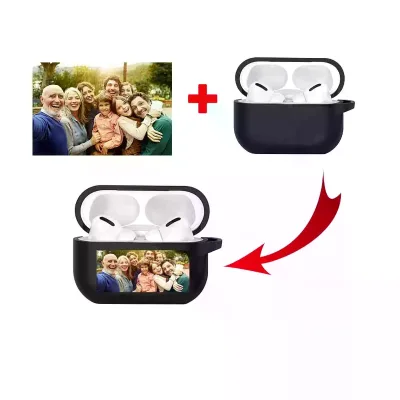
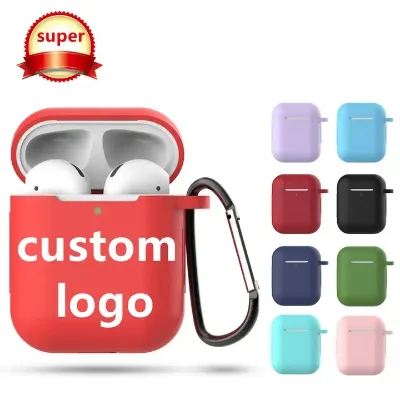


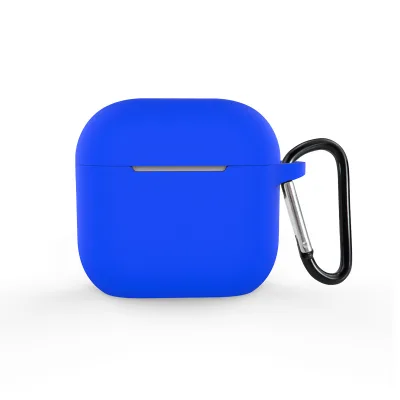
Custom Color Portable Silicone Wireless Earphone Case Cover for Airpods
$1.00 - $2.00
MOQ: 1000 Pieces






Comprehensive Sourcing Guide
Strategic Sourcing Guide for Custom AirPods Cases
The global market for personalized audio accessories has expanded significantly, driven by the ubiquity of wireless earbuds and the consumer desire for unique, protective, and branded solutions. For procurement professionals and business buyers, sourcing a Custom AirPods Case requires a disciplined approach that balances aesthetic customization with rigorous functional verification. The following guide outlines the critical dimensions of this category, focusing on material integrity, technical specifications, and supply chain reliability based on verified industry data.
Material Composition and Physical Attributes
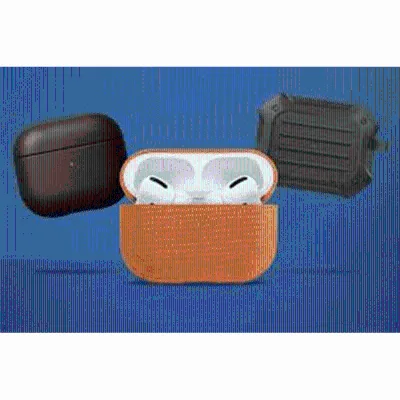
The foundation of any high-quality custom case lies in the selection of raw materials. In the current market, two primary material categories dominate: silicone and leather. Silicone offers a distinct advantage in terms of flexibility and shock absorption, while leather provides a premium aesthetic and a different tactile experience. Buyers must verify the specific material composition of their target product, as these attributes dictate the final product's performance characteristics.
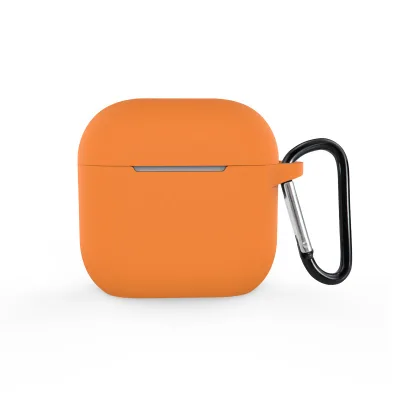
Silicone-based cases are frequently described as soft, flexible, and capable of withstanding significant impact. Technical data indicates that these materials can offer properties such as anti-drop, shockproof, and dustproof protection. The hardness of silicone cases is typically rated as "soft," which is essential for a snug fit that prevents the earbuds from rattling inside the charging case. Furthermore, silicone formulations are often engineered to be heat resistant, with some industry specifications citing resistance up to 240 degrees Celsius, a critical factor for cases that may be exposed to high temperatures during charging or transport.
Conversely, leather cases provide a rigid, hard-cover structure. These are often marketed as "Hard Cover" types, offering a different kind of protection that relies on structural integrity rather than flex. The material is noted for being eco-friendly in certain manufacturing contexts, appealing to sustainability-conscious brands. When evaluating leather options, buyers should look for specific processing techniques, such as UV painting, which enhances surface durability and color retention. The weight of these cases varies significantly; observed data suggests a range between 15 and 65 grams, depending on the thickness of the material and the inclusion of additional features like metal accents or complex molding.
Technical Specifications and Compatibility
Compatibility is the most critical technical constraint in the custom case market. The market is fragmented by the specific generations of earbuds, requiring precise engineering to ensure a perfect fit. A single product line must often address multiple models, ranging from the original AirPods to the latest Pro and Airpods 4 iterations. Procurement teams must verify that the supplier's molds are specifically designed for the target model, such as "AirPods 3" or "AirPods Pro 2," rather than relying on generic sizing that may result in loose fits or blocked charging ports.
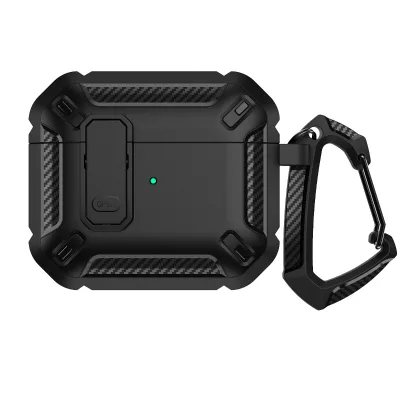
Size specifications are non-negotiable. Standard packaging dimensions for these products often measure approximately 21x12x4 cm for a single unit, which impacts shipping logistics and storage costs. The internal geometry must accommodate the unique shape of the charging case, often described as square or rounded-square, to ensure the earbuds sit securely. Additionally, the "360 Protection" feature is a key technical claim that buyers should validate through physical inspection. This implies that the case covers all angles, including the charging port and the hinge mechanism, preventing dust ingress and physical damage.
Water resistance is another vital specification. While many cases claim to be waterproof, the degree of protection varies. Buyers should distinguish between water-resistant coatings and fully waterproof seals. The market data highlights "Waterproof" as a specific feature, suggesting that some high-end custom cases are designed to withstand rain or accidental submersion. However, the specific IP rating (e.g., IPX4, IPX7) is rarely standardized across all suppliers and must be confirmed on a per-product basis. The "anti-slip" and "anti-fall" attributes are also standard expectations, ensuring the case remains secure during active use.
Customization Capabilities and Branding Options
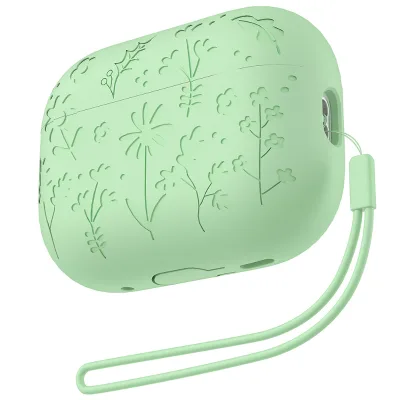
The primary value proposition of custom AirPods cases is the ability to brand the product. Suppliers in this sector typically offer robust OEM (Original Equipment Manufacturer) and ODM (Original Design Manufacturer) services. This allows buyers to dictate not only the color and material but also the shape and structural design of the case. The availability of "private molds" is a significant indicator of a supplier's capability to produce unique, non-generic designs. This feature ensures that the final product is distinct in the marketplace and cannot be easily replicated by competitors.
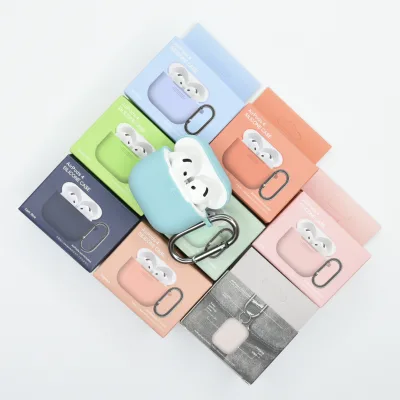
Logo printing is a standard service offered across the industry. Buyers can expect options for various printing techniques, including UV painting and direct logo application. The "OEM" logo capability means that the supplier can reproduce specific brand assets with high fidelity. Furthermore, the customization extends to packaging. Options often include OPP bags, colorful boxes, or fully customized packaging solutions that align with the buyer's brand identity. This level of flexibility is essential for companies looking to create a cohesive unboxing experience.
The "Custom Silicone Case" and "Custom For Airpod Case Silicone" descriptors indicate that the material itself can be tailored. This includes the ability to select specific colors, such as white or multi-color options, to match brand guidelines. The "Soft" hardness rating mentioned in technical profiles suggests that the customization process does not compromise the material's inherent flexibility. Buyers should also note that the "Small Orders" are often accepted, which is beneficial for startups or brands testing new product lines before committing to large-scale production runs.
Cost Drivers and Pricing Dynamics
Understanding the cost structure of custom AirPods cases is essential for budgeting and margin analysis. The pricing is influenced by several factors, including the complexity of the mold, the type of material used, and the order quantity. The market observes a wide price range, from approximately $0.30 to $50.86 per unit. This variance is driven by the distinction between basic silicone cases and premium leather or multi-material constructions.
The "Factory directly cheap and reasonable price" claim suggests that sourcing directly from the manufacturer can yield significant cost savings compared to intermediaries. However, buyers must be wary of prices that seem too low, as they may indicate compromised material quality or lack of proper quality control. The "MOQ" (Minimum Order Quantity) is another critical cost driver, with observed ranges spanning from 1 to 1000 units. Lower MOQs are advantageous for prototyping and small-batch releases, while higher volumes typically unlock better unit pricing.
Lead times also impact the overall cost of procurement. The standard delivery time is reported to be between 5 and 15 working days, depending on the quantity ordered. This relatively short lead time allows for agile supply chain management, but buyers should account for potential delays during peak seasons. Additionally, the cost of samples is a consideration; while the product samples themselves are often free of charge, the shipping costs are typically borne by the buyer. This "Free of charge, shipping cost at your side" model is standard in the industry and should be factored into the initial budget.
Supplier Evaluation and Quality Assurance
Selecting the right supplier requires a thorough evaluation of their capabilities and track record. Buyers should prioritize suppliers who demonstrate transparency in their production processes and material sourcing. The origin of the products is a key indicator, with many suppliers based in Guangdong, China, a hub for electronics and accessory manufacturing. This location offers a mature supply chain ecosystem, but it also necessitates rigorous due diligence to ensure quality standards are met.
Quality control should be a central part of the supplier evaluation process. Buyers must verify that the supplier has established protocols for testing the "Eco-Friendly," "Anti-Dust," and "Shockproof" claims. While specific test results are not always publicly available, buyers should request sample testing data or third-party certification reports. The "Hardness" and "Shape" specifications should be validated against the actual product to ensure they match the design requirements. Furthermore, the "Surface finishing" process, such as UV painting, should be inspected for consistency and durability.
The "Private mold" capability is a strong differentiator. Suppliers who own their molds can offer greater control over the production timeline and quality. Buyers should inquire about the ownership of the mold and the terms of its use. Additionally, the "OEM/ODM" status should be confirmed to ensure the supplier has the legal and technical capacity to handle custom designs. The "Single gross weight" of 0.500 kg for packaging is a logistical detail that affects shipping costs and should be considered when calculating total landed costs.
Long-Term Procurement and Sustainability
Sourcing custom AirPods cases is not just a one-time transaction but a long-term partnership that requires strategic planning. The "Season: All" and "Weather: Rainly Day/Sunny Day" attributes indicate that these products are designed for year-round use, making them a stable product line for retailers. However, the market is dynamic, and buyers must stay ahead of trends in material innovation and design.
Sustainability is becoming an increasingly important factor in procurement decisions. The "Eco-Friendly" attribute is frequently highlighted, suggesting that many suppliers are adopting greener manufacturing practices. Buyers should verify the specific environmental standards used by their suppliers, such as the use of recycled materials or non-toxic dyes. The "Heat Resistant" property also plays a role in sustainability, as durable products that withstand high temperatures reduce the need for frequent replacements.
Finally, the "Small Orders: Accepted" feature supports a flexible procurement strategy. This allows buyers to test the market with smaller batches before scaling up, reducing the risk of overstocking. The "Sample" policy, where samples are free but shipping is paid, facilitates this testing phase. By maintaining a close relationship with suppliers who offer these flexible terms, buyers can adapt quickly to market changes and consumer preferences. The "Customization: Available" aspect ensures that the product line can evolve with brand needs, maintaining relevance and competitiveness in a crowded marketplace.
FAQs
What materials are available for custom airpods cases?
Suppliers offer both silicone and leather materials for custom airpods cases. Silicone provides a soft, shockproof, and waterproof experience, while leather offers a hard cover structure with eco-friendly properties. Buyers should verify the specific material composition to ensure it meets their durability and aesthetic requirements.
Which earphone models are compatible with these custom cases?
These cases are designed to be compatible with AirPods 1, 2, 3, Pro, and AirPods 4. The specifications explicitly state suitability for these models, ensuring a precise fit for the charging case. Buyers must confirm the exact model number to avoid loose fits or blocked charging ports.
Can I request a private mold for a unique design?
Yes, suppliers offer private mold services to create unique, non-generic designs for custom airpods cases. This capability allows for distinct shapes and structures that cannot be easily replicated by competitors. It is a key feature for brands seeking exclusive product differentiation in the market.
What is the typical lead time for custom orders?
The standard delivery time for Custom AirPods Case orders is between 5 and 15 working days. This duration depends on the quantity ordered and the complexity of the customization. Buyers should account for this lead time when planning their supply chain and product launches.
How much does a sample cost for a Custom AirPods Case?
Samples are typically provided free of charge, but the buyer must cover the shipping costs. This policy allows buyers to test the product quality before committing to a larger order. It is a standard industry practice to facilitate the initial evaluation of the custom design and material.
What customization options are available for branding?
Buyers can customize the color, shape, and logo printing on custom airpods cases using OEM and ODM services. Options include UV painting for surface finishing and various packaging solutions like OPP bags or colorful boxes. This flexibility ensures the final product aligns with the buyer's brand identity.
What is the minimum order quantity for these cases?
The minimum order quantity ranges from 1 to 1000 units depending on the supplier and product type. Small orders are accepted, which is beneficial for startups testing new product lines. Higher volumes typically unlock better unit pricing, making volume a key factor in cost management.