Source Sport Bicycle Water Bottle for MTB, Road, and Commuting
Find 30 Sport Bicycle Water Bottle options from Chinese manufacturers. Compare aluminum and plastic models with capacities from 500ml to 1000ml. View customization, MOQ, and origin details for mountain bike and universal rider needs; compare the available evidence and request quotations based on your requirements.
Updated
Key considerations
Products List
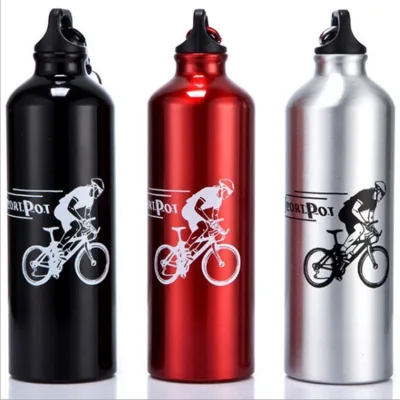
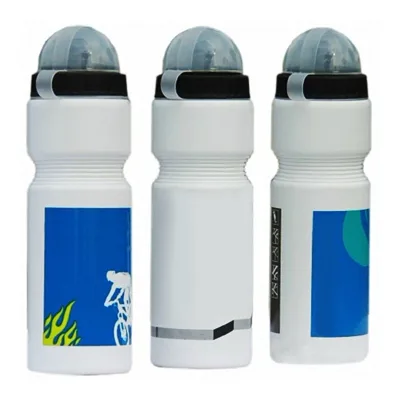
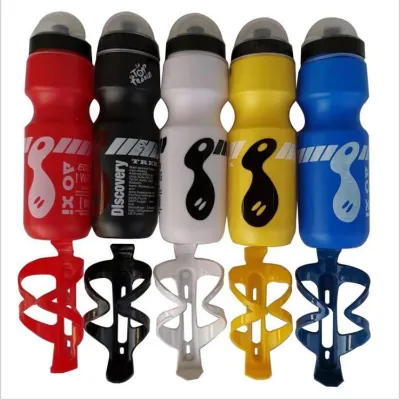
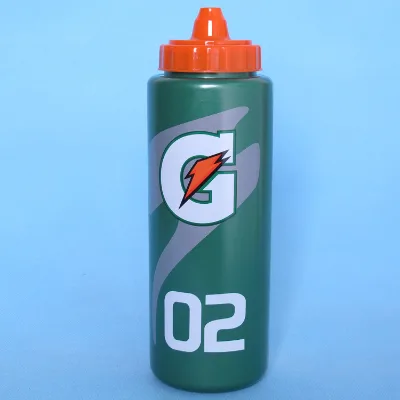
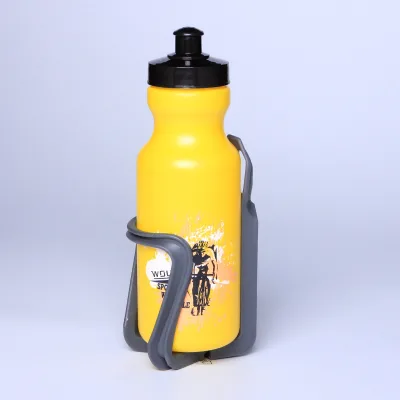


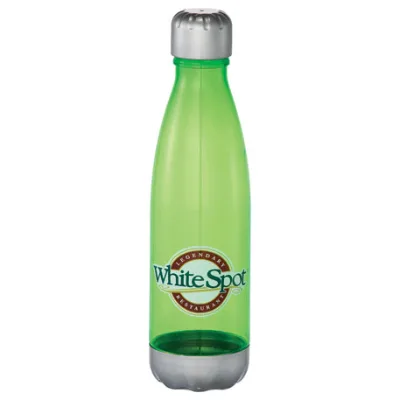
Cycle Bike Football Sports Water Bottle, Promotional Bicycle Sports Bottle
$0.40 - $0.50
MOQ: 3000 Pieces

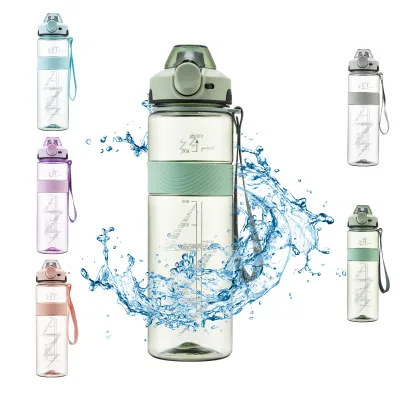
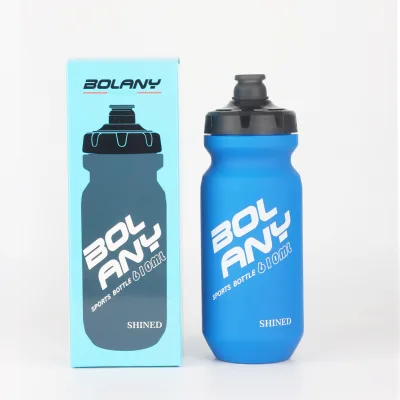
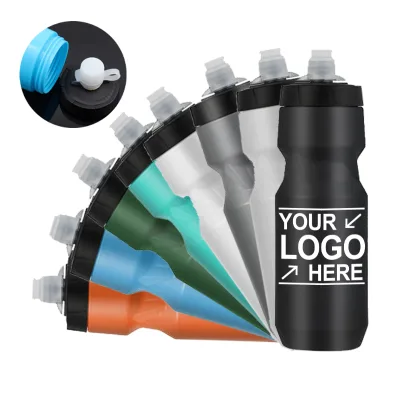
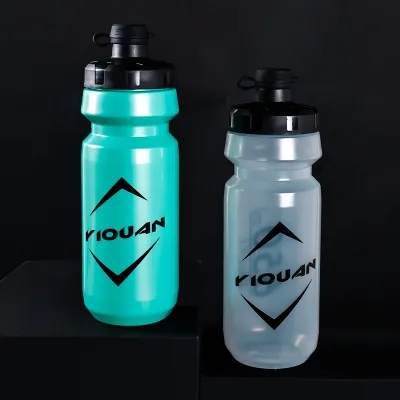
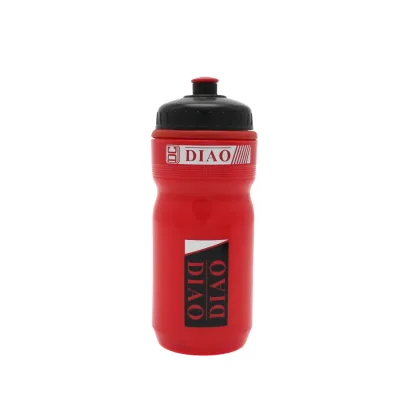
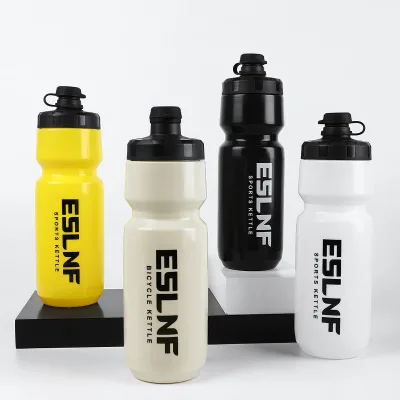
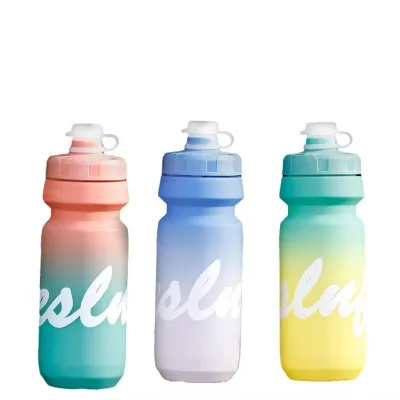
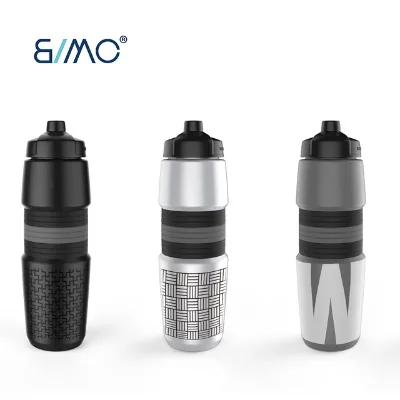
Comprehensive Sourcing Guide
Sport Bicycle Water Bottle Sourcing Guide
Procuring sport bicycle water bottles requires a clear understanding of the diverse material options and functional designs available in the current market. Buyers must distinguish between aluminum alloy constructions and plastic variants, as each offers distinct advantages regarding weight, durability, and thermal retention. The observed product landscape includes items explicitly labeled as aluminum alloy, which typically provide a premium feel and robust structure, alongside plastic water bottles that offer cost-effective solutions for high-volume distribution. Understanding these material distinctions is the first step in aligning product selection with specific brand positioning and target customer expectations.
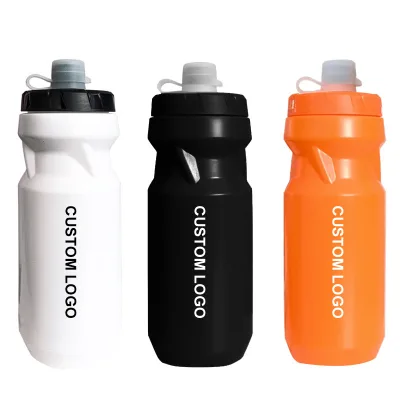
Beyond material composition, the functional scope of these bottles extends to customization capabilities and volume specifications. Many suppliers offer customized logo services, allowing brands to imprint their identity directly onto the bottle surface, which is critical for marketing and brand recognition in the sporting goods sector. Volume capacities observed range from 500ml to 1000ml, with specific models fixed at 750ml or 600ml, catering to different hydration needs for mountain biking, road cycling, or general fitness use. This variability necessitates precise specification definition during the initial sourcing phase to ensure the final product meets the intended athletic performance requirements.
Product Scope and Observed Listing Signals
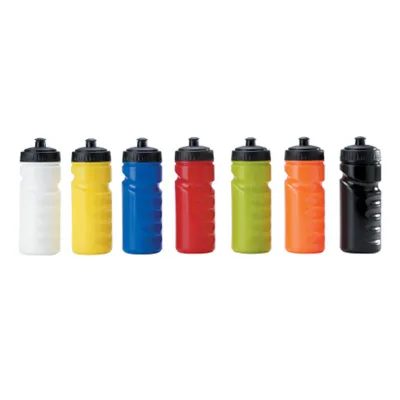
The current market listings reveal a wide array of product attributes that buyers must carefully evaluate to avoid mismatches in procurement. Observed data indicates that products are sourced from multiple Chinese provinces, including Hebei, Guangdong, and Zhejiang, which may impact logistics and supply chain dynamics. Color options are diverse, with listings specifying grey, black, red, blue, and all-color availability, suggesting that inventory management and SKU complexity can vary significantly depending on the supplier’s standard offerings. Buyers should verify whether color variations are standard stock items or require additional setup fees and longer lead times.
Functional descriptions and application contexts further define the product scope, with some items marketed specifically for mountain bikes while others are labeled as universal fit for all riders. The presence of customization options, such as accepted customized logos and available customization services, highlights the importance of verifying the minimum order quantities (MOQ) associated with branded products. Some listings indicate an MOQ of five sets, while others suggest higher thresholds, directly influencing the feasibility of small-batch testing versus large-scale deployment. Additionally, packaging details, such as neutral packing or specific brand packing, must be confirmed to ensure compliance with retail or distribution channel requirements.
Technical Specifications to Verify
Technical verification begins with confirming the exact model numbers and physical dimensions of the water bottles to ensure compatibility with existing bike frame cages and accessories. Listings show model numbers such as HL-6898899, 2025-3-8-011, and A5805040, each associated with specific single package sizes and gross weights. For instance, some models have a single gross weight of 0.200 kg, while others weigh up to 1.5 kg, indicating significant variation in material thickness or included components. Buyers must request detailed technical drawings or physical samples to verify that the bottle dimensions align with their product design specifications and that the weight distribution does not negatively impact cycling performance.
Processing services and manufacturing capabilities are also critical technical factors that influence product quality and consistency. The observed processing service of molding suggests that the bottles are likely injection-molded or thermoformed, which affects the precision of the cap seal and the overall structural integrity. Buyers should inquire about the specific molding techniques used and whether the supplier has the capability to produce custom molds for unique shapes or features. Furthermore, verifying the condition of the product as new and ensuring that the volume capacity matches the labeled specification is essential to prevent discrepancies in customer satisfaction and product reliability.
Compliance and Safety Documentation
Compliance with international standards is a non-negotiable aspect of sourcing sport bicycle water bottles, particularly when products are intended for global distribution. The observed certification list includes ISOEEC, BSCI, and CE, which indicate adherence to specific quality management, social responsibility, and safety standards. Buyers must verify the validity and scope of these certifications with the issuing bodies to ensure they cover the specific manufacturing processes and product lines being procured. It is crucial to confirm that the certifications are current and that the supplier maintains consistent compliance over time, as lapses can lead to significant supply chain disruptions and reputational damage.
In addition to formal certifications, buyers should request detailed safety data sheets and material compliance reports, especially for plastic water bottles that come into direct contact with beverages. Ensuring that the materials used are food-grade and free from harmful substances like BPA is essential for protecting consumer health and meeting regulatory requirements in various markets. The presence of customization options does not exempt the product from these safety standards, so any additional inks, adhesives, or coatings used for logo printing must also be verified for compliance. Establishing a clear documentation trail for all safety and compliance aspects is vital for risk mitigation and successful market entry.
Cost Drivers and Commercial Terms
Cost structures for sport bicycle water bottles are influenced by several key factors, including material choice, customization complexity, and order volume. Aluminum alloy bottles typically command a higher price point due to the cost of raw materials and the energy-intensive manufacturing processes involved, whereas plastic bottles offer a more economical option for budget-conscious buyers. The observed price range of 0.2 to 10 USD reflects this disparity, but buyers must look beyond the unit price to understand the total cost of ownership, which includes tooling fees for custom molds, setup costs for logo printing, and shipping expenses.
Commercial terms such as MOQ and lead times play a significant role in the overall procurement strategy. While some suppliers offer low MOQs of five sets, facilitating easier entry for new brands, others may require higher volumes to achieve competitive pricing. Buyers should negotiate clear terms regarding payment schedules, return policies, and liability for defective goods. Additionally, understanding the packing specifications, such as the number of units per carton and the overall packing size, is essential for optimizing logistics and warehousing costs. Transparent communication about these commercial terms helps in building a sustainable and profitable supply chain relationship.
Supplier Qualification and Quality Control
Supplier qualification is a critical step in ensuring the reliability and consistency of the Sport Bicycle Water Bottle supply chain. Buyers should conduct thorough due diligence on potential suppliers, verifying their business licenses, manufacturing capabilities, and past performance records. The observed brand names, such as HL and Jalyn, along with OEM capabilities, suggest that many suppliers are experienced in producing for various clients. However, buyers must assess the supplier’s ability to maintain consistent quality across large production runs and their responsiveness to custom requests. Establishing a clear communication channel and defining quality expectations upfront is essential for successful collaboration.
Quality control measures must be implemented at various stages of the production process to minimize defects and ensure product integrity. Buyers should request detailed quality control plans that include in-process inspections, final random inspections, and testing for durability and leak-proof performance. The observed advantage of one-stop sourcing can simplify this process, but buyers must still define specific acceptance criteria for color accuracy, logo placement, and functional performance. Implementing a robust quality assurance protocol, including the right to conduct third-party inspections, helps mitigate risks and ensures that the delivered products meet the agreed-upon standards.
Long-Term Procurement Checks
Long-term procurement success depends on continuous monitoring and evaluation of supplier performance and market trends. Buyers should establish key performance indicators (KPIs) to track metrics such as on-time delivery, defect rates, and responsiveness to issues. Regular audits and performance reviews help identify areas for improvement and ensure that the supplier remains aligned with the buyer’s evolving needs. The dynamic nature of the sporting goods market requires buyers to stay informed about emerging materials, design trends, and regulatory changes that may impact product sourcing strategies.
Building a resilient supply chain also involves diversifying suppliers and maintaining healthy relationships with multiple vendors to mitigate risks associated with single-source dependencies. Buyers should periodically reassess their supplier base to ensure they are leveraging the best available options in terms of cost, quality, and service. Additionally, fostering open communication and collaborative problem-solving with suppliers can lead to innovative solutions and continuous improvement in product offerings. By focusing on long-term partnership development and strategic procurement practices, buyers can secure a competitive advantage in the Sport Bicycle Water Bottle market.
FAQs
What materials are used for sport bicycle water bottles?
Sport bicycle water bottles are primarily manufactured using Aluminum Alloy and Plastic materials. These materials ensure durability and lightweight performance for cyclists. The Aluminum Alloy option provides a sturdy structure, while the Plastic variant offers flexibility. Both types are designed to keep drinks cool and accessible during rides, catering to different rider preferences and usage scenarios.
Can I customize the logo on these bicycle bottles?
Yes, customized logos are acceptable for these sport bicycle water bottles. Buyers can request personalized branding to enhance product identity. This customization service allows for unique marketing opportunities. The bottles support various design integrations, ensuring that your brand stands out. This feature is ideal for businesses looking to create branded merchandise for their teams or customers.
What is the typical volume capacity of these bottles?
The typical volume capacity ranges from 500 ml to 1000 ml. Specific models include capacities of 600 ml and 750 ml. This range ensures adequate hydration for various cycling durations. The 750 ml option is common for longer rides, while smaller sizes suit quick refills. This variety allows riders to select the most suitable capacity for their specific sport and endurance needs.
Which certifications do these sport bicycle water bottles hold?
These sport bicycle water bottles hold ISOEEC, BSCI, and CE certifications. These credentials verify compliance with international quality and safety standards. The certifications ensure that the products meet rigorous manufacturing requirements. Buyers can trust the quality and safety of these bottles for commercial distribution. This verification is crucial for maintaining high standards in the global sports equipment market.
What is the minimum order quantity for these bottles?
The minimum order quantity is typically 5 sets. This low MOQ allows for flexible purchasing options for small businesses. Buyers can test the market with smaller initial orders. The flexibility supports diverse procurement needs without significant upfront investment. This approach is beneficial for startups or companies exploring new product lines in the cycling accessories sector.
Where are these sport bicycle water bottles manufactured?
These sport bicycle water bottles are manufactured in China, specifically in regions like Hebei, Guangdong, and Zhejiang. These locations are known for robust manufacturing capabilities. The diverse origins ensure a steady supply chain. Buyers can benefit from the established industrial infrastructure in these areas. This geographic distribution supports efficient production and logistics for global export requirements.