Source Sports Bar for Gym, Bar, and Restaurant Use
Source a wide range of Sports Bar products including triceps barbells and cocktail counters for gym, bar, and restaurant applications. Compare 30 listings with varying materials, dimensions, and customization options to find the right equipment for your needs; compare the available evidence and request quotations based on your requirements.
Key considerations
Products List


Sports Music Bar Contemporary Night Club Lounge Cocktail Pub Restaurant Counter Bar
$799.00 - $1100.00
MOQ: 1 Meters

Sports Grill Bar Countertop Ideas U Shape Cocktail Lounge Club Restaurant Bar
$799.00 - $1100.00
MOQ: 1 Meters






Comprehensive Sourcing Guide
Sports Bar Sourcing Guide
Procuring sports bars requires a clear distinction between fitness equipment and hospitality furniture, as the term spans vastly different industries. Buyers must first define whether they are sourcing weightlifting implements for gyms or decorative fixtures for commercial venues. The market offers carbon steel and spring steel options for exercise bars, while lounge areas utilize diverse materials for aesthetic appeal. Clarifying the end-use environment ensures that technical specifications align with operational demands, preventing costly mismatches in durability and function.
This guide addresses the critical verification steps for both categories, focusing on material integrity, dimensional accuracy, and supplier reliability. Whether selecting a triceps barbell for bodybuilding or a custom cocktail counter for a nightclub, the procurement process demands rigorous attention to detail. By understanding the specific attributes listed in supplier catalogs, buyers can navigate the complexities of global manufacturing and secure products that meet their precise quality and performance standards.
Product Scope and Observed Listing Signals
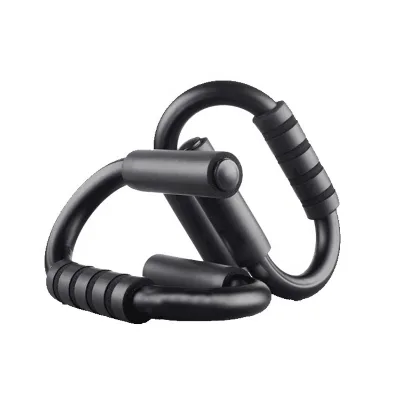
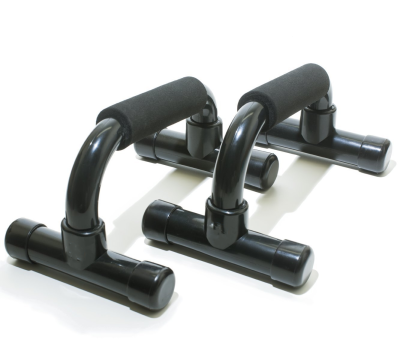
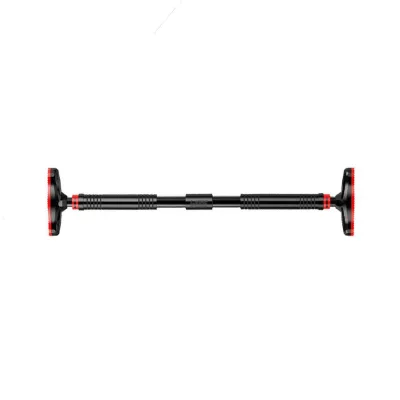
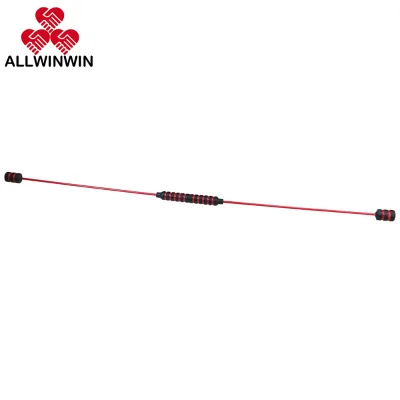
The observed product landscape reveals a wide variance in item types, ranging from specialized weightlifting bars to commercial furniture. Listings indicate carbon steel and spring steel materials for exercise equipment, with specific models like the Triceps Barbell designed for bodybuilding and fitness applications. These items often feature electroplating processes and come in standard or customized configurations, with weights such as 20kg and 8kg being common specifications. Buyers should note that these attributes apply to specific listings and may not represent the entire category of sports bars available.
Conversely, the scope extends to hospitality furniture, including U-shape cocktail lounges and wave-style counters intended for nightclubs and restaurants. These items are characterized by modern styles, specific dimensions like L 3600mm, and warranties of up to five years. The presence of customized logos and available samples suggests a market focused on branding and pre-purchase verification. Procurement teams must carefully distinguish between these distinct product lines to ensure they are evaluating the correct category for their specific operational needs.
Technical Specifications to Verify
Dimensional accuracy and material composition are paramount when verifying Sports Bar specifications. For exercise equipment, buyers must confirm bar diameters, such as the 50mm standard, and ensure the weight ratings match the intended training intensity. The presence of customization options allows for tailored solutions, but it is essential to verify that the electroplating process provides adequate corrosion resistance for high-traffic gym environments. Additionally, checking the product model numbers, such as 003 or 004, helps in tracking specific design iterations and ensuring consistency across bulk orders.
For hospitality applications, precise dimensional verification is equally critical to ensure fit within designated spaces. Specifications like L 3800mm by W 1500mm for triangle-shaped counters must be cross-referenced with floor plans to avoid installation issues. Buyers should also verify the condition of the items, ensuring they are new and unfolded if required, and confirm the packing methods, such as plywood cartons, to prevent damage during transit. Understanding these technical details helps in planning logistics and ensuring the final product meets the aesthetic and functional requirements of the venue.
Compliance and Safety Documentation
Safety compliance is non-negotiable for fitness equipment, particularly for bars used in weightlifting and gymnastics. Buyers must request documentation that verifies the structural integrity of carbon and spring steel components under load. While specific test results are not provided in the general listing, suppliers should be able to demonstrate that their products meet relevant industry standards for durability and safety. This includes verifying that the attachment grades, such as professional bar ratings, are suitable for the intended training projects and age groups, ensuring long-term reliability and user safety.
For hospitality furniture, compliance often relates to fire safety and material toxicity regulations, depending on the local jurisdiction. Buyers should inquire about the warranty terms, such as the five-year coverage offered on some lounge items, as this reflects the manufacturer’s confidence in their product’s longevity. Additionally, verifying that the products are suitable for indoor use and meet any relevant environmental standards is crucial. Ensuring that all safety and compliance documentation is in place before shipment helps mitigate legal risks and ensures a smooth installation process for the end user.
Cost Drivers and Commercial Terms
Several factors influence the cost of sports bars, including material type, customization level, and order volume. Exercise bars made from carbon steel with electroplating may have different cost structures compared to those made from spring steel. The availability of customized logos and specific dimensions can also impact pricing, as these require additional manufacturing steps. Buyers should analyze the minimum order quantities, which range from 2 pieces to 10,000 pieces, to determine the most cost-effective purchasing strategy for their specific needs and inventory requirements.
Commercial terms such as production time and packaging methods also play a significant role in the total cost of ownership. Items with a production time of two weeks may require earlier planning to avoid delays, while those with faster turnaround times might carry a premium. Packaging, whether in standard cartons or reinforced plywood, affects shipping costs and the risk of damage. Buyers should negotiate clear terms regarding sample availability and pricing to ensure transparency and avoid unexpected expenses during the procurement process, ensuring a balanced approach to cost and quality.
Supplier Qualification and Quality Control
Evaluating supplier qualifications is essential to ensure consistent product quality and reliable delivery. Buyers should verify the supplier’s location, such as Hebei, China, and assess their manufacturing capabilities for both exercise equipment and hospitality furniture. Checking for certifications and quality control processes, such as material testing and dimensional inspections, helps in identifying reputable suppliers. The availability of samples is a valuable tool for verifying product quality before committing to large orders, allowing buyers to assess the finish, weight, and overall construction firsthand.
Quality control should extend to the packaging and shipping processes to prevent damage during transit. Buyers should confirm that suppliers use appropriate packaging materials, such as plywood cartons for fragile items, and have procedures in place for handling customized orders. Establishing clear communication channels with the supplier ensures that any issues can be addressed promptly. By conducting thorough due diligence on supplier qualifications and quality control measures, buyers can build a reliable supply chain that supports their operational goals and maintains high standards of product integrity.
Long-Term Procurement Checks
Long-term procurement success depends on establishing ongoing relationships with suppliers who can consistently meet quality and delivery expectations. Buyers should implement regular performance reviews to assess supplier reliability, product consistency, and responsiveness to issues. Tracking key metrics such as lead times, defect rates, and customer satisfaction helps in identifying areas for improvement and making informed decisions about future orders. Maintaining open communication with suppliers fosters collaboration and ensures that any changes in product specifications or market conditions are addressed proactively.
Additionally, buyers should stay informed about industry trends and technological advancements that may impact product design and functionality. This includes monitoring developments in materials, such as new steel alloys or coating technologies, that could offer improved durability or aesthetic appeal. By continuously evaluating the procurement process and adapting to market changes, buyers can optimize their sourcing strategies and maintain a competitive edge. Regularly updating supplier qualifications and quality control protocols ensures that the procurement function remains robust and aligned with the organization’s long-term strategic objectives.
FAQs
What materials are used for sports bars?
Sports bars are typically manufactured from carbon steel or spring steel to ensure durability and strength during intense workouts. These materials provide the necessary resilience for weightlifting exercises and bodybuilding fitness routines. The choice of material directly impacts the bar's longevity and performance under heavy loads.
Can I customize the logo on sports bars?
Yes, customized logos are available for sports bars to meet specific branding requirements. Buyers can request tailored designs to enhance product identity. This customization option allows businesses to create unique offerings for their clients while maintaining the high-quality standards expected in professional fitness equipment manufacturing.
What is the minimum order quantity for sports bars?
The minimum order quantity varies by product type, ranging from 1 piece to 10,000 pieces depending on the specific model. Some items have an MOQ of just 2 pieces, while others require 5 pieces. Buyers should check the specific product details to determine the exact MOQ for their order.
Where are these sports bars manufactured?
These sports bars are produced in Hebei, China, and other regions within China. The manufacturing location ensures access to established supply chains and production facilities. Buyers can expect consistent quality and competitive pricing from these origins, which are known for their robust fitness equipment manufacturing capabilities.
What packaging options are available for sports bars?
Sports bars are packaged in cartons, pallets, or plywood cartons to ensure safe transit. The packaging method depends on the specific product model and size. Proper packaging protects the equipment from damage during shipping and handling, ensuring that items arrive in new condition ready for immediate use or resale.
What standards do these sports bars meet?
Sports bars adhere to specific standards such as 20kg or 8kg weight specifications, depending on the model. Dimensions like 50mm diameter are also standardized for compatibility with existing gym equipment. These standards ensure that the bars meet industry expectations for safety, performance, and integration into various fitness training setups.