Source Sports Bra and Yoga Set for Gym Running Yoga
Find 30 verified listings for Sports Bra and Yoga Set options with elastic waist, racerback straps, and breathable fabric. Compare OEM services, customization, and pricing from suppliers in Fujian, Guangdong, and Zhejiang.
Key considerations
Products List


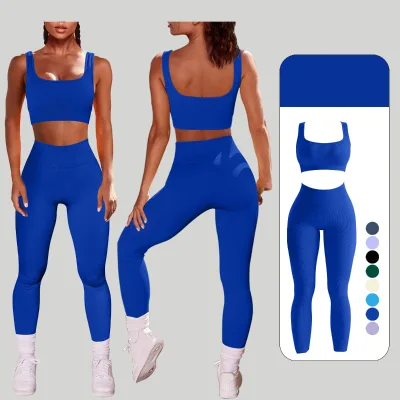
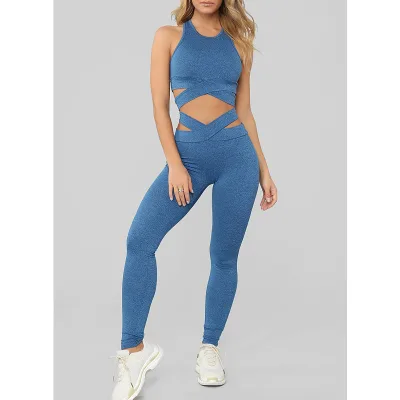


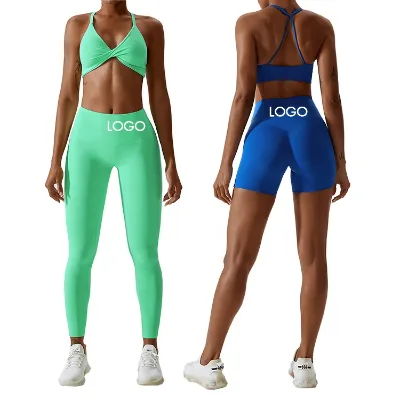
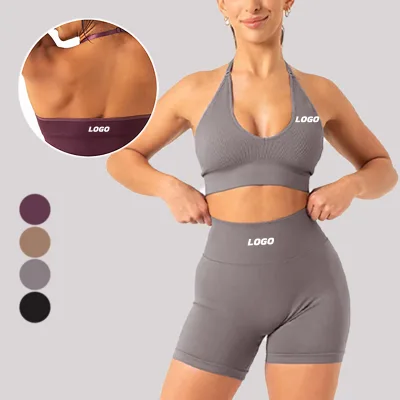
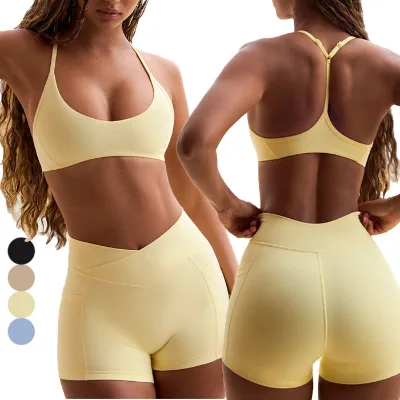
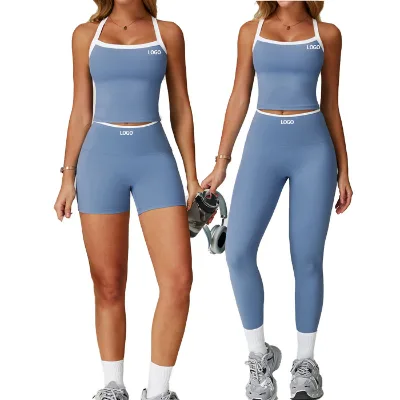
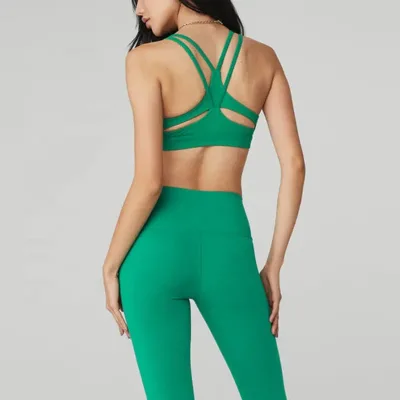
Backless Bra Seamless Women Sets Quick Dry Women Gym Set 2 Pieces Women Sports Set
$13.37 - $15.00
MOQ: 30 Minimum


Comprehensive Sourcing Guide
Strategic Sourcing Guide for Sports Bras and Yoga Sets
The global market for athletic apparel has seen a sustained surge in demand, driven by the increasing cultural emphasis on fitness, wellness, and active lifestyles. Within this expansive sector, the Sports Bra and Yoga Set have emerged as foundational categories for both standalone purchases and bundled offerings. For B2B procurement professionals, sourcing these items requires a nuanced understanding of technical specifications, supply chain logistics, and quality assurance protocols. This guide provides a structured approach to navigating the procurement landscape for high-performance activewear, ensuring that buyers can identify reliable partners and secure products that meet rigorous market standards without relying on unverified claims or speculative data.
Technical Specifications and Material Composition
The foundation of any successful activewear procurement strategy lies in a precise understanding of the product's technical architecture. When evaluating sports bras and yoga sets, the material composition is the primary determinant of performance, durability, and user comfort. The supplied data indicates that a prevalent material blend for these items is Spandex and Nylon. This combination is critical because Spandex provides the necessary elasticity and recovery required for high-movement activities, while Nylon offers strength, abrasion resistance, and a smooth texture against the skin. Buyers must verify that the fabric weight aligns with the intended use case; observed data points to a fabric weight of 260 grams, which suggests a mid-to-heavyweight construction suitable for structured support and longevity rather than ultra-lightweight summer wear.
Beyond the raw materials, the construction techniques define the product's integrity. The sourcing landscape reveals specific manufacturing methods such as automated cutting and seamed construction. Automated cutting ensures precision in pattern matching and minimizes fabric waste, while seamed construction typically offers superior durability compared to bonded alternatives, particularly for high-stress areas like the shoulder straps and waistbands. The waist type is frequently observed as "High," a design feature that provides core support and prevents the garment from rolling down during intense physical activity. Furthermore, the strap type is often identified as "Racerback," a configuration that allows for greater freedom of movement in the upper back and shoulders, essential for yoga flows and gym workouts.
The product attributes also highlight a "Solid" pattern type, which is a staple in the activewear market due to its versatility and ease of branding. However, the supply chain also supports "Custom Designs" and "Customized Logo Printing," indicating that buyers can leverage OEM services to create unique brand identities. The supply type is noted as both "OEM Service" and "in-Stock Items," offering flexibility for buyers who need immediate inventory or those requiring bespoke production runs. The seasonal suitability is broad, with options available for "Summer" as well as "Spring Summer Autumn Winter," suggesting that fabric technology varies to accommodate different climatic conditions.
Compliance, Certification, and Quality Verification
In the B2B apparel sector, compliance and quality verification are non-negotiable pillars of risk management. While the supplied context does not list specific third-party certifications (such as OEKO-TEX or GRS), buyers must proactively request documentation to verify that the materials meet international safety and environmental standards. The "High Qualtiy" attribute observed in product listings is a marketing claim rather than a verified standard; therefore, procurement teams must establish their own quality benchmarks. This involves requesting test reports for colorfastness, shrinkage, and tensile strength to ensure the Spandex/Nylon blend maintains its integrity after repeated washing and stretching.
Quality control should extend to the packaging and labeling process. The data indicates varied packaging details, ranging from "1set/Polybag" to "first in polybag, then in carton." Buyers must specify their preferred packaging to prevent damage during transit and to ensure that the final presentation aligns with retail requirements. Additionally, the "Single Gross Weight" of 1.000 Kg per set is a critical data point for logistics planning. Accurate weight and dimension data, such as the "Single Package Size" of 40X30X2.Cm or 30X20X5 cm, are essential for calculating freight costs and optimizing container loading.
Buyers should also verify the origin of the products. The supply chain data points to origins in Fujian, Guangdong, and Zhejiang, all of which are major manufacturing hubs in China. While these regions are known for their textile expertise, buyers must ensure that the specific factory they engage with adheres to ethical labor practices and environmental regulations. The "Service" attribute of "24 Hours Online" suggests a level of responsiveness, but this should be validated through direct communication channels to ensure that the supplier can effectively manage post-sales issues and provide timely support.
Cost Drivers and Pricing Dynamics
Understanding the cost structure of sports bras and yoga sets is vital for maintaining healthy profit margins. The observed listed price range of 4 to 26 USD reflects a significant variance, which is influenced by several key factors. The primary driver is the level of customization. Products with "Customized Logo Printing" and "Custom Designs" typically command higher prices due to the additional setup costs and the complexity of the production process. Conversely, "in-Stock Items" with standard designs may fall at the lower end of the price spectrum.
The Minimum Order Quantity (MOQ) is another critical cost determinant. The data shows an MOQ range of 1 to 200 sets, with a specific "Customize MOQ" of 50 sets. Buyers with smaller order volumes may face higher per-unit costs or may need to purchase from stock. The "Supply Ability" of 100,000 sets per month indicates that suppliers have the capacity to handle large-scale orders, which can lead to economies of scale and reduced unit costs for bulk buyers. However, buyers must balance this capacity with their own inventory requirements to avoid overstocking.
Lead times also impact the overall cost of procurement. The data mentions a "7 Days Sample Order Lead Time" with conflicting notes on whether it is supported or not. This inconsistency highlights the need for buyers to clarify sample production timelines before committing to an order. Delays in sample approval can cascade into production delays, potentially affecting market launch dates and incurring rush shipping fees. Additionally, the "Shipping" options listed, including DHL, EMS, UPS, FedEx, sea, and air, offer varying cost and speed profiles. Sea freight is generally more cost-effective for large volumes, while air freight is necessary for urgent, low-volume shipments.
Typical Applications and Market Segmentation
The versatility of sports bras and yoga sets allows them to serve a wide range of applications and market segments. The "Usage" attribute explicitly lists "Yoga Gym.Running Sport," confirming that these products are designed for high-intensity physical activities. The "High" waist type and "Racerback" strap design are particularly suited for yoga and Pilates, where core engagement and shoulder mobility are paramount. For running and gym workouts, the "Breathable" feature is essential to manage moisture and maintain comfort during prolonged exertion.
The target demographic is clearly defined as "Adults," making these products suitable for a broad consumer base. The "Style" is described as "Sets" and "Sports Style," indicating that they are often marketed as coordinated outfits rather than individual pieces. This bundling approach appeals to consumers seeking a cohesive look for their fitness routines. The "Product Name" of "Yoga Sets Fitness" further reinforces the dual-purpose nature of these items, which can be used for both structured fitness classes and casual athletic wear.
The seasonal availability, ranging from "Summer" to "Spring Summer Autumn Winter," suggests that manufacturers produce variations of these sets to cater to different climates. Lightweight, breathable fabrics are ideal for summer, while heavier blends may be preferred for cooler seasons. Buyers should consider the seasonal trends in their target markets when planning their procurement cycles to ensure that the inventory aligns with consumer demand throughout the year.
Supplier Evaluation and Selection Criteria
Selecting the right supplier is a critical step in the procurement process. The data indicates that suppliers offer "OEM Service" and "Service" options, including "24 Hours Online" support. When evaluating potential partners, buyers should prioritize suppliers who demonstrate transparency in their production capabilities and communication channels. The "Supply Type" of "OEM Service" implies that the supplier is willing to customize products, but buyers must verify their capacity to handle design changes and logo printing without compromising quality.
The "Place of Origin" in Zhejiang, Fujian, and Guangdong suggests a concentration of textile manufacturing expertise in these regions. Buyers should investigate the specific factories within these locations to assess their infrastructure, technology, and workforce. The "Technics" of "Factory production" and "Automated Cutting" indicate a level of industrialization that can support consistent quality and high-volume output. However, buyers should also inquire about the supplier's quality control processes to ensure that the "High Qualtiy" claim is backed by rigorous testing and inspection protocols.
Another key factor is the supplier's ability to manage lead times and logistics. The "7 Days Sample Order Lead Time" and various shipping options provide flexibility, but buyers must confirm these timelines in writing to avoid misunderstandings. The "Customization" availability and "Logo" options offer opportunities for brand differentiation, but buyers should clarify the associated costs and minimum order requirements. Finally, the "Service" aspect, including online support and after-sales assistance, is crucial for resolving any issues that may arise during the production or delivery process.
Quality Control and Long-Term Procurement Considerations
Ensuring consistent quality is a continuous process that extends beyond the initial order. Buyers should implement a robust quality control strategy that includes pre-production sample approval, in-process inspections, and final random inspections. The "Single Gross Weight" and "Single Package Size" data should be used as benchmarks to verify that the finished products match the agreed specifications. Any deviations in weight or dimensions could indicate issues with material usage or packaging, which could affect shipping costs and customer satisfaction.
Long-term procurement considerations involve building a sustainable relationship with suppliers. The "Supply Ability" of 100,000 sets per month suggests that suppliers can scale production as demand grows, but buyers should ensure that the supplier has the capacity to maintain quality during peak periods. The "Customization" and "Design" options allow for product evolution, enabling buyers to adapt to changing market trends and consumer preferences. Additionally, the "Season" variability requires buyers to plan their orders well in advance to ensure that the right products are available when needed.
Buyers should also consider the environmental impact of their procurement decisions. While the supplied data does not explicitly mention sustainable practices, the use of Spandex and Nylon raises questions about recyclability and end-of-life disposal. Buyers may want to explore suppliers who offer eco-friendly alternatives or who have implemented recycling programs for their production waste. Finally, the "MOQ" and "Customize MOQ" thresholds should be evaluated in the context of the buyer's inventory strategy to optimize cash flow and minimize storage costs.
Conclusion
Sourcing sports bras and yoga sets requires a comprehensive approach that balances technical specifications, cost efficiency, and quality assurance. By leveraging the detailed product attributes and supply chain data available, buyers can make informed decisions that align with their business objectives. The key to success lies in thorough supplier evaluation, clear communication of requirements, and a commitment to maintaining high standards throughout the procurement process. As the market continues to evolve, staying informed about technical advancements and consumer trends will be essential for securing a competitive advantage in the activewear sector.
FAQs
What material blend is used for these yoga sets?
The products use a Spandex and Nylon blend for elasticity and durability. This combination ensures the fabric provides necessary recovery for high-movement activities while offering strength and a smooth texture against the skin.
Can I order custom designs with my own logo?
Yes, customization is available including custom designs and logo printing. Buyers can leverage OEM services to create unique brand identities, though specific minimum order quantities may apply for these bespoke production runs.
What is the typical fabric weight for these sets?
The observed fabric weight is 260 grams per set. This mid-to-heavyweight construction is suitable for structured support and longevity rather than ultra-lightweight summer wear, ensuring durability during intense physical activity.
How long does it take to get a sample order?
A 7-day sample order lead time is supported by some suppliers. Buyers must clarify this timeline directly as availability varies, and delays in sample approval can cascade into production delays affecting market launch dates.
Which locations are the primary manufacturing hubs for these items?
Products originate from major hubs in Fujian, Guangdong, and Zhejiang, China. These regions are known for textile expertise, but buyers should verify specific factory adherence to ethical labor practices and environmental regulations.
What is the minimum order quantity for custom sets?
The minimum order quantity for customized items is typically 50 sets. Standard in-stock items may have lower MOQs, but buyers should verify specific requirements as the range observed spans from 1 to 200 sets.
Are these yoga sets suitable for all seasons?
Yes, options are available for Summer as well as Spring, Summer, Autumn, and Winter. Manufacturers produce variations to accommodate different climatic conditions, ranging from lightweight breathable fabrics for summer to heavier blends for cooler seasons.