Source Spot Removal Acne Patch for Face, Body, and Custom OEM
Compare 30 Spot Removal Acne Patch options from Ningbo and Zhejiang suppliers. These hydrocolloid patches, available in 10mm and 12mm sizes, offer OEM/ODM customization, tea tree oil ingredients, and waterproof features for combination skin types; compare the available evidence and request quotations based on your requirements.
Key considerations
Products List


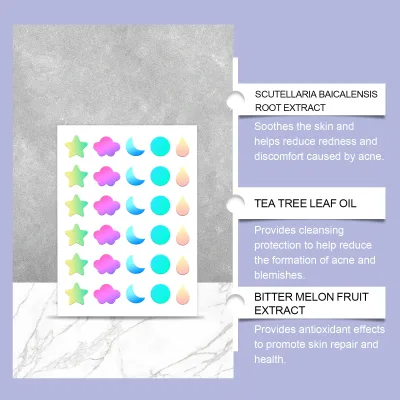
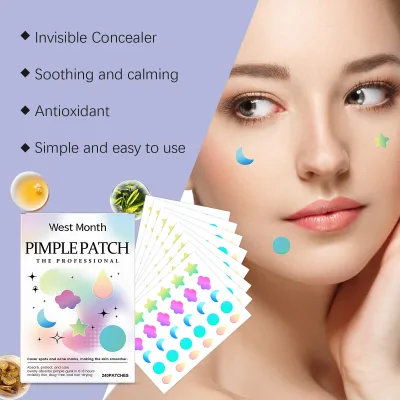


Hydrocolloid Acne Pimple Patch for Spot, 20 Dots Pimple Patches, Cystic Acne Patch
$0.10 - $0.20
MOQ: 10000 Sheet


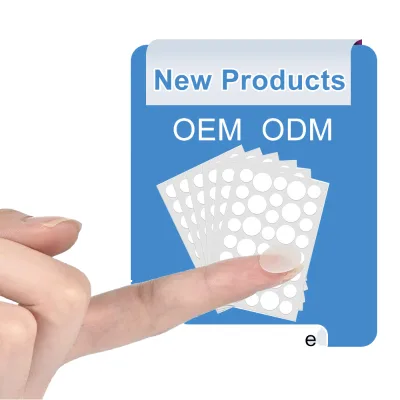


Comprehensive Sourcing Guide
Spot Removal Acne Patch Sourcing Guide
Buyers evaluating spot removal acne patches must first distinguish between standard hydrocolloid variants and specialized formulations containing active ingredients like salicylic acid or tea tree oil. The observed product range includes models such as HYCA-36 and HY-GA-22, which utilize hydrocolloid material to absorb exudate while protecting the skin barrier. Procurement teams should verify whether the specific listing supports customization for ingredient inclusion, as some suppliers offer organic or vegan options while others focus on basic moisture absorption.
The commercial landscape for these patches reveals a wide variance in minimum order quantities, ranging from single units to thirty thousand pieces depending on the supplier's capacity. Pricing signals observed in the market span from $0.10 to $5.00 per unit, heavily influenced by packaging formats like cartons or boxes and the complexity of custom branding. Buyers must align their order volume with the supplier's stated MOQ to avoid unnecessary costs, ensuring that the selected model matches the intended distribution channel, whether for retail or professional clinical use.
Product Scope and Observed Listing Signals
The primary function of these products is acne and blemish control, specifically targeting the face for users with combination skin types. Listings frequently highlight features such as moisturizing and nourishing properties alongside the core treatment capability, indicating a dual-purpose design that aids healing while maintaining skin hydration. The product shape is often customizable, allowing buyers to select standard circular sizes or unique forms that fit specific aesthetic requirements for their brand identity.
Shelf life and age group compatibility are critical signals that vary across different product models, with some items rated for two years and others for three years. While many listings specify an adult demographic, others explicitly state suitability for all ages, requiring careful verification before marketing to pediatric or family-oriented segments. Buyers should confirm the intended usage instructions, such as application on a clean face, to ensure the product aligns with the hygiene standards expected by their target consumer base.
Technical Specifications to Verify
Thickness and dimensional standards are the most critical technical parameters for effective spot removal performance, with observed ranges typically falling between 0.25mm and 0.3mm. Standard sizes frequently cited include 12mm diameters and specific sheet dimensions like 12mm by 12mm or 5 by 6 centimeters, which dictate the coverage area for different lesion sizes. Procurement teams must verify that the selected model, such as HYCA-54 or HYCA-78, meets the precise dimensional requirements for their specific application needs.
Material composition and packaging specifications further define the product's utility and logistics profile. The core material is consistently identified as hydrocolloid, often combined with customizable additives like tea tree oil or salicylic acid for enhanced efficacy. Packaging formats vary from simple boxes to bulk cartons, and buyers must confirm the exact packing configuration to ensure compatibility with their existing supply chain infrastructure and storage capabilities.
Compliance and Safety Documentation
Safety and regulatory compliance are paramount when sourcing medical-grade or cosmetic patches, with certifications like CE, ISO, and FDA serving as key indicators of quality assurance. Some suppliers provide documentation including BSCI and WCA certifications, which validate ethical manufacturing practices and supply chain transparency. Buyers should request current certificates to verify that the production facility adheres to international safety standards, particularly when marketing products in regulated markets like the European Union or North America.
Ingredient safety profiles must be scrutinized to ensure alignment with consumer expectations regarding organic, vegan, and paraben-free formulations. While some listings explicitly claim cruelty-free status and organic ingredients, others may offer customizable options that require third-party verification. Procurement teams should demand batch-specific test results or safety data sheets to confirm that the final product contains no prohibited substances and meets the declared ingredient specifications before finalizing any purchase agreement.
Cost Drivers and Commercial Terms
The total cost of ownership is driven by the complexity of customization, including logo placement, ingredient formulation, and packaging design. Suppliers offering OEM and ODM services typically charge premiums for tailored solutions, whereas standard off-the-shelf models remain more cost-effective for high-volume orders. Buyers must evaluate the trade-off between brand differentiation and unit cost, ensuring that the added expense of customization delivers sufficient market value to justify the investment.
Minimum order quantities and lead times significantly impact cash flow and inventory planning, with observed MOQs ranging from 5,000 boxes to 30,000 units for certain models. The supply type, whether OEM or ODM, dictates the flexibility of the commercial terms and the potential for long-term partnership. Procurement teams should negotiate clear terms regarding quality guarantee periods, which are often cited as two years, to mitigate risks associated with product degradation or manufacturing defects during the storage period.
Supplier Qualification and Quality Control
Supplier qualification requires a thorough assessment of their manufacturing capabilities, specifically their ability to maintain consistent thickness and adhesion properties across large production runs. The origin of the products, often listed as Ningbo or Zhejiang, provides insight into the regional supply chain maturity and logistical efficiency. Buyers should verify the supplier's history of delivering on time and their capacity to handle custom orders without compromising the structural integrity of the hydrocolloid material.
Quality control protocols must be rigorously defined to ensure that every batch meets the specified standards for size, shape, and ingredient concentration. The presence of a quality guarantee period suggests a commitment to product reliability, but buyers should also implement their own incoming inspection procedures. Establishing clear acceptance criteria for defects, such as uneven edges or inconsistent adhesive strength, is essential to maintain brand reputation and consumer trust in the spot removal efficacy of the patches.
Long-Term Procurement Checks
Sustaining a successful procurement relationship involves regular audits of the supplier's ability to maintain consistent product specifications over time. Buyers should monitor changes in raw material sources, particularly for active ingredients like salicylic acid, to ensure that the therapeutic efficacy remains stable. Periodic re-verification of certifications and safety data is necessary to adapt to evolving regulatory requirements and to maintain compliance in all target markets.
Strategic planning for future orders should account for potential fluctuations in material costs and supply chain disruptions. Establishing a buffer stock based on the observed shelf life of two to three years can help mitigate risks associated with sudden demand spikes or production delays. Continuous communication with the supplier regarding new product developments, such as updated models or enhanced formulations, ensures that the procurement strategy remains aligned with market trends and consumer preferences.
FAQs
What material is used for these acne patches?
The primary material is hydrocolloid, which helps absorb excess fluid from blemishes. Some variants include added ingredients like tea tree oil or salicylic acid for enhanced treatment. This composition supports effective spot removal while maintaining skin hydration during the healing process.
Can I customize the logo and packaging?
Yes, OEM and ODM services are available for branding and packaging. You can request customized logos and specific carton or box packing configurations. This flexibility allows businesses to tailor the product presentation to their specific market needs and brand identity requirements effectively.
What certifications do these patches hold?
Products typically hold CE, ISO, FDA, and BSCI certifications. These credentials ensure compliance with international quality and safety standards. Buyers can verify specific documentation for each model to confirm regulatory adherence for their target markets before placing bulk orders.
What is the typical shelf life?
The shelf life ranges from two to three years depending on the specific model. Proper storage conditions help maintain product efficacy throughout this period. Buyers should check the expiration date on the packaging to ensure freshness upon receipt and during inventory management.
Are these patches suitable for all skin types?
Yes, the patches are designed for unisex use and are suitable for combination skin types. They are gentle enough for various age groups, including adults. The hydrocolloid material provides a protective barrier without causing irritation, making them versatile for general acne treatment needs.
What are the standard sizes available?
Standard sizes include 12mm, 10mm, and 8mm diameters. Specific models offer dimensions like 12mm*12 or 5*6cm sheets. Custom shapes and sizes are also available upon request to meet specific product design requirements or unique application needs for different blemish types.