Source Spot Welding Nickel Strip for Battery Packs
Find 30 Spot Welding Nickel Strip options for battery pack assembly, electronics, and industrial applications. Compare thicknesses, plating specs, and OEM capabilities from verified Chinese manufacturers to select the right material for your production needs; compare the available evidence and request quotations based on your requirements.
Key considerations
Products List


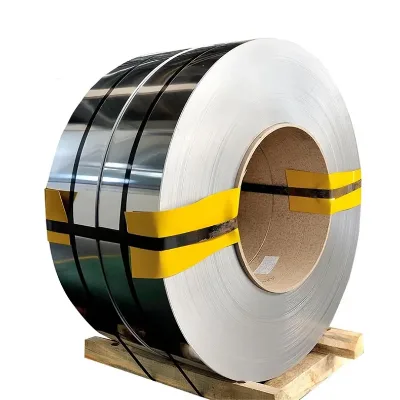
nickel strip 0.2mm offset 2p pure nickel strips for 18650 21700 32650 spot welding
$24.00 - $30.00
MOQ: 10 kilograms


Comprehensive Sourcing Guide
Spot Welding Nickel Strip Sourcing Guide
Procuring Spot Welding Nickel Strip requires a precise understanding of material composition, plating integrity, and dimensional tolerances to ensure reliable battery pack assembly. Buyers must distinguish between pure nickel variants and nickel-plated steel options, as each offers distinct mechanical and electrical properties suited for specific manufacturing environments. The selection process hinges on verifying the substrate material, plating thickness, and surface finish to prevent welding defects such as spatter or weak joints during high-volume production.
This guide outlines the critical verification steps for sourcing these components, focusing on technical specifications, compliance documentation, and supplier qualification. By aligning procurement strategies with observed market signals and industry standards, buyers can mitigate risks associated with inconsistent quality and supply chain disruptions. The following sections provide a structured approach to evaluating suppliers, interpreting product data, and establishing robust quality control measures for long-term procurement success.
Product Scope and Observed Listing Signals
The market for Spot Welding Nickel Strip includes diverse product types such as copper-nickel sheets, nickel plates, and nickel-plated steel strips, each serving distinct functional roles in battery manufacturing. Observed listings indicate a wide range of thicknesses, from 0.1mm to 1.0mm base layers, with custom widths available to meet specific cell spacing requirements. Buyers should note that product names often vary, with terms like "Copper Nickel Sheet" or "Nickel Plated Steel Strip" referring to different material structures that must be carefully distinguished during the sourcing process.
Listing signals reveal that customization is a standard offering, with many suppliers providing OEM services and accepting custom orders for dimensions and plating specifications. Common attributes include high-temperature resistance, good weldability, and corrosion resistance, which are essential for maintaining joint integrity in demanding applications. The presence of certifications such as ISO9001:2015, RoHS, and SGS in product descriptions suggests a baseline level of quality assurance, though buyers must verify these claims independently to ensure compliance with their specific regulatory requirements.
Technical Specifications to Verify
Dimensional accuracy is paramount when sourcing nickel strip, as variations in thickness and width can directly impact welding quality and battery pack performance. Buyers should verify the exact base material thickness and plating layer, noting that some products feature composite structures like 0.3mm copper with 0.15mm nickel plating, while others use pure nickel or nickel-plated steel substrates. It is crucial to confirm the plating thickness per side, as insufficient plating can lead to rapid corrosion or poor electrical conductivity, whereas excessive plating may increase costs without adding value.
Surface finish and material purity are also critical technical factors that influence weldability and long-term reliability. Specifications often cite purity levels greater than 99.5% for nickel components, which is essential for minimizing resistance and heat generation during spot welding. Buyers must also assess the production mode, such as precision stamping, which affects the consistency of the strip’s edges and overall dimensional stability. Understanding these technical nuances allows buyers to select materials that align with their specific welding equipment and battery design requirements.
Compliance and Safety Documentation
Regulatory compliance is a non-negotiable aspect of sourcing nickel strip, particularly for applications in electronics, medical devices, and aviation where safety standards are stringent. Buyers must ensure that suppliers provide valid certificates of conformity, such as ISO9001:2015 for quality management systems, and RoHS compliance to confirm the absence of hazardous substances. These documents serve as evidence that the manufacturing process adheres to recognized international standards, reducing the risk of regulatory penalties and product recalls in global markets.
Additionally, third-party testing reports from reputable agencies like SGS can provide independent verification of material properties and safety claims. Buyers should request detailed test results that confirm the chemical composition, mechanical strength, and plating adhesion of the nickel strip. It is also important to verify that the supplier follows specific standards such as ASTM or GB, depending on the target market, to ensure that the product meets local regulatory requirements. Proper documentation not only facilitates customs clearance but also builds trust with end customers who prioritize safety and quality.
Cost Drivers and Commercial Terms
Several factors influence the total cost of ownership for Spot Welding Nickel Strip, including raw material prices, plating thickness, and order volume. Buyers should analyze the price range relative to the specified thickness and width, as custom dimensions often incur higher processing costs. Minimum order quantities (MOQs) vary significantly, with some suppliers requiring as little as 1kg or 100 pieces, while others may demand larger volumes to justify production runs. Understanding these commercial terms helps buyers optimize inventory levels and negotiate favorable pricing structures.
Lead times and payment terms are also critical components of the commercial agreement, affecting cash flow and production scheduling. Typical lead times for customized nickel strip can range from 3 to 5 working days, depending on the complexity of the order and current production capacity. Buyers should clarify whether the quoted price includes packaging, such as carton boxing, and whether additional fees apply for expedited shipping or special handling. Establishing clear commercial terms early in the sourcing process prevents unexpected costs and ensures a smooth transaction from order placement to delivery.
Supplier Qualification and Quality Control
Evaluating supplier qualifications is essential to ensure consistent quality and reliable supply of Spot Welding Nickel Strip. Buyers should verify the supplier’s manufacturing capabilities, including their production mode and equipment precision, to assess their ability to meet tight tolerances. Suppliers that offer OEM services and welcome customization demonstrate flexibility and a customer-centric approach, which are valuable traits for long-term partnerships. It is also important to check the supplier’s origin, as manufacturers from regions like Guangdong, China, often have established supply chains and competitive pricing.
Quality control measures should be integrated into the procurement process to minimize defects and ensure product consistency. Buyers should request samples for initial testing to verify weldability, surface finish, and dimensional accuracy before placing large orders. Implementing incoming inspection protocols, such as checking for surface defects or verifying plating thickness, can help catch issues early in the production cycle. Establishing a clear communication channel with the supplier for addressing quality concerns ensures that any deviations from specifications are promptly resolved, maintaining the integrity of the final battery pack assembly.
Long-Term Procurement Checks
Sustaining a reliable supply of Spot Welding Nickel Strip requires ongoing monitoring of supplier performance and market dynamics. Buyers should regularly review supplier delivery times, quality metrics, and responsiveness to ensure they continue to meet evolving business needs. Periodic audits of the supplier’s quality management systems and compliance documentation help maintain high standards and mitigate risks associated with regulatory changes or supply chain disruptions. Building a diversified supplier base can also provide resilience against potential shortages or price volatility in the raw material market.
Continuous improvement initiatives, such as feedback loops between procurement and engineering teams, can drive better product specifications and cost efficiencies over time. Buyers should stay informed about industry trends and technological advancements in nickel strip manufacturing to identify opportunities for innovation and optimization. By maintaining a proactive approach to supplier management and quality assurance, buyers can secure a stable supply of high-quality nickel strip that supports their long-term production goals and competitive advantage in the battery market.
FAQs
What is the standard thickness for Spot Welding Nickel Strip?
The standard thickness varies by product type, typically ranging from 0.1mm to 0.3mm for nickel plated steel strips. Specific configurations include 0.15mm or custom options. For copper nickel sheets, thicknesses like 1.0mm copper with 0.2mm pure nickel are available. These dimensions ensure optimal conductivity and structural integrity for battery pack welding applications.
Can I customize the width of the nickel strip?
Yes, customization is available for the width of the nickel strip. Standard widths include 8mm or 10mm, but custom widths can be requested to meet specific design requirements. This flexibility allows for precise integration into various electronic and industrial applications, ensuring the material fits perfectly within your assembly process without waste.
What certifications do these nickel strips have?
These nickel strips typically hold ISO9001:2015, RoHS, and SGS certifications. They also comply with GB/T, GB, and ASTM standards. These certifications ensure quality management, environmental safety, and material reliability. Such documentation is essential for industries requiring strict compliance, including medical, aviation, and electronics sectors, guaranteeing consistent performance and safety.
What is the minimum order quantity for these strips?
The minimum order quantity varies by product. For some copper nickel sheets, the MOQ is 100 pieces. For nickel plated steel strips, the MOQ is often 3kgs. Other listings indicate an MOQ range of 1 to 5000 units. Buyers should verify specific MOQs with suppliers to align with their production volume needs.
How long is the lead time for production?
The lead time for production is typically 3-5 work days. This rapid turnaround supports urgent manufacturing schedules. However, lead times may vary based on customization requirements, order volume, and supplier capacity. Buyers should confirm exact timelines with manufacturers to ensure timely delivery for their specific project deadlines and supply chain requirements.
What is the purity level of the nickel plating?
The purity level of the nickel plating is generally greater than 99.5%. This high purity ensures excellent electrical conductivity and corrosion resistance. It is crucial for applications requiring reliable performance in harsh environments. The plating thickness is typically 1.5-2 micrometers per side, providing a durable and consistent surface for spot welding operations.