Source Square Heel Rubber Martin Boots for Work, Rain, and Casual Wear
Explore 30 options for Square Heel Rubber Martin Boots designed for durability and style. Compare features like waterproofing, anti-slip soles, and materials including PU and leather to find the right fit for industrial, outdoor, or everyday use.
Key considerations
Products List




Comprehensive Sourcing Guide
Square Heel Rubber Martin Boots Sourcing Guide
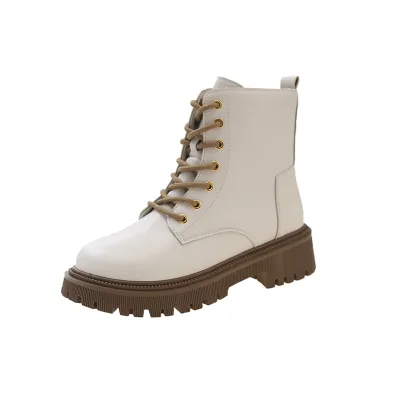
Sourcing Square Heel Rubber Martin Boots requires a nuanced understanding of the intersection between traditional workwear aesthetics and contemporary fashion trends. These boots are characterized by their distinct block-style heels and durable rubber outsoles, which provide stability and traction. Buyers must navigate a market where "martin" or "combat" styles are often adapted for casual or semi-formal wear, leading to significant variations in material composition, heel height, and overall construction quality. The square heel specifically offers a modern silhouette that differs from the traditional tapered or stacked heels found in classic military-inspired footwear, making it essential for buyers to define their target demographic clearly before initiating supplier outreach.
The procurement process for this specific footwear category involves balancing aesthetic appeal with functional durability. While the term "rubber martin boots" suggests a heavy-duty construction, the market includes a wide spectrum of products ranging from genuine leather uppers with reinforced rubber soles to synthetic PU materials designed for cost-effective mass production. Buyers should be aware that the square heel design can vary significantly in height and width, impacting both the wearer’s comfort and the boot’s overall structural integrity. Understanding these variations is critical for ensuring that the sourced products align with the brand’s quality standards and the end-user’s expectations for fit and longevity.
Product Scope and Observed Listing Signals
The current market landscape for Square Heel Rubber Martin Boots reveals a diverse range of product attributes that buyers must carefully evaluate. Observed listings indicate a price range of $4.45 to $43 USD, reflecting the vast difference between basic synthetic models and premium leather constructions. The minimum order quantity (MOQ) varies widely from 1 to 1000 units, suggesting that suppliers cater to both small-batch boutique orders and large-scale retail distributions. This variability requires buyers to assess their volume requirements against the supplier’s production capabilities, ensuring that the chosen partner can meet both quantity and quality expectations without compromising on lead times or cost efficiency.
Product specifications observed in the market highlight significant diversity in materials and design elements. While some listings feature genuine leather uppers with fabric or cotton linings, others utilize PU materials with mesh linings, indicating a split between premium and budget-friendly options. Heel heights range from approximately 2cm to high heels, with specific mentions of chunky heels and stiletto styles, although the latter may conflict with the traditional "martin" aesthetic. Buyers should note that attributes such as waterproofing, anti-slip designs, and shock absorption features are not universal; some products offer these benefits while others do not, necessitating a thorough review of each supplier’s technical datasheets to confirm specific performance claims.
Technical Specifications to Verify
Verifying the technical specifications of Square Heel Rubber Martin Boots is crucial for ensuring product consistency and performance. Buyers must confirm the exact material composition of the upper, lining, and outsole, as these components directly impact durability, comfort, and weather resistance. For instance, while some boots feature leather uppers with rubber outsoles, others may use PU uppers with varying sole compounds. It is essential to request physical samples to assess the quality of the materials, including the thickness of the leather or the flexibility of the PU, as well as the adhesion quality between the upper and the sole to prevent delamination during use.
The structural integrity of the square heel and the overall boot construction requires close inspection. Buyers should verify the heel height and stability, ensuring that the square design provides adequate support and does not compromise the wearer’s balance. Additionally, the presence of features such as lace-up closures, zippers, or elastic panels should be confirmed, as these affect the ease of wear and the fit of the boot. Shock absorption mechanisms, such as spring systems or air cushions, may be present in some models, and buyers should evaluate these features based on the intended use case, whether for casual wear or more demanding environments.
Compliance and Safety Documentation
Compliance and safety documentation are critical components of the sourcing process for Square Heel Rubber Martin Boots, particularly when targeting international markets. Buyers must ensure that suppliers provide relevant certifications and test reports that verify the safety and quality of the materials used. While specific certification statuses may vary, buyers should request documentation related to chemical safety, such as restrictions on harmful substances like lead, cadmium, or azo dyes, which are commonly regulated in footwear manufacturing. This is especially important for products intended for children or those marketed as eco-friendly.
In addition to chemical safety, buyers should verify compliance with regional standards for footwear performance and durability. This may include tests for slip resistance, abrasion resistance, and flex endurance, which are critical for ensuring that the boots meet the expected lifespan and safety standards. Buyers should also check for any specific labeling requirements, such as material composition labels or care instructions, which must be accurately displayed on the product and packaging. Ensuring that all documentation is up-to-date and verifiable helps mitigate the risk of regulatory non-compliance and potential product recalls.
Cost Drivers and Commercial Terms
Understanding the cost drivers for Square Heel Rubber Martin Boots is essential for effective budgeting and negotiation. The primary factors influencing cost include the material quality, with genuine leather being significantly more expensive than PU or synthetic alternatives. The complexity of the design, such as the presence of multiple layers, specialized linings, or intricate heel structures, also impacts production costs. Additionally, the volume of the order plays a crucial role, as larger quantities often allow for economies of scale, reducing the per-unit cost. Buyers should analyze these factors to determine the optimal balance between quality and cost for their specific market segment.
Commercial terms, including payment conditions, lead times, and shipping arrangements, are equally important in the sourcing process. Buyers should negotiate clear terms regarding payment milestones, such as deposits and balance payments upon shipment, to manage cash flow and risk. Lead times should be confirmed based on the order volume and complexity, with allowances for potential delays due to material sourcing or production bottlenecks. Shipping terms, such as FOB or CIF, should be agreed upon to clarify responsibility for logistics and insurance, ensuring that the total landed cost is accurately calculated and competitive.
Supplier Qualification and Quality Control
Supplier qualification is a critical step in ensuring the reliability and consistency of Square Heel Rubber Martin Boots. Buyers should conduct thorough due diligence on potential suppliers, including verifying their business licenses, production capabilities, and past performance. This may involve site visits or third-party audits to assess the factory’s quality management systems, production equipment, and workforce training. Suppliers with a proven track record of producing high-quality footwear and adhering to ethical labor practices are preferred, as they are more likely to deliver products that meet the buyer’s standards.
Quality control measures should be implemented throughout the production process to minimize defects and ensure consistency. Buyers should establish clear quality standards and inspection criteria, including checks for material quality, stitching integrity, and overall finish. Pre-production samples should be approved before mass production begins, and in-line inspections should be conducted during manufacturing to identify and address any issues early. Final random inspections should be performed before shipment to verify that the products meet all specified requirements, reducing the risk of receiving substandard goods.
Long-Term Procurement Checks
Long-term procurement checks are essential for maintaining a sustainable and efficient supply chain for Square Heel Rubber Martin Boots. Buyers should regularly review supplier performance metrics, including on-time delivery rates, product quality, and responsiveness to issues. This ongoing evaluation helps identify potential risks and opportunities for improvement, allowing buyers to make informed decisions about continuing or adjusting their supplier relationships. Building strong, collaborative relationships with suppliers can lead to better pricing, priority production, and access to new designs and innovations.
Continuous market monitoring is also crucial for staying ahead of trends and changes in consumer preferences. Buyers should track developments in materials, design, and technology that may impact the production and appeal of Square Heel Rubber Martin Boots. This includes monitoring regulatory changes, sustainability trends, and competitor activities. By staying informed and adaptable, buyers can ensure that their product offerings remain relevant and competitive in the market, while also maintaining high standards of quality and compliance.
FAQs
Are Square Heel Rubber Martin Boots available with customization options?
Yes, customization is available for these boots. Buyers can request specific modifications to meet their requirements, ensuring the final product aligns with their unique design or functional needs without compromising the core structure.
What materials are used for the upper and lining of these boots?
The upper material is typically PU or leather, while the lining varies between mesh, fabric, or cotton fabric depending on the specific model. These materials provide durability and comfort suitable for winter conditions.
Do these boots feature anti-slip designs for better traction?
Yes, many models include anti-slip designs such as grooves or blades to enhance traction. This feature ensures safety on slippery surfaces, making them practical for winter wear and outdoor activities.
What is the heel height range for Square Heel Rubber Martin Boots?
The heel height ranges from about 2cm to 5cm, with some models featuring chunky or stiletto heels. This variety allows buyers to choose between comfort and style based on their specific preferences.
Are these boots waterproof or water-resistant for winter use?
Waterproof capabilities vary by model, with some boots explicitly designed to be waterproof while others are not. Buyers should verify the specific product attributes to ensure they meet their weather protection needs.
What packaging is used for shipping these boots to international buyers?
Boots are typically packed in boxes or shoeboxes for safe transport. This packaging protects the product during shipping and ensures it arrives in pristine condition for retail or wholesale distribution.