Source Stackable Modern Jewelry Organizer for Bedroom, Vanity, Travel
Compare 30 Stackable Modern Jewelry Organizer options from verified suppliers. Explore metal, fabric, and canvas materials with customizable sizes and OEM logo services for bedroom, vanity, and travel storage needs.
Key considerations
Products List

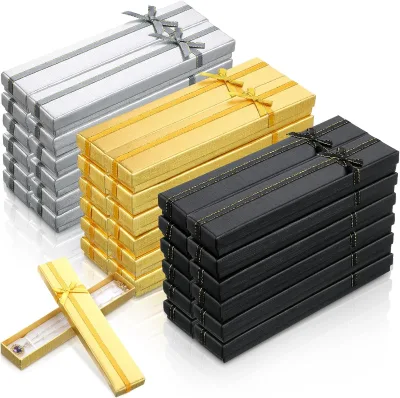
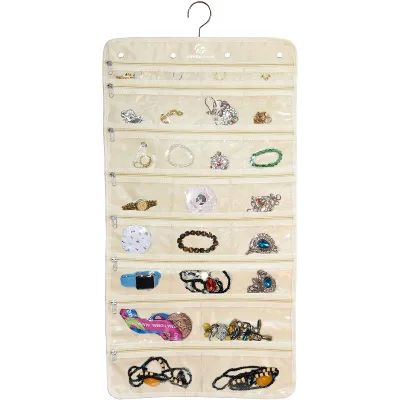
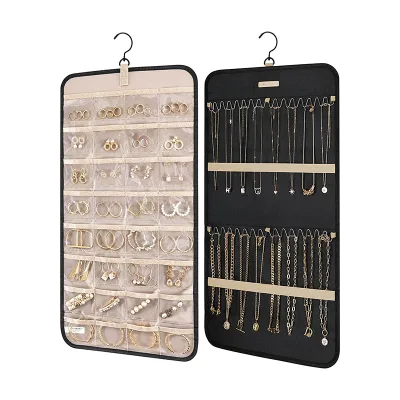


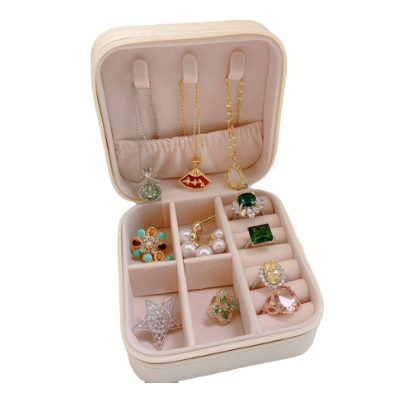


Elegant Custom Jewelry Tray Organizer for Closet - Handcrafted with Premium Materials
$10.00 - $15.00
MOQ: 300 Pieces


Comprehensive Sourcing Guide
Strategic Sourcing Guide for Stackable Modern Jewelry Organizers
Understanding Product Variability and Material Composition
The procurement of stackable modern jewelry organizers requires a nuanced understanding of the diverse material ecosystems available in the global market. Unlike standardized industrial components, these storage solutions are defined by their specific material composition, which directly dictates their durability, aesthetic appeal, and functional utility. Based on current market observations, the primary materials identified for these products include metal, paper, canvas, PVC, and fabric. Each material category presents distinct advantages and limitations that must be evaluated against the specific needs of the end-user.
Metal-based organizers, often characterized by a minimalist or industrial aesthetic, offer superior structural integrity and are frequently associated with high-end storage solutions. These units typically feature a "folded" or "unfolded" state, allowing for space-saving storage when not in use. In contrast, fabric and canvas options, often combined with PVC for water resistance or structural reinforcement, provide a softer, more portable alternative. These materials are frequently marketed with attributes such as "Eco-Friendly" and "Folding," catering to consumers who prioritize sustainability and space efficiency. Paper-based organizers, while less durable, are often utilized for temporary or decorative storage, though they may lack the longevity required for heavy daily use.
The "stackable" nature of these modern organizers is a critical design feature that maximizes vertical space in bedrooms and dressing areas. The physical dimensions of these units vary significantly, with observed specifications ranging from compact single items to larger sets. For instance, specific models have been documented with dimensions of 30.5x71cm, while others may be square or rectangular in shape. The thickness of the materials also varies, with some fabric-based organizers ranging from 0.05mm to 0.11mm, while wire-based metal structures may be defined by a "3 Wire" thickness specification. Buyers must verify these physical attributes to ensure compatibility with their existing storage infrastructure and to prevent issues related to instability or excessive bulk.
Technical Specifications and Functional Design
When evaluating the technical specifications of stackable modern jewelry organizers, the focus must extend beyond simple dimensions to include functional design elements that enhance user experience. The primary function of these products is jewelry storage, yet the specific mechanisms for organization differ widely. Some units are designed as general storage holders and racks, while others feature specialized hooks for hanging necklaces and bracelets. The "functional design" often includes foldable features, allowing the organizer to transition from a storage unit to a flat, compact form for travel or off-season storage.
The classification of these products can range from "Set" configurations, which may include multiple components like trays, hooks, and stands, to single-item units. The "Selling Units" are frequently listed as single items, but bulk purchasing often involves sets containing 1 to 3 pieces. The shape of the organizer is another critical technical parameter; observed designs include rectangular, square, and three-dimensional types. The "Three-dimensional Type" suggests a more complex structure capable of holding a greater volume of jewelry without tangling, whereas flat rectangular designs may be better suited for rings and earrings.
Tolerance levels are essential for ensuring that stackable units fit together seamlessly. Observed dimensional tolerances for these products are typically maintained within a range of less than ±2cm, which is crucial for maintaining the stability of stacked configurations. Similarly, weight tolerances are often specified at less than ±5%, ensuring that the load distribution remains consistent across different units in a stack. The capacity of these organizers can also vary, with some units designed to hold specific volumes, such as 100ml, while others rely on surface area and hook count for capacity. Buyers should request detailed technical drawings or specifications to confirm that the dimensional tolerances and weight limits align with their quality control standards.
Compliance, Certification, and Environmental Standards
In the realm of B2B procurement for home organization products, compliance and environmental standards play a pivotal role in supplier selection and product safety. While specific certification statuses for individual products in the current market data are not explicitly confirmed, buyers must verify that their suppliers adhere to recognized international standards. The "Eco-Friendly" attribute is frequently cited for fabric and canvas-based organizers, suggesting that these products may utilize sustainable materials or manufacturing processes. However, this claim requires verification through third-party testing or certification documents.
Buyers should investigate whether the materials used, such as PVC or specific fabric blends, comply with regional safety regulations regarding chemical content and flammability. For products originating from manufacturing hubs like Jiangsu and Zhejiang in China, it is essential to ensure that the production facilities adhere to local environmental regulations and international labor standards. Although ISO 27001 is mentioned in background contexts, this standard primarily relates to information security management rather than product safety or environmental compliance. Therefore, buyers should not assume that a supplier holds this certification unless explicitly documented.
Instead, the focus should be on verifying material safety data sheets (MSDS) and compliance with standards such as REACH in Europe or CPSIA in the United States, depending on the target market. For "Eco-Friendly" claims, buyers should request evidence of material sourcing, such as recycled content percentages or certifications from recognized environmental bodies. The "OEM & ODM" capabilities of suppliers also imply a level of customization that may require additional compliance checks to ensure that custom designs do not inadvertently violate safety standards.
Cost Drivers and Pricing Dynamics
The pricing of stackable modern jewelry organizers is influenced by a complex interplay of factors, including material costs, manufacturing complexity, customization requirements, and order volume. The observed price range in the market spans from $0.20 to $499, indicating a vast disparity in product value and quality. This wide range suggests that low-cost options may utilize basic materials like paper or thin fabric, while higher-priced items likely incorporate premium metals, advanced engineering, or extensive customization.
Material selection is a primary cost driver. Metal organizers generally command higher prices due to the cost of raw materials and the energy-intensive nature of metalworking. Conversely, paper and basic fabric options are more economical but may lack the durability required for long-term use. The inclusion of features such as "OEM" logo printing, custom colors, and specific dimensions also adds to the cost. Suppliers offering "Customization" services often charge a premium for the setup and tooling required to produce bespoke designs.
Order volume significantly impacts the unit price, with the observed Minimum Order Quantity (MOQ) ranging from 1 to 10,000 units. Small orders typically incur higher per-unit costs due to the fixed costs of production setup and logistics. Conversely, large-volume orders benefit from economies of scale, reducing the per-unit price. Buyers should also consider the "Sample" availability and associated costs, as samples are often welcome but may be priced higher than bulk units. The "Single package size" and "Single gross weight" are also factors in logistics costs, with larger or heavier packages incurring higher shipping fees.
Supplier Evaluation and Operational Capabilities
Selecting the right supplier for stackable modern jewelry organizers requires a thorough evaluation of their operational capabilities, production capacity, and commitment to quality. The market data indicates that suppliers are located in key manufacturing regions such as Jiangsu and Zhejiang, China. These regions are known for their robust supply chains and manufacturing expertise, but buyers must verify the specific capabilities of each supplier.
Key evaluation criteria include the supplier's ability to handle "OEM" and "ODM" requests, which are explicitly welcomed by many suppliers in this category. This capability indicates flexibility in design and branding, allowing buyers to create unique products that align with their brand identity. The "Brand Name" and "Logo" options suggest that suppliers are equipped to handle custom branding, but buyers should confirm the quality of the printing or engraving processes.
Production capacity is another critical factor. Suppliers should demonstrate the ability to meet demand fluctuations, with some capable of handling orders up to 10,000 units. The "Sample" lead time, typically ranging from 3 to 10 days, provides insight into the supplier's responsiveness and efficiency. Buyers should also assess the supplier's inventory management, as "Stocked" items may offer faster delivery times compared to custom-made products.
Quality control processes are essential to ensure that the final product meets the required specifications. Buyers should inquire about the supplier's internal quality assurance protocols, including inspection procedures for dimensional accuracy, material integrity, and finish quality. The ability to provide test results or quality reports is a strong indicator of a supplier's commitment to excellence.
Quality Control and Long-Term Procurement Considerations
Ensuring the quality of stackable modern jewelry organizers is paramount for maintaining customer satisfaction and brand reputation. Quality control measures should be implemented at every stage of the production process, from raw material inspection to final packaging. Buyers should verify that the supplier conducts rigorous checks on dimensional tolerances, ensuring that the ±2cm and ±5% weight tolerances are consistently met.
For products with "Eco-Friendly" claims, quality control should include verification of material composition and sustainability certifications. The "Folding" and "Functional design" features must be tested for durability, ensuring that the organizers can withstand repeated use without degradation. The "Color" consistency is also critical, especially for products where "As picture, other colours available" is a selling point. Buyers should request color swatches or samples to verify that the final product matches the desired aesthetic.
Long-term procurement considerations involve building a sustainable relationship with suppliers who can consistently deliver high-quality products. This includes negotiating favorable terms for volume discounts, ensuring reliable lead times, and maintaining open communication channels for addressing any quality issues. The "Lead time" for production and shipping should be clearly defined and agreed upon to prevent delays in the supply chain.
Buyers should also consider the lifecycle of the product, including its potential for recycling or disposal. Suppliers who prioritize sustainability in their manufacturing processes and packaging can help buyers meet their own corporate social responsibility goals. By focusing on quality control and long-term partnership, buyers can ensure a steady supply of high-quality stackable modern jewelry organizers that meet the evolving needs of the market.
Comparative Analysis of Product Attributes
To facilitate informed decision-making, the following table compares key attributes of the observed product types, highlighting the differences in material, function, and customization options.
| Attribute | Metal Organizers | Fabric/Canvas Organizers | Paper Organizers |
|---|---|---|---|
| Primary Material | Metal | Canvas + PVC, Fabric | Paper |
| Key Feature | Stylish Design, Durable | Eco-Friendly, Folding | Lightweight, Disposable |
| Function | Jewelry Storage, Hanging | Hanging Jewelry Organizer | Temporary Storage |
| Customization | OEM Logo Available | OEM & ODM Welcome | Limited |
| Typical Application | Bedroom, Dressing Room | Bedroom, Travel | Temporary Use |
| Durability | High | Moderate | Low |
| Stackability | High (Structural) | Moderate (Flexible) | Low |
This comparison underscores the importance of aligning product selection with specific use cases and quality expectations. While metal organizers offer superior durability and a premium feel, fabric options provide flexibility and eco-friendly attributes. Paper organizers, though less durable, may serve specific niche markets or temporary needs. Buyers should carefully weigh these factors to select the most appropriate product for their procurement strategy.
FAQs
What materials are used for stackable modern jewelry organizers?
These organizers are constructed from metal, paper, canvas, PVC, or fabric. Buyers should verify the specific material composition as options vary significantly between durable metal structures and softer fabric-based units with PVC reinforcement.
Can I customize the logo and design of these organizers?
Yes, OEM logo printing and ODM design customization are available for these products. Suppliers welcome requests for bespoke branding and specific design modifications to align with your brand identity and functional requirements.
What is the typical minimum order quantity for these items?
The minimum order quantity ranges from 1 to 10,000 units depending on the supplier and product configuration. Small orders may incur higher per-unit costs, while larger volumes benefit from economies of scale in production.
How long does it take to receive a sample order?
Sample orders are welcome and typically require 3 to 10 days for processing and delivery. This lead time allows buyers to verify product quality, dimensions, and material specifications before committing to a larger bulk purchase.
Where are these jewelry organizers manufactured?
Production originates from manufacturing hubs in Jiangsu and Zhejiang, China. These regions offer robust supply chains, but buyers should confirm specific factory locations to ensure alignment with their logistical and compliance requirements.
What dimensions are available for these storage racks?
Common specifications include dimensions of 30.5x71cm, with options for customized sizing. Buyers must verify dimensional tolerances, which are typically maintained within ±2cm, to ensure compatibility with their existing storage infrastructure.