Source Stain Resistant Non-Slip Prayer Carpet for Home, Office, Hotel
Compare 30 listings of stain resistant non-slip prayer carpet featuring polyester materials, anti-slip backing, and customizable designs. Buyers can evaluate specifications like thickness, pile height, and cleaning maintenance options for home, commercial, and travel use.
Key considerations
Products List

Custom Designed Commercial Flooring Non-Slip Soft Religious Prayer Carpet
$3.45 - $4.37
MOQ: 1 Square Meters

Project Custom Size High Density Non Slip Backing Durable Islamic Prayer Carpet
$3.45 - $4.37
MOQ: 1 Square Meters


Wholesale Price Non-Slip Soft Fireproof Durable Mosque Prayer Carpet
$3.45 - $4.37
MOQ: 1 Square Meters


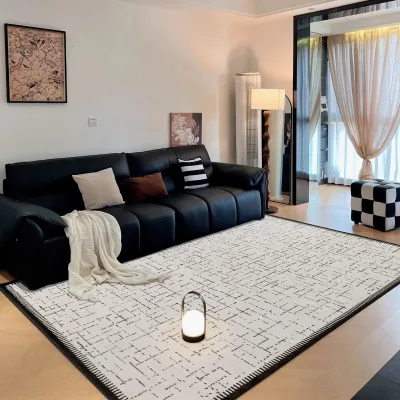


Modern Traditional Handtufted Muslim Prayer Rug Carpet Muslim Prayer Carpets
$36.00 - $99.00
MOQ: 1 Square Meters

Polyester Traditional Style Vintage Muslim Prayer Mat Mosque Pray Carpet
$8.00 - $25.00
MOQ: 100 Square Meters


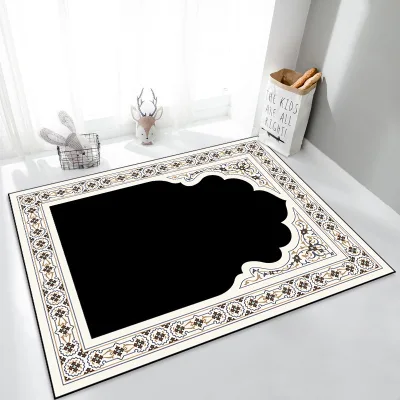

Non-Slip Rug Living Room Rug Prayer Carpet Anti-Bacteria Area Rug Cheap Carpet
$2.40 - $2.60
MOQ: 300 Square Meters

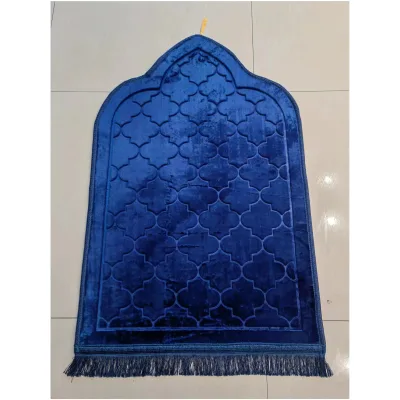
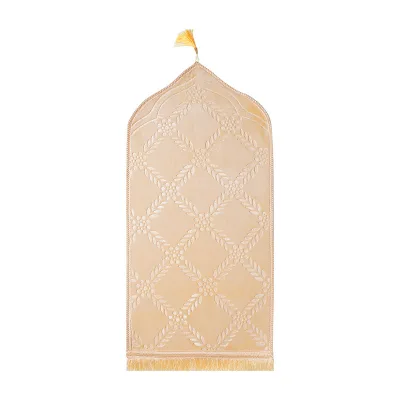
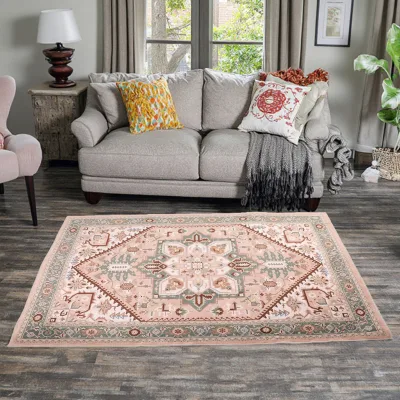
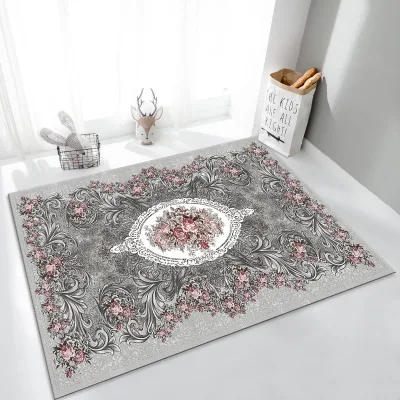
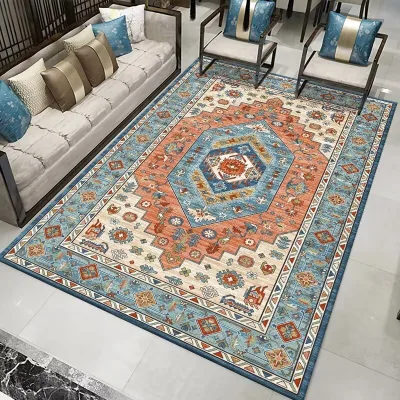
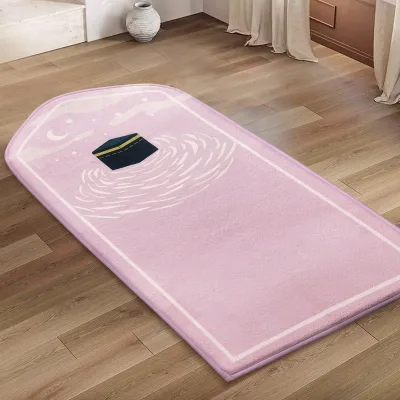
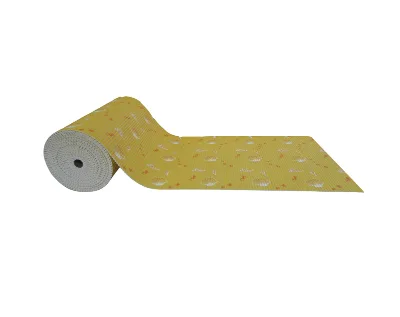


Comprehensive Sourcing Guide
Stain Resistant Non-Slip Prayer Carpet Sourcing Guide
Procuring stain-resistant non-slip prayer carpets requires a disciplined approach that balances aesthetic customization with rigorous functional performance. These products serve dual purposes in residential, commercial, and religious settings, demanding materials that withstand frequent foot traffic while maintaining hygiene and visual appeal. Buyers must navigate a market where attributes like waterproofing, antimicrobial properties, and specific backing technologies are critical differentiators. This guide outlines the essential verification steps for sourcing these specialized floor coverings, ensuring that procurement decisions are grounded in observable product facts and industry-standard quality controls.
The following sections provide a structured framework for evaluating suppliers, verifying technical specifications, and managing commercial risks. By focusing on concrete attributes such as pile height, backing composition, and surface materials, buyers can avoid common pitfalls associated with vague product descriptions. The guidance herein is derived from observed listing signals and trusted category knowledge, offering a practical roadmap for securing high-quality inventory that meets specific operational and safety requirements.
Product Scope and Observed Listing Signals
The market for prayer carpets encompasses a diverse range of applications, including home use, travel, commercial spaces, and dedicated prayer areas. Observed listings indicate that these products are frequently marketed with features such as waterproofing, washability, reversibility, and antimicrobial properties, which are essential for maintaining hygiene in high-traffic or shared environments. The product form is consistently identified as a carpet, with shapes predominantly rectangular, designed to fit standard floor spaces in dining rooms, offices, hotels, kitchens, bedrooms, bathrooms, and living areas. This versatility allows buyers to source a single product type for multiple deployment scenarios, simplifying inventory management and supply chain logistics.
Material composition is a key indicator of quality and durability in this category. The primary surface materials observed include polyester, polyester fiber, and chemical fiber, often finished with surface styles such as crystal velvet, dove velvet, or Yidaner fleece. These materials contribute to the carpet’s softness and aesthetic appeal while supporting functional attributes like stain resistance. Additionally, the backing options vary significantly, with common choices including PP/Axminster backing, anti-slip nonwoven fabric with dots, TPE, cotton, and jute. The selection of backing directly influences the carpet’s stability and slip resistance, making it a critical factor for buyers prioritizing safety in prayer or exercise contexts.
Technical Specifications to Verify
Technical specifications must be rigorously verified to ensure that the product meets the intended performance criteria. Key attributes to confirm include the model number, which can range from PCT-30 to SDYT-PCT48, indicating different product lines or design iterations. The thickness of the carpet is typically observed around 9mm, with pile heights ranging from 5mm to 12mm, affecting both comfort and ease of cleaning. Weight is another important metric, with observed values between 800g/Sqm and 1200g/Sqm, which can correlate with density and durability. Buyers should request detailed specification sheets that explicitly state these parameters to avoid discrepancies between ordered and delivered goods.
Customization options are widely available, allowing buyers to tailor products to specific brand or design requirements. Attributes such as custom design, customized colors, and available customization services enable the creation of unique products for commercial or religious institutions. The production techniques often involve printing, with style names like "Yidaner Printed Carpet" or "Wilton" indicating specific manufacturing methods. Additionally, the origin of the products is frequently listed as China, with specific places of origin such as Jiangsu, which may influence lead times and shipping costs. Verifying these details ensures that the final product aligns with the buyer’s aesthetic and functional expectations.
Compliance and Safety Documentation
Safety and compliance are paramount when sourcing carpets for public or shared spaces. While specific certification statuses such as OEKO-TEX or ISO 9001 are mentioned in background contexts, buyers must verify the actual compliance documentation provided by suppliers. Key safety features to look for include fire resistance, which is a critical attribute for commercial and institutional installations. Additionally, the presence of anti-slip backings, such as nonwoven fabric with dots or TPE, contributes to user safety by preventing accidental slips during prayer or exercise. Buyers should request test reports or certificates that confirm these safety attributes, ensuring that the products meet local regulatory requirements.
Hygiene and maintenance are also critical compliance considerations. Products described as stain-resistant, waterproof, and antimicrobial offer enhanced hygiene benefits, reducing the risk of bacterial growth and odor retention. The cleaning and maintenance attributes, such as stain resistance and washability, simplify upkeep and extend the product’s lifespan. Buyers should verify that the materials used are free from harmful substances and that the manufacturing processes adhere to environmental standards. Although specific environmental certifications are not explicitly confirmed in the observed data, the attribute of being eco-friendly suggests a potential alignment with sustainable practices, which should be further validated through supplier documentation.
Cost Drivers and Commercial Terms
Cost drivers in the prayer carpet market are influenced by material quality, customization complexity, and order volume. The observed price range of 0.51 to 99 USD reflects significant variation based on factors such as pile height, backing type, and design intricacy. Higher-end products with custom designs, premium materials like crystal velvet, or specialized backings will command higher prices. Conversely, standard models with basic features may be available at lower price points. Buyers should analyze the cost structure in relation to the desired quality level, ensuring that budget constraints do not compromise essential performance attributes.
Commercial terms, including minimum order quantities (MOQ) and packaging, also impact the total cost of ownership. The observed MOQ range of 1 to 2000 units offers flexibility for both small-scale and large-scale procurement. Small orders are accepted, which is beneficial for buyers testing new products or fulfilling immediate, smaller needs. Packaging options include woven bags, cartons, or rolls, with standard package sizes such as 40cmX60cm or 120cmX140cm. Buyers should negotiate terms that align with their storage and logistics capabilities, considering factors such as single package size (e.g., 305X28X28 cm) and the availability of 24-hour online service for post-purchase support.
Supplier Qualification and Quality Control
Supplier qualification is a critical step in ensuring consistent product quality and reliable service. Buyers should verify the supplier’s ability to provide high-quality products, as indicated by attributes such as "High Quality" and "Glue-free, waterproof, high quality" advantages. The availability of customization services and the acceptance of small orders suggest a flexible and customer-oriented approach. However, buyers must conduct due diligence to confirm the supplier’s manufacturing capabilities, quality control processes, and track record. Requesting samples and conducting factory audits can provide valuable insights into the supplier’s operational standards and commitment to quality.
Quality control measures should be integrated into the procurement process to mitigate risks. Buyers should establish clear acceptance criteria based on the observed specifications, such as material composition, pile height, and backing type. Regular inspections during production and before shipment can help identify and address potential defects early. Additionally, buyers should leverage the supplier’s service offerings, such as 24-hour online support, to resolve any issues that arise post-delivery. Building a strong relationship with the supplier through clear communication and mutual expectations can enhance collaboration and ensure long-term success.
Long-Term Procurement Checks
Long-term procurement success depends on continuous monitoring and evaluation of supplier performance and product quality. Buyers should establish key performance indicators (KPIs) to track metrics such as delivery times, product consistency, and customer satisfaction. Regular reviews of these metrics can help identify areas for improvement and ensure that the supplier remains aligned with the buyer’s evolving needs. Additionally, buyers should stay informed about industry trends and technological advancements in carpet manufacturing, which may offer opportunities for product enhancement or cost optimization.
Sustainability and ethical sourcing are increasingly important considerations in long-term procurement strategies. Buyers should assess the supplier’s commitment to environmental responsibility and social governance, verifying claims of eco-friendly practices through credible documentation. Engaging in open dialogue about sustainability goals can foster a partnership that prioritizes both business objectives and societal impact. By maintaining a proactive approach to supplier management and product evaluation, buyers can secure a reliable supply of high-quality stain-resistant non-slip prayer carpets that meet their operational and ethical standards.
FAQs
What materials are used for the stain resistant prayer carpet?
The product is primarily made from polyester and chemical fiber materials. Some variants feature a surface of crystal velvet or fleece, ensuring durability while maintaining the required stain-resistant properties for home and commercial use.
Can I order small quantities of the PCT-30 model?
Yes, small orders are accepted for this product line. The minimum order quantity ranges from 1 to 2000 units depending on the specific configuration, allowing flexibility for buyers testing the market or needing immediate stock.
Which backing types are available for the non-slip carpet?
Available backing options include PP, Axminster, anti-slip nonwoven fabric with dots, TPE, cotton, and jute. These materials provide the necessary grip and stability required for prayer and general floor applications in various settings.
How thick is the pile height for the PCT-31 model?
The pile height for this carpet ranges between 5mm and 12mm. Specific models like the PCT-31 may have a thickness of 9mm, offering a comfortable texture suitable for both residential and commercial prayer areas.
What customization options exist for the design and color?
Custom designs and colors are available to meet specific buyer requirements. The product supports printed techniques and modern styles, allowing for tailored solutions that align with the intended use in homes, offices, or hotels.
Where is the origin of the stain resistant prayer carpet?
The product originates from Jiangsu, China. This location is a known hub for textile manufacturing, ensuring that the carpets meet international standards for quality and production capacity while being shipped globally.
What are the standard dimensions for the prayer carpet?
Standard sizes include 40cm by 60cm, 50cm by 80cm, 60cm by 90cm, 120cm by 140cm, and 160cm by 200cm. These dimensions cater to various needs, from individual prayer mats to larger area rugs for commercial spaces.