Source Stainless Steel Flanged Ball Valve for Industrial, Water, and Petrochemical Uses
Find 30 Stainless Steel Flanged Ball Valve options with manual or electric driving modes for water, oil, and gas applications. Compare specifications including sizes from 1/2 to 10 inches and pressure classes ranging from 150lb to 2500lb across various certifications.
Key considerations
Products List




Comprehensive Sourcing Guide
Stainless Steel Flanged Ball Valve Sourcing Guide
Sourcing stainless steel flanged ball valves requires a disciplined approach to technical verification and supplier qualification. These valves are critical components in fluid control systems, offering reliable shut-off and flow regulation for water, oil, and gas media. The decision to specify stainless steel materials, such as CF8, CF8M, or A216/A105N, is driven by the need for corrosion resistance and durability in demanding environments. Buyers must navigate a market where specifications vary significantly, from standard household usage to heavy industrial applications in petrochemical and electric power sectors.
The procurement process is influenced by a wide range of commercial and technical variables. Observed market data indicates a broad price range and minimum order quantities (MOQs) that can impact budget planning and inventory management. Furthermore, the availability of customization options and various driving modes, including manual and electric actuation, adds complexity to the selection process. Understanding these variables is essential for aligning product capabilities with specific operational requirements while ensuring compliance with international standards and safety regulations.
Product Scope and Observed Listing Signals
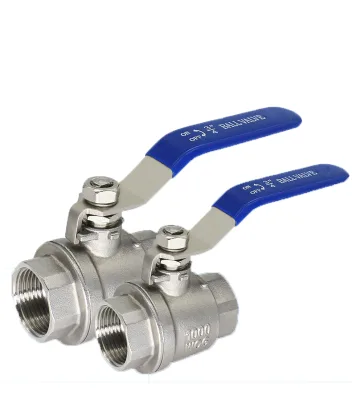
The product landscape for stainless steel flanged ball valves encompasses a diverse array of configurations tailored to different operational needs. Listings frequently highlight models such as Q41F-5, Q41F-16, and Q71F, which represent specific design iterations within the floating ball valve category. These valves are characterized by their straight-through flow channel and flanged connection forms, which facilitate easy installation and maintenance in piping systems. The size range typically spans from 1/2" to 4", with some suppliers offering extensions up to 10", allowing for flexibility in system design.
Market signals also reveal variations in nominal pressure classes and material compositions. Buyers may encounter valves rated for ANSI CLASS 150 structures or broader ranges extending from 150lb to 2500lb, depending on the specific model and manufacturer. The driving mode is predominantly manual, though electric options are available for automated systems. Additionally, the function of these valves can extend beyond standard isolation to include blow-down and atmospheric valve applications, indicating their versatility in handling various media types, including water, oil, and gas.
Technical Specifications to Verify
Verifying technical specifications is paramount to ensuring valve performance and compatibility with existing infrastructure. Buyers must confirm the exact material grade, such as stainless steel CF8/CF8M or A216/A105N, to guarantee resistance to corrosion and mechanical stress. The connection form must be strictly verified as flanged, with attention to flange standards such as ANSI, DIN, JIS, or BS, to prevent leakage and ensure secure assembly. The nominal pressure rating, whether specified as ANSI CLASS 150 or a broader range like 150lb to 600lb, must align with the system’s operating pressure to avoid catastrophic failure.
Temperature ratings and media compatibility are equally critical factors in the selection process. Most listed valves are designed for normal temperature applications, but buyers should verify if higher or lower temperature extremes are anticipated in the operational environment. The medium being handled, whether water, oil, gas, or other substances, dictates the necessary seal materials and internal coatings. Additionally, the type of piece, such as one-piece construction, affects maintenance requirements and potential points of failure, making it a key consideration for long-term reliability.
Compliance and Safety Documentation
Compliance with international standards is a non-negotiable aspect of sourcing industrial valves. Buyers should require documentation confirming adherence to standards such as CE, ISO 9001, API 6D, API 598, and SGS certifications. These certifications indicate that the manufacturer has implemented robust quality management systems and that the products meet specific safety and performance criteria. The presence of these standards ensures that the valves are suitable for use in regulated industries, including petrochemical, electric power, and metallurgy, where safety and reliability are paramount.
Safety documentation should also include detailed material test reports and pressure test results. Buyers must verify that the valves have undergone rigorous testing to confirm their integrity under specified pressure and temperature conditions. This includes hydrostatic and pneumatic tests, which are essential for identifying potential defects before installation. Additionally, buyers should ensure that the valves are labeled correctly with model numbers, pressure ratings, and material specifications, facilitating accurate identification and traceability throughout the supply chain.
Cost Drivers and Commercial Terms
Cost drivers for stainless steel flanged ball valves include material costs, manufacturing complexity, and certification requirements. The use of high-grade stainless steel and the precision engineering required for flanged connections contribute to higher base costs. Additionally, the availability of customization options, such as specific handle colors or specialized packaging, can influence pricing. Buyers should also consider the impact of minimum order quantities (MOQs), which can range from 1 to 100 units, on the overall unit price and total procurement cost.
Commercial terms, including delivery lead times and payment conditions, play a significant role in the total cost of ownership. Lead times can vary from 20 to 45 days, depending on the specific quantities and customization requirements. Buyers should negotiate clear delivery schedules and penalties for delays to mitigate supply chain disruptions. Packaging standards, such as inner cartons and outer plywood wooden cases, are also important to consider, as they affect shipping costs and the risk of damage during transit.
Supplier Qualification and Quality Control
Supplier qualification is a critical step in mitigating procurement risks. Buyers should prioritize suppliers located in established industrial hubs, such as Wenzhou, Zhejiang, China, where a concentration of valve manufacturers exists. However, location alone is not a guarantee of quality; buyers must verify the supplier’s production capabilities, quality control processes, and financial stability. Requesting factory audits or third-party inspections can provide valuable insights into the supplier’s ability to consistently produce high-quality valves.
Quality control measures should be integrated into the procurement process to ensure product conformity. Buyers should specify incoming inspection criteria, including visual checks, dimensional verification, and functional testing. Establishing a clear communication channel with the supplier for addressing non-conformities is essential. Additionally, buyers should consider implementing a supplier performance evaluation system to monitor quality trends and drive continuous improvement, ensuring that the valves meet the required specifications over time.
Long-Term Procurement Checks
Long-term procurement success depends on establishing robust relationships with suppliers and implementing continuous improvement strategies. Buyers should conduct regular performance reviews to assess supplier reliability, product quality, and responsiveness to issues. This includes monitoring delivery times, defect rates, and customer service levels. By maintaining open communication and providing constructive feedback, buyers can foster a collaborative environment that encourages suppliers to meet evolving requirements and industry standards.
Furthermore, buyers should stay informed about advancements in valve technology and industry regulations. This includes monitoring changes in material standards, pressure ratings, and environmental regulations that may impact valve selection and usage. Regularly updating procurement specifications and supplier qualification criteria ensures that the organization remains compliant and competitive. By proactively managing these aspects, buyers can secure a reliable supply of stainless steel flanged ball valves that support their operational goals and safety standards.
FAQs
What materials are used for stainless steel flanged ball valves?
These valves are constructed from stainless steel CF8, CF8M, A216, or A105N. This material selection ensures durability and resistance to corrosion for water, oil, and gas applications in various industrial settings.
Which connection forms are available for these ball valves?
The valves feature a flanged connection form designed for straight-through flow. This configuration supports nominal pressures ranging from ANSI Class 150 up to 2500lb depending on the specific model structure.
Can I customize the handle sleeve color for these valves?
Yes, customization is available for the handle sleeve color. Buyers can select from options including blue, yellow, red, green, or black to match specific operational or safety identification requirements.
What is the typical delivery time for these valves?
Delivery details typically range from 20 to 45 days based on specific quantities ordered. This lead time accounts for manufacturing and standard export packaging preparation in Wenzhou, Zhejiang, China.
Which certifications do these valves hold?
The products hold certifications such as CE, ISO9001, API 6D, and SGS. These standards verify compliance with international quality and safety requirements for industrial usage and water industrial applications.
What size range is available for these ball valves?
Available sizes range from 1/2 inch to 10 inches depending on the specific model. This range covers applications from household usage to heavy industrial sectors like metallurgy and electric power.
How are these valves packaged for export?
Packaging includes an inner carton or standard export package with an outside plywood wooden case. This robust method protects the valves during international shipping from the origin in Zhejiang, China.