Source Stainless Steel Hotel Coffee Spoon for Home Hotel Restaurant
Find 30 listings for Stainless Steel Hotel Coffee Spoon with varying MOQs, certifications like FDA and LFGB, and customization options. Compare specifications including model numbers, sizes, and packaging details from suppliers in China to find the right fit for your needs.
Key considerations
Products List


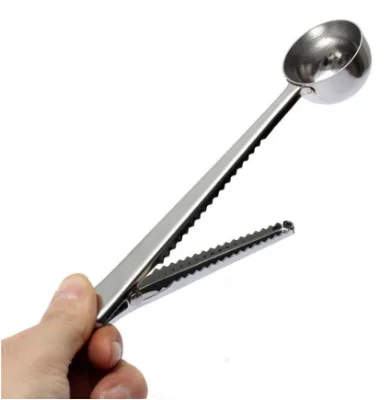


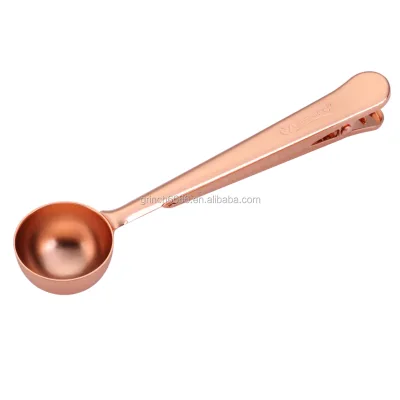
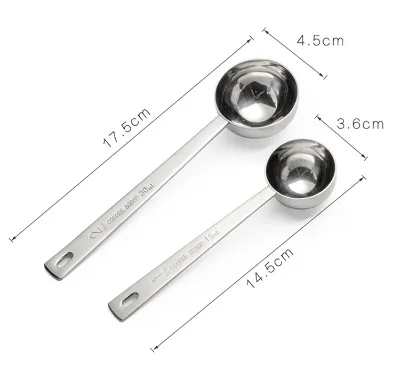




fashion Colorful Stainless Steel Long Handle Tea Coffee Scoop Ice Cream Spoon
$0.59 - $0.79
MOQ: 500 Pieces

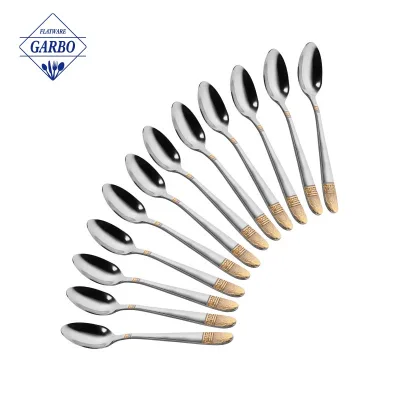
Espresso Spoons 12.5cm Mini Coffee Spoon Stainless Steel Small Spoons for Dessert
$0.39 - $0.59
MOQ: 500 Pieces




Comprehensive Sourcing Guide
Stainless Steel Hotel Coffee Spoon Sourcing Guide
Sourcing stainless steel coffee spoons for hospitality environments requires a careful balance between aesthetic durability, functional ergonomics, and strict hygiene compliance. The hospitality sector demands cutlery that can withstand high-frequency commercial washing cycles while maintaining a polished appearance that aligns with brand identity. Buyers must navigate a market where products range from basic utilitarian items to highly customized, antique-design pieces, each with distinct implications for procurement strategy. Understanding the specific material grades, surface finishes, and certification requirements is essential to ensuring that the selected spoons meet both operational longevity and guest experience standards.
This guide provides a structured approach to evaluating suppliers and products based on observed market signals and industry best practices. It focuses on verifying technical specifications, ensuring regulatory compliance, and managing commercial terms effectively. By adhering to these evidence-based procurement steps, buyers can mitigate risks associated with poor quality, non-compliant materials, or unreliable supply chains. The following sections detail the critical factors that influence the selection of stainless steel coffee spoons for hotels, restaurants, and home use, ensuring a robust and informed purchasing decision.
Product Scope and Observed Listing Signals
The current market for stainless steel coffee spoons exhibits a wide variance in product attributes, reflecting diverse end-use scenarios. Observed listings indicate that products are categorized by specific types such as coffee, dessert, and tea spoons, with models ranging from standard designs to unique, antique-style pieces. Material composition is consistently identified as stainless steel, often highlighted with a high mirror polish finish to enhance visual appeal. Some products are marketed with multi-color options or specific colorways like chocolate and grey, suggesting opportunities for branding or thematic integration in hotel settings. The presence of customization options, including OEM/ODM support, allows buyers to tailor designs to specific hotel aesthetics or corporate identities.
Commercial signals reveal significant flexibility in minimum order quantities (MOQs), ranging from as low as 100 pieces to as high as 10,000 pieces, with some listings specifying an MOQ of 3,000 pieces. This variability accommodates both small boutique hotels and large chain establishments. Pricing observations suggest a broad range, with unit costs potentially starting from very low figures up to several dollars, depending on complexity, material grade, and customization level. Packaging is typically standardized, with individual pieces packed in OPP bags and bulk quantities in cartons, facilitating efficient logistics. Additionally, some products are labeled as eco-friendly or non-disposable, aligning with sustainability initiatives common in modern hospitality procurement.
Technical Specifications to Verify
Verifying the physical and material specifications of stainless steel coffee spoons is critical for ensuring durability and performance. Buyers should confirm the specific grade of stainless steel used, as this directly impacts corrosion resistance and longevity in commercial dishwashing environments. The surface finish, often described as high mirror polish, should be inspected for uniformity and absence of micro-scratches that could harbor bacteria. Dimensions and weight are also key factors; for instance, some products have specific size specifications such as 173*37 mm or 17.5 x 3.7cm, which affect the spoon’s balance and usability. Weight variations, such as 37 grams, can indicate the thickness of the metal and overall sturdiness of the utensil.
Design elements, including handle length, bowl depth, and decorative features like antique finishes, must align with ergonomic standards and guest comfort. Buyers should request detailed technical drawings or samples to verify these dimensions and design nuances. Additionally, the presence of specific model numbers, such as JS-1255 or TS-001, helps in tracking product consistency across orders. It is also important to verify the capacity and volume if the spoons are part of a larger set or have specific functional requirements, although for standard coffee spoons, the focus remains on dimensional accuracy and material integrity. Ensuring these technical details are clearly defined in the purchase order prevents discrepancies in delivered goods.
Compliance and Safety Documentation
Compliance with food safety standards is non-negotiable for stainless steel cutlery used in hospitality. Buyers must verify that suppliers provide valid certifications such as FDA, LFGB, and SGS, which attest to the material’s safety for food contact. LFGB certification, in particular, is stringent and often required for products sold or used in European markets, ensuring that the stainless steel does not leach harmful substances. SGS certification further validates the product’s compliance with international quality and safety norms. These documents should be reviewed for validity and relevance to the specific product batch, ensuring that the certifications are not generic but apply to the exact items being procured.
In addition to certifications, buyers should inquire about the manufacturing standards followed by the supplier, such as ISO 9001, which indicates a robust quality management system. While ISO 9001 is a background standard, its presence suggests a commitment to consistent quality control processes. Buyers should also verify that the products are labeled correctly regarding their origin, such as Shenzhen, Guangdong, China, and that all safety warnings or usage instructions are provided in the required languages. Ensuring that all compliance documentation is up-to-date and accessible helps in passing audits and maintaining the hotel’s reputation for safety and quality.
Cost Drivers and Commercial Terms
Understanding the factors that influence the cost of stainless steel coffee spoons is essential for budgeting and negotiation. Key cost drivers include the grade of stainless steel, the complexity of the design, the surface finish quality, and the level of customization required. Products with antique designs or unique features may command higher prices due to increased manufacturing complexity. Additionally, the MOQ significantly impacts unit pricing; lower MOQs often result in higher per-unit costs, while larger orders can leverage economies of scale. Buyers should also consider the packaging requirements, as custom packaging or specialized carton designs may add to the overall cost.
Commercial terms such as payment methods, shipping arrangements, and warranty policies should be clearly defined in the contract. Shipping options like EMS, DHL, UPS, FedEx, and TNT offer various speeds and costs, which should be evaluated based on urgency and budget. A warranty period, such as 3 years, may be offered for certain products, providing additional assurance against defects. Buyers should negotiate terms that align with their cash flow and operational needs, ensuring that penalties for delays or quality issues are included. Clear communication of these terms helps in avoiding disputes and ensures a smooth procurement process.
Supplier Qualification and Quality Control
Selecting a reliable supplier involves thorough qualification and ongoing quality control measures. Buyers should assess the supplier’s production capabilities, including their factory size, equipment, and workforce expertise. Requesting samples before placing a bulk order is crucial to evaluate the product’s quality, finish, and compliance with specifications. Suppliers that support OEM/ODM services should be evaluated on their ability to meet specific design requirements and maintain consistency across batches. Additionally, verifying the supplier’s track record and references can provide insights into their reliability and customer service quality.
Implementing a robust quality control process is essential to maintain product standards. This includes pre-production inspections, during-production checks, and final random inspections before shipment. Buyers should define clear acceptance criteria for defects, such as scratches, dents, or finish inconsistencies, and communicate these to the supplier. Regular audits of the supplier’s quality management system can help identify and address potential issues proactively. Establishing a strong relationship with the supplier based on transparency and mutual respect facilitates better collaboration and problem-solving, ensuring that the procurement process runs smoothly and efficiently.
Long-Term Procurement Checks
Long-term procurement success depends on continuous monitoring and evaluation of supplier performance and product quality. Buyers should establish key performance indicators (KPIs) such as on-time delivery rate, defect rate, and responsiveness to issues. Regular reviews of these metrics help in identifying trends and addressing potential problems before they escalate. Maintaining open communication with the supplier allows for timely feedback and continuous improvement. Additionally, staying updated on industry trends and regulatory changes ensures that the procured products remain compliant and relevant to market demands.
It is also important to periodically reassess the supplier base to ensure competitiveness and reliability. Diversifying suppliers can mitigate risks associated with single-source dependencies. Buyers should also consider the environmental impact of their procurement choices, opting for eco-friendly products and sustainable packaging where possible. By integrating sustainability into their procurement strategy, hotels can enhance their brand image and contribute to global environmental goals. Continuous improvement and strategic planning are key to maintaining a high-quality, cost-effective, and sustainable supply chain for stainless steel hotel coffee spoons.
FAQs
What material and finish are used for these stainless steel hotel coffee spoons?
These coffee spoons are made of stainless steel with a high mirror polish finish. The mirror polishing gives the spoons a reflective, hotel-grade appearance and makes them easier to clean between uses. Some listings also offer antique designs or multicolor finishes for hospitality settings. Always confirm the exact steel grade and polish treatment with the supplier before ordering.
What sizes and models are available for hotel coffee spoons?
Listed specifications include models such as JS-1255, JS-AL019, TS-001, and YK-443RG, with sizes around 173 x 37 mm or 17.5 x 3.7 cm. Type options cover coffee spoon, dessert spoon, and tea spoon formats, with a typical weight of about 37 g. Check each model page for exact dimensions and confirm the size matches your tableware set.
Can stainless steel hotel coffee spoons be customized with a logo or design?
Yes, customization is available on many listings, and ODM and OEM support is commonly offered. Suppliers typically support logo engraving or stamping, packaging customization, and color or finish variations. Customized orders usually require a higher minimum order quantity than stock items. Confirm artwork requirements, sample availability, and the customization fee directly with the supplier.
What certifications should hotel coffee spoon suppliers hold?
Food-contact certifications commonly listed include FDA, LFGB, and SGS, and some listings reference ISO 9001 quality management. These certifications indicate the stainless steel is suitable for food and beverage contact in hotels and restaurants. Ask the supplier for valid, dated certificates covering the specific spoon model you intend to purchase before placing an order.
What is the typical minimum order quantity for these coffee spoons?
Minimum order quantities vary widely across listings, from as low as 100 pieces to 1000 or 3000 pieces per order. Small MOQs usually apply to stock designs in standard colors, while customized or multicolor versions require larger commitments. Stock items are generally packed one piece per OPP bag with carton packing for shipping.
How are stainless steel coffee spoons packed and shipped?
Common packing is one piece per OPP bag, with outer carton packing for bulk transport. Some suppliers list standard package cartons as the default. Shipping options frequently include EMS, DHL, UPS, FedEx, and TNT, so you can choose express service for samples or air freight for urgent orders. Confirm carton dimensions and gross weight for freight costing.
Where are these hotel coffee spoons produced and what warranty applies?
The products originate from China, with listed origins including Shenzhen and Guangdong province. Some listings state a three-year warranty covering manufacturing defects under normal hospitality use. Warranty terms, coverage scope, and claim procedures differ between suppliers, so review the warranty clause in your purchase contract and clarify whether it covers plating, polishing, and structural defects.
Which price range and quality checks apply before bulk ordering?
Listed unit prices in this category range from roughly 0.08 to 4.07 US dollars depending on finish, customization, and order volume. Before bulk ordering, request samples to verify mirror polish quality, weight of about 37 g, and edge finishing. Confirm the listed certifications such as FDA, LFGB, or SGS apply to the exact model, and compare several quotations.