Source Stainless Steel Olive Oil Tank with Heating Coil for farms, factories, and beverage plants
Compare 30 listings for Stainless Steel Olive Oil Tank with Heating Coil designed for food and beverage factories and farms. Options include vertical or horizontal tanks with SS304 or SS316L materials and customizable capacities.
Key considerations
Products List


Stainless Steel Edible Oil Olive Oil/Coconut Oil Storage Tank with Heating Coil
$6500.00 - $8000.00
MOQ: 1 Pieces


Stainless Steel 15kl Cooking Oil Storage Tank Palm Oil Tank with Heater
$9500.00 - $12000.00
MOQ: 1 Pieces


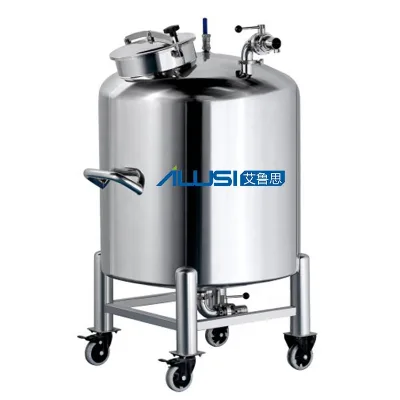
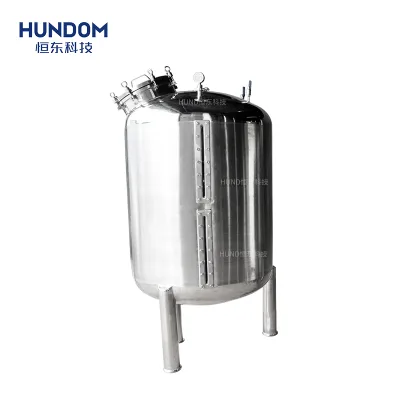


Customized Cost Effective 304 Stainless Steel Olive Oil Storage Water Tank
$120.00 - $210.00
MOQ: 1 CBM


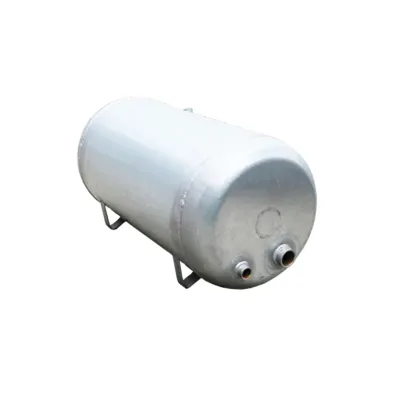


Comprehensive Sourcing Guide
Strategic Sourcing Guide for Stainless Steel Olive Oil Tanks with Heating Coils
Procuring industrial-grade stainless steel olive oil tanks equipped with heating coils requires a rigorous approach that balances technical precision with supply chain reliability. The global market for food-grade storage solutions is vast, yet the specific requirements for preserving the integrity of olive oil—particularly regarding temperature control and material purity—demand a highly selective vetting process. Buyers must navigate a landscape where product attributes vary significantly between listings, necessitating a strategy grounded in verified facts rather than marketing assertions. This guide outlines the essential parameters for sourcing these units, focusing on material integrity, operational specifications, and compliance verification to ensure a procurement outcome that meets strict food safety and operational efficiency standards.
Material Integrity and Construction Standards
The foundation of any reliable olive oil storage tank lies in its construction material. For applications involving edible oils, the industry standard dictates the use of high-grade stainless steel to prevent corrosion and contamination. Based on observed market data, the primary materials utilized in these units are SS304 and SS316L. SS304 is generally sufficient for many food processing environments, offering a robust balance of durability and cost. However, SS316L, which contains molybdenum, provides superior resistance to chlorides and harsh cleaning agents, making it the preferred choice for facilities requiring rigorous sanitation protocols or those operating in coastal environments.
Buyers must verify the specific alloy grade in the technical datasheet, as some listings may use generic terms like "Stainless Steel" without specifying the grade. The presence of SS316L is a critical differentiator for long-term asset value. Furthermore, the internal surface finish is paramount; it must be polished to a specific roughness average (Ra) to prevent oil residue accumulation and facilitate cleaning. While specific Ra values are not universally standardized in all listings, the material selection of SS304 or SS316L is a non-negotiable baseline for food-grade compliance. The tank's structural integrity is further supported by the use of specific welding techniques that ensure a seamless interior, eliminating crevices where oxidation or bacterial growth could occur.
Thermal Management and Operational Specifications
The inclusion of a heating coil is a defining feature for olive oil storage, as temperature stability is crucial for maintaining the oil's sensory profile and preventing solidification in cooler climates. The operational specifications for these tanks often include a voltage rating of 220V or 380V, depending on the regional power infrastructure and the power requirements of the integrated heating elements. Buyers must ensure that the electrical specifications of the tank match the facility's power supply to avoid the need for costly transformer upgrades.
The heating mechanism typically functions within a mild processing context, designed to maintain a consistent temperature rather than to actively cook or pasteurize the oil. The maximum working pressure for these storage vessels is often listed as 0 MPa, indicating they are designed for atmospheric or low-pressure storage rather than high-pressure containment. However, the presence of a heating coil introduces thermal expansion considerations. The tank design must accommodate the thermal dynamics of the heating elements without compromising the structural integrity of the vessel.
Key operational attributes to verify include the discharge mechanism, which is frequently a bottom ball valve outlet to ensure complete drainage and minimize residue. Additionally, the inlet placement, often located on the lid, should be designed to minimize splashing and aeration, which can degrade oil quality. The capacity of these units is highly customizable, ranging from small-scale units to large industrial tanks capable of holding up to 50,000 liters. The specific dimensions, such as a 160x100x100cm configuration for smaller models, must be validated against the available floor space in the processing facility.
Compliance, Certification, and Safety Verification
Navigating the certification landscape is essential for ensuring that the purchased equipment meets international food safety standards. While some listings may reference ISO9001, this is a general quality management standard and does not guarantee food-grade compliance. Buyers should prioritize tanks that explicitly carry certifications relevant to food machinery, such as CE marking, which indicates conformity with health, safety, and environmental protection standards for products sold within the European Economic Area.
The verification of certifications should not be limited to the product itself but must extend to the manufacturing process. The presence of a machinery test report provided by the supplier is a strong indicator of quality assurance. This report should detail the results of pressure tests, leak checks, and electrical safety inspections. Furthermore, the condition of the product must be confirmed as "New," as refurbished units may carry hidden risks regarding material fatigue or seal integrity.
For facilities exporting to specific regions, additional local certifications may be required. The supplier's ability to provide documentation for these certifications is a critical evaluation point. Buyers should also verify the origin of the product, with many high-quality units originating from manufacturing hubs in Guangdong, China. While the origin itself does not dictate quality, it helps in understanding the supply chain logistics and the regulatory environment under which the product was manufactured.
Cost Drivers and Procurement Economics
The cost of a stainless steel olive oil tank with a heating coil is influenced by several variable factors, primarily material grade, capacity, and the complexity of the customization. The observed price range in the market is extensive, spanning from approximately $16.18 to $200,000. This wide variance reflects the difference between small, simple storage vessels and large, fully automated systems with advanced heating and monitoring capabilities.
Material costs are a primary driver; SS316L is significantly more expensive than SS304 due to the inclusion of molybdenum. Capacity is another major factor, with larger tanks requiring more raw material and more complex engineering to maintain structural stability. Customization options, such as specific heating coil configurations, custom dimensions, or specialized packing requirements like steel pallets or saddle mounts, will also increase the final price.
Buyers should be wary of prices that seem unusually low, as they may indicate the use of inferior materials or a lack of essential safety features. Conversely, extremely high prices do not automatically guarantee superior quality without verification of the specific technical specifications. The Minimum Order Quantity (MOQ) can also impact the economic feasibility of the purchase, with ranges observed from 1 unit to 500 units. For smaller operations, suppliers offering an MOQ of 1 are essential, while large-scale producers may benefit from bulk ordering to reduce per-unit costs.
Supplier Evaluation and After-Sales Support
Selecting the right supplier is as critical as selecting the right product. The supplier's ability to provide after-sales service is a key differentiator in the B2B market. Reliable suppliers offer comprehensive support packages that include video technical support, online assistance, and the availability of spare parts. For international buyers, the provision of engineers available to service machinery overseas is a significant advantage, ensuring that any operational issues can be resolved promptly without prolonged downtime.
The warranty period is another critical metric, with a standard one-year warranty being common for these types of industrial assets. Buyers should scrutinize the terms of the warranty to understand what is covered, particularly regarding the heating coils and electrical components, which are prone to wear and tear. The supplier's location, such as having a local service presence in regions like Thailand, can further enhance the support experience by reducing response times for maintenance and repairs.
When evaluating potential suppliers, buyers should request detailed machinery test reports and verify the authenticity of any certifications provided. The supplier's reputation for delivering "New" condition products and adhering to the specified material grades (SS304/SS316L) should be confirmed through references or past performance data. The ability to provide customized packaging, such as wood packages or containers, is also a sign of a supplier that understands the logistics of international shipping and the need to protect the equipment during transit.
Long-Term Procurement and Operational Considerations
The longevity of a stainless steel olive oil tank depends heavily on the initial quality of construction and the ongoing maintenance regimen. The "Long Service Life" is often cited as a key selling point, but this is contingent upon the correct operation of the heating coils and the regular cleaning of the tank interior. Buyers should plan for the replacement of consumable parts, such as seals and gaskets, which may degrade over time due to thermal cycling.
The storage objects for these tanks are strictly defined as liquids, specifically olive oil, and the design should prevent contamination from external sources. Features such as dust-proof air holes and fluid level indicators are essential for maintaining product quality and operational efficiency. The option to customize the tank for mixing applications adds versatility, allowing the unit to serve multiple functions within the production line.
For facilities with specific storage needs, the ability to customize the tank's dimensions and capacity is vital. The standard dimensions and capacities observed in the market provide a baseline, but the true value lies in the supplier's flexibility to adapt the design to the buyer's unique requirements. The packaging details, such as the inclusion of a plywood case for a single set, ensure that the tank arrives in pristine condition, ready for immediate installation.
In conclusion, sourcing a stainless steel olive oil tank with a heating coil requires a meticulous approach that prioritizes material quality, technical compliance, and supplier reliability. By focusing on verified attributes such as SS304/SS316L construction, CE certification, and robust after-sales support, buyers can secure equipment that ensures the highest standards of food safety and operational efficiency. The wide range of available options allows for tailored solutions that meet the specific needs of diverse food and beverage operations, from small farms to large industrial factories.
FAQs
What materials are used for stainless steel olive oil tanks?
These tanks are typically constructed from SS304 or SS316L stainless steel. SS316L offers superior corrosion resistance for harsh cleaning environments, while SS304 provides a durable balance for standard food processing applications.
Can the tank capacity be customized for specific needs?
Yes, the capacity is fully customizable to suit various storage requirements. Standard specifications range from 200 to 50,000 liters, allowing buyers to select a unit that fits their exact production volume and facility constraints.
Which certifications should I look for in a reliable tank?
Buyers should prioritize tanks with CE certification to ensure compliance with safety standards. While ISO9001 is mentioned, CE is the critical mark for health and environmental protection in the European market.
How is the heating coil voltage configured for operation?
The heating systems operate on either 220V or 380V depending on the specific model and regional power infrastructure. Buyers must verify the voltage rating matches their facility supply to avoid costly transformer upgrades.
What after-sales support is provided for these tanks?
Suppliers offer comprehensive support including video technical assistance, online help, and spare parts availability. For international clients, engineers are available to service machinery overseas, ensuring minimal downtime during operation.
Can the tank be customized for mixing applications?
Yes, the unit can be customized to function as a mixing tank in addition to storage. This versatility allows the equipment to serve multiple roles within the production line while maintaining food-grade safety standards.