Source Stainless Steel Oil Level Gauge for Transformers, Tanks, and Pipes
Find 30 listings for the Stainless Steel Oil Level Gauge suitable for industrial and life applications. Buyers can compare specifications including magnetic sensor principles, borosilicate glass options, and customizable connection methods from verified Chinese manufacturers.
Key considerations
Products List


Custom Oil Tank Gauge Aluminum Alloy Level Gauge Caliper for Industrial
$4.50 - $99.00
MOQ: 500 Pieces


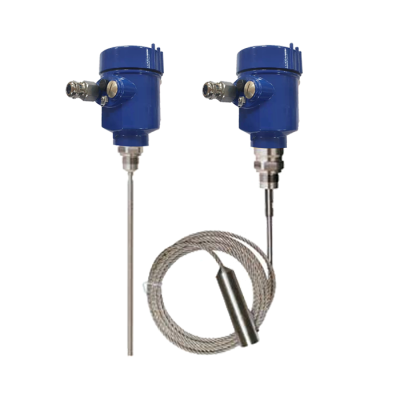
Comprehensive Sourcing Guide
Strategic Sourcing Guide for Stainless Steel Oil Level Gauges
The global industrial landscape relies heavily on precise fluid monitoring to ensure operational safety and efficiency. When sourcing a Stainless Steel Oil Level Gauge, buyers must navigate a complex matrix of material properties, pressure ratings, and certification requirements. The core keyword "Stainless Steel Oil Level Gauge" implies a need for durability and corrosion resistance, yet the actual market offerings often present a variety of construction materials and configurations. A disciplined approach requires distinguishing between generic product listings and specific technical capabilities that align with the buyer's operational environment. This guide provides a structured framework for evaluating potential suppliers and products based on verified attributes and industry standards, ensuring that procurement decisions are grounded in factual evidence rather than marketing assertions.
Technical Specifications and Material Compatibility
The fundamental requirement for any oil level gauge is the ability to withstand the specific chemical and physical properties of the medium being measured. While the search term specifies stainless steel, the observed product data indicates a diverse range of materials available in the market, including aluminum, iron, carbon steel, and various glass types such as borosilicate, quartz, PVC, and PTFE. This discrepancy highlights the necessity for buyers to verify the exact body material of the specific unit being purchased. For applications involving high temperatures or corrosive media, the choice of material is critical. Some listed products specify an operating temperature range of less than 250°C, while others indicate a process temperature range of -20°C to 80°C. Buyers must confirm that the selected gauge's material composition matches the thermal and chemical demands of their specific application.
Furthermore, the structural integrity of the gauge is defined by its pressure ratings. The observed data includes a nominal pressure of 25MPa and a strength test value of 3.8MPa, alongside a medium pressure rating of 0.4MPa. These figures suggest a wide variance in product capabilities, ranging from low-pressure indicators to high-pressure transmitters. The connection method is another pivotal specification; while some units feature a standard screwed connection, others offer customizable thread options. The nominal diameter is also a key variable, with observed standards including DN25mm and DN20mm. When evaluating technical specifications, procurement teams should prioritize units that explicitly state their compatibility with the intended medium, such as oil, water, steam, or non-corrosive media, and ensure the pressure rating exceeds the maximum operating pressure of the system with an appropriate safety margin.
Compliance, Certification, and Standard Verification
In the B2B procurement of industrial instrumentation, compliance is not merely a formality but a prerequisite for operational safety and regulatory adherence. The market data reveals that products may carry certifications such as CE and ISO, which are essential for international trade and safety assurance. However, the presence of these certifications on a listing does not guarantee that every unit in a batch meets the standard. Buyers must verify that the specific supplier can provide valid, up-to-date certification documents for the exact model being ordered. Some listings reference a standard of "Customized," while others adhere to ISO standards or specific dimensional standards like DN: 20, 25.
It is crucial to distinguish between product standards and material standards. While some products are described as having a "Customized" standard, others may be manufactured to specific dimensional or pressure standards. The absence of a specific standard number in a listing should trigger a request for clarification from the supplier. Additionally, the origin of the product, often listed as China, requires verification of the manufacturing facility's quality management systems. Buyers should not assume that a product labeled with a generic standard meets the specific regulatory requirements of their local jurisdiction. The verification process must include a review of the certificate of conformity, ensuring that the certification scope covers the specific type of gauge and the materials used in its construction.
Cost Drivers and Pricing Structure Analysis
Understanding the cost drivers for oil level gauges is essential for budgeting and negotiation. The observed price range in the market spans from $0.11 to $3000, a variance that reflects differences in material quality, complexity, and customization levels. The lowest price points typically correspond to basic models with standard materials and minimal features, while the higher end of the spectrum likely includes specialized transmitters, high-pressure variants, or units with advanced customization options. The Minimum Order Quantity (MOQ) also influences the unit cost, with observed ranges from 1 to 1000 units. Buyers purchasing in smaller quantities may face higher per-unit costs unless they negotiate with suppliers who offer flexible MOQs.
Customization is a significant factor in pricing. The data indicates that customization is available and that "Custom-Made" options are offered. This includes customizable connection threads, selectable temperature indicators, and specific material choices. Each layer of customization adds to the manufacturing complexity and, consequently, the cost. Additionally, the packaging method, whether wooden case, carton, or encasement, can impact shipping costs and the final landed price. Buyers should request a detailed breakdown of costs, separating the base unit price from customization fees, packaging, and shipping. It is also important to consider the total cost of ownership, which includes maintenance, potential replacement costs, and the risk of failure due to non-compliant materials.
Typical Applications and Operational Context
The application context dictates the specific requirements of the oil level gauge. The observed data lists a wide range of applications, including industrial settings, life applications, and specific uses in transformers. The medium for which these gauges are designed includes oil, water, steam, and other non-corrosive media. For transformer applications, the gauge must be robust enough to handle the specific environmental conditions and potential hazards associated with electrical equipment. In industrial settings, the gauge may need to withstand higher pressures and temperatures, as indicated by the 25MPa nominal pressure and 250°C operating temperature limits found in some listings.
The principle of operation is another critical factor. Some products utilize magnetic sensors, which are ideal for non-contact measurement and reduce the risk of leakage. Others may rely on direct visual indicators, such as a display for oil level and temperature gauges. The choice between these technologies depends on the specific operational needs, such as the need for remote monitoring or the requirement for a direct visual readout. Buyers should assess whether the gauge's principle of operation aligns with their existing control systems and safety protocols. For instance, in environments where electrical interference is a concern, magnetic sensors might be preferred over other types of transmitters.
Supplier Evaluation and Quality Assurance
Evaluating suppliers requires a rigorous assessment of their capabilities and reliability. The data shows that suppliers offer various customization options, including custom-made products and customizable connection methods. This flexibility is a positive indicator of a supplier's ability to meet specific buyer needs. However, buyers must verify the supplier's track record in delivering products that meet the stated specifications. The warranty period, observed as one year in some listings, is a key metric for assessing supplier confidence in their product quality. A longer warranty period may indicate higher quality standards and better after-sales support.
Quality control is paramount in the procurement of industrial gauges. Buyers should inquire about the supplier's quality assurance processes, including testing procedures for pressure, temperature, and material integrity. The observed strength test of 3.8MPa and nominal pressure of 25MPa suggest that some suppliers conduct rigorous testing, but buyers must confirm that these tests are performed on every batch or unit. Additionally, the surface treatment, such as painting, can affect the longevity and appearance of the gauge. Buyers should request samples or third-party inspection reports to verify the quality of the surface treatment and the overall build quality. The presence of a "Customized" standard or specific material grades like iron, steel, or carbon steel should be verified against the buyer's technical requirements.
Long-Term Procurement and Maintenance Considerations
Long-term procurement strategies should focus on the sustainability and maintainability of the oil level gauges. The warranty period, typically one year, provides a baseline for expected product life, but buyers should consider the long-term reliability of the materials and components. The use of durable materials like stainless steel, aluminum, or specific glass types can extend the service life of the gauge and reduce the frequency of replacements. The availability of spare parts and the ease of maintenance are also critical factors. Suppliers that offer customizable options may provide better long-term support by allowing for future modifications or upgrades.
Furthermore, the procurement process should include a plan for regular inspection and maintenance. The operating temperature range and pressure ratings should be monitored to ensure the gauge remains within safe operating limits. Buyers should establish a schedule for checking the calibration and integrity of the gauges, especially in critical applications. The ability to customize the gauge for specific needs can also enhance long-term value by allowing for adjustments as operational requirements change. By focusing on these long-term considerations, buyers can ensure that their investment in oil level gauges delivers consistent performance and safety over the lifespan of the equipment.
FAQs
What materials are used for stainless steel oil level gauges?
While the core keyword implies stainless steel, observed listings show bodies made of aluminum, iron, carbon steel, and various glass types like borosilicate or quartz. Buyers must verify the specific body material matches their application needs for corrosion resistance and thermal stability.
Can these gauges operate in high-pressure environments?
Yes, some models support a nominal pressure of 25MPa with a strength test of 3.8MPa, while others are rated for 0.4MPa. It is critical to select a unit where the pressure rating exceeds the system's maximum operating pressure with a safety margin.
Which certifications are available for industrial oil level gauges?
Products may carry CE and ISO certifications, which are essential for international trade and safety assurance. Buyers must verify that the specific supplier provides valid, up-to-date certification documents covering the exact model and materials being ordered.
How does customization affect the price of oil level gauges?
Customization is available and includes options for connection threads, temperature indicators, and specific materials, which increases manufacturing complexity and cost. The price range spans from $0.11 to $3000, reflecting these variable customization levels and material choices.
What is the typical warranty period for these instruments?
The observed warranty period is typically one year, indicating the supplier's confidence in product quality. A longer warranty may suggest better after-sales support, but buyers should confirm the specific terms for the unit they intend to purchase.
Which applications are suitable for these oil level gauges?
These gauges are designed for industrial settings, life applications, and specific uses in transformers with media like oil, water, steam, and non-corrosive fluids. The operating temperature range varies, with some units rated below 250°C and others between -20°C and 80°C.