Source Stainless Steel Sewage Suction Truck for Sewer, Cesspit, Gully
Browse 30 listings for the Stainless Steel Sewage Suction Truck and compare tank volume, vacuum pump type, suction height, emission standard, and driveline options. Filter by customization availability and packing method, then contact suppliers to request quotes for municipal and sanitation fleet projects.
Key considerations
Products List


Suction Sewerage Septic Tank Vacuum Suction Sewer Cleaning Vacuum Sewage Truck
$15800.00 - $26900.00
MOQ: 1 Pieces

Supply High Quality Sewage Suction Type Sewer Cleaning Truck Factory Price
$17500.00 - $25000.00
MOQ: 1 Pieces

Sewage Suction Truck Suction-Type Sewer Scavenger Vacuum Cleaning Truck
$15000.00 - $17000.00
MOQ: 1 pieces


Sewage Suction Truck for Sucking Liquid Mud Sludge Stone Suction Truck
$32000.00 - $45000.00
MOQ: 1 Pieces

$17500.00 - $26800.00
MOQ: 1 Pieces
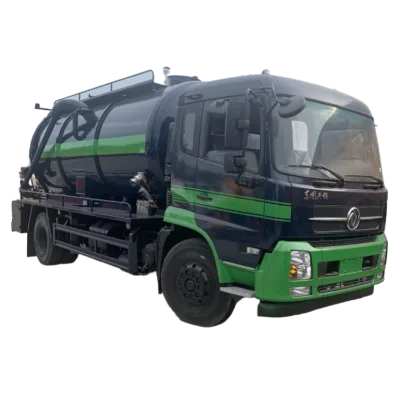


Heavy Duty Vacuum Sewage Suction Truck for Municipal Sewer Cleaning
$34000.00 - $36000.00
MOQ: 1 Pieces


Vacuum Sewage Truck for Pipeline Blockage Removal & Septic Pumping Sewage Suction Truck
$18900.00 - $27000.00
MOQ: 1 Pieces


12cbm Vacuum Sewage Suction Truck Price; Chinese Sewage Suction Truck Factory
$9999.00 - $19999.00
MOQ: 1 Pieces

Factory Sells 18 Cubic Vacuum Sewage Suction Truck with Strong Suction Power
$16800.00 - $39500.00
MOQ: 1 Pieces

The Sewage Suction Truck Factory Sells 18cbm Vacuum Sewage Suction Trucks with 6X4 Drive
$30000.00 - $40000.00
MOQ: 1 Pieces

High-Performance Vacuum Suction Truck for Efficient Sewage Management
$20000.00 - $30000.00
MOQ: 1 Pieces

High Pressure 8cbm Sewage Cleaner Vacuum Sewage Suction Truck for Sale
$36700.00 - $37500.00
MOQ: 1 Pieces

Comprehensive Sourcing Guide
Stainless Steel Sewage Suction Truck Sourcing Guide
Buyers must first distinguish between the core stainless steel variants and the carbon steel alternatives often listed under the same product category. The supplied data indicates that tank materials are frequently offered as Q235B carbon steel with stainless steel as an optional upgrade, meaning the base price often reflects the cheaper material. Procurement teams should explicitly request material certificates to confirm the presence of stainless steel in the tank construction, as this distinction directly impacts corrosion resistance and long-term maintenance costs for handling aggressive fecal or chemical waste.
The observed market signals reveal a wide variance in tank volumes, ranging from compact 6,000-liter units to massive 160,000-liter configurations, which dictates the vehicle's suitability for specific municipal or industrial tasks. A 20-ton payload capacity is a common specification for larger units, while smaller models may feature different gross weights and wheelbases. Buyers should align their selection with the specific suction height requirements, noting that a 10-meter suction capability is a standard benchmark for deep cesspit operations, ensuring the chosen truck can access the necessary depth without additional equipment.
Product Scope and Observed Listing Signals
The product scope encompasses a diverse range of vacuum pump technologies, including liquid water ring, Roots, and rotary vane types, each offering distinct performance characteristics for different viscosity levels of sewage. The listing data highlights specific pump brands such as Moro, Jurop, and Mec, which serve as indicators of the hydraulic system's reliability and availability of spare parts. Procurement professionals should verify which pump type is standard for the specific model, as the choice between a water ring pump and a rotary vane pump significantly influences the vacuum efficiency and the truck's ability to handle solid waste versus liquid sludge.
Listing signals also indicate that customization is a primary feature, with options for personal configurations and varied tank shapes like rectangular or square designs. The observed emission standards, specifically Euro compliance, and fuel types, predominantly diesel, suggest that these vehicles are engineered for heavy-duty commercial use in regulated environments. Buyers must scrutinize the drive wheel configurations, which appear as 4x2 or 4x4 setups, to ensure the vehicle matches the terrain conditions of the intended service area, whether it be urban streets or rough industrial sites.
Technical Specifications to Verify
Verification of the transmission system is critical, as the market data shows a split between manual 5-speed transmissions with overdrive and fully automatic options. The choice between these systems affects driver fatigue and operational efficiency, particularly in stop-and-go municipal waste collection scenarios. Buyers should confirm the specific transmission type for the quoted unit, as an automatic transmission may offer smoother control for precise suction operations, while a manual system might provide better torque control for heavy loads on steep gradients.
The structural integrity of the vehicle relies heavily on the wheelbase and tire specifications, which are listed as 6.50r16 tires with wheelbases ranging from 2,850 to 3,300 millimeters. These dimensions determine the vehicle's turning radius and stability when the tank is fully loaded with heavy sewage. Procurement teams must ensure that the selected wheelbase aligns with the operational constraints of the service route, as a longer wheelbase may offer better stability but reduced maneuverability in tight urban environments, while the tire specification must support the gross weight of the vehicle and its cargo.
Compliance and Safety Documentation
Compliance documentation must address the multiple certification standards observed in the listings, including ISOCCC, TSEPA, EEC, RoHS, and CE marks. These certifications indicate that the manufacturer adheres to specific international safety and environmental protocols, which is essential for importing vehicles into regulated markets. Buyers should request valid, up-to-date copies of these certificates to verify that the specific unit being purchased meets the regulatory requirements of the destination country, as a lack of proper documentation can lead to customs delays or legal penalties upon arrival.
Safety features are further evidenced by the discharging mechanisms, which are described as hydraulic lifting rear-open systems designed for controlled waste release. The presence of inhalable substance warnings in the product attributes suggests that the vehicle design must account for hazardous fumes generated during the suction and discharge process. Procurement teams should verify that the vehicle includes appropriate ventilation and sealing systems to protect operators from exposure to harmful gases, ensuring that the safety protocols align with local occupational health and safety regulations.
Cost Drivers and Commercial Terms
The cost of these vehicles is heavily influenced by the material choice, with stainless steel tanks commanding a premium over standard carbon steel options. The observed price range of 100 to 71,000 USD reflects the vast difference between basic models and fully customized, high-capacity units with advanced pump systems. Buyers should analyze the total cost of ownership, considering that the initial price difference for stainless steel may be offset by reduced maintenance costs and a longer service life in corrosive environments, making it a strategic investment for long-term operations.
Commercial terms regarding packaging and shipping are equally variable, with options ranging from naked packing to waxed, bulk ship, or RO-RO arrangements. The listed origin points, primarily Suizhou and Hubei in China, indicate a concentrated manufacturing hub that can affect lead times and logistics costs. Procurement teams must clarify the Incoterms and packaging requirements to prevent damage during transit, as the heavy nature of the vacuum pumps and tanks requires specialized handling to ensure the vehicle arrives in operational condition without structural compromise.
Supplier Qualification and Quality Control
Supplier qualification should focus on the manufacturer's ability to provide consistent customization and adherence to the stated production standards. The data indicates that many suppliers offer personalized customization, which requires a robust quality control process to ensure that the specific modifications do not compromise the vehicle's structural integrity or performance. Buyers should request evidence of the manufacturer's production capacity and past performance on similar customized orders to verify their ability to deliver complex specifications reliably.
Quality control measures must extend to the verification of the vacuum pump and hydraulic systems, which are critical for the truck's primary function. The listing mentions specific pump types and brands, but buyers should insist on factory acceptance tests to confirm that the installed pumps meet the advertised suction height and flow rate specifications. Additionally, the condition of the vehicle is listed as "New," but this should be verified through a detailed inspection report that confirms the absence of prior use or assembly defects before the final payment is released.
Long-Term Procurement Checks
Long-term procurement strategies should prioritize the availability of spare parts and the manufacturer's support infrastructure for the specific vacuum pump models selected. Since the listings mention brands like Moro, Jurop, and Mec, buyers must ensure that these components are readily available in the destination market to minimize downtime during repairs. Establishing a supply chain for critical parts like seals, valves, and pump impellers is essential for maintaining the operational readiness of the sewage suction truck over its entire service life.
Regular maintenance checks should be scheduled based on the specific application intensity, whether for sewer cleaning, fecal removal, or gully maintenance. The observed tank volumes and payload capacities suggest that these vehicles will undergo significant stress, necessitating a rigorous inspection schedule for the hydraulic lifting mechanisms and the tank integrity. Buyers should develop a maintenance protocol that includes regular checks of the emission systems and fuel efficiency to ensure the vehicle continues to meet environmental standards and operates cost-effectively throughout its lifespan.
FAQs
What tank volume options are available for stainless steel sewage suction trucks?
Stainless steel sewage suction trucks offer tank volumes ranging from 6000 liters up to 160000 liters depending on the specific model configuration. Buyers can select customized capacities to match their operational needs, with options including Q235B or stainless steel materials for the tank construction.
Which vacuum pump types are compatible with these sewage suction trucks?
These trucks are equipped with various vacuum pump types including liquid water ring, Roots, and rotary vane pumps. Major brands like Moro, Jurop, and Mec are often utilized to ensure efficient suction performance for handling sewer, fecal, and cesspit waste materials effectively.
Can buyers request customization for the sewage suction truck specifications?
Yes, personal customization is available for these trucks to meet specific operational requirements. Buyers can tailor aspects such as tank volume, material selection, and emission standards, ensuring the vehicle fits precise logistical needs while maintaining compliance with international safety and environmental regulations.
What certifications do these stainless steel sewage suction trucks hold?
These vehicles typically hold multiple certifications including ISOCCC, TSEPA, EEC, RoHS, and CE. Such credentials verify that the trucks meet rigorous international standards for safety, environmental protection, and quality, making them suitable for export and use in various global markets.
How is the sewage suction truck powered and what is its transmission type?
The trucks are powered by diesel engines with horsepower ranging from 150 to 250 hp. Transmission options include both manual and automatic types, with some models featuring a 5-speed transmission with overdrive to ensure efficient power delivery and smooth operation during waste collection tasks.
What is the maximum suction height for these sewage suction trucks?
The maximum suction height for these trucks is typically up to 10 meters. This capability allows the vehicle to effectively draw waste from deep cesspits or gullies, ensuring comprehensive cleaning operations are performed efficiently without requiring additional equipment or manual intervention.
Which emission standards do these diesel sewage suction trucks comply with?
These diesel-powered trucks comply with Euro emission standards to ensure environmental safety. The vehicles are designed to minimize harmful exhaust emissions while maintaining high performance, making them suitable for operation in regions with strict environmental regulations and urban waste management requirements.