Source Stainless Steel Smart Temperature Ring for Health, Tech, and Gifts
Find and compare 30 listings for the Stainless Steel Smart Temperature Ring, featuring options with AMOLED displays, Bluetooth connectivity, and health monitoring capabilities. Evaluate specifications such as waterproof levels, battery life, and customization options to select the ideal device for personal wellness, tech accessories, or promotional gifts.
Key considerations
Products List

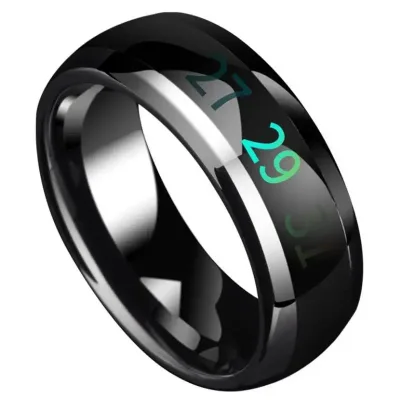


Wireless Bluetooth Smart Ring Sleep Heart Rate Blood Oxygen Ring Smart Lock
$1.00 - $35.00
MOQ: 100 Pieces


Reliable Mointoring Calories Burned Intelligent Chip Smart Finger Ring
$12.95 - $13.80
MOQ: 1000 Pieces


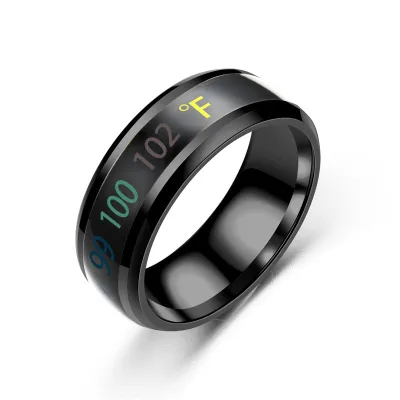


Waterproof IP68 Lightweight Finger Ring Sleep Guard Blood Oxygen Smart Ring
$3.00 - $15.00
MOQ: 1 Pieces


Stainless Steel Shell Chip Connected Heart Rate Monitoring Sports Smart Ring, Unisex Health
$17.00 - $19.00
MOQ: 100 Pieces

Comprehensive Sourcing Guide
Stainless Steel Smart Temperature Ring Sourcing Guide
Sourcing a Stainless Steel Smart Temperature Ring requires a nuanced understanding of the intersection between wearable technology and jewelry manufacturing. Buyers must navigate the dual challenges of ensuring precise thermal sensing capabilities while maintaining the aesthetic and structural integrity expected of high-end accessories. The market offers a variety of options, ranging from basic fashion rings to advanced health-monitoring devices, but the specific combination of stainless steel construction and smart temperature functionality demands careful verification of material properties and electronic integration. This guide provides a structured approach to evaluating suppliers, verifying technical claims, and managing commercial risks associated with this specialized product category.
The procurement process begins with a clear definition of the product’s primary function and target audience. Whether intended for health monitoring, fashion statements, or communication aids, the ring’s design must align with user comfort and device reliability. Stainless steel is a preferred material due to its durability, hypoallergenic properties, and premium finish, but it presents engineering challenges for embedding sensors and batteries. Buyers should prioritize suppliers who demonstrate expertise in both metal fabrication and miniaturized electronics, ensuring that the final product meets both aesthetic standards and functional performance requirements.
Product Scope and Observed Listing Signals
The current market landscape for smart rings includes a diverse array of products, with listings often highlighting features such as Bluetooth connectivity, health monitoring, and fashion-oriented designs. Observed product attributes indicate a strong emphasis on customization, with options for laser or engraved logos and various color finishes including black, silver, and gold. The material composition frequently involves stainless steel, silicone, or ceramic housings, each offering distinct advantages in terms of durability and comfort. Buyers should note that while many listings claim "smart" capabilities, the specific functionality, such as temperature sensing, varies significantly and requires explicit verification from the supplier.
Listing signals also reveal a wide range of packaging and branding options, with suppliers offering OEM services, gift boxes, and standard OPP bags. The observed price range and minimum order quantities (MOQ) suggest a flexible market catering to both small-scale boutique orders and larger commercial batches. However, buyers must be cautious of generic listings that may not accurately reflect the specific technical capabilities of the product. It is essential to distinguish between basic fashion rings and those with genuine smart features, such as AMOLED displays or advanced health analysis tools, by requesting detailed product specifications and sample evaluations before committing to a purchase.
Technical Specifications to Verify
Verifying the technical specifications of a Stainless Steel Smart Temperature Ring is critical to ensuring that the product meets the intended use case. Key parameters to confirm include the chipset model, battery life, charging time, and waterproof rating. For instance, some observed products utilize specific chipsets like the Ab2026b3 and offer battery life ranging from 5 to 6 days of use with extended standby times. Buyers should also verify the compatibility with mobile operating systems, such as Android and iOS, and the availability of dedicated apps for data synchronization and analysis. These technical details directly impact the user experience and the reliability of the temperature monitoring functionality.
Material and construction details are equally important, particularly regarding the housing material and surface finish. Stainless steel rings often undergo processes like electroplating and high polishing to achieve a premium look, but these processes must not compromise the integrity of the embedded sensors. Buyers should inquire about the specific type of stainless steel used, such as 316L, which is known for its corrosion resistance and biocompatibility. Additionally, the presence of lead-free and nickel-free certifications is crucial for ensuring the product is safe for prolonged skin contact, especially for users with sensitive skin or allergies.
Compliance and Safety Documentation
Compliance with international safety and environmental standards is a non-negotiable aspect of sourcing smart rings. Buyers must request documentation that verifies the product’s adherence to regulations regarding electronic waste, hazardous substances, and radio frequency emissions. While specific certification statuses may vary by supplier, buyers should insist on proof of compliance with relevant standards, such as RoHS for restricted hazardous substances and FCC or CE for electronic emissions. These documents not only ensure legal market access but also protect the buyer from potential liabilities associated with non-compliant products.
Safety testing for skin contact is another critical area of verification. Given that the ring is worn directly on the finger, it must be free from irritants and allergens. Buyers should request test results confirming that the product is lead-free and nickel-free, as observed in some listings. Additionally, waterproof ratings, such as 5ATM, should be verified through independent testing to ensure the device can withstand daily wear and exposure to water without compromising its electronic components. These safety assurances are essential for maintaining brand reputation and customer trust.
Cost Drivers and Commercial Terms
Understanding the cost drivers for stainless steel smart temperature rings involves analyzing the complexity of the electronic components, the quality of the materials, and the level of customization required. The inclusion of features like AMOLED displays, Bluetooth connectivity, and advanced health monitoring algorithms significantly impacts the unit cost. Buyers should also consider the costs associated with packaging, branding, and logistics, which can vary based on the order volume and shipping method. Transparent pricing structures that break down these components help buyers make informed decisions and avoid hidden costs.
Commercial terms, including minimum order quantities (MOQ), payment terms, and lead times, play a crucial role in the procurement strategy. Observed MOQs range from small quantities for sampling to larger batches for mass production, allowing buyers to scale their orders based on demand. Suppliers often offer free samples and fast delivery for initial evaluations, which can be valuable for quality assessment. Buyers should negotiate clear terms regarding warranty, returns, and after-sales support to mitigate risks associated with defective products or supply chain disruptions.
Supplier Qualification and Quality Control
Supplier qualification is a vital step in ensuring the reliability and consistency of the Stainless Steel Smart Temperature Ring supply. Buyers should assess the supplier’s manufacturing capabilities, quality control processes, and track record in producing similar products. Factories with experience in both jewelry manufacturing and electronics assembly are better equipped to handle the complexities of integrating sensors into metal rings. Buyers should request information about the supplier’s production lines, testing procedures, and quality assurance protocols to verify their ability to maintain high standards.
Quality control measures should be implemented throughout the production process, from raw material inspection to final product testing. Buyers should establish clear acceptance criteria for key attributes such as temperature accuracy, battery performance, and aesthetic finish. Regular audits and third-party inspections can help identify potential issues early and ensure that the products meet the specified requirements. Additionally, suppliers should provide detailed documentation of their quality control processes, including test reports and inspection records, to build trust and transparency.
Long-Term Procurement Checks
Long-term procurement success depends on establishing a sustainable relationship with suppliers who can support ongoing product development and market changes. Buyers should monitor supplier performance metrics, such as on-time delivery, product quality, and responsiveness to issues, to ensure consistent service levels. Regular communication and feedback loops can help identify areas for improvement and foster collaboration on new product innovations. Suppliers who demonstrate a commitment to continuous improvement and customer satisfaction are more likely to be valuable long-term partners.
As technology evolves, buyers must stay informed about emerging trends and advancements in smart ring technology. This includes updates in sensor accuracy, battery efficiency, and software capabilities. Buyers should work with suppliers who are proactive in adopting new technologies and improving their products to meet changing market demands. Additionally, staying compliant with evolving regulatory requirements and industry standards is essential for maintaining market access and protecting the brand’s reputation. By prioritizing these long-term checks, buyers can ensure the continued success and competitiveness of their Stainless Steel Smart Temperature Ring offerings.
FAQs
Can I get a free sample of the stainless steel smart ring?
Yes, free samples are available with fast delivery within one day. This option allows buyers to verify the high polishing craft and lead-free testing before placing a larger order for the fashion-style ring.
What customization options are available for the ring logo?
Buyers can choose between laser logo or engraved logo customization for the product. This feature supports branding needs while maintaining the round shape and stainless steel material quality specified for the HS-A16 model.
How is the stainless steel ring packaged for shipping?
The product is packed in OPP bags or boxes, with some variants using gift boxes or cartons. Packaging details support OEM requirements, ensuring the 4g single gross weight item arrives safely for gift or decoration usage.
What materials are used to construct the smart ring?
The ring is primarily made of stainless steel, while some smart health variants use silicone housing or ceramic materials. These materials ensure durability and support features like Bluetooth connectivity and health monitoring capabilities.
Which certifications ensure the ring is safe for skin contact?
The product undergoes testing to confirm it is lead-free and nickel-free. This safety standard applies to the fashion and unisex designs, ensuring the ring is suitable for daily wear and gift purposes.
What is the minimum order quantity for the stainless steel ring?
The minimum order quantity ranges from 1 to 3000 units depending on the specific product configuration. Buyers can select single items or bulk orders based on their needs for communication or decoration purposes.
Where are the stainless steel smart rings manufactured?
Products originate from Guangdong and Zhejiang provinces in China. This location supports the production of various models including the HS-A16 and Ring-0617 with standard dimensions and specific packaging details.