Source Stainless Steel Soap Stamper for Custom Shapes, Logos, and Production
Compare 30 Stainless Steel Soap Stamper options from verified suppliers. These machines feature pneumatic or hydraulic drives, customizable molds, and CE certification for efficient logo stamping and soap production; compare the available evidence and request quotations based on your requirements.
Key considerations
Products List


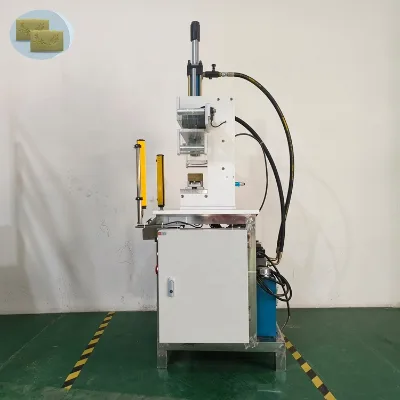
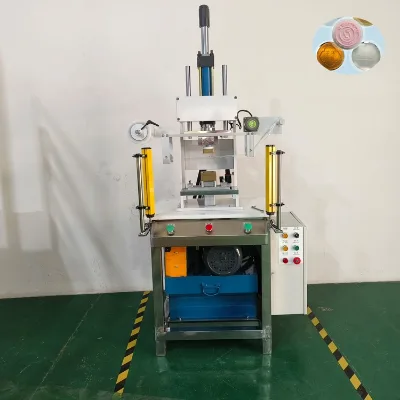
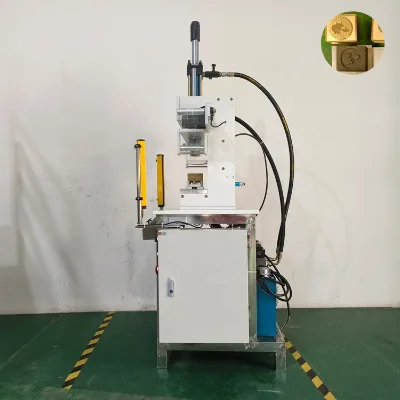
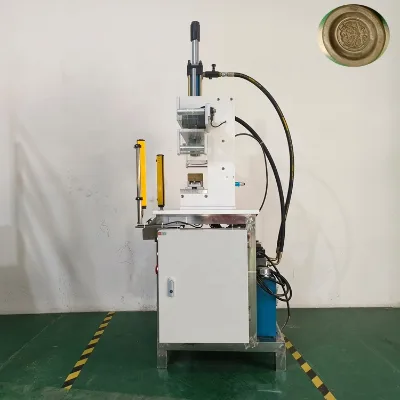
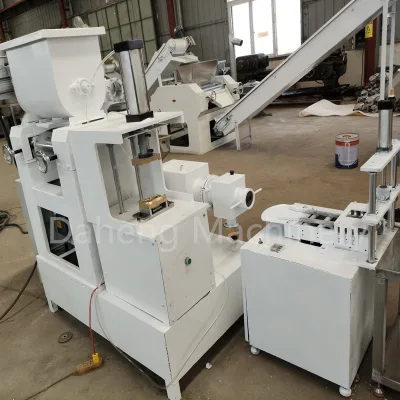
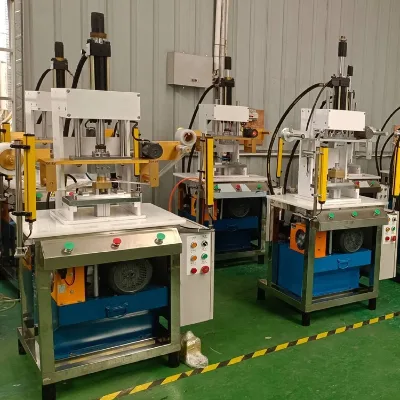
China Manufacturer Soap Hydraulic Press Machine Soap Molds Laundry Soap Making Machine
$3265.75 - $4061.77
MOQ: 1 sets
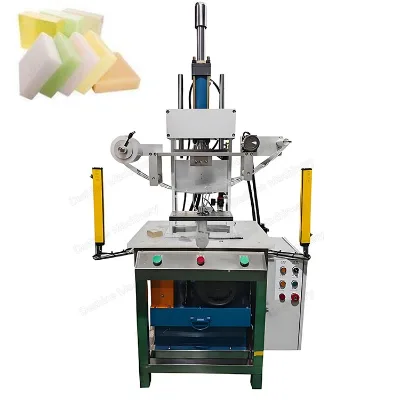
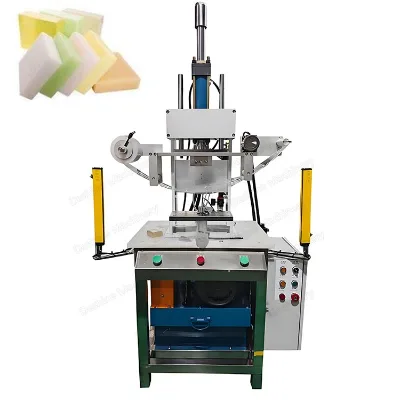
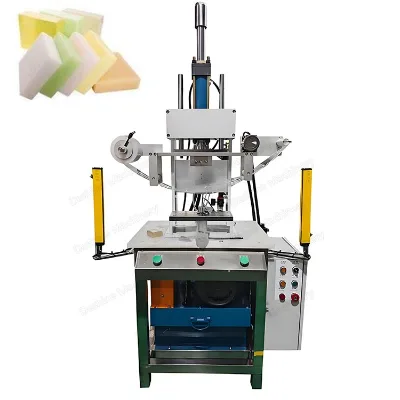


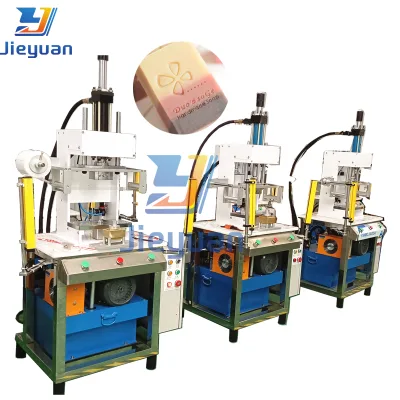


Advanced Bar Soap Stamping Machine Stainless Steel for Fast-Paced Operations
$3500.00 - $20000.00
MOQ: 1 Pieces


Soap Automatic Logo Stamping Machine Soap Stamping Soap Cut Machine
$3500.00 - $20000.00
MOQ: 1 Pieces


Small Soap Molding and Stamping Machine Hydraulic Toilet Bar Soap Press Stamper
$3350.00 - $3400.00
MOQ: 1 set

Comprehensive Sourcing Guide
Stainless Steel Soap Stamper Sourcing Guide
Sourcing a Stainless Steel Soap Stamper requires careful evaluation of material integrity and mechanical reliability to ensure consistent production quality. Buyers must prioritize machines constructed from high-grade stainless steel, as observed in listings specifying this main material, to prevent corrosion and maintain hygiene standards essential for soap manufacturing. The core keyword highlights the critical role of the stamping mechanism, which must be robust enough to handle various soap formulations without deformation or wear. Understanding the specific construction materials helps procurement teams assess the machine's longevity and suitability for high-volume industrial environments where durability is paramount.
Beyond material selection, the operational control system plays a vital role in the efficiency and precision of the stamping process. Modern units often feature PLC control systems or button controls, allowing operators to manage the stamping cycle with varying degrees of automation and ease. Buyers should verify whether the machine utilizes pneumatic, hydraulic, or electric power sources, as these drive the stamping action and influence both speed and force application. Selecting the appropriate control and power configuration ensures that the equipment aligns with existing factory infrastructure and operational workflows, minimizing integration challenges and maximizing throughput during peak production periods.
Product Scope and Observed Listing Signals
The current market for stainless steel soap stampers presents a diverse range of models with varying capacities and specifications. Observed listings indicate a price range from approximately $350 to $20,000, reflecting differences in automation levels, build quality, and production capacity. Models such as the XD-120J and XDM-30 suggest distinct operational profiles, with some units offering capacities between 50-99kg/h and others supporting higher throughput rates. Buyers should analyze these listing signals to identify machines that match their specific production volume requirements, ensuring that the selected equipment can handle the desired output without becoming a bottleneck in the manufacturing line.
Listing attributes also reveal important details about customization and after-sales support, which are critical for long-term operational success. Many suppliers offer customization options for mold shapes and final soap shapes, allowing businesses to tailor the output to their brand identity. Additionally, the presence of warranty periods, typically one year, and after-sales services like repair support indicates a commitment to product reliability. Buyers should scrutinize these signals to ensure that the supplier provides adequate support for maintenance and troubleshooting, reducing downtime and ensuring continuous production flow throughout the machine's lifecycle.
Technical Specifications to Verify
Verifying technical specifications is essential to ensure the soap stamper meets production demands and integrates seamlessly with existing processes. Key parameters to confirm include the machine's power source, which may be electric or pneumatic, and the voltage requirements, such as 380V/50Hz, to ensure compatibility with local electrical infrastructure. Buyers should also check the cooling and heating methods, as some units utilize water cooling or electric heating to maintain optimal operating temperatures. These specifications directly impact energy consumption and operational efficiency, so accurate verification prevents costly mismatches between the machine's requirements and the facility's capabilities.
Dimensional and weight specifications are equally important for planning factory layout and logistics. Observed data suggests weights around 650kg or 180kg depending on the model, with dimensions such as 23008001280mm for certain units. Buyers must ensure that the machine fits within the designated production space and that the floor can support its weight. Additionally, verifying the working method, whether hydraulic drive or other mechanisms, helps assess the force application and stamping precision. Accurate technical verification ensures that the equipment can be installed and operated safely and efficiently within the specified physical constraints.
Compliance and Safety Documentation
Compliance with safety and quality standards is non-negotiable when sourcing industrial machinery like soap stampers. Buyers should verify that the equipment holds relevant certifications, such as CE marking, which indicates adherence to European health, safety, and environmental protection standards. These certifications provide assurance that the machine has undergone rigorous testing and meets essential regulatory requirements for operation in various markets. Procurement teams must request and review certification documents to ensure legal compliance and to mitigate risks associated with operating non-compliant equipment, which could lead to operational shutdowns or legal penalties.
Documentation related to machinery test reports and core component verification is also crucial for assessing reliability. Suppliers should provide test reports that validate the performance of key components, such as the PLC system, ensuring that the machine operates as specified. Buyers should inquire about the availability of these reports and review them for any discrepancies or failures. Additionally, understanding the warranty terms and after-sales service provisions helps establish a framework for ongoing support and maintenance. Comprehensive documentation ensures transparency and accountability, allowing buyers to make informed decisions based on verified performance data.
Cost Drivers and Commercial Terms
Understanding the cost drivers behind stainless steel soap stampers helps buyers negotiate favorable commercial terms and budget effectively. Factors such as material quality, automation level, and customization options significantly influence the final price. Machines with advanced PLC controls and high-capacity outputs typically command higher prices due to increased complexity and performance. Buyers should analyze the price range of $350 to $20,000 to identify the value proposition of each model, balancing initial investment against long-term operational efficiency and maintenance costs. This analysis ensures that the selected machine offers the best return on investment for the specific production needs.
Commercial terms, including delivery time and payment conditions, also play a critical role in the procurement process. Observed listings indicate delivery times of 10 to 15 days after payment, which impacts production scheduling and inventory management. Buyers should negotiate clear terms regarding lead times and payment schedules to avoid delays and cash flow issues. Additionally, understanding the packaging requirements, such as fumigation wooden boxes, helps plan logistics and ensure safe transportation. Clear commercial terms minimize risks and ensure a smooth transaction process, allowing buyers to focus on operational integration rather than administrative hurdles.
Supplier Qualification and Quality Control
Supplier qualification is a critical step in ensuring the reliability and quality of the Stainless Steel Soap Stamper. Buyers should assess the supplier's reputation, manufacturing capabilities, and history of delivering high-quality machinery. Verifying the supplier's location, such as Henan, China, and their experience in producing soap making equipment provides insight into their expertise and market presence. Buyers should request references or case studies to evaluate the supplier's track record and customer satisfaction levels. This due diligence helps identify reputable suppliers who can consistently deliver products that meet specified standards and requirements.
Quality control measures implemented by the supplier are equally important for ensuring product consistency and reliability. Buyers should inquire about the supplier's quality assurance processes, including material inspections, assembly checks, and final testing procedures. Requesting machinery test reports and verifying the condition of new units ensures that the equipment is free from defects and operates as specified. Additionally, understanding the supplier's customization capabilities and ability to provide spare parts supports long-term maintenance and operational continuity. Robust quality control practices minimize the risk of receiving substandard equipment and ensure that the soap stamper performs reliably in production environments.
Long-Term Procurement Checks
Long-term procurement checks focus on sustaining operational efficiency and minimizing lifecycle costs for the Stainless Steel Soap Stamper. Buyers should establish a maintenance schedule that includes regular inspections of key components, such as the PLC system and hydraulic or pneumatic drives. Proactive maintenance helps identify potential issues before they lead to costly breakdowns and production delays. Buyers should also verify the availability of spare parts and technical support from the supplier to ensure quick resolution of any operational issues. This approach extends the machine's lifespan and maintains consistent production quality over time.
Continuous evaluation of supplier performance and product updates is essential for staying competitive in the soap manufacturing industry. Buyers should monitor the supplier's ability to provide upgrades or modifications to the machine as production needs evolve. Engaging in regular communication with the supplier ensures that any changes in operational requirements are addressed promptly. Additionally, reviewing warranty terms and after-sales service agreements helps manage risks associated with unexpected repairs or replacements. By implementing these long-term checks, buyers can optimize the performance of their soap stamper and achieve sustained operational success.
FAQs
What is the main material used for the soap stamper?
The main material is stainless steel, with some models also incorporating carbon steel. This ensures durability and hygiene for soap production. The specific standard depends on the model selected, such as XD-120J or XDM-30, which are designed for high efficiency.
Can the final soap shape be customized for my brand?
Yes, the final soap shape can be customized to meet your specific branding needs. The machine supports customized mould shapes, allowing for unique designs. This flexibility is available alongside optional color choices and logo stamping features for enhanced product identity.
What is the delivery time after payment is made?
The delivery time is typically 10 to 15 days after payment is received. This timeframe applies to the standard production cycle for these machines. Buyers should confirm the exact lead time based on the specific model ordered, such as the XDA-120 or P-120 variants.
Which power source does the machine operate on?
The machine operates on either pneumatic or electric power sources depending on the configuration. Some models utilize 380V/50Hz electric power with PLC control systems. Others may use pneumatic drive methods, ensuring versatile operation for different production environments and requirements.
What certifications are available for these soap stamping machines?
Certified models include CE certification to ensure safety and compliance with international standards. The machinery test report is also provided to verify performance. These certifications apply to the stainless steel construction and are essential for buyers requiring verified quality assurance for their manufacturing facilities.
How is the machine packed for international shipping?
The machine is packed in a fumigation wooden box or standard wooden box for safe transport. This packaging protects the equipment during transit from China to global destinations. The packing method ensures the heavy machinery, weighing up to 650kg, arrives securely without damage.
What after-sales service is provided for the equipment?
Repair service is provided as part of the after-sales support for the machine. Buyers receive a one-year warranty covering essential components. This service ensures operational continuity and addresses any technical issues that may arise during the initial production phase or beyond.