Source Stainless Steel Universal Steamer for restaurants, hotels, and catering
Compare 30 listings of Stainless Steel Universal Steamer options for food steaming applications. Buyers can evaluate features like capacity, material quality, and compatibility with various stove types to find suitable cooking equipment.
Key considerations
Products List


Stainless Steel Electric Multi Cooker for Efficient Cooking and Steaming
$16.50 - $18.00
MOQ: 1000 Pieces


Comprehensive Sourcing Guide
Strategic Sourcing Guide for Stainless Steel Universal Steamers
Understanding Product Variants and Core Specifications
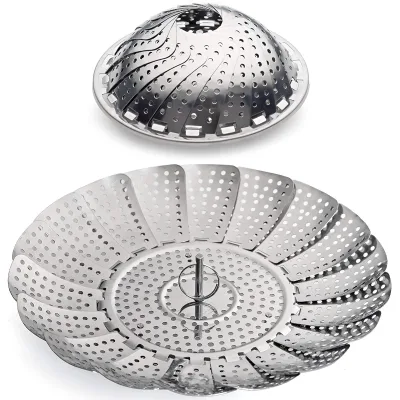
The market for stainless steel universal steamers presents a diverse landscape ranging from compact household units to large-scale industrial cooking equipment. When researching this core keyword, buyers must first distinguish between manual, non-electric steaming vessels and automated, electric-powered machinery. The product data indicates a clear bifurcation in specifications. One category features a "Good Quality Stainless Steel Food Steamer" with a single layer configuration, measuring 23.5cm when open and 14cm when closed. These units are designed for food steamer use in cooking applications, often utilizing a stainless steel cover without a pot cover accessory, and are compatible with all stove types. The material composition is explicitly listed as stainless steel, with a weight of approximately 100 units, likely grams, and a capacity of 1 person.
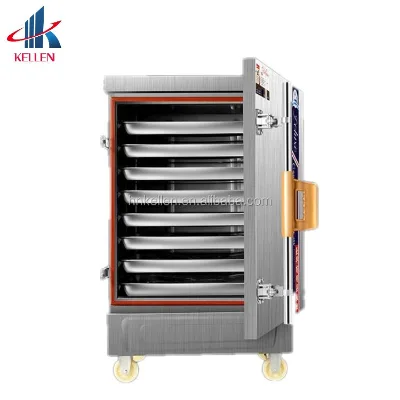
In contrast, the industrial segment includes complex machinery such as the "KL-4" model, which operates as a rice steamer with a machinery function specifically tailored for rice cooking. This equipment features a power source of electric, gas, or both, with a voltage requirement of 220V or 220/380V. The industrial units often include a motor as a core component and are rated for a steam pressure of 0.02Mpa. Capacity varies significantly, with some models serving 25 persons and others boasting a machinery capacity of 40-60kg. The physical dimensions for these larger units can reach 385178cm, while the overall disc size for specific models may be 30404.5cm. Buyers must carefully review the "Tray No." specification, which ranges from 4 to 24 trays, and the "Door No." configuration, which can be single or double. Understanding these distinct technical profiles is the first step in aligning procurement with operational needs.
Technical Compliance and Certification Verification
When sourcing stainless steel universal steamers, verifying compliance with safety and quality standards is paramount, particularly for industrial applications. The product data confirms that certain industrial models come with a provided machinery test report, which serves as a critical document for validating performance and safety. For buyers, this implies a requirement to request and review these reports before finalizing a purchase. The presence of a "1 Year" warranty on specific models also indicates a baseline expectation for product durability and manufacturer support.
Regarding material safety, the consistent mention of stainless steel as the primary material suggests a focus on corrosion resistance and hygiene. However, buyers should not assume that all listed products meet specific international food safety standards without explicit verification. The data mentions "Automatic Grade" for certain machinery, indicating a level of automation that requires electrical safety compliance. For electric models, the voltage specifications of 220V or 220/380V must align with the local power infrastructure of the buyer's facility. Additionally, the "Machinery Function" for rice steaming implies specific thermal and pressure controls that should be validated against the intended application. Buyers must ensure that the "Energy sources" listed, whether electric or gas, match the available utilities at the site of operation.
Cost Drivers and Pricing Structure Analysis
The pricing for stainless steel universal steamers is highly variable, driven by the complexity of the machinery, material quality, and production capacity. The observed listed price range spans from 1.78 USD to 14,436.54 USD, reflecting the vast difference between a simple, single-layer household steamer and a fully automated industrial rice steamer. This wide range necessitates a clear definition of requirements before engaging with suppliers to avoid budget mismatches.
Several factors influence the final cost. The "Power" rating is a significant driver; for instance, a model with a 4kw power rating will inherently cost more than a manual unit. The "Machinery capacity," ranging from 1 person to 60kg, directly correlates with the size of the stainless steel construction and the complexity of the motor and control systems. The inclusion of accessories, such as multiple trays (4 to 24) or specific door configurations (single or double), also adds to the manufacturing cost. Furthermore, the "Customization" availability, including logo customization and specific packing requirements like "Transport Packing" or "polybag" packaging, can impact the unit price. Buyers should note that the "Selling Units" are typically single items, meaning the quoted price is per unit rather than per batch, although bulk discounts may apply based on the "MOQ" which ranges from 1 to 3000 units.
Typical Applications and Operational Use Cases
The versatility of stainless steel universal steamers allows them to serve a wide array of applications, from small-scale culinary tasks to large-scale institutional feeding. The data highlights specific use cases such as "food steamer use for cooking" and "Rice cooker" applications. The single-layer, compact models with a "Light Grey" color and a weight of 100 are ideal for home kitchens or small cafes where space is limited and the volume of food is low. These units are often "Hand Wash Only," indicating a maintenance profile suited for domestic or light commercial use.
On the other end of the spectrum, the industrial rice steamers with a capacity of 40-60kg and 25-person service are designed for high-volume environments such as school cafeterias, hospitals, and large restaurants. The "Automatic Grade" feature suggests these units are built for continuous operation with minimal manual intervention. The "Steam pressure" of 0.02Mpa is a technical specification relevant to the efficiency of the steaming process in these large units. The "Applicable stove" being "ALL" for the manual units suggests flexibility in fuel sources, whereas the electric models are restricted to facilities with compatible electrical infrastructure. Buyers must match the "Application fields" of the steamer to their specific operational volume to ensure efficiency and cost-effectiveness.
Supplier Evaluation and Origin Verification
Evaluating suppliers requires a close examination of the "Place of Origin" and the brand identity associated with the products. The data indicates that stainless steel steamers originate from specific regions in China, namely "Guangdong" and "Henan." Guangdong is a major manufacturing hub known for its diverse range of kitchen appliances, while Henan is often associated with heavy machinery and industrial equipment. Buyers should verify the specific factory location to assess logistics costs and supply chain reliability.
Brand names observed include "FORBUN" and "KELLEN," though buyers should remain cautious as product listings may aggregate data from multiple sources. The presence of a "Machinery Test Report" provided by the supplier is a strong indicator of a reputable manufacturer that invests in quality assurance. When evaluating a supplier, buyers should request documentation regarding the "Core components," such as the motor, to ensure they are sourced from reliable manufacturers. The "Warranty" period of 1 year is a standard benchmark, but buyers should inquire about the scope of coverage and the process for claims. Additionally, the "Customization" options, including logo placement and packing methods, can serve as a differentiator between suppliers, indicating their flexibility and customer service orientation.
Quality Control and Inspection Protocols
Implementing a robust quality control (QC) protocol is essential when sourcing stainless steel universal steamers to mitigate the risk of defects. Given the wide range of specifications, from simple hand-wash units to complex electric machinery, the inspection criteria must be tailored to the specific product type. For manual steamers, the focus should be on the integrity of the stainless steel material, the fit of the "Stainless Steel Cover," and the absence of sharp edges or defects in the "Packing" which includes a "polybag."
For industrial units, the inspection must extend to the electrical systems, motor performance, and the "Steam pressure" consistency. The "Machinery Test Report" mentioned in the data should be cross-referenced with on-site testing if possible. Buyers should verify the "Automatic Grade" functionality to ensure the automation features operate smoothly without errors. The "Overall Disc Size" and "Size" specifications must be measured to confirm they match the product description, as discrepancies can lead to installation issues. Furthermore, the "Weight" of the unit should be verified to ensure it matches the material density expected of high-quality stainless steel. Establishing a clear acceptance criteria based on these observable attributes will help maintain product quality throughout the procurement process.
Long-Term Procurement and Maintenance Considerations
Sourcing stainless steel universal steamers is not merely a one-time transaction but a long-term investment that requires careful consideration of maintenance and lifecycle costs. The "Care Instructions" specifying "Hand Wash Only" for certain models indicate a lower maintenance burden but may limit their suitability for high-volume commercial environments where dishwashers are standard. In contrast, industrial units with "Automatic Grade" and complex motor systems may require specialized maintenance and technical support.
Buyers should evaluate the availability of spare parts, particularly for core components like the "Motor" and the "Stainless Steel Cover." The "Warranty" of 1 year provides a safety net, but the long-term cost of ownership will depend on the durability of the materials and the ease of repair. The "Energy sources" compatibility is also a long-term factor; units that support multiple energy sources offer greater flexibility in the event of utility changes or cost fluctuations. Additionally, the "Packing" method, such as "Transport Packing," affects the longevity of the product during shipping and storage. Buyers should plan for the storage of these units, considering their dimensions and weight, to prevent damage before installation. By considering these long-term factors, buyers can ensure a sustainable and efficient procurement strategy for their stainless steel steaming needs.
FAQs
What materials are used for stainless steel universal steamers?
The primary material used is stainless steel, ensuring durability and hygiene. Some models feature a light grey finish and weigh around 100 units, likely grams for smaller units.
Can these steamers be used on all stove types?
Yes, manual models are designed to be compatible with all stove types. However, electric industrial models require specific voltage inputs like 220V or 220/380V to operate correctly.
What is the capacity range for these steaming units?
Capacity varies significantly from single-person units to large industrial machines. Some models serve 25 persons or handle machinery capacities of 40 to 60 kilograms depending on the model.
Are there customization options available for logos and packing?
Yes, customization is available for logos and specific packing requirements. Buyers can request transport packing or polybag packaging, though some models may be non-customized by default.
How long is the warranty period for industrial steamers?
The standard warranty period for specific industrial models is one year. This coverage helps ensure product durability and provides manufacturer support for core components like motors.
What are the typical dimensions for large steaming equipment?
Large industrial units often measure approximately 38 by 51 by 78 centimeters. Smaller household models may have an open size of 23.5 centimeters and a closed size of 14 centimeters.