Source Hurricane Proof Impact Aluminum Window with Magnetic Screen for Homes, Offices, Malls
Compare 30 verified listings for Hurricane Proof Impact Aluminum Window with Magnetic Screen designed for residential, commercial, and office applications. These units feature aluminum alloy frames, tempered glass options, and customizable sizes to meet specific security and insulation needs.
Key considerations
Products List

Australian Atandard Aluminum Hurricane Impact Windows Casement Window with Mosquito Screen
$70.00 - $128.00
MOQ: 1 Square Meters


Matt Glass Window with Aluminium Alloy Profile/ Hurricane Impact Windows
$73.00 - $78.00
MOQ: 3 Square Meters

High Quality Aluminum Window with Factory Price / Hurricane Impact Windows
$73.00 - $78.00
MOQ: 3 Square Meters

Aluminium Window Aluminum Casement Window Hurricane Impact Windows
$73.00 - $78.00
MOQ: 3 Square Meters


$73.00 - $78.00
MOQ: 3 Square Meters
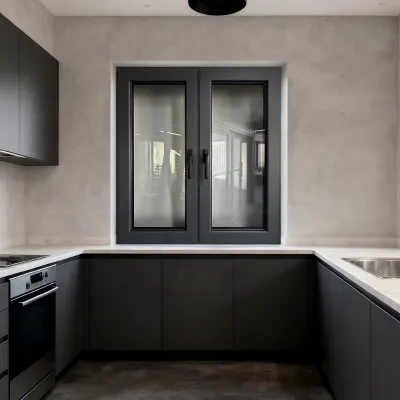

Hot Sale Tilt&Turn Hurricane Impact Window Aluminum Doors Aluminium Window with Screen Net
$96.80 - $118.60
MOQ: 1 Square Meters

Factory Price Hurricane Impact Aluminum Window/ Aluminium Casement Window with Net
$58.00 - $88.00
MOQ: 1 Square Meters

Aluminum Double Glass Hurricane Impact Windows Aluminium Casement Window
$57.00 - $78.00
MOQ: 1 Square Meters

$85.00 - $120.00
MOQ: 1 Square Meters


Aluminum Hurricane Impact Windows Soundproof Glass Windows Energy Efficient Casement Window Sale
$50.00 - $145.00
MOQ: 1 Square Meters

Casement Window in Metal with Mesh Laminated Double Glazed Glass Hurricane Impact Windows
$50.00 - $150.00
MOQ: 20 Square Meters


Aluminum Interior Noiseless Simple Design Aluminum Sliding /Casement Hurricane Impact Window
$30.00 - $150.00
MOQ: 10 Square Meters

Soundproof Hurricane Impact Windows New Design and Double Tempered Glass Aluminium Awning Window
$30.00 - $150.00
MOQ: 10 Square Meters

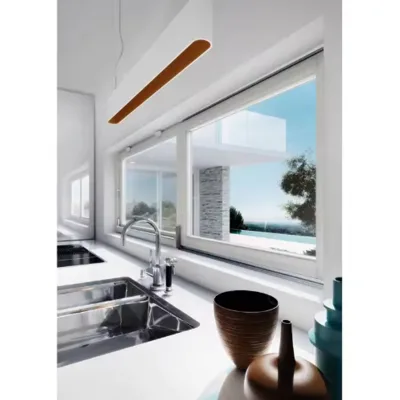


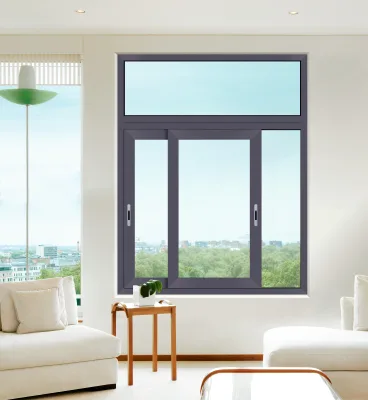


Customize Windows Aluminum Sliding Window Hurricane Impact Windows for Villa Project
$80.00 - $120.00
MOQ: 5 Square Meters

Aluminum Sliding Double Glazed Window Aluminium Window Sliding Window Hurricane Impact Windows
$85.00 - $120.00
MOQ: 5 Square Meters


Hurricane Impact Aluminum Windows with Double Glazed Reflective Glass for Safety
$98.00 - $115.00
MOQ: 20 Square Meters
Comprehensive Sourcing Guide
Strategic Sourcing Guide for Hurricane-Proof Impact Aluminum Windows with Magnetic Screens
Understanding the Technical Architecture of Impact-Resistant Systems
When sourcing hurricane-proof impact aluminum windows with magnetic screens, the primary objective is to identify a system capable of withstanding extreme wind loads and projectile impacts while maintaining thermal and acoustic performance. The core construction typically relies on a robust aluminum alloy frame, which serves as the structural backbone. In the available market data, aluminum alloy is explicitly cited as the frame material, offering a balance of strength-to-weight ratio and corrosion resistance essential for coastal environments. The frame thickness is a critical variable; observed specifications indicate profiles ranging from 1.2mm to 2.0mm, with specific high-performance models noting a thickness of 1.8mm. Buyers must verify that the selected model meets the specific wind pressure requirements of their target region, as the structural integrity of the window is directly proportional to the extrusion thickness and the quality of the alloy used.
The glazing system is the most critical component for impact resistance. The supply data highlights a variety of glass options, including normal glass, tempered glass, laminated glass, and Low-E glass. For hurricane-proof applications, tempered glass is frequently specified, often in a hollow configuration to enhance insulation. The presence of laminated glass is also a significant indicator of impact resistance, as the interlayer holds the glass together upon impact, preventing shattering. The available data lists "Tempered Hollow Glass" and "Tempered Glass" as specific attributes, suggesting that high-security units utilize these materials. The security rating of the window system is another vital technical parameter; observed ratings include "A" and "B," which likely correspond to different levels of resistance against forced entry and impact. Buyers should demand specific test data correlating these ratings to international impact standards, rather than relying solely on the generic rating labels provided in general catalogs.
The magnetic screen component adds a layer of functionality that distinguishes these units from standard security windows. The screen netting material is identified as nylon in the provided specifications, which offers durability and resistance to UV degradation. The magnetic mechanism allows for easy engagement and disengagement, facilitating ventilation without compromising the security of the screen when the window is closed. This feature is particularly valuable in hurricane-prone areas where ventilation is necessary during non-storm periods but must be sealed tightly during high-wind events. The screen is integrated into the opening pattern, which can be vertical or horizontal, and the open style is typically swing or casement. The specific model numbers observed, such as MM030, MM046, and casement window 80 series, suggest that manufacturers offer distinct configurations tailored to different architectural needs.
Compliance Verification and Certification Standards
Navigating the compliance landscape for hurricane-proof windows requires rigorous verification of standards, as the term "hurricane-proof" is not a universal legal definition but rather a performance claim subject to regional testing protocols. While the supplied data mentions a low-confidence background regarding CE certification, buyers must not assume that any listed product automatically possesses this or other international certifications. Instead, the procurement strategy must focus on verifying compliance with local building codes, such as the Florida Building Code (FBC) or Miami-Dade County TAS 201/202/203 standards, which are the gold standards for impact resistance in the United States.
The data indicates that the products originate from Shanghai, China, and that the production standards are often "Customized according to customer requirements." This implies that the standard factory output may not inherently meet specific international hurricane codes without custom engineering. Buyers must explicitly request third-party test reports that validate the window's ability to withstand positive and negative pressure cycles, as well as large and small missile impact tests. The "Security Rating" of A or B mentioned in the data is an internal classification and does not substitute for independent laboratory testing. Therefore, the verification process should involve a direct request for the specific test certificates that correspond to the wind load and impact requirements of the project location.
Furthermore, the hardware and accessories play a crucial role in compliance. The available information lists accessories such as locks, handles, and hinges, with materials ranging from China Brand to German Brand hardware, and specific mention of 304# Stainless Steel. The quality of these components is vital for maintaining the integrity of the window under stress. In a hurricane event, the hardware must not fail, as a compromised locking mechanism can lead to the ejection of the sash. Buyers should verify that the hardware is rated for the specific wind load class of the window and that the stainless steel components are of marine grade to prevent corrosion in salt-air environments. The drainage method, noted as "Concealed Drainage" in some specifications, is also a compliance factor, as proper water management prevents pressure buildup that could compromise the seal.
Cost Drivers and Pricing Dynamics in the Impact Window Market
The pricing of hurricane-proof impact aluminum windows with magnetic screens is influenced by a complex matrix of material costs, customization levels, and performance specifications. The observed listed price range in the market data spans from 30 to 180 USD, but this range is highly variable and likely reflects differences in size, glass type, and hardware quality. A unit priced at the lower end of this spectrum may utilize standard tempered glass and basic aluminum profiles, whereas a unit at the higher end likely incorporates laminated glass, thicker 2.0mm profiles, and premium German-brand hardware.
Material costs are the primary driver of price variation. The thickness of the aluminum profile, ranging from 1.2mm to 2.0mm, directly impacts the amount of raw material required and the structural rigidity of the unit. Thicker profiles command a higher price due to increased material consumption and the complexity of the extrusion process. Similarly, the type of glass selected significantly affects the cost. Tempered hollow glass and laminated glass are more expensive than normal glass due to the additional processing steps required to achieve the necessary strength and safety characteristics. The inclusion of Low-E coatings for thermal insulation further adds to the material cost.
Customization is another major cost factor. The data explicitly states that size, color, and design can be customized, with options including white, brown, dark grey, black, and reflective glass colors. Custom sizes often require non-standard tooling and production runs, which can increase the unit price and the Minimum Order Quantity (MOQ). The observed MOQ range of 1 to 50 units suggests that some suppliers offer flexible ordering for small projects, while others may require larger volumes to justify the setup costs for custom configurations. The packaging method, which varies from bubble bags to wooden frames and plywood crates, also influences the final cost, as robust packaging is essential for protecting high-value impact windows during international shipping.
Typical Applications and Usage Scenarios
The versatility of hurricane-proof impact aluminum windows with magnetic screens makes them suitable for a wide range of applications, from residential homes to large commercial complexes. The supply data identifies specific usage scenarios including homes, shopping malls, and office buildings. In residential settings, these windows provide essential protection against tropical storms while offering the added benefits of soundproofing, heat insulation, and insect protection. The modern and European styles available in the market allow homeowners to maintain aesthetic appeal without sacrificing safety. The magnetic screen feature is particularly beneficial for residential use, allowing for natural ventilation during mild weather while ensuring the screen remains secure during high winds.
Commercial applications, such as shopping malls and office buildings, demand windows that can withstand higher wind loads and provide enhanced security. The "Security Rating" and "Anti-Theft" functions listed in the data are critical for these environments. The ability to customize the window size and design allows architects to integrate these units into large curtain wall systems or facade designs. The thermal break technology, implied by the "Thermal Break Windows" designation in the data, is essential for commercial buildings to meet energy efficiency standards and reduce HVAC costs. The concealed drainage system is also advantageous in commercial settings, where the visual appearance of the window frame is often a key design element.
The specific model numbers and configurations observed, such as the casement window 80 series and models MM030, MM046, and L038, suggest that manufacturers offer a diverse portfolio to meet these varied needs. The opening pattern, whether vertical or horizontal, and the open style, such as swing or casement, allow for flexibility in design. The security grid feature mentioned in the data provides an additional layer of protection for high-risk areas. Buyers should consider the specific environmental conditions of the application site when selecting the appropriate model, ensuring that the window's performance capabilities align with the local climate and security requirements.
Supplier Evaluation and Quality Assurance Protocols
Evaluating suppliers for hurricane-proof impact windows requires a meticulous approach to quality assurance and supply chain reliability. The data indicates that the products originate from Shanghai, China, and that the surface finishing is "Finished," suggesting a level of standardization in the production process. However, buyers must go beyond these general attributes to assess the supplier's capability to deliver consistent, high-quality impact-resistant windows. The first step in evaluation is to verify the supplier's manufacturing capacity and their history of producing windows that meet international impact standards.
Quality control should be a central part of the procurement process. Buyers should request detailed information on the production process, including the methods used for frame extrusion, glass tempering, and assembly. The "Surface Finishing" being "Finished" is a positive indicator, but specific details on the coating process, such as powder coating or anodizing, should be requested to ensure long-term durability. The supplier's ability to provide customizations, such as specific colors and sizes, is also a key indicator of their flexibility and technical capability. The availability of accessories like locks, handles, and hinges, along with the option to choose between China Brand and German Brand hardware, allows buyers to tailor the product to their specific quality and budget requirements.
The packaging method is another critical aspect of supplier evaluation. The data lists various packaging options, including bubble bags, wooden frames, and plywood crates. For international shipments, the use of plywood crates is generally recommended for high-value impact windows to prevent damage during transit. Buyers should verify that the supplier uses appropriate packaging for the specific dimensions and fragility of the product. Additionally, the supplier's lead time and ability to meet the Minimum Order Quantity (MOQ) should be assessed to ensure that the project timeline can be met. The observed MOQ range of 1 to 50 units suggests that suppliers may be flexible, but buyers should confirm the specific terms for their order size.
Long-Term Procurement and Maintenance Considerations
Sourcing hurricane-proof impact aluminum windows with magnetic screens is a long-term investment that requires careful consideration of maintenance and lifecycle costs. The durability of the window system depends on the quality of the materials used, particularly the aluminum alloy and the glass. The data highlights the use of aluminum alloy frames and various glass types, including tempered and laminated glass, which are designed for longevity. However, the performance of these materials over time can be affected by environmental factors such as salt air, UV exposure, and extreme temperature fluctuations.
Maintenance of the magnetic screen is a specific consideration for these systems. The nylon screen netting is durable, but it requires regular cleaning to prevent clogging and maintain airflow. The magnetic mechanism should be inspected periodically to ensure that it engages properly and that the screen remains secure. The hardware, including locks, handles, and hinges, should be lubricated and checked for signs of wear or corrosion. The use of 304# stainless steel for accessories is a positive indicator of corrosion resistance, but regular maintenance is still necessary to ensure optimal performance.
The customization options available, such as color and design, also have long-term implications. While custom colors and designs allow for aesthetic flexibility, they may require specific care instructions to maintain their appearance over time. Buyers should inquire about the warranty terms provided by the supplier, particularly regarding the glass and the frame. The "Security Rating" and "Anti-Theft" functions are long-term benefits that contribute to the overall value of the window system, but they rely on the continued integrity of the hardware and the frame. By selecting a supplier with a strong track record of quality and providing comprehensive after-sales support, buyers can ensure that their investment in hurricane-proof impact windows remains effective and reliable for years to come.
FAQs
Can I customize the size and color of these windows?
Yes, the size and color can be customized to meet specific client specifications. Buyers can select from white, brown, dark grey, or black finishes, and the glass color can also be tailored to project needs.
What materials are used for the frame and screen netting?
The frame is constructed from aluminum alloy with thickness options ranging from 1.2mm to 2.0mm. The screen netting material is identified as nylon, providing durability and resistance to UV degradation for long-term use.
Which security ratings are available for these impact windows?
The available security ratings observed in the product data are A and B. These ratings indicate different levels of resistance against forced entry and impact, though specific test data should be requested for verification.
How does the drainage system function in these units?
Some models feature a concealed drainage method to manage water effectively without compromising the visual appearance. This design helps prevent pressure buildup that could otherwise weaken the window seal during heavy rain.
What types of glass are available for these windows?
Options include normal glass, tempered glass, laminated glass, and Low-E glass. Tempered hollow glass is also specified for enhanced insulation, and glass colors can range from clear to reflective finishes.
Can the window hardware be selected from different brands?
Yes, hardware options include China Brand or German Brand locks, handles, and hinges. Specific components like 304# stainless steel are available to ensure corrosion resistance and structural integrity under stress.
What is the origin location for these aluminum windows?
The products originate from Shanghai, China. Buyers should verify that the manufacturing standards align with local building codes, as the standard output may require customization to meet specific international impact requirements.