Source Stainless Steel Vibrating Bull Float for Concrete
Find 30 Stainless Steel Vibrating Bull Float options for concrete paving, screeding, and surface finishing. Compare models like BFA120 and VBFS120 with flat trowel blades, CE certification, and Henan origins to select the right tool for your construction projects; compare the available evidence and request quotations based on your requirements.
Key considerations
Products List


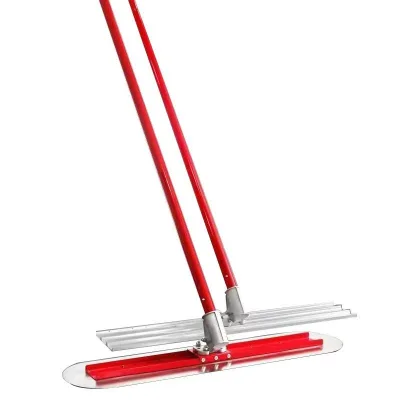
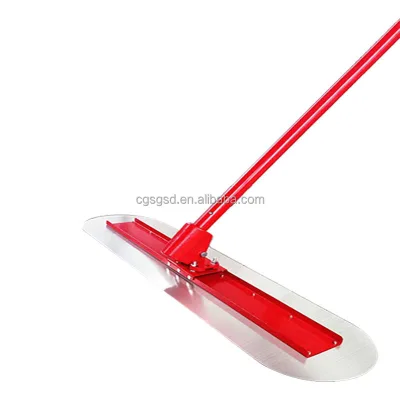


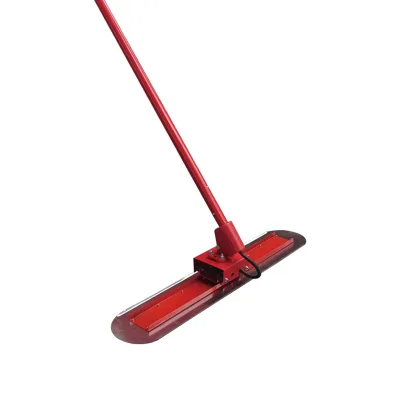


Comprehensive Sourcing Guide
Stainless Steel Vibrating Bull Float Sourcing Guide
Procurement of stainless steel vibrating bull floats requires careful alignment between observed listing signals and actual product capabilities. The market presents a diverse range of models, including specific variants like the BFA120 and VBFS120, which often feature flat trowel designs intended for concrete surface finishing. Buyers must distinguish between manual hand-push units and more complex fixed or continuous drum systems, as the intended application dictates the necessary mechanical configuration.
Verification of the blade material is the primary step in this sourcing process, as the supplied data confirms stainless steel construction for many listed items. This material choice is critical for durability in wet concrete environments, preventing rust and ensuring a smooth finish on cement pavement projects. Sourcing teams should prioritize listings that explicitly state stainless steel composition to avoid purchasing inferior alternatives that may degrade rapidly under heavy construction site conditions.
Product Scope and Observed Listing Signals
The observed product listings reveal a wide price spectrum ranging from 3 to 300 USD, reflecting significant variations in build quality, size, and included accessories. While some entries list a standard weight of 10KG, others indicate a total weight of 15KG, suggesting differences in handle length or blade density. Buyers must scrutinize these figures closely, as the listed price often correlates with the specific model designation, such as the BFS-120 or MX120, which may include distinct handle configurations like the 1.8m*3 handrail setup.
Listing signals also highlight the availability of customization options, allowing buyers to request specific colors or dimensions to match project requirements. The data indicates that some units are available in red, while others offer customer-required color options, providing flexibility for branding or safety visibility on site. However, the presence of customization does not guarantee that every listed product meets the same performance standards, so buyers must verify the specific attributes of the customized unit before finalizing an order.
Technical Specifications to Verify
Technical verification must begin with the blade dimensions, as the observed data specifies a float size of 1200mm by 200mm for several key models. This standard width is crucial for achieving the desired screeding effect on concrete surfaces, and deviations from this specification could impact the efficiency of the paving operation. Buyers should confirm that the listed product matches these exact dimensions, as the model numbers like Bfs300 or BF may imply different physical profiles that require specific handling equipment.
The handle length and overall unit weight are equally critical specifications that influence operator fatigue and maneuverability. Listings frequently cite a handle length of 1.8m, which is suitable for standard manual operation, yet some entries suggest a total length of 5.4m for larger configurations. Procurement teams must ensure the selected unit's weight, whether 10KG or 15KG, aligns with the physical capabilities of the workforce and the specific requirements of the construction project to prevent operational delays.
Compliance and Safety Documentation
Compliance verification is essential when sourcing construction tools, as the provided data indicates that some products carry CE and ISO9001 certifications. These certifications suggest adherence to specific safety and quality management standards, which is a vital consideration for international procurement and regulatory compliance in various jurisdictions. Buyers should request valid certification documents directly from the supplier to confirm that the specific batch of bull floats meets the required safety protocols for industrial use.
Safety documentation also extends to the operational controls and maintenance requirements of the equipment. The observed listings mention manual operation modes and video technical support, which are important for ensuring that operators are properly trained and that the equipment functions correctly. Procurement teams must verify that the supplier provides clear instructions on the control mode and that the video support is accessible, ensuring that any operational issues can be resolved quickly without compromising site safety.
Cost Drivers and Commercial Terms
Cost drivers in this category are heavily influenced by the material composition and the level of customization requested. Stainless steel construction is a primary cost factor, as it offers superior corrosion resistance compared to standard steel, but it also increases the base price of the unit. Buyers should analyze the price range of 3 to 300 USD in the context of the specific model and material grade to ensure they are not overpaying for features that do not add value to their specific application.
Commercial terms such as minimum order quantity and packaging requirements also play a significant role in the total cost of ownership. The observed data shows an MOQ range of 1 to 10 units, offering flexibility for small projects, while packaging is typically provided in cartons or wooden crates. Procurement teams must negotiate these terms carefully, considering that the packing method can affect shipping costs and the risk of damage during transit, which ultimately impacts the final delivered price.
Supplier Qualification and Quality Control
Supplier qualification should focus on the manufacturer's location and their track record in producing construction equipment. The supplied facts indicate that many products originate from Henan, China, a region known for its manufacturing capabilities in this sector. Buyers should verify the specific factory details and request evidence of their production capacity, which is listed as exceeding 400t/h for some related machinery, to ensure the supplier can meet large-scale order demands.
Quality control measures are another critical aspect of supplier evaluation, with some listings offering video outgoing-inspection services. This feature allows buyers to visually verify the condition and assembly of the bull floats before shipment, reducing the risk of receiving defective units. Procurement teams should insist on this inspection capability as part of the contract, ensuring that the final product matches the described specifications and that the core components, such as gears, are functioning correctly.
Long-Term Procurement Checks
Long-term procurement success depends on the availability of after-sales support and warranty coverage. The observed data confirms that a 1-year warranty is often provided, along with video technical support, which are essential for maintaining equipment uptime in demanding construction environments. Buyers should clarify the terms of the warranty to understand what is covered, such as blade wear or handle damage, and ensure that the support team is responsive to technical inquiries.
Finally, buyers must assess the longevity and maintenance requirements of the equipment to ensure a high return on investment. The unique selling points of these tools often include a long lifetime and lightweight adjustable features, which contribute to their durability and ease of use. Procurement teams should evaluate the maintenance schedule and the availability of replacement parts, ensuring that the equipment can be kept in optimal condition throughout its operational life to maximize efficiency on future projects.
FAQs
What is the blade material for this bull float?
The blade material is stainless steel, providing durability and resistance to corrosion during concrete finishing. This construction ensures the tool maintains its flat edge and polished finish over time. The stainless steel composition supports long-term use in demanding construction environments without significant degradation.
Can I customize the bull float specifications?
Yes, customization is available for this bull float to meet specific project requirements. Buyers can request tailored dimensions or features to suit their operational needs. This flexibility allows for precise adaptation to various concrete surface finishing tasks, ensuring optimal performance and fit for specialized construction applications.
What certifications does the product hold?
The product holds CE and ISO9001 certifications, indicating compliance with international quality and safety standards. These credentials verify that the manufacturing process adheres to rigorous quality control measures. Buyers can rely on these certifications to ensure the equipment meets established industry benchmarks for reliability and performance in construction projects.
What is the weight of the bull float?
The bull float weighs 15 kilograms, offering a balance between stability and maneuverability. This weight facilitates easy operation while providing sufficient mass for effective concrete surface leveling. The design ensures that operators can handle the tool efficiently without excessive fatigue during extended use on construction sites.
What warranty is provided with the product?
A one-year warranty is provided with the product, covering manufacturing defects and ensuring buyer confidence. This warranty period allows for resolution of any initial issues that may arise. Buyers benefit from this support structure, which underscores the manufacturer's commitment to product quality and customer satisfaction throughout the initial year of use.
How is the product packed for shipping?
The product is packed in carton or wooden packaging to ensure safe transit. This protective packaging prevents damage during handling and transportation to various global destinations. The secure packing method helps maintain the condition of the bull float, ensuring it arrives ready for immediate deployment on construction sites without prior inspection or repair.