Source Stainless Steel Viking Ring for Wedding, Gift, and Decoration
Find 30 Stainless Steel Viking Ring options for wedding bands, corporate gifts, and decorative accessories. Compare materials like stainless steel and tungsten, finishes such as electroplating and polishing, and customization services including engraving and size adjustments for male and unisex styles.
Key considerations
Products List
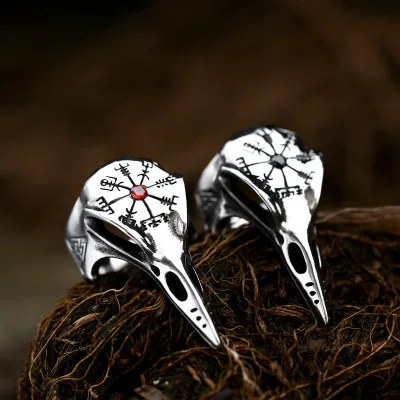


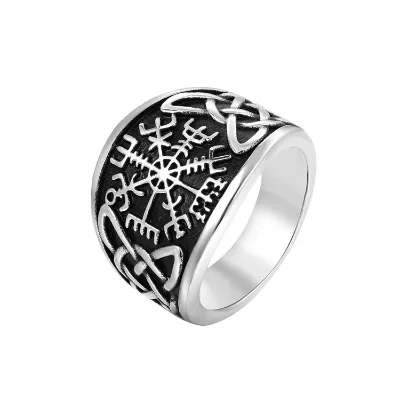


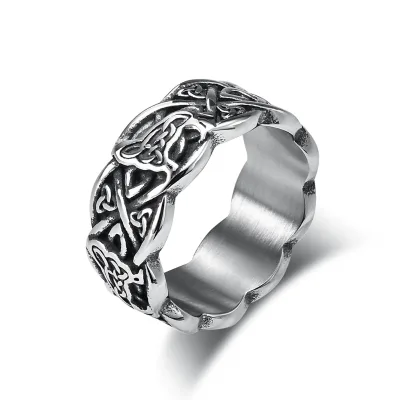

Comprehensive Sourcing Guide
Stainless Steel Viking Ring Sourcing Guide
Product Scope and Observed Listing Signals
The current market landscape for stainless steel Viking rings reveals a diverse array of styles, materials, and customization options tailored to both male and unisex demographics. Observed listings indicate a strong emphasis on fashion-forward designs that blend traditional Viking aesthetics with modern manufacturing techniques. Buyers will encounter products ranging from simple, minimalist bands to more intricate inlaid rings, with color options prominently featuring silver, gold, and black finishes. The observed price range spans from $0.13 to $4,000 USD, reflecting significant variation in material purity, plating quality, and brand positioning. This wide spectrum allows procurement teams to align sourcing strategies with specific budget constraints, whether targeting high-volume promotional gifts or premium retail inventory.
Material composition is a critical differentiator in this category, with stainless steel being the predominant base material, often highlighted for its durability and skin-friendly properties. Some listings also feature tungsten carbide, noted for its scratch resistance and higher density, catering to buyers seeking alternative heavy-metal aesthetics. The observed product attributes suggest a strong focus on customization services, including engraving and size adjustments across a broad range of US sizes (5-13). This flexibility is particularly valuable for B2B clients looking to offer personalized wedding bands or corporate gifts. Additionally, the presence of OEM services and customized packaging options indicates that many suppliers are equipped to handle private label requirements, making this category suitable for brands aiming to establish a distinct identity in the jewelry market.
Technical Specifications to Verify
When evaluating technical specifications, buyers must prioritize material purity and surface treatment processes to ensure product longevity and customer satisfaction. Stainless steel rings are frequently marketed with claims of over 90% purity and scratch-resistant properties, which are essential for maintaining the mirror polish and anti-tarnish finish over time. It is crucial to verify the specific grade of stainless steel used, as this directly impacts corrosion resistance and structural integrity. For products featuring plating, such as gold or rose gold finishes, buyers should inquire about the thickness of the plating layer and the adhesion process to prevent peeling or fading during daily wear. The observed surface treatments, including mirror polishing and frosted finishes, offer distinct visual appeals, but their durability under friction and exposure to elements should be confirmed through supplier documentation.
Size consistency and dimensional accuracy are equally important, especially for rings intended for sensitive skin or specific wear scenarios. The observed size range of 7 to 13 US sizes provides broad coverage, but buyers should verify the tolerance levels for each size to ensure a comfortable fit. Customization services like size adjustment are available, but the limits of these adjustments must be clearly defined to avoid structural compromise. Additionally, the weight of the ring, observed in listings ranging from 15g to 22g, influences the perceived quality and comfort. Heavier rings may offer a more substantial feel but could cause discomfort during extended wear. Buyers should request detailed dimension sheets and weight specifications for each model to align with their target audience's preferences and usage scenarios, such as daily wear, business, or casual settings.
Compliance and Safety Documentation
Safety and compliance are paramount when sourcing jewelry, particularly for products marketed as hypoallergenic and nickel-free. Buyers must ensure that suppliers provide documentation verifying the absence of harmful substances such as nickel, lead, and cadmium, which can cause allergic reactions or skin irritation. The observed attribute of "nickel-free" and "hypoallergenic for sensitive skin" is a significant selling point, but it must be backed by third-party testing results or material safety data sheets (MSDS). Without such verification, claims of skin-friendliness remain unsubstantiated and could lead to customer complaints or regulatory issues. It is advisable to request certificates of analysis (CoA) from reputable laboratories to confirm that the materials meet international safety standards for jewelry components.
Furthermore, buyers should verify compliance with regional regulations regarding jewelry labeling and marketing claims. In many markets, terms like "stainless steel" or "tungsten carbide" have specific legal definitions that must be adhered to. Mislabeling can result in penalties and damage to brand reputation. Suppliers should be able to provide clear information on the origin of materials and the manufacturing processes used, ensuring transparency throughout the supply chain. For products intended for the European market, compliance with REACH regulations is essential, while US buyers should be aware of FTC guidelines on jewelry marketing. By prioritizing suppliers with robust compliance documentation, buyers can mitigate risks associated with product liability and ensure that their offerings meet the highest safety standards for consumers.
Cost Drivers and Commercial Terms
Several factors influence the cost structure of stainless steel Viking rings, with material costs, customization complexity, and order volume being primary drivers. The observed MOQ range of 1 to 1,000 units offers flexibility for both small-scale startups and large retailers, but pricing tiers often vary significantly based on quantity. Buyers should negotiate volume discounts carefully, ensuring that the cost per unit decreases proportionally with increased orders without compromising quality. Customization services, such as engraving and size adjustments, typically incur additional fees, which should be factored into the total cost analysis. The choice of plating, such as rose gold or gold, also impacts pricing due to the cost of precious metals and the complexity of the electroplating process.
Commercial terms, including payment methods, shipping options, and lead times, play a crucial role in the overall procurement strategy. While specific lead times are not provided in the observed data, buyers should establish clear expectations with suppliers regarding production schedules and delivery windows. Packaging options, such as PP bags, are standard but can be customized for retail presentation, potentially affecting costs. Buyers should also consider the total landed cost, including duties, taxes, and freight, when evaluating supplier quotes. Transparent communication about these commercial terms helps in budgeting accurately and avoiding unexpected expenses. By understanding the cost drivers and negotiating favorable terms, buyers can optimize their procurement strategy and maintain healthy profit margins.
Supplier Qualification and Quality Control
Selecting the right supplier requires a thorough evaluation of their manufacturing capabilities, quality control processes, and track record. Buyers should prioritize suppliers who demonstrate expertise in stainless steel and tungsten carbide processing, as evidenced by their fabrication techniques such as electroplating and polishing. Requesting samples is a critical step in assessing product quality, allowing buyers to inspect the finish, weight, and fit firsthand. Suppliers with OEM experience are often better equipped to handle custom orders and maintain consistency across large production runs. It is also important to verify the supplier's ability to provide customization services, such as engraving and size adjustments, without compromising the structural integrity of the rings.
Quality control measures should be clearly defined and enforced throughout the production process. Buyers should inquire about the supplier's inspection protocols, including pre-production, in-process, and final inspections. Third-party quality audits can provide additional assurance of the supplier's commitment to quality standards. Suppliers who offer comprehensive packaging solutions, such as individual PP bags, demonstrate attention to detail and care for product presentation. Additionally, buyers should assess the supplier's responsiveness and communication skills, as these factors are crucial for resolving issues promptly and maintaining a smooth supply chain. By conducting due diligence on supplier qualifications and quality control practices, buyers can mitigate risks and ensure a reliable partnership.
Long-Term Procurement Checks
Sustaining a successful procurement relationship with Stainless Steel Viking Ring suppliers requires ongoing monitoring and evaluation. Buyers should regularly review supplier performance metrics, including on-time delivery rates, product quality consistency, and responsiveness to issues. Establishing key performance indicators (KPIs) helps in tracking these metrics and identifying areas for improvement. Regular communication with suppliers fosters a collaborative environment, enabling both parties to address challenges proactively and explore opportunities for innovation. Buyers should also stay informed about market trends and consumer preferences, adjusting their sourcing strategies accordingly to remain competitive.
Furthermore, buyers should periodically reassess their supplier base to ensure it aligns with their evolving business needs. Diversifying suppliers can mitigate risks associated with single-source dependencies and provide access to a broader range of products and capabilities. Engaging in long-term contracts with reliable suppliers can secure favorable pricing and priority production slots, but buyers should remain flexible to adapt to market changes. Continuous improvement initiatives, such as joint quality improvement projects or sustainability efforts, can strengthen the partnership and enhance value for both parties. By implementing robust long-term procurement checks, buyers can build a resilient supply chain that supports their growth and success in the jewelry market.
FAQs
What materials are used for stainless steel viking rings?
Stainless steel viking rings are primarily made from stainless steel with over 90% purity. Some variations also utilize tungsten carbide with 90% or higher purity to ensure scratch resistance and durability for daily wear scenarios.
Which ring sizes are available for customization?
Customization services allow for size adjustments ranging from 5 to 13 US sizes. Specific observed sizes include 9, 10, 11, 12, and 13, ensuring a proper fit for various finger measurements without requiring special orders.
Can these rings be engraved or customized?
Yes, customization services include engraving and size adjustments for these rings. Buyers can request specific modifications to meet personal preferences or branding needs while maintaining the original structural integrity of the stainless steel or tungsten material.
How are the rings finished to prevent tarnishing?
The rings undergo mirror polishing or frosted surface treatments to achieve a long-lasting shine. This process ensures the product remains anti-tarnish and maintains its aesthetic appeal during daily wear, casual events, or business occasions.
Are these rings suitable for sensitive skin?
Yes, the rings are nickel-free and hypoallergenic, making them safe for sensitive skin. This property ensures comfort during extended wear scenarios such as weddings, gifts, or daily casual use without causing allergic reactions or irritation.
What packaging is used for shipping these rings?
Products are typically packed in individual PP bags for protection during transit. Some items may come in pairs per bag, ensuring that the rings remain secure and free from scratches before reaching the final buyer or retailer.