Source Stainless Steel Weld Bolts for machinery, chemical, and building
Compare 30 listings for Stainless Steel Weld Bolts suitable for machinery, chemical industry, and environmental applications. Buyers can review specifications including material grades, head styles, and packing options from suppliers in Ningbo, Dongguan, and Shanghai.
Key considerations
Products List


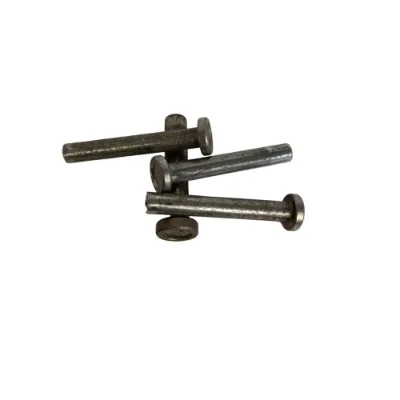


Heavy-Duty Weld Stud Bolts High-Strength Fasteners for Construction Welding
$0.01 - $0.03
MOQ: 1000 Pieces


Comprehensive Sourcing Guide
Strategic Sourcing Guide for Stainless Steel Weld Bolts
Navigating the global market for Stainless Steel Weld Bolts requires a disciplined approach that balances technical precision with supply chain reliability. Buyers in the machinery, chemical industry, environmental, and building sectors often rely on these fasteners to ensure structural integrity under demanding conditions. The procurement process is not merely about purchasing a component but about securing a supply chain partner capable of delivering consistent quality, adhering to specific standards, and managing complex customization needs. This guide outlines the critical factors buyers must evaluate when sourcing Stainless Steel Weld Bolts, focusing on verified attributes, material specifications, and quality assurance protocols derived from current market data.
Technical Specifications and Material Verification
The foundation of a successful procurement strategy lies in the precise definition of technical specifications. Stainless Steel Weld Bolts are not a monolithic category; they vary significantly based on the specific alloy, grade, and mechanical properties required for the application. When reviewing supplier catalogs, buyers must verify the exact material composition. Available materials in the current market include Carbon Steel, High Strength Steel, and Stainless Steel. For applications requiring corrosion resistance, the selection of Stainless Steel is paramount, though the specific grade must be confirmed against the operating environment.
The standard thread types and measurement systems are equally critical. Suppliers typically offer products compliant with both INCH and Metric measurement systems, ensuring compatibility with diverse machinery and international equipment standards. Thread types are generally standardized, yet the specific pitch and diameter must align with the project's engineering drawings. The head style is another variable that dictates installation methods; common observations include Hexagonal and Round Head styles, with some suppliers offering "Other" custom styles. The connection type is frequently identified as a Common Bolt, but the specific welding requirements for the bolt head or shank must be clearly defined to prevent assembly failures.
| Specification Category | Common Market Observations | Verification Requirement |
|---|---|---|
| Material | Carbon Steel, High Strength Steel, Stainless Steel | Confirm specific stainless grade (e.g., 304, 316) based on corrosion needs. |
| Measurement System | INCH, Metric | Match to existing equipment or project blueprints. |
| Head Style | Hexagonal, Round, Custom | Ensure compatibility with welding fixtures and torque tools. |
| Thread Type | Standard Thread | Verify pitch and tolerance against DIN, GB, or ANSI standards. |
| Finish | Zinc, Plain, Hot-Working | Select based on environmental exposure and aesthetic requirements. |
Buyers should note that while some listings mention specific models like LNK-22006 or LNK-22015, the market also supports fully custom-made specifications. The ability to produce custom models is a significant advantage for specialized projects where off-the-shelf solutions do not meet the exact dimensional or functional requirements.
Compliance, Standards, and Certification Checks
Compliance with international standards is non-negotiable for industrial fasteners. The market data indicates a wide range of accepted standards, including DIN, GB, ANSI, BSW, JIS, and GOST. When sourcing Stainless Steel Weld Bolts, the buyer must explicitly state which standard governs the procurement contract. For instance, a project in Europe may strictly require DIN compliance, while a domestic Chinese project might prioritize GB standards. The listed "prod_standard" often includes "All" or "As customer required," which implies flexibility but demands rigorous verification from the buyer to ensure the specific batch meets the intended regulatory framework.
Certification and quality assurance processes are vital indicators of a supplier's capability. While specific certification bodies like ISO 9001 are often cited in general industry knowledge, buyers must request proof of compliance for the specific products being ordered. The presence of advanced QC equipment, such as Salt Spray Machines, Hardness Testors, and Calipers, suggests a supplier's commitment to testing. A robust quality control protocol typically involves inspecting products for 30 minutes during production and again before delivery. This dual-inspection approach helps catch defects early and ensures the final shipment meets the required hardness and corrosion resistance levels.
Buyers should also verify the origin of the product. The supply chain for these fasteners spans multiple manufacturing hubs in China, including Ningbo, Dongguan, Hebei, Shanghai, and Zhejiang. Each region may have different specializations or supply chain efficiencies. For example, Ningbo and Shanghai are known for high-precision manufacturing, while other regions might focus on volume production. Understanding the place of origin helps in assessing logistics costs and potential lead times, although specific lead time figures should be confirmed directly with the supplier rather than assumed.
Cost Drivers and Pricing Structures
Understanding the cost drivers for Stainless Steel Weld Bolts is essential for budgeting and negotiation. The price of these fasteners is influenced by several factors, including the raw material cost of stainless steel, the complexity of the manufacturing process, and the level of customization required. The observed price range in the market spans from 0 to 100 USD, though this range likely reflects a mix of sample prices, small unit costs, and bulk pricing tiers. Buyers should be aware that "Free Samples" are often available, which can be a valuable tool for validating quality before committing to a large order.
The Minimum Order Quantity (MOQ) is another significant cost driver. The market data shows an MOQ range from 10 to 30,000 units. This wide variance indicates that suppliers cater to both prototyping needs and large-scale industrial production. For buyers with smaller requirements, an MOQ of 10 units allows for low-risk testing. Conversely, large-scale projects may benefit from the economies of scale offered by higher volume orders, potentially lowering the unit cost. However, buyers must balance the cost savings of bulk ordering against inventory holding costs and storage constraints.
Customization is a primary cost variable. Suppliers offering "Customized All Details" and "Independent Mold Development" capabilities can tailor the product to exact specifications, but this often incurs additional tooling costs and longer lead times. The "Develop Ability" of a supplier to create independent molds is a strong indicator of their capacity to handle complex, non-standard orders. Buyers should request a detailed cost breakdown that separates the base material cost, tooling fees, and processing charges to ensure transparency in the final pricing.
Typical Applications and Industry Requirements
Stainless Steel Weld Bolts are integral to a variety of industries, each with unique performance requirements. The primary applications identified in the market include Machinery, Chemical Industry, Environmental, and Building sectors. In the machinery industry, these bolts must withstand high stress and vibration, necessitating high precision and robust material grades. The chemical industry demands exceptional corrosion resistance, making the selection of the correct stainless steel grade critical to prevent failure in harsh chemical environments.
Environmental applications often involve exposure to moisture, salt, or varying temperatures, requiring bolts that can maintain integrity over long periods. The building sector utilizes these fasteners for structural connections where safety and durability are paramount. The "Product Usage" data confirms that these bolts are designed for these specific sectors, but buyers must ensure the selected bolt's finish and grade match the specific environmental conditions of their project. For example, a bolt used in a coastal building project may require a higher grade of stainless steel and a specific finish compared to one used in an indoor mechanical assembly.
The ability to customize the product for specific applications is a key differentiator. Suppliers offering "Customizable" sizes and colors can adapt their products to meet the unique aesthetic or functional needs of a project. This flexibility is particularly valuable in the building and architectural sectors, where the visual appearance of the fastener may be as important as its mechanical properties. Buyers should communicate their specific application requirements clearly to ensure the supplier selects the appropriate material and finish.
Supplier Evaluation and Production Capabilities
Evaluating a supplier requires a holistic view of their production capabilities, quality control systems, and logistical support. A strong supplier should demonstrate "Independent Mold Development" capabilities, indicating they can produce custom designs without relying on third-party tooling. This in-house capability often translates to better control over quality and lead times. The "Specialty" of the supplier in "Customized All Details" further suggests a high level of expertise in handling complex orders.
Quality control is another critical evaluation criterion. Suppliers equipped with Salt Spray Machines, Hardness Testors, and Calipers are better positioned to validate the performance of their products. The inspection process, which includes checking products for 30 minutes during production and before delivery, is a strong indicator of a rigorous quality management system. Buyers should request detailed quality reports and test data to verify that the supplier consistently meets the required standards.
Logistical capabilities are also important. The "Transport Packaging" typically includes Carton Plus Pallet, ensuring that products are protected during transit. Some suppliers offer "PE Bag + Cartons" or "Plastic Bag + Carton + Wood Pallet" options, which can be selected based on the fragility of the product and the shipping method. The "OEM, ODM" attributes indicate that the supplier is willing to work with buyers to develop their own branded products or modify existing designs, which is essential for companies looking to integrate these fasteners into their own product lines.
Long-Term Procurement and Relationship Management
Establishing a long-term relationship with a reliable supplier is crucial for maintaining supply chain stability. Buyers should look for suppliers who offer "Free Samples" and "Free Sample If in Store" options, as this demonstrates confidence in their product quality and a willingness to build trust. The availability of "Free Samples" allows buyers to conduct their own testing and validation before committing to a large order.
The "Standard" of the supplier, often listed as "All" or "As customer required," suggests a flexible approach to meeting buyer needs. However, buyers must ensure that this flexibility does not compromise quality. The "prod_standard" of "M3-M100" indicates a wide range of sizes, but buyers should verify that the specific size they need is within the supplier's production capacity. The "Grade" of the product, such as "8" or specific stainless steel grades, must be clearly defined in the contract to avoid disputes.
Long-term procurement also involves managing the supply chain's resilience. Suppliers located in major manufacturing hubs like Ningbo, Dongguan, Hebei, Shanghai, and Zhejiang offer access to a robust network of raw material suppliers and logistics providers. Buyers should assess the supplier's ability to handle fluctuations in demand and their capacity to scale production as needed. The "Customizable" nature of the product and the "Independent Mold Development" capability provide a competitive advantage for buyers seeking to innovate and adapt to changing market conditions.
In conclusion, sourcing Stainless Steel Weld Bolts requires a meticulous approach that combines technical verification, compliance checks, and strategic supplier evaluation. By focusing on the specific attributes of material, standard, and quality control, buyers can secure a supply chain that delivers high-precision, reliable fasteners for their critical applications. The market offers a wide range of options, from standard sizes to fully customized solutions, but success depends on the buyer's ability to navigate these options with clarity and precision.
FAQs
What materials are available for Stainless Steel Weld Bolts?
Available materials include Carbon Steel, High Strength Steel, and Stainless Steel. Buyers should verify the specific grade required for their application, as options range from standard carbon steel to high-strength alloys depending on the project needs.
Which international standards do these bolts comply with?
Products comply with DIN, GB, ANSI, BSW, JIS, and GOST standards. The specific standard applied depends on customer requirements, ensuring compatibility with machinery, chemical, environmental, and building sector specifications across different regions.
Can suppliers provide free samples for testing?
Free samples are available if the items are in store. This allows buyers to verify quality and specifications before committing to larger orders, though availability may depend on current stock levels and specific product models.
How is the product packaging handled for shipping?
Packaging options include PE bags with cartons, plastic bags with cartons and wood pallets, or standard carton plus pallet configurations. These methods ensure protection during transport and can be customized to meet specific logistics requirements.
What customization capabilities do the manufacturers offer?
Manufacturers offer independent mold development and customization of all details including size, color, and head style. This capability supports unique project needs, allowing for custom-made models and specific dimensional requirements beyond standard catalog items.
Where are these fasteners manufactured?
Products originate from manufacturing hubs in Ningbo, Dongguan, Hebei, Shanghai, and Zhejiang, China. Buyers should consider the specific origin when evaluating logistics costs and supply chain efficiency for their procurement strategy.
What quality control equipment is used for inspection?
Quality control utilizes Salt Spray Machines, Hardness Testors, and Calipers to ensure product integrity. Inspections are conducted for 30 minutes during production and again before delivery to verify hardness and corrosion resistance levels.