Source Stainless Steel Whistling Kettle for Home, Canteen, and Office
Explore 30 listings for the Stainless Steel Whistling Kettle, featuring capacities from 1.5L to over 4.6L. Buyers can compare models with non-slip arc handles, bakelite handles, and various certifications like FDA and LFGB to find suitable options for boiling water.
Key considerations
Products List


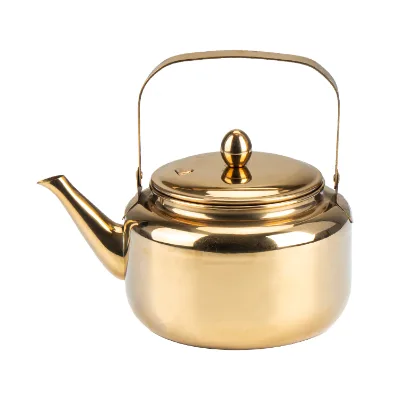
Kitchenware Stainless Steel Whistling Kettle Cookware Stainless Steel Kettle
$2.70 - $3.20
MOQ: 1200 Pieces

Houseware Stainless Steel Whistling Kettle Cookware Stainless Steel Kettle
$2.70 - $3.20
MOQ: 1200 Pieces


Hot Sales Promotional Tea Pot Stainless Steel Whistle Kettle with Whistling
$5.50 - $10.50
MOQ: 1000 Pieces


Comprehensive Sourcing Guide
Stainless Steel Whistling Kettle Sourcing Guide
Sourcing stainless steel whistling kettles requires a careful balance between traditional acoustic functionality and modern material safety standards. These appliances are designed primarily for boiling water, often featuring a whistle mechanism that signals when the water has reached a rolling boil. Buyers must navigate a market where product attributes vary significantly, from the type of handle material to the specific grade of stainless steel used in the body. The core appeal of these kettles lies in their durability and the audible feedback they provide, which is particularly valued in commercial settings like canteens or high-volume households where visual monitoring is not always feasible.
The procurement process involves verifying a wide range of specifications, including capacity, finish, and certification compliance. Observed listings indicate a diverse product range with capacities extending beyond two liters, catering to both individual and bulk usage needs. Buyers should focus on distinguishing between generic OEM offerings and branded products, as this distinction often correlates with differences in quality control, packaging, and after-sales support. Understanding these nuances is critical for selecting suppliers who can meet specific volume requirements and regulatory standards for target markets.
Product Scope and Observed Listing Signals
The current market landscape for stainless steel whistling kettles presents a broad spectrum of options, with observed price points ranging from approximately $2.10 to $14.20 USD. This wide variance suggests significant differences in material quality, manufacturing complexity, and brand positioning. Buyers should interpret these price signals as indicators of the underlying product tier, where lower prices may correspond to thinner gauge steel or simpler finishes, while higher prices often reflect enhanced durability, superior polishing, and more robust handle constructions. It is essential to correlate price with specific technical attributes rather than assuming uniform quality across the entire range.
Minimum Order Quantities (MOQs) observed in the market range from 20 to 1,200 sets, reflecting the flexibility of suppliers to accommodate both small trial orders and large-scale procurement contracts. Some suppliers accept small orders to facilitate testing, while others require higher volumes to justify production runs. Additionally, container loading capacities vary, with some models fitting up to 5,200 sets in a 40HQ container, while others fit fewer units due to larger packaging or product dimensions. Buyers must align their order volume with supplier MOQs and logistics efficiency to optimize shipping costs and inventory turnover.
Technical Specifications to Verify
Material composition is a primary technical consideration, with listings indicating the use of stainless steel, including specific grades such as 201ss. Buyers must verify the exact grade of stainless steel used, as 201ss differs from the more common 304 or 316 grades in terms of corrosion resistance and nickel content. The body finish is often described as high polished or glazed, which affects both aesthetics and ease of cleaning. It is crucial to confirm whether the interior and exterior finishes are consistent, as mismatched finishes can indicate lower manufacturing standards or potential hygiene issues in hard-to-reach areas.
Handle design and functionality are critical for user safety and convenience. Observed attributes include non-slip arc handles and bakelite handles, each offering distinct advantages in heat resistance and grip. The presence of a whistle function is a standard feature, but the mechanism’s reliability and volume should be verified. Additionally, the bottom construction, whether single bottom or capsule bottom, impacts heating efficiency and durability on various stovetops. Buyers should request detailed specifications for these components to ensure they meet the operational demands of the end-user environment.
Compliance and Safety Documentation
Certification requirements are paramount for importing stainless steel whistling kettles, particularly for markets in Europe and North America. Common certifications observed include FDA, LFGB, CE/EU, and EEC, which attest to the material’s safety and compliance with regional regulations. Buyers must ensure that the supplier can provide valid and up-to-date certification documents for each model, as these are often required for customs clearance and retail compliance. It is important to verify that the certifications cover the specific materials used, such as the stainless steel body and any plastic or bakelite components in the handle.
Packaging and labeling standards also play a role in compliance and product protection. Listings indicate packaging options such as color boxes and master cartons, which must be designed to protect the product during transit while meeting labeling requirements for the destination market. Buyers should verify that the packaging includes all necessary information, including product dimensions, weight, material composition, and safety warnings. Proper packaging not only reduces damage rates but also enhances the product’s presentation in retail environments, contributing to overall customer satisfaction.
Cost Drivers and Commercial Terms
Several factors influence the final cost of stainless steel whistling kettles, including material costs, manufacturing processes, and customization options. The use of specific stainless steel grades, such as 201ss versus higher-grade alternatives, directly impacts material expenses. Additionally, finishes like high polishing or glazing add to the production cost. Customization availability allows buyers to tailor products to their brand, but this may incur additional setup fees or higher unit prices. Buyers should assess the total cost of ownership, including potential savings from bulk ordering and optimized packaging.
Commercial terms such as lead time and payment conditions are critical for supply chain planning. Lead times are often listed as "to be negotiated," indicating that they can vary based on order volume, customization requirements, and supplier capacity. Buyers should establish clear lead time expectations in their contracts to avoid delays. Payment terms and small order acceptance policies also affect cash flow and risk management. Understanding these commercial dynamics helps buyers negotiate favorable terms and maintain a stable supply chain.
Supplier Qualification and Quality Control
Supplier qualification involves assessing the manufacturer’s capability to produce consistent, high-quality products. Buyers should verify the supplier’s production capacity, quality control processes, and experience in exporting to target markets. The origin of the products, often listed as Jiangmen, China, provides insight into the regional manufacturing ecosystem, which is known for its expertise in kitchenware production. Buyers should request samples to evaluate the build quality, finish, and functionality of the whistling mechanism before committing to large orders.
Quality control measures should include inspections for material defects, finish consistency, and functional performance. Buyers should establish clear acceptance criteria for product quality, including tolerances for dimensions and weight. Regular quality audits and third-party inspections can help ensure that the supplier maintains consistent standards throughout the production process. Additionally, buyers should verify the supplier’s ability to handle defects and returns, ensuring that any quality issues are resolved promptly and fairly.
Long-Term Procurement Checks
Long-term procurement success depends on continuous monitoring of supplier performance and market trends. Buyers should track key performance indicators such as on-time delivery rates, defect rates, and responsiveness to issues. Regular communication with suppliers helps maintain a strong partnership and allows for proactive problem-solving. Additionally, staying informed about changes in certification requirements and material standards ensures that the products remain compliant and competitive in the market.
Product innovation and customization opportunities should be explored to maintain a competitive edge. Buyers should work with suppliers to develop new features or designs that meet evolving consumer preferences, such as improved whistle mechanisms or enhanced handle ergonomics. Continuous improvement initiatives, driven by feedback from end-users and market analysis, help ensure that the product line remains relevant and attractive. By focusing on long-term relationships and strategic development, buyers can secure a reliable supply of high-quality stainless steel whistling kettles.
FAQs
What certifications do these stainless steel whistling kettles have?
These kettles hold FDA, LFGB, CIQ, CE/EU, and EEC certifications. This ensures they meet international safety and quality standards for food contact materials, making them suitable for export to regulated markets like the EU and North America.
Can I customize the Stainless Steel Whistling Kettle design?
Yes, customization is available for these stainless steel whistling kettles. Buyers can request specific modifications to the handle, color, or packaging to align with their brand requirements while maintaining the core stainless steel construction and boiling water whistle function.
What is the minimum order quantity for these kettles?
The minimum order quantity ranges from 20 to 1200 sets depending on the specific model and customization needs. Some standard models like WF6-K090 may require 1200 sets, while smaller orders are accepted for other configurations to accommodate different buyer volumes.
Which capacity options are available for the Stainless Steel Whistling Kettle?
Available capacities include 1.5L, 2.0L, 2.5L, 2.7L, 3.0L, and sizes exceeding 4.6L. Specific models like WF-K057 offer 2.5L capacity, while others like WF-K135 provide 2.5L or 3.0L options to suit various household or canteen usage requirements.
How are these kettles packed for shipping?
The kettles are packed in color boxes and master cartons, or simply in cartons depending on the model. This packaging ensures protection during transit and allows for efficient loading, with capacities reaching up to 5200 sets per 40-foot high cube container.
Where are these stainless steel whistling kettles manufactured?
These kettles are manufactured in Jiangmen, China, with some origins listed generally as China. The production facilities utilize stainless steel materials and apply high polished exterior finishes to ensure durability and aesthetic appeal for the final product.
What lead time should I expect for these kettles?
The lead time is to be negotiated based on order volume and customization requirements. Buyers should discuss specific timelines with suppliers to align production schedules with their delivery needs, as standard lead times vary by manufacturer capacity and current order backlog.