Source Stainless Steel Welding Rod for Structural, Tool, and Die Applications
Find and compare 30 Stainless Steel Welding Rod options for structural, tool, and die steel applications. Review grades like 304 and 316L, surface treatments, and packaging details to select the right filler metal for your manufacturing needs.
Key considerations
Products List


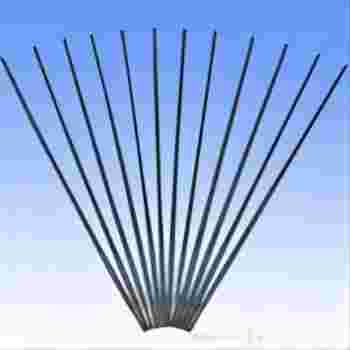


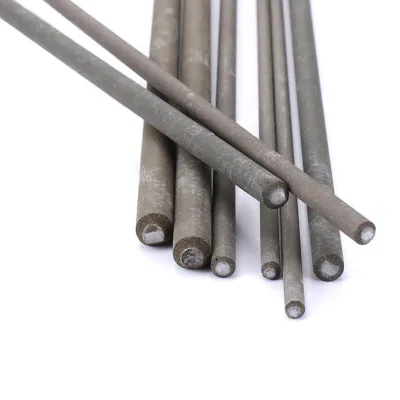


$0.50 - $2.00
MOQ: 10 Pieces


Comprehensive Sourcing Guide
Stainless Steel Welding Rod Sourcing Guide
Sourcing stainless steel welding rods requires a disciplined approach to material verification, as the performance of the final weld is directly tied to the chemical composition and mechanical properties of the filler metal. Buyers must navigate a complex landscape of international standards, including AISI, ASTM, DIN, EN, GB, JIS, and others, to ensure compatibility with base metals and service conditions. The market offers a wide variety of grades, such as the 300 Series (including 304, 316, and 321) and specific welding consumables like ER308L, E309L-16, and ER309LSI, each designed for distinct metallurgical requirements. Understanding these distinctions is critical for preventing issues such as cracking, corrosion, or loss of mechanical strength in the welded joint.
Beyond the technical specifications, commercial and logistical factors play a significant role in the total cost of ownership. Suppliers often originate from major manufacturing hubs like Tianjin, China, and offer flexible packaging solutions ranging from standard seaworthy export packages to custom palletized arrangements. Payment terms typically include T/T, L/C, and D/P, while price terms may vary between EXW, FOB, CFR, and CIF. Buyers need to establish clear communication regarding minimum order quantities, which can range from small sample orders to bulk requirements of 500kg or more, to align procurement cycles with production schedules and budget constraints.
Product Scope and Observed Listing Signals
The observed market signals indicate a broad spectrum of product availability, with listings covering various forms such as round bars, welding rods, and rolling wires. Prices observed in the market range significantly, from as low as $0.41 to over $100,000, reflecting differences in grade, quantity, and packaging. Minimum order quantities (MOQ) also vary widely, starting from single units for samples up to 5,000 units for bulk industrial orders. This variance suggests that buyers can access both niche, high-value specialized consumables and commodity-grade materials, depending on their specific project scale and urgency.
Product attributes frequently highlighted include customization options, surface treatments like black, peeled, polished, bright, or sandblasted finishes, and specific diameters ranging from 4mm to 800mm. Lengths are commonly standardized at 1m, 2m, 3m, 5.8m, or 6m, though random lengths are also available. The presence of certifications such as SGS, BV, CE, ISO, and CCS indicates that many suppliers adhere to recognized quality management systems. However, buyers should treat these signals as starting points for verification rather than guarantees, ensuring that the specific lot delivered matches the certified specifications.
Technical Specifications to Verify
Verifying the exact grade and model of the welding rod is the most critical technical step in the sourcing process. Common models observed include ER308L, E309L-16, and ER309LSI, which correspond to specific stainless steel compositions suitable for joining different base metals. For instance, ER308L is typically used for 304 stainless steel, while E309L-16 is designed for dissimilar metal welding or welding 304 to carbon steel. Buyers must confirm that the product model matches the engineering requirements, as using an incorrect filler metal can lead to intergranular corrosion or reduced tensile strength in the weld zone.
In addition to the chemical grade, physical dimensions and surface quality must be validated against the purchase order. Specifications often list diameters from 0.8mm to 3.2mm for welding rods, with thicknesses for bars extending up to 500mm. Surface treatments such as polishing or bright finishing are important for ensuring consistent arc stability and weld bead appearance. Buyers should also verify whether the rods contain flux or are slag-free, as this affects the welding process and post-weld cleaning requirements. Confirming these details prevents production delays caused by incompatible consumables.
Compliance and Safety Documentation
Compliance with international standards is non-negotiable for structural and industrial applications. Suppliers often cite adherence to standards such as ASTM, JIS, EN, GB, and DIN, which define the chemical and mechanical properties of the welding consumables. Certifications like ISO 9001, CE, and CCS provide evidence of a supplier’s quality management system, but buyers must request specific mill test certificates (MTC) for each batch. These documents should detail the actual chemical analysis and mechanical test results, ensuring they align with the claimed standard and grade.
Safety documentation is equally important, particularly regarding environmental and occupational health regulations. Certifications such as RoHS may be relevant for products used in electronics or consumer goods where hazardous substances are restricted. Buyers should also verify that the packaging and labeling comply with international shipping regulations, especially for hazardous materials if applicable. Ensuring that all documentation is complete and accurate before shipment helps avoid customs delays and ensures that the materials can be used in regulated industries without legal or safety risks.
Cost Drivers and Commercial Terms
The cost of stainless steel welding rods is influenced by several factors, including the raw material price of nickel and chromium, which are key alloying elements in stainless steel. The grade of the rod, such as 304 versus 316L, significantly impacts the price due to differences in alloy content. Additionally, surface treatments and packaging requirements can add to the cost. Buyers should request detailed quotations that break down the material cost, processing fees, and packaging charges to understand the true cost drivers and identify potential areas for negotiation.
Commercial terms such as EXW, FOB, CFR, and CIF determine who bears the risk and cost of transportation. Payment terms like T/T, L/C, and D/P offer different levels of security for both buyers and suppliers. Buyers should negotiate terms that align with their cash flow and risk tolerance. For example, using a Letter of Credit (L/C) can provide security for large orders, while Telegraphic Transfer (T/T) may be suitable for smaller, repeat purchases. Clear agreement on these terms prevents disputes and ensures smooth transaction processing.
Supplier Qualification and Quality Control
Qualifying a supplier involves more than just reviewing their certifications; it requires assessing their manufacturing capabilities and quality control processes. Buyers should verify the supplier’s production capacity, lead times, and ability to handle custom orders. Visiting the factory or conducting third-party audits can provide insights into their quality management systems and production standards. Suppliers who offer samples allow buyers to test the welding rods in their own welding processes, providing a practical assessment of performance before committing to a large order.
Quality control should be integrated into the procurement process through pre-shipment inspections and random sampling. Buyers should define clear acceptance criteria for visual defects, dimensional tolerances, and chemical composition. Establishing a relationship with a reliable third-party inspection agency can help ensure that the delivered goods meet the specified requirements. Regular feedback and performance reviews of suppliers can also help maintain high standards and identify areas for improvement in the supply chain.
Long-Term Procurement Checks
Long-term procurement success depends on continuous monitoring of supplier performance and market trends. Buyers should track key performance indicators such as on-time delivery, defect rates, and responsiveness to issues. Regular audits and reviews of supplier quality systems help ensure that they maintain their standards over time. Additionally, staying informed about changes in international standards and regulations allows buyers to adapt their sourcing strategies and avoid compliance risks.
Building a diversified supplier base can mitigate risks associated with single-source dependencies. Engaging with multiple suppliers for different grades or volumes provides flexibility and bargaining power. Buyers should also consider the total cost of ownership, including logistics, storage, and handling costs, when evaluating suppliers. By maintaining a strategic approach to supplier management and quality control, buyers can ensure a steady supply of high-quality stainless steel welding rods that support their production goals and product integrity.
FAQs
What certifications are available for stainless steel welding rods?
Available certifications include JIS, AISI, ASTM, GB, EN, DIN, ISO, IBR, and RoHS. These standards ensure the product meets international quality requirements for various industrial applications and regulatory compliance needs.
Which stainless steel grades are offered for welding rods?
The product line includes grades such as 201, 304, 304L, 309S, 310S, 316, 316L, 321, 347, and 410. These models cover a wide range of corrosion resistance and temperature tolerance requirements for different welding tasks.
Can I request custom packaging for my order?
Customization is available for packaging requirements. Standard options include seaworthy export packages, cartons, pallets, or specific configurations like 5kg boxes and 20kg cartons to suit your logistical needs.
What is the minimum order quantity for these rods?
The minimum order quantity is typically 500kg. However, specific product models may have different thresholds, so verifying the exact MOQ for your selected grade is necessary before placing an order.
How are the welding rods packaged for export?
Products are shipped in standard seaworthy export packages or as required by the buyer. Options include pallets, cartons, and boxes with weights ranging from 1kg to 20kg depending on the specific model.
What surface treatments are available for the rods?
Surface treatments include black, peeled, polishing, bright, and sand blast finishes. These options allow you to select the appropriate surface condition based on your specific welding process and application requirements.
Where are these stainless steel welding rods manufactured?
The products originate from China, specifically Tianjin. This location serves as the primary production hub for the various grades and specifications listed in the product catalog.