Source IP67 Railway Female Socket for Train, Rail, and Transit
Find and compare 30 IP67 Railway Female Socket options for industrial power supply applications. Evaluate specifications including IP67 ratings, 380V/415V voltage, and materials like PP+Brass or Nylon+Brass to identify suitable components for railway and transit systems.
Key considerations
Products List


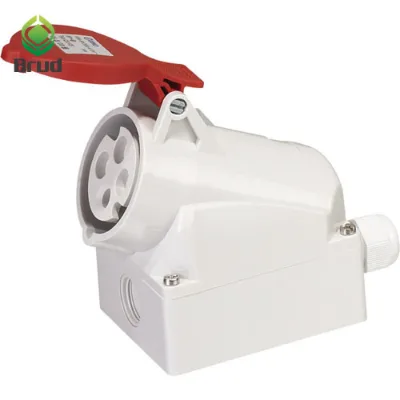
63 AMP 5pin Male and Female Industrial Plug and Socket IP67 Industrial Connector 380V
$16.10 - $16.20
MOQ: 500 Pieces


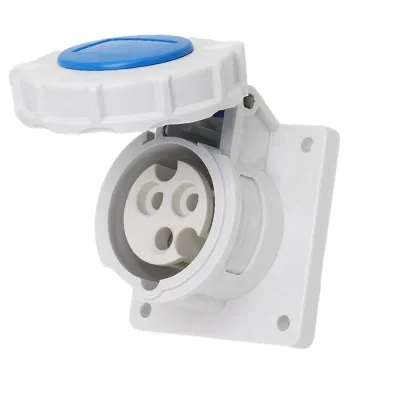
7/8 Solder Type Male Female Panel Mount Connector IP67 Waterproof Socket
$11.50 - $15.50
MOQ: 1 Pieces




Comprehensive Sourcing Guide
IP67 Railway Female Socket Sourcing Guide
Procuring industrial-grade connectors for railway applications requires a rigorous approach to technical verification and supplier qualification. The term "IP67 Railway Female Socket" often appears in broad industrial catalogs, yet the specific environmental and safety demands of rail transport differ significantly from general industrial use. Buyers must distinguish between standard industrial waterproof plugs and components engineered for the vibration, temperature extremes, and electromagnetic interference typical of rolling stock. This guide provides a structured framework for evaluating listings, verifying technical compliance, and managing commercial risks associated with these critical electrical components.
The following sections outline the essential steps for sourcing these components effectively. By focusing on observed market signals, precise technical specifications, and robust quality control measures, procurement teams can mitigate the risk of selecting inappropriate hardware. The guidance herein is derived from current market observations and established industry standards, ensuring that decisions are based on verifiable data rather than marketing claims. This disciplined approach is vital for maintaining the integrity and safety of railway electrical systems.
Product Scope and Observed Listing Signals
Market listings for IP67 female sockets frequently display a wide range of models, from general-purpose industrial plugs to specialized railway-grade connectors. Observed product attributes indicate a prevalence of models such as SIN2132, SIN1128, and HE series variants, which often feature 3P+E+N or 2P+E configurations. These listings typically highlight high ingress protection ratings, such as IP67, alongside materials like PP+Brass, Nylon+Brass, or Stainless Steel. Buyers should note that while many products claim IP67 ratings, the specific application context—whether for stationary industrial power or dynamic railway environments—must be carefully evaluated against the listed specifications.
Commercial signals in the current market suggest a price range of $0.04 to $18.80 USD, with minimum order quantities (MOQs) varying from 1 to 3,000 units. This disparity often reflects differences in material quality, current ratings, and certification levels. For instance, listings for 16A or 63A connectors may carry different price points and MOQs depending on the complexity of the locking mechanism and the durability of the housing. Procurement teams should treat these price and quantity ranges as observational data points rather than fixed benchmarks, recognizing that railway-specific components often command a premium due to stricter manufacturing tolerances and testing requirements.
Technical Specifications to Verify
Verifying the electrical and mechanical specifications of IP67 female sockets is critical for ensuring compatibility and safety in railway applications. Key parameters to confirm include the voltage rating, which often appears as 380V/415V for industrial variants, and the current rating, commonly found at 16A or 63A. The pole format is another essential detail, with options such as 2P+E, 3P+N+E, or 3P+E+N being prevalent. Buyers must ensure that the selected socket matches the pin configuration of the corresponding male plug and the power distribution system of the railway vehicle or infrastructure.
Environmental sealing and material composition are equally important technical considerations. The IP67 rating implies protection against temporary immersion in water, which is beneficial for outdoor or wet environments. However, railway applications also demand resistance to dust, vibration, and extreme temperatures. Materials such as Nylon and Brass are commonly cited for their balance of strength and conductivity, while Stainless Steel may be specified for enhanced corrosion resistance. Additionally, features like flame retardancy and waterproofing should be verified through product datasheets, as these attributes are crucial for preventing electrical faults in harsh operating conditions.
Compliance and Safety Documentation
Compliance with relevant standards is non-negotiable for railway components, where safety and reliability are paramount. While some industrial listings reference European Standards, IEC393-2, or general certifications like CE, railway applications often require adherence to more specific norms such as EN 45545-2 for fire protection on rail vehicles or EN 61373 for earthquake and vibration resistance. Buyers must verify that the supplier can provide valid certification documents for the specific model being purchased, as generic CE marks may not suffice for rail-specific procurement requirements.
Documentation should also include detailed test reports and material safety data sheets. These documents help confirm that the components meet the required ingress protection levels and electrical performance criteria. Procurement teams should request evidence of compliance with international standards such as GB, DIN, ANSI, BSW, or JIS, depending on the regional regulations of the railway project. Ensuring that the supplier maintains a robust quality management system and can provide traceability for materials and manufacturing processes is essential for mitigating liability and ensuring long-term operational safety.
Cost Drivers and Commercial Terms
Understanding the factors that influence the cost of IP67 female sockets helps buyers negotiate better terms and avoid unexpected expenses. Key cost drivers include the material composition, such as the use of high-grade brass contacts or durable polymer housings, and the complexity of the locking and sealing mechanisms. Higher current ratings and additional features like integrated switches or specialized grounding configurations can also increase the unit price. Buyers should analyze the total cost of ownership, considering not just the initial purchase price but also the potential costs of maintenance, replacement, and system downtime.
Commercial terms, including payment conditions and lead times, play a significant role in the procurement process. Typical payment structures may involve a deposit in advance with the balance due before shipping, which is common in international trade. Buyers should clarify these terms early in the negotiation process to ensure alignment with their financial policies. Additionally, lead times can vary based on order volume and customization requirements, so it is important to establish clear delivery schedules and penalties for delays to maintain project timelines.
Supplier Qualification and Quality Control
Selecting a qualified supplier is crucial for obtaining reliable IP67 female sockets that meet railway standards. Buyers should assess the supplier’s manufacturing capabilities, including their production capacity, quality control processes, and experience in the railway or industrial connector sector. Verification of the supplier’s certifications, such as ISO 9001 for quality management, can provide confidence in their ability to consistently produce high-quality components. Additionally, suppliers who offer customization services may be better equipped to meet specific project requirements, but this should be balanced with their ability to maintain strict quality standards.
Quality control measures should be integrated into the procurement process to ensure that delivered products meet the specified requirements. This may include pre-shipment inspections, sample testing, and third-party verification of critical attributes such as IP rating and electrical performance. Buyers should also establish clear communication channels with the supplier to address any issues promptly and to facilitate continuous improvement. Building a strong relationship with a reliable supplier can lead to better pricing, improved service, and greater confidence in the long-term availability of components.
Long-Term Procurement Checks
Long-term procurement success depends on regular reviews of supplier performance and product reliability. Buyers should monitor key performance indicators such as delivery times, defect rates, and responsiveness to issues. Regular audits of the supplier’s quality management system can help identify potential risks and ensure ongoing compliance with standards. Additionally, staying informed about changes in industry regulations and technological advancements can help buyers adapt their procurement strategies to meet evolving requirements.
Maintaining a diverse supplier base can also mitigate risks associated with supply chain disruptions. By qualifying multiple suppliers for critical components like IP67 female sockets, buyers can ensure continuity of supply and competitive pricing. It is also important to review warranty terms and after-sales support options, as these factors can significantly impact the total cost of ownership. By implementing a proactive approach to supplier management and quality assurance, procurement teams can ensure the reliable and cost-effective sourcing of railway-grade electrical components.
FAQs
What certifications do these industrial sockets have?
These industrial waterproof plugs and sockets carry CE certification. This ensures compliance with European safety standards for electrical equipment used in industrial power supply applications.
Which IP ratings are available for these sockets?
Available IP ratings include IP67 and IP44 for specific models. Some variants are also listed without a switch, offering flexibility for different environmental protection needs in industrial settings.
Can I customize the socket specifications for my project?
Customization is available for many of these industrial socket products. Buyers can request specific configurations, though some items are also offered in non-customized standard formats depending on the model.
What materials are used to construct these sockets?
These sockets are constructed from durable materials like PP, Brass, Nylon, and Stainless Steel. The combination ensures high quality, flame retardancy, and resistance to dust and water ingress.
What is the standard voltage rating for these products?
The standard voltage rating for these industrial sockets is 380V or 415V. This makes them suitable for heavy-duty AC power supply applications in various industrial environments.
How are these products packaged for shipping?
Packaging options include cartons, corrugated paper boxes, and combinations of boxes with plywood. The specific packing method depends on the product model and order requirements.
What payment conditions apply to these orders?
Standard payment conditions require a 30% deposit in advance with the 70% balance due before shipping. This ensures secure transactions for both buyers and suppliers during the procurement process.