Source Standing Type Wooden Coat Rack for Living Room, Hotel, Office
Explore 30 Standing Type Wooden Coat Rack options from verified suppliers. Buyers can compare features like material, color, and customization to find the right solution for living rooms, hotels, and offices.
Key considerations
Products List


Solid Wood Hanger Multi-Functional Large Storage Space Coat and Hat Rack
$33.00 - $35.00
MOQ: 100 Pieces

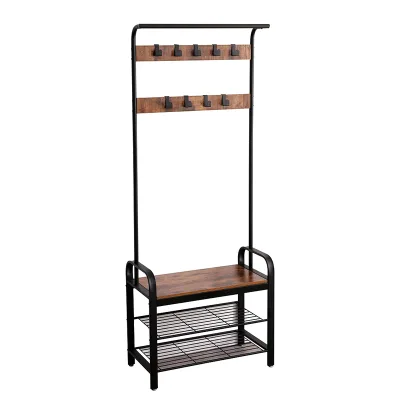


Multi-Functional Floor Coat Rack with Shoe Storage Solid Wood Furniture
$58.00 - $110.00
MOQ: 1 Square Meters


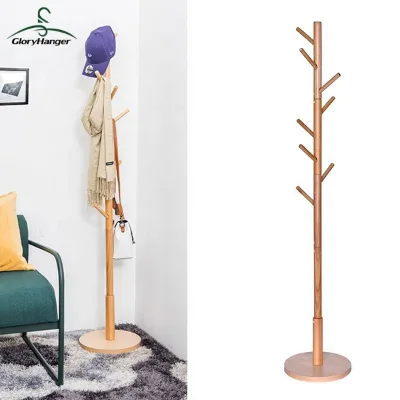

Coat Racks Clothing Stand Coat Rack Vintage Iron Pipe Store Clothing Store Shelf
$45.50 - $49.60
MOQ: 10 Pieces


Comprehensive Sourcing Guide
Strategic Sourcing Guide for Standing Type Wooden Coat Racks
Understanding Product Specifications and Material Composition
When sourcing standing type wooden coat racks, the primary objective is to align the physical attributes of the product with the intended environment and functional requirements. The market presents a diverse array of configurations, ranging from simple columnar structures to complex multi-functional units. A critical observation in the current supply landscape is the variation in material composition. While the core keyword specifies "wooden," the actual product data reveals a mix of materials including metal, plastic, and wood. Buyers must verify that the specific unit selected matches the "Wooden" material specification if that is a strict requirement for the project.
The structural design of these racks is equally varied. Some units are defined by a "Column" shape, offering a sleek, vertical profile suitable for narrow spaces like hallways or modern living rooms. Others adopt a "Tree" shape, which provides a more organic aesthetic and potentially greater surface area for hanging items. The "Triangular Wood Double Layer" model represents a specific geometric approach, maximizing vertical space while maintaining a compact footprint. In contrast, the "HBE-DS" model and the "garment rack090801" suggest distinct engineering approaches, potentially focusing on industrial durability or specific hook configurations.
Dimensions are a vital specification that varies significantly across the supply base. The data indicates standard specifications such as 3333160cm, 9045139cm, and 3535178.5cm. These measurements dictate the spatial requirements for installation. A buyer must ensure that the selected rack fits the designated floor area without obstructing traffic flow. The "Inside" component often consists of a "Metal Stand Rack," which provides the necessary structural integrity for a standing unit, even if the exterior finish is wooden. This hybrid construction is common in high-traffic environments where durability is paramount.
The finish and surface treatment also play a crucial role in the product's longevity and aesthetic appeal. "Powder Coating" is a documented surface finish, offering a durable, scratch-resistant layer that protects the underlying material. For wooden units, the color palette ranges from "Natural" tones to "Brown" and "Silver" finishes. The availability of "Custom Colors" is a significant feature, allowing procurement teams to match the coat rack to existing interior design schemes. However, buyers should verify if the "Natural" wood finish is a standard offering or if it requires a specific order, as this can impact lead times and unit costs.
Functional Versatility and Application Scenarios
The utility of a Standing Type Wooden Coat Rack extends far beyond simple garment storage. The product data highlights a broad spectrum of usage scenarios, indicating that these units are designed for high-traffic commercial and residential environments. The "Usage" attributes list Living Room, Bedding Room, Hotel, Shop, Office, Storage, Dining Room, Display, and Decoration. This versatility suggests that the product is not limited to a single industry but serves as a flexible furniture solution across multiple sectors.
In residential settings, such as living rooms and bedrooms, the "Fashion" and "Modern" styles are particularly relevant. These units often serve as decorative elements that complement the room's aesthetic while providing practical storage. The "Folded" feature is a notable attribute for home users, allowing the rack to be collapsed for storage during events or when space is at a premium. This functionality is essential for buyers looking for space-saving solutions in smaller apartments or multi-purpose rooms.
For commercial applications, the requirements shift towards durability and capacity. Hotels and offices often require racks that can withstand constant use. The "Multi-Function" attribute is highly valued in these contexts, as it allows the rack to serve multiple purposes, such as holding coats, bags, and accessories simultaneously. The "Hooks" specification, which ranges from 4 to 12 hooks, is a critical metric for capacity planning. A hotel lobby might require a unit with 12 hooks to handle guest traffic, whereas a boutique shop might prefer a unit with fewer hooks to maintain a curated, less cluttered look.
The "Display" and "Decoration" usage categories indicate that these racks are often used in retail environments to showcase merchandise. The "Tree" shape and "Column" shape can be utilized to create visual interest and guide customer flow. In a shop setting, the "Silver" or "Brown" finishes can be chosen to match the store's branding. The "Export Carton" and "Standard Packaging Carton" options ensure that the products arrive in good condition, ready for immediate display or installation.
Compliance, Standards, and Certification Verification
Navigating the compliance landscape for standing type wooden coat racks requires a careful review of the standards and certifications associated with the supply chain. The provided data lists "CE" as a specific product standard, which is a mandatory conformity mark for products sold within the European Economic Area. This indicates that the product meets health, safety, and environmental protection requirements. Buyers targeting European markets must verify that the specific model they intend to purchase carries this certification.
However, the data also lists "Standard Specifications Or Customized" as a standard, which is a broad category rather than a specific regulatory compliance mark. This suggests that some manufacturers may produce to generic industry standards rather than specific international certifications. Buyers should be cautious when relying on generic "Standard" labels and should request detailed documentation regarding the specific standards met by the product. For instance, if the product is intended for use in a school or a public building, additional fire safety or structural integrity certifications might be required, which are not explicitly mentioned in the general product data.
The "FSC" (Forest Stewardship Council) certification appears in the background information as a low-confidence fact. While this is a highly desirable certification for wooden products, indicating that the wood comes from responsibly managed forests, it should not be assumed to be present on all listed products. Buyers must explicitly request FSC certification documentation from the supplier if sustainable sourcing is a priority. Relying on the presence of this certification without verification could lead to compliance issues, especially if the buyer's organization has strict sustainability mandates.
Additionally, the "ISO 27001" standard is mentioned in the background, but this is an information security management standard, not a product safety or material standard. It is unlikely to be directly relevant to the physical attributes of a coat rack unless the supplier is also handling sensitive data related to the procurement process. Buyers should not expect this certification to validate the quality or safety of the wooden coat rack itself. Instead, focus should be placed on product-specific standards like CE and any relevant national safety standards for furniture in the target market.
Cost Drivers and Pricing Dynamics
The pricing of standing type wooden coat racks is influenced by a complex interplay of factors, including material costs, customization levels, and production volume. The observed price range in the market spans from $1.5 to $110 USD, a significant variance that reflects the diversity of the product offerings. The lower end of this spectrum likely corresponds to basic models made from simpler materials or with fewer features, such as the "Wooden Beads" model or basic "Column" units. The higher end of the range is likely associated with premium materials, complex designs like the "Triangular Wood Double Layer," or units with extensive customization options.
Material composition is a primary cost driver. Wooden units generally command a higher price than plastic or metal alternatives due to the cost of raw timber and the labor-intensive nature of woodworking. The "Natural" wood finish and "Powder Coating" processes add to the production cost, as they require additional steps and quality control measures. The presence of a "Metal Stand Rack" inside a wooden unit also increases the material cost, as it involves sourcing and assembling two different materials.
Customization is another significant factor affecting price. The data indicates that "Customization" is available, and "Whether Custom Colors Are Supported" is listed as "Yes." Custom orders typically incur higher costs due to the setup of new production lines, the use of specialized materials, and the longer lead times required for bespoke manufacturing. The "Standard Shipping Packaging or Customized" option also plays a role; custom packaging solutions are more expensive than standard export cartons.
Order volume, represented by the Minimum Order Quantity (MOQ), is a critical determinant of unit cost. The observed MOQ range is from 1 to 10,000 units. Buyers ordering small quantities, such as a single unit for a home office, will likely pay the full retail price. Conversely, bulk buyers ordering thousands of units can negotiate significantly lower per-unit costs. The "Export Carton" and "Packing: 1PC/Carton" specifications suggest that packaging efficiency can also impact the overall cost, as optimized packaging reduces shipping expenses.
Supplier Evaluation and Sourcing Strategy
Evaluating suppliers for standing type wooden coat racks requires a multi-faceted approach that considers origin, production capabilities, and reliability. The product data identifies "Jiangsu" and "Yongkang, China" as key production origins. These regions are known for their manufacturing clusters, but buyers should verify the specific factory's capabilities and reputation. A supplier based in Jiangsu might specialize in metal and wood hybrid products, while a supplier in Yongkang might focus on hardware and standard specifications.
The "Condition" of the product is listed as "New," which is a baseline expectation. However, buyers should also assess the supplier's ability to maintain consistent quality over time. The "Standard Specifications Or Customized" attribute suggests that some suppliers offer flexibility, but this can also indicate a lack of standardization. Buyers should request samples to verify that the "Powder Coating" and "Wooden" finishes meet their quality expectations before placing a large order.
Supplier reliability is further assessed through their packaging and shipping practices. The "Export Carton" and "Standard Packaging Carton + Line Chart" options indicate that suppliers are aware of international shipping requirements. A supplier that provides a "Line Chart" with their packaging suggests a commitment to clear instructions and quality assurance, which is beneficial for buyers who need to manage installation or assembly.
When evaluating suppliers, buyers should also consider the "Installation" method. The "Floor Mounted" attribute indicates that the product is designed for stability, but buyers should verify if the supplier provides the necessary hardware and instructions for installation. A supplier that offers comprehensive installation support can reduce the risk of damage during setup and ensure the product performs as intended.
Quality Control and Long-Term Procurement Considerations
Ensuring the long-term success of a procurement strategy for standing type wooden coat racks involves rigorous quality control measures and a focus on durability. The "Folded" and "Multi-Function" features are prone to wear and tear, especially in high-traffic environments. Buyers should request test results or quality assurance reports that specifically address the durability of these moving parts. The "Hooks" specification, ranging from 4 to 12 hooks, should be tested for load-bearing capacity to ensure they do not bend or break under the weight of heavy coats or bags.
The "Surface Finished" attribute, specifically "Powder Coating," is a critical area for quality control. Buyers should verify that the coating is applied evenly and is resistant to chipping and scratching. In commercial settings, the rack may be subjected to frequent contact and cleaning, so the finish must be robust. The "Metal Stand Rack" inside the unit should also be inspected for structural integrity, ensuring it can support the weight of the rack and its contents without wobbling or collapsing.
Long-term procurement considerations include the availability of replacement parts and the supplier's ability to fulfill repeat orders. The "Customized" attribute suggests that some units may be unique, which could complicate future replacements. Buyers should ensure that the supplier can provide spare parts, such as hooks or replacement panels, to extend the lifespan of the product. Additionally, the "Standard Specifications Or Customized" nature of the product means that buyers should maintain clear documentation of the specifications for future reference.
Finally, buyers should consider the environmental impact of their procurement. While "FSC" certification is not guaranteed, buyers can request information on the sustainability of the wood source and the manufacturing process. Choosing suppliers who prioritize sustainable practices can enhance the brand image of the buyer's organization and align with corporate social responsibility goals. By focusing on these quality control and long-term considerations, buyers can ensure that their investment in standing type wooden coat racks delivers value and durability over time.
FAQs
What materials are used for standing type wooden coat racks?
Materials vary, including metal, plastic, and wood. Some units feature a metal stand rack inside a wooden exterior, while others are fully wooden or plastic. Buyers must verify the specific material composition matches their project requirements.
Can I find standing type wooden coat racks with CE certification?
Yes, CE certification is available for some models. This mark indicates conformity with European health, safety, and environmental protection standards. Buyers targeting European markets should verify that the specific unit carries this certification.
Which customization options are available for standing type wooden coat racks?
Customization is available for colors, packaging, and specifications. Suppliers support custom colors and offer standard or customized shipping packaging. Buyers should confirm if specific finishes or dimensions require a bespoke order.
How many hooks are typically included on standing type wooden coat racks?
The number of hooks ranges from 4 to 12 per unit. This capacity varies by model and is critical for planning storage needs in hotels or offices. Buyers should select a unit with the appropriate hook count for their traffic volume.
What is the price range for standing type wooden coat racks?
Prices range from 1.5 to 110 USD per unit. The cost depends on material, customization, and order volume. Lower prices often reflect basic models, while higher prices cover premium materials or complex designs.
Can standing type wooden coat racks be folded for storage?
Yes, some models feature a folded design for space saving. This attribute is useful for residential settings or multi-purpose rooms where space is limited. Buyers should check the specific model for this functionality.
Where are standing type wooden coat racks manufactured?
Products originate from locations such as Jiangsu and Yongkang, China. These regions host manufacturing clusters for furniture and hardware. Buyers should verify the specific factory location to ensure it meets their sourcing strategy.