Source Standing Type Coffee Mug Holder for Cafes, Stores, and Offices
Compare 30 Standing Type Coffee Mug Holder options from verified Chinese manufacturers. Buyers can evaluate metal and bamboo models with customizable sizes, packaging, and lead times for exhibition, retail, and home use applications.
Key considerations
Products List


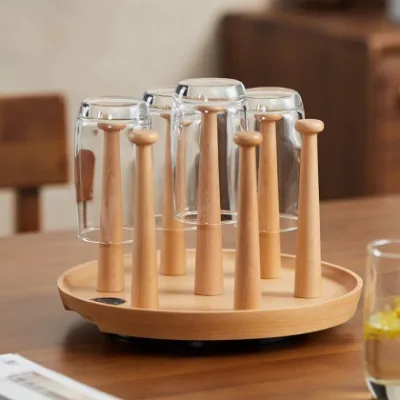

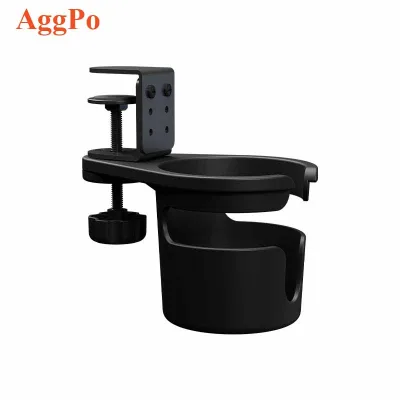


Kitchen Countertop Tree Hook Stand Cup Holders Metal Coffee Mug Holder for Decoration
$2.28 - $2.68
MOQ: 500 Pieces

Stainless Steel 6 Cup Mug Tree Stand Custom Metal Mug Drying Holder Rack
$2.98 - $3.98
MOQ: 500 Pieces


Paper Cup Holder 2 Coffee Paper Cup Holder Take Away Carrier Coffee Paper Cup Holder
$0.01 - $0.05
MOQ: 30000 Pieces


Comprehensive Sourcing Guide
Strategic Sourcing Guide for Standing Type Coffee Mug Holders
Understanding Product Specifications and Dimensions
When sourcing a Standing Type Coffee Mug Holder, the primary objective is to identify units that balance structural integrity with functional aesthetics. The market offers a diverse array of configurations, ranging from compact single-unit stands to larger display racks suitable for commercial environments. A critical observation in the current supply landscape is the variation in physical dimensions, which directly impacts storage efficiency and display capacity. Buyers must distinguish between products designed for residential use and those engineered for high-traffic retail or exhibition settings.
The technical specifications for these units often include precise dimensional data. For instance, specific models in the current market are defined by dimensions such as 18.3x13x33.5 cm or 415x210xH210 mm. These measurements are not merely descriptive; they dictate the footprint of the product and its compatibility with existing shelving or counter spaces. Another common specification involves the height, with some units reaching up to 235 mm or 328 mm, while others are designed to be more compact at 114 mm in depth. The "Large" size category is frequently observed, suggesting that many suppliers prioritize capacity over minimalism, though "Minimalist" styles are also available for modern interior designs.
The structural design is equally vital. Many standing holders feature a "Three" layer configuration, allowing for the organization of multiple cups or mugs simultaneously. This multi-tier approach maximizes vertical space, a crucial factor for both home kitchens and busy coffee shops. The shape is generally categorized as "Common," indicating a standard form factor that is widely accepted, though customization options for size and packaging are frequently available. Buyers should verify the exact footprint of the unit against their intended display area, as the difference between a 14x34 cm unit and a 425x114x328 mm unit is significant in terms of spatial requirements.
Material Composition and Durability Factors
The material selection for a standing coffee mug holder is a decisive factor in its longevity, aesthetic appeal, and suitability for specific environments. The supply chain currently features a mix of materials, with Metal and Bamboo being the most prominent options. Metal units are often associated with commercial durability, offering robust support for heavy ceramic or glass mugs. These are frequently utilized in settings like exhibition shows, specialty stores, and supermarkets, where the stand must withstand constant handling and high visibility. The "Metal" designation often implies a finish that resists corrosion and wear, essential for environments where the unit might be exposed to moisture or frequent cleaning.
Conversely, Bamboo offers a distinct aesthetic and environmental profile. A specific model in the market is noted for its "Minimalist" style and construction from Bamboo, weighing approximately 210g. This material choice appeals to buyers seeking eco-friendly solutions or those aiming for a warm, natural look in home settings. The weight of the unit is a critical specification; a 210g bamboo stand is lightweight and portable, whereas metal counterparts may be heavier to ensure stability. The "Suitable for" attribute often lists both "Home and Store," indicating that material choice must align with the intended dual-use potential or specific application.
Buyers must also consider the "Packaging" and "Packing" attributes relative to the material. Metal units are often shipped in "Export Carton" or "Standard Export Packing" to prevent damage during transit, while bamboo items might be "Shrink-Wrapped" to protect the natural finish. The "Single" packaging type suggests individual unit protection, which is standard for retail-ready products. When evaluating materials, the buyer should request samples to assess the finish quality, the sturdiness of the joints, and the resistance to common household chemicals or cleaning agents. The "Customization" attribute for size and packaging allows for material-specific adaptations, ensuring the final product meets the buyer's specific branding or functional needs.
Compliance, Certification, and Safety Standards
Navigating the regulatory landscape is essential for B2B procurement, particularly when importing goods for sale in international markets. Compliance ensures that the product meets safety requirements and can be legally sold in the target region. In the current market, specific models are listed with "CE / EU" certification, indicating adherence to European safety, health, and environmental protection standards. This certification is a strong indicator of quality control and is often a prerequisite for selling in the European Union. Buyers targeting these markets must verify that the specific model they intend to purchase carries valid certification documentation.
Beyond regional certifications, general product standards play a crucial role. Some units are defined by specific standard codes, such as "18.3X13X33.5HCM" or "400x240xH235mm," which serve as internal or industry benchmarks for dimensions and structural integrity. While these are not always formal safety certifications, they represent a commitment to consistent manufacturing tolerances. For products intended for food-related usage, such as holding coffee mugs, the material safety is paramount. Although specific food-grade certifications are not explicitly listed for all items in the provided data, the "Usage" category of "Tableware" implies a need for non-toxic, food-safe materials.
Buyers should also be aware of the "Antitheft" attribute. Most standing mug holders are categorized as "Not Antitheft," meaning they do not include built-in security features like locking mechanisms or anti-theft tags. This is typical for retail displays in controlled environments but may be a consideration for open-air markets. The "OEM/ODM Accepted" status suggests that suppliers are flexible regarding branding and customization, but this flexibility must be balanced with compliance requirements. Any custom branding or material changes must still adhere to the destination country's regulations. It is imperative to request proof of certification and material safety data sheets (MSDS) before placing a bulk order to mitigate liability risks.
Cost Drivers and Pricing Dynamics
Understanding the cost structure of standing coffee mug holders requires an analysis of several variables, including material, customization, and order volume. The observed price range in the market spans from $0.01 to $52 USD, a wide spectrum that reflects the diversity of product complexity and material quality. At the lower end of the spectrum, simple, mass-produced units made from standard materials with minimal customization likely fall into the sub-dollar range. These are often "Common" shape units with basic "Single" packaging, intended for high-volume, low-margin sales.
Conversely, the upper end of the price range, reaching up to $52, is typically associated with premium materials like high-grade metal or sustainably sourced bamboo, intricate designs, and significant customization. Factors such as "OEM/ODM Accepted" services, logo customization, and specific packaging requirements add to the unit cost. The "MOQ" (Minimum Order Quantity) also plays a pivotal role in pricing. The observed MOQ range is vast, from 1 to 50,000 units. A buyer ordering 100 pieces, as seen in some listings, may face a higher per-unit cost compared to a bulk order of 5,000 units, where economies of scale significantly reduce the price.
Lead times are another cost driver. The "Production Lead Time" for these items ranges from 25 to 50 days, depending on the complexity of the order and the supplier's capacity. Longer lead times may necessitate higher inventory holding costs or expedited shipping fees if the buyer requires urgent delivery. The "Sample Lead Time" of 7-14 days or 7-10 days adds a preliminary cost layer, as buyers must invest in samples before committing to large orders. Payment terms, such as "50% Deposit on Production," also affect cash flow and overall procurement costs. Buyers should calculate the total landed cost, including shipping, duties, and potential currency fluctuations, rather than focusing solely on the unit price.
Typical Applications and Usage Scenarios
The versatility of standing type coffee mug holders allows them to serve a wide range of applications, from domestic use to large-scale commercial displays. The "Usage" attributes highlight several key sectors. In the "Home" setting, these stands function as organizational tools, keeping kitchen counters tidy and providing easy access to daily coffee mugs. The "Minimalist" style and "Bamboo" material are particularly suited for residential environments where aesthetics and natural textures are valued. The "Single" packaging and compact dimensions make them ideal for individual household purchase or small gift sets.
In the commercial sector, the utility expands significantly. The "Exhibition Show," "Speciality Stores," and "Supermarkets and Stores" are primary application areas. Here, the "Three" layer design and "Large" size are advantageous for maximizing display capacity and attracting customer attention. These units often serve as promotional displays for coffee brands or as functional storage in retail environments. The "Metal" material is preferred in these settings due to its durability and ability to support heavy loads in high-traffic areas. The "Display Place" is specified as "Indoor," confirming their suitability for controlled retail environments, exhibition halls, and office pantries.
For businesses offering "Ornaments" or "Tableware," the mug holder acts as both a functional item and a display piece. The "Customized" logo option allows retailers to brand the stand, turning it into a marketing tool. The "Suitable for" attribute of "Home and Store" underscores the dual nature of these products. A buyer must align the product selection with the specific usage scenario; a heavy-duty metal stand is better for a supermarket, while a lightweight bamboo stand is preferable for a boutique home goods store. Understanding these application nuances ensures that the procurement strategy targets the right product features for the intended market.
Supplier Evaluation and Quality Assurance
Selecting the right supplier is a critical step in the procurement process, requiring a thorough evaluation of their capabilities, reliability, and quality control measures. The "Place of Origin" for the majority of these products is "Guangdong, China," a region known for its manufacturing expertise in metal and bamboo goods. Buyers should verify the supplier's capacity to handle the required "MOQ" and meet the "Production Lead Time" of 25-50 days. The availability of "Sample Offer" and "Sample Lead Time" of 7-14 days is a positive indicator of a supplier's willingness to engage and their ability to deliver prototypes quickly.
Quality assurance should be a central focus. Buyers must inspect samples for structural stability, finish quality, and adherence to the stated dimensions. The "Standard" specifications, such as "415x210xH210mm," should be verified against the physical sample to ensure manufacturing consistency. The "Packaging" method, whether "Poly Bag and Outer Carton" or "Standard Export Packing," must be robust enough to prevent damage during international shipping. Suppliers who offer "OEM/ODM" services should be evaluated on their ability to maintain quality while customizing products.
Communication and transparency are also key indicators of a reliable supplier. The "Payment" terms, such as a 50% deposit, should be clear and standard for the industry. Buyers should request references or case studies to confirm the supplier's track record in delivering products for "Exhibition Show" or "Supermarket" applications. It is advisable to conduct a factory audit or request third-party inspection reports to verify production capabilities and quality control processes. The "Certification" status, particularly "CE / EU," should be validated with official documentation to ensure compliance. By rigorously evaluating these factors, buyers can mitigate risks and establish a long-term partnership with a supplier capable of meeting their specific needs.
Long-Term Procurement and Strategic Planning
Sourcing standing type coffee mug holders is not merely a transactional activity but a strategic decision that impacts long-term business operations. Buyers should consider the scalability of their supply chain, ensuring that the supplier can accommodate future growth in order volume. The wide range of "MOQ" values, from 1 to 50,000, suggests that suppliers are flexible, but buyers must negotiate terms that align with their inventory management strategies. A supplier that can handle both small, frequent orders and large, bulk shipments offers greater operational flexibility.
Sustainability is another long-term consideration. With the availability of "Bamboo" materials and "Customization" options, buyers can align their procurement with corporate sustainability goals. Choosing eco-friendly materials and suppliers who adhere to strict environmental standards can enhance brand reputation. Additionally, the "Customization" of size and packaging allows for product differentiation in a competitive market. Buyers should plan for product iterations, ensuring that the supplier can adapt to changing design trends or consumer preferences.
Finally, maintaining a relationship with a reliable supplier is crucial for consistent quality and timely delivery. The "Production Lead Time" of 40-50 days for some models requires careful planning to avoid stockouts. Buyers should establish clear communication channels and agree on performance metrics, such as defect rates and on-time delivery percentages. By focusing on these strategic elements, buyers can build a resilient supply chain that supports their business objectives and adapts to market dynamics effectively.
FAQs
What certifications are available for standing type coffee mug holders?
Some models carry CE or EU certification to meet European safety standards. Buyers targeting these regions must verify specific model documentation before bulk ordering to ensure compliance.
How long does production take for standing type coffee mug holders?
Production lead times typically range from 25 to 50 days depending on order complexity. Suppliers may offer expedited options, but standard manufacturing requires several weeks to complete.
Can I customize the size and packaging for standing type coffee mug holders?
Yes, customization for size specifications and packaging is available for many models. Buyers should confirm specific material constraints and minimum order quantities before requesting custom designs.
What materials are used for standing type coffee mug holders?
Common materials include metal for commercial durability and bamboo for minimalist home aesthetics. Selection depends on whether the unit is intended for high-traffic retail or residential use.
What is the minimum order quantity for standing type coffee mug holders?
Minimum order quantities vary widely from 1 to 50,000 units based on the supplier and model. Specific listings may require 100 pieces, while others allow smaller trial orders.
Where are standing type coffee mug holders manufactured?
Most products originate from Guangdong, China, a hub for metal and bamboo manufacturing. Buyers should verify the specific place of origin to assess shipping logistics and regional capabilities.
What dimensions are common for standing type coffee mug holders?
Dimensions vary significantly, with common sizes like 415x210xH210 mm or 18.3x13x33.5 cm. Buyers must match these specifications to their available display space or storage requirements.