Find Standing Type Kitchen Storage Rack for Dining, Prep, and Cleaning
Source 30 Standing Type Kitchen Storage Rack options featuring materials like wood, metal, and plastic. Buyers can compare models such as DW21-NI030 and SS-01, noting variations in structure, customization, and origin from China.
Key considerations
Products List




Comprehensive Sourcing Guide
Standing Type Kitchen Storage Rack Sourcing Guide
Sourcing standing type kitchen storage racks requires a disciplined approach to balancing structural integrity, material durability, and spatial efficiency. These units serve as critical organizational assets in both residential and commercial kitchens, providing vertical storage solutions that maximize floor space while keeping utensils, cookware, and pantry items accessible. The procurement process must account for the diverse range of configurations available, from simple single-tier shelves to complex multi-layered systems with wheels or disassembly features. Buyers must navigate a market where product attributes vary significantly, including differences in material composition, surface treatments, and customization options, to ensure the selected rack meets specific operational and aesthetic requirements.
The following guide outlines the essential verification steps for sourcing these products, focusing on technical specifications, compliance, cost structures, and supplier qualification. By adhering to evidence-based procurement practices, buyers can mitigate risks associated with quality inconsistencies, delivery delays, and non-compliance with safety standards. This document serves as a comprehensive reference for procurement professionals seeking to establish reliable supply chains for standing kitchen storage solutions, emphasizing the importance of detailed specification checks and rigorous supplier evaluation.
Product Scope and Observed Listing Signals
The observed market for standing type kitchen storage racks reveals a wide spectrum of product variations, with prices ranging from $0.20 to $171 USD and minimum order quantities (MOQs) spanning from 1 to 1,500 units. This broad range indicates a market segmented by both volume and complexity, where basic plastic or metal racks may be sourced at lower price points with minimal MOQs, while high-quality solid wood or stainless steel units with custom features command higher prices and potentially larger order commitments. Buyers should interpret these signals as indicators of the diverse manufacturing capabilities available, ranging from standardized mass production to bespoke customization services.
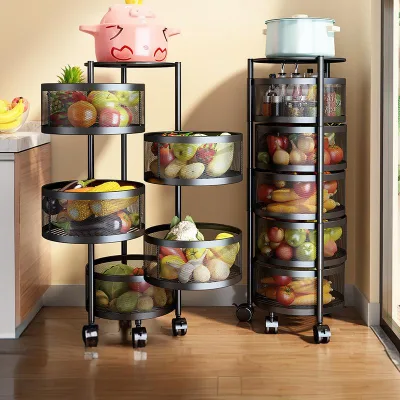
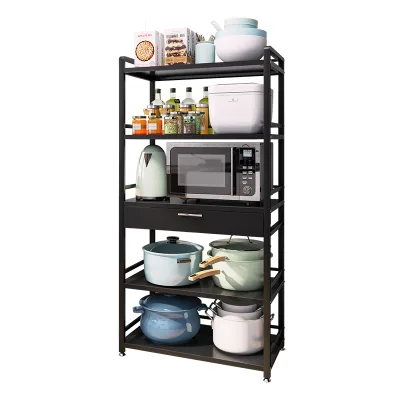
Product attributes observed in listings include materials such as solid wood with varnish, stainless steel, metal, and plastic, alongside structural features like three-layer designs, square or common shapes, and options for wheels or armrests. Packaging varies from single units to sets, with some products shipped in cartons and others in standard packaging, reflecting different logistical needs. The presence of customization options, such as adjustable sizes and surface treatments like chrome painting, suggests that buyers have the flexibility to tailor products to specific brand identities or functional requirements, provided they are willing to engage with suppliers who offer these specialized services.
Technical Specifications to Verify
Verifying technical specifications is paramount to ensuring the selected storage rack meets functional and durability expectations. Buyers must confirm the exact material composition, as products may be constructed from solid wood, stainless steel, metal, or plastic, each offering distinct advantages in terms of weight capacity, corrosion resistance, and aesthetic appeal. For instance, stainless steel and metal racks often feature surface treatments like chrome painting to enhance durability and appearance, while wooden racks may require varnish or specific color finishes to protect against moisture and wear. Understanding these material properties is essential for selecting a rack that aligns with the intended usage environment, whether it is a high-moisture kitchen or a dry pantry area.
Structural and dimensional specifications also require close attention, as products may come in various sizes, including medium dimensions or customizable options, and may feature different structural configurations such as three-layer designs or square shapes. Buyers should verify whether the rack is designed for disassembly or is a fixed structure, as this impacts shipping costs and ease of installation. Additionally, the presence of wheels, armrests, or specific folding mechanisms can significantly affect usability and space efficiency. Confirming these details with the supplier ensures that the product fits the designated space and meets the operational needs of the end-user, avoiding costly returns or modifications.
Compliance and Safety Documentation
Compliance and safety documentation are critical components of the sourcing process, particularly for products used in domestic and commercial settings. Buyers should request relevant certifications and test reports to verify that the storage racks meet applicable safety standards, such as those related to structural stability, material toxicity, and fire resistance. While specific certification statuses may vary by supplier and region, buyers must ensure that the products comply with local regulations and industry best practices to mitigate liability risks and ensure consumer safety. This includes verifying that materials used, such as wood finishes or metal coatings, are free from harmful substances and are suitable for food-adjacent environments.
In addition to product-specific certifications, buyers should assess the supplier’s overall quality management systems and their ability to provide consistent compliance documentation. This involves reviewing the supplier’s track record in meeting regulatory requirements and their willingness to provide updated documentation as standards evolve. By prioritizing suppliers with robust compliance frameworks, buyers can reduce the risk of product recalls, legal issues, and reputational damage. It is also advisable to include compliance clauses in purchase agreements to ensure that suppliers remain accountable for maintaining product safety and regulatory adherence throughout the supply chain.
Cost Drivers and Commercial Terms
Understanding the cost drivers and commercial terms associated with standing type kitchen storage racks is essential for effective budgeting and negotiation. Key factors influencing cost include material selection, customization requirements, packaging complexity, and order volume. For example, solid wood or stainless steel racks typically incur higher material costs compared to plastic or basic metal alternatives, while custom sizes, colors, or structural modifications may add to the production expenses. Buyers should also consider the impact of packaging choices, such as single units versus sets, on shipping costs and potential damage during transit.
Commercial terms, including minimum order quantities (MOQs), lead times, and payment conditions, play a significant role in the overall procurement strategy. Observed MOQs range from 1 to 1,500 units, allowing for flexibility in order sizing, while lead times may vary based on production complexity and supplier capacity. Buyers should negotiate clear terms regarding delivery schedules, quality assurance processes, and return policies to protect their interests. Additionally, understanding the supplier’s pricing structure and any potential volume discounts can help optimize costs and improve profit margins. By carefully evaluating these commercial aspects, buyers can establish sustainable and cost-effective sourcing relationships.
Supplier Qualification and Quality Control
Supplier qualification and quality control are foundational to securing a reliable supply of standing type kitchen storage racks. Buyers should conduct thorough due diligence on potential suppliers, assessing their manufacturing capabilities, quality management systems, and track record in delivering consistent product quality. This includes verifying the supplier’s production facilities, equipment, and workforce expertise, as well as reviewing their history of meeting customer expectations and resolving quality issues. Suppliers with established quality control processes, such as in-process inspections and final product testing, are more likely to deliver products that meet specified standards.
Implementing rigorous quality control measures throughout the procurement process is essential to mitigate risks and ensure product consistency. Buyers should define clear quality criteria and inspection protocols, including sample approval processes and pre-shipment inspections, to verify that products meet all technical and aesthetic requirements. Additionally, establishing a feedback loop with suppliers to address any quality concerns promptly can help maintain high standards and improve future production runs. By prioritizing supplier qualification and quality control, buyers can build a resilient supply chain that supports long-term business success.
Long-Term Procurement Checks
Long-term procurement checks are necessary to maintain the integrity and efficiency of the sourcing relationship for standing type kitchen storage racks. Buyers should regularly review supplier performance metrics, including on-time delivery rates, product quality consistency, and responsiveness to issues, to identify areas for improvement and address potential risks proactively. This ongoing evaluation helps ensure that suppliers continue to meet evolving business needs and regulatory requirements, fostering a collaborative and productive partnership.
Additionally, buyers should stay informed about market trends, technological advancements, and regulatory changes that may impact the sourcing of kitchen storage racks. This includes monitoring developments in materials, design innovations, and sustainability practices that could influence product selection and supplier capabilities. By maintaining a proactive approach to long-term procurement checks, buyers can adapt to changing market conditions, optimize their supply chain, and achieve sustained competitive advantage. Regular communication with suppliers and continuous improvement initiatives are key to sustaining a high-performing sourcing strategy.
FAQs
What materials are used for standing type kitchen storage racks?
Standing type kitchen storage racks are commonly made from solid wood with varnish or primary color finishes, as well as stainless steel and metal options. Some models also feature plastic construction. The specific material depends on the selected product model and customization requirements.
Can I customize the size and standard of the storage rack?
Yes, customization is available for size and product standards. While some models come in medium sizes, others allow for customized dimensions. Buyers can request specific standards tailored to their needs, ensuring the rack fits their kitchen or bathroom storage requirements precisely.
What is the typical lead time for delivery of these racks?
The delivery time for standing type kitchen storage racks typically ranges from 15 to 30 days. This timeframe applies to standard orders and may vary based on the specific model selected and the current production schedule of the manufacturer in China.
Which suppliers offer standing type kitchen storage racks with wheels?
Suppliers offer standing type kitchen storage racks with wheels or without wheels depending on the model. Options include 3-layer structures with chrome painting and simple or modern styles. Buyers can select configurations that suit their mobility needs for kitchen or bathroom storage.
How is the packaging handled for these storage racks?
Packaging options include single units, sets, or cartons depending on the product model. Some items are packed in standard cartons, while others may be shipped as a set. The packaging ensures the new condition of the rack is maintained during transit from the origin.
What is the minimum order quantity for these racks?
The minimum order quantity varies by product, with some models requiring 100 pieces while others start at 1 piece. Buyers should check specific model requirements as MOQs can range from 1 to 1500 units depending on the customization and material selected for the order.
Are these racks suitable for both kitchen and bathroom use?
Yes, standing type kitchen storage racks are designed for use in both kitchens and bathrooms. They feature structures like 3 layers and come in various shapes including square and common forms. The materials used ensure durability for wet or dry storage environments.